


Useful articles
Robotic Surgery with Diabetes: Preparation, Blood Sugar Control and Recovery
Doctor's blog
sbdrmn
Direction: Robotic surgery · All services
Robotic surgery with diabetes is entirely possible: diabetes in itself is not a barrier to an operation. But the steadier your blood sugar is before surgery, on the day and afterwards, the better the wound heals and the lower the risk of complications. Below: how to prepare, which tests are needed, what happens to tablets and insulin, and what to watch for during recovery.
Contents
- Can you have robotic surgery if you have diabetes?
- Why poor blood sugar control raises the risks of surgery
- Tests before surgery: HbA1c, kidneys and heart
- Diabetes tablets and insulin: what changes before the operation
- Before, on the day and after surgery: step by step
- What a robotic approach offers a patient with diabetes
- When to get urgent help: warning signs
- Recovery after surgery: blood sugar, eating and wound care
- What to agree with your surgeon and endocrinologist
- Frequently asked questions
Can you have robotic surgery if you have diabetes?
Yes. People with diabetes need gallbladder, hernia, prostate, womb or bowel operations just like anyone else, and these are carried out successfully. The difference is that preparation is more thorough, and an endocrinologist and an anaesthetist work alongside the surgeon. This applies both to type 1 and to type 2 diabetes.
Surgery itself pushes blood glucose up, while fasting can drop it too low; the aim is to avoid both extremes rather than chase a “perfect” number.
Why poor blood sugar control raises the risks of surgery
Long-standing high glucose makes recovery harder. Doctors most want to prevent:
- Wound infection and slow healing. High glucose weakens infection-fighting cells and reduces blood flow in the smallest vessels.
- Heart and circulation problems. Coronary heart disease is more common in diabetes and can be silent.
- Worsening kidney function. Dehydration and certain medicines put extra strain on kidneys already affected by diabetes.
- Sharp swings in blood sugar. Fasting can lead to hypoglycaemia (a “hypo”), and too little insulin to ketoacidosis.
Tests before surgery: HbA1c, kidneys and heart
A person with diabetes has the same preoperative tests as everyone else, with a few additions:
- glycated haemoglobin (HbA1c) — your average blood sugar over the past two to three months;
- kidney function — blood creatinine with an estimated filtration rate, and a urine test;
- heart assessment — an ECG and, if needed, an echocardiogram and a cardiology opinion;
- blood pressure, electrolytes and a full blood count.
If HbA1c is very high, a planned operation is often postponed so that treatment can be stepped up. There is no single cut-off: the goal is the lowest level that can be reached safely, agreed between the endocrinologist and the surgeon.
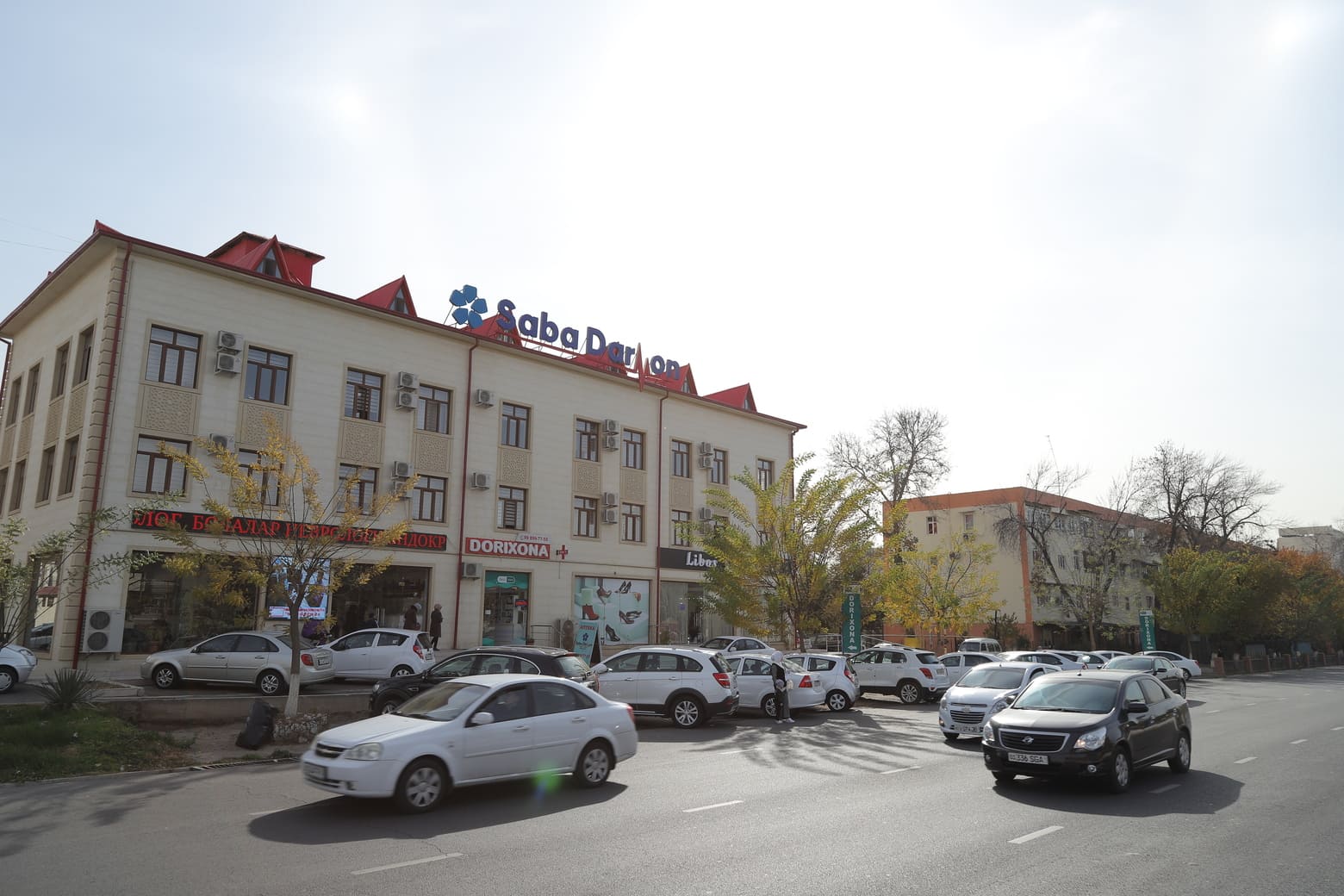
At Saba Darmon clinic an endocrinology consultation, laboratory tests, ECG, echocardiography and ultrasound are available.
Diabetes tablets and insulin: what changes before the operation
Your usual treatment is adjusted temporarily around surgery — and only by your doctor.
- Metformin is often paused, particularly if kidney function is reduced or a scan with contrast dye is planned.
- SGLT2 inhibitors are stopped ahead of time: during fasting they can cause ketoacidosis even when blood sugar looks almost normal.
- Tablets that make the pancreas release more insulin can cause a hypo on an empty stomach, so they are usually not taken on the morning of surgery.
- GLP-1 medicines slow stomach emptying, which matters for the anaesthetic — make sure the anaesthetist knows.
- Insulin is not stopped altogether: the amount is adapted to the fasting period.
In type 1 diabetes the body makes no insulin of its own, so basal (long-acting) insulin must never be stopped completely — even when you are not eating. Without it, ketoacidosis can develop within hours.
Do not stop or add any medicine on your own — ask for a written plan covering each medicine and your insulin.
Before, on the day and after surgery: step by step
| Stage | What the team does | What you should do |
|---|---|---|
| Several weeks before | HbA1c, kidney and heart checks, endocrinology review, a written plan for your medicines | Check your blood sugar regularly and keep a diary, stop smoking |
| Day of surgery | Usually first on the morning list; glucose is checked frequently, with insulin and glucose through a drip if needed | Follow the fasting and medicine instructions exactly; bring your meter and medicines |
| After surgery | Glucose monitoring, early eating and walking, wound checks, usual medicines restarted step by step | Test more often than usual, keep the wound clean and dry |
Why first thing in the morning? The fasting period is shorter and blood sugar swings less. The general steps are described in the article on preparing for robotic surgery, and the anaesthetic is covered on the page about anaesthesia and pain control.
What a robotic approach offers a patient with diabetes
Robotic and laparoscopic (keyhole) operations are done through a few small incisions rather than one large cut. The smaller the wound, the easier it heals — which matters particularly in diabetes, where wound infection is more likely. Milder pain also means earlier walking and eating.
Saba Darmon clinic has the MedBot Toumai robotic system, and when appropriate an operation may be performed with robotic assistance. But the robot is a tool in the surgeon’s hands: it does not replace glucose control, and the outcome depends on the surgeon’s experience and your general health. A robot is not always better than other approaches.
When to get urgent help: warning signs
Signs of low blood sugar are sudden sweating, shakiness, hunger, a pounding heart and muddled thinking — tell a nurse straight away.
Loss of consciousness, confused speech; vomiting that will not stop, abdominal pain, fast deep breathing or breath that smells of acetone; chest pain or breathlessness — call 103 immediately. If redness around the wound is spreading, there is pus, you develop a fever, or your blood sugar stays high despite your usual measures, do not wait — contact your surgeon.
Recovery after surgery: blood sugar, eating and wound care
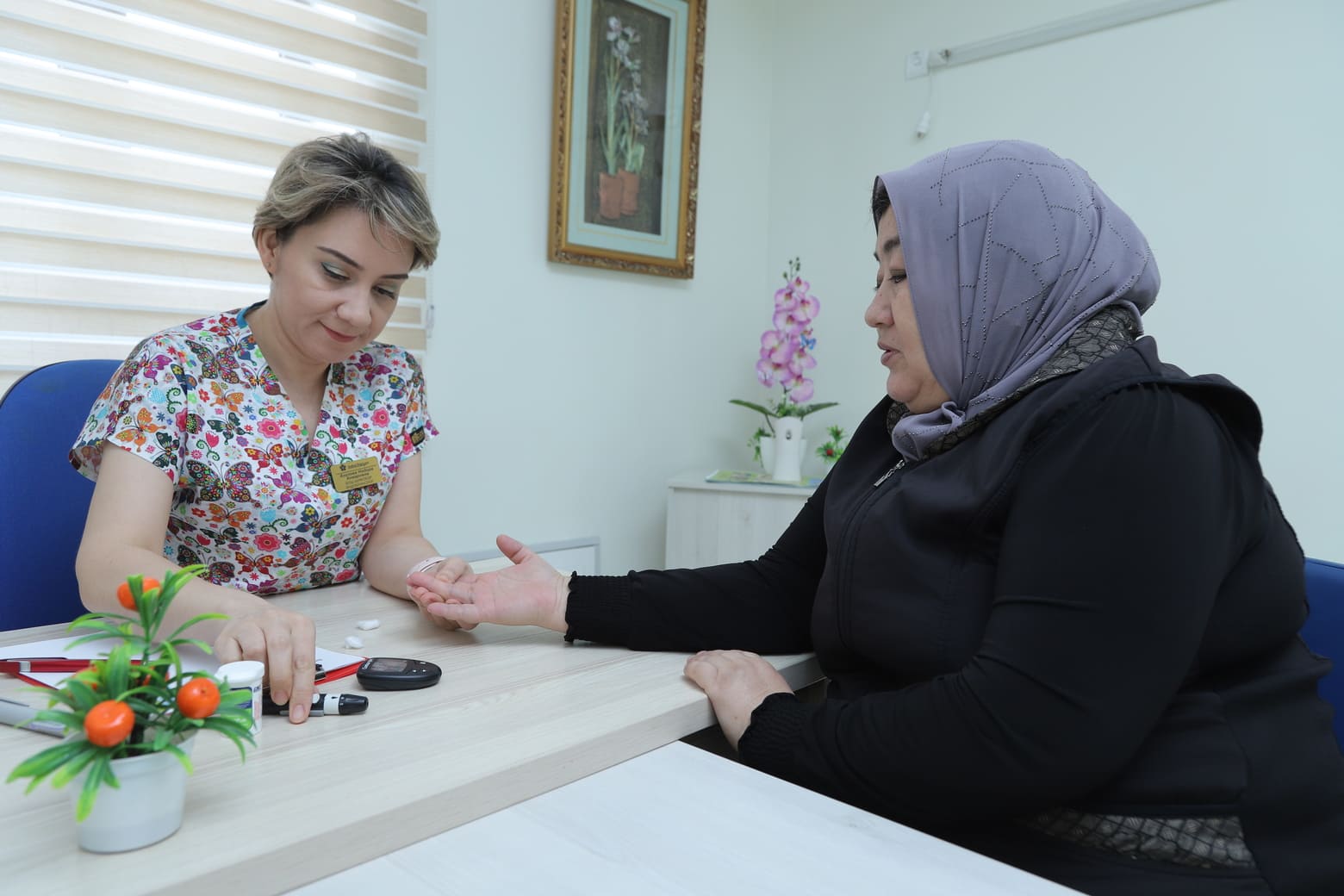
In the first days blood sugar may run higher than usual. It is therefore checked often and, if necessary, insulin is used for a short time; in type 2 diabetes this does not mean you will need insulin permanently. Once you are eating normally and your kidney function has been checked, the doctor will tell you how to return to your usual medicines.
Walking early improves circulation, lowers the risk of blood clots and helps bring glucose down. At home, test more often than usual for a few weeks.
What to agree with your surgeon and endocrinologist
Bring your latest HbA1c result, your blood sugar diary, a list of all your medicines and insulins and previous test results. Ask: is my diabetes well enough controlled for surgery; which medicines will change temporarily and when do I restart them; what do I do with my insulin on the day; which approach will be used. At Saba Darmon clinic the surgeon, endocrinologist and anaesthetist draw up the preparation plan together and explain the treatment options and next steps. More about the department is on the general surgery page, and all areas of robotic surgery are listed on this page.
Frequently asked questions
Will my operation be cancelled if my blood sugar is high?
Emergency surgery goes ahead whatever the glucose level — in that case blood sugar is controlled during the operation with insulin through a drip. For a planned operation, if HbA1c is very high, doctors often suggest postponing it for a while and improving treatment first, because this lowers the risk of wound infection and other complications. The final decision is made by the surgeon together with the endocrinologist, based on your individual situation.
Should I take my tablets or insulin on the morning of surgery?
The answer is different for each patient. Some tablets are not taken on the day or are stopped earlier, and the amount of insulin is adapted to the fasting period. In type 1 diabetes, basal insulin is never stopped completely. Do not decide for yourself: get a written plan from your doctor, check your blood sugar on the morning of surgery and tell the nurse or anaesthetist the result.
Do surgical wounds heal more slowly in people with diabetes?
If blood sugar has been high for a long time, wounds do heal more slowly and infection is more likely. But when glucose is kept steady around the operation, that difference becomes much smaller. Small incisions, not smoking, early walking, good nutrition and proper wound care all help as well. If redness is spreading, there is pus or you develop a fever, contact your surgeon without delay.
Is robotic surgery safer for someone with diabetes?
Robotic and laparoscopic approaches use small incisions, which is helpful for healing — an important advantage in diabetes. However, a robot does not replace blood sugar control and is not better than other approaches in every case. The outcome depends on the surgeon’s experience, the type of operation and your general health. After your assessment the surgeon will explain which approach suits you and why.
I have prediabetes rather than diabetes. Do I still need to prepare?
Yes — tell your doctor about it. In people with prediabetes or insulin resistance, blood sugar can rise temporarily under the stress of surgery, so it is monitored around the operation too. Special medicines are not usually needed, but an HbA1c test and advice on diet and weight are worthwhile. Sometimes preoperative tests are what first reveal diabetes that nobody knew about.
More about robotic surgery:
- Robotic Surgery in Tashkent — all directions
- Robotic Surgery in Tashkent: the MedBot Toumai System
- Is Robotic Surgery Safe? 10 Questions
- Robotic Surgery vs Laparoscopy: What Is the Difference
- Preparing for Robotic Surgery: Step by Step
- Recovery After Robotic Surgery
- Bladder Cancer: Robotic Cystectomy
- Hernia: Robotic Repair
- Gallbladder: Robotic Cholecystectomy
- Who Is Not Suitable for Robotic Surgery
- Uterine and Cervical Cancer: Robotic Surgery
- Large Prostate Adenoma: TURP or Robotic Surgery
- Varicocele Surgery: Marmar or Robotic
- Kidney Removal: Robotic Nephrectomy
- Ectopic Pregnancy: Tube-Sparing Robotic Surgery
- Female Urinary Incontinence: TVT or Robotic Surgery
- Uterus Removal: Robotic Hysterectomy
- Hiatal Hernia and Reflux: Robotic Fundoplication
- Liver Tumour: Robotic Liver Resection
- Pancreatic Tumour: Robotic Resection
- Obesity Surgery: Robotic Sleeve Gastrectomy
- Diastasis Recti: Robotic Repair
- Colon Cancer: Robotic Hemicolectomy
- Anaesthesia and Pain Control in Robotic Surgery
- Pregnancy After Robotic Myomectomy
- Abdominal Adhesions: Robotic Adhesiolysis
- Ovarian Cyst: Robotic Cystectomy
- Obesity: Robotic Gastric Bypass
- Robotic Surgery in Gynaecology
- Robotic Surgery in Patients with Obesity
- Conversion to Open Surgery
- Blood Thinners and Robotic Surgery
- Robotic Prostatectomy
- Kidney Tumour: Robotic Partial Nephrectomy
- Colorectal Cancer: Robotic Surgery
- Uterine Fibroids: Robotic Surgery
- Endometriosis and Ovarian Cysts: Robotic Surgery
- What Is Telesurgery?
- Robotic Surgery in Older Adults
- Stomach Cancer: Robotic Gastrectomy
- Hydronephrosis: Robotic Pyeloplasty
- Pelvic Organ Prolapse: Robotic Sacrocolpopexy
- Adrenal Tumour: Robotic Adrenalectomy
Doctors for consultation
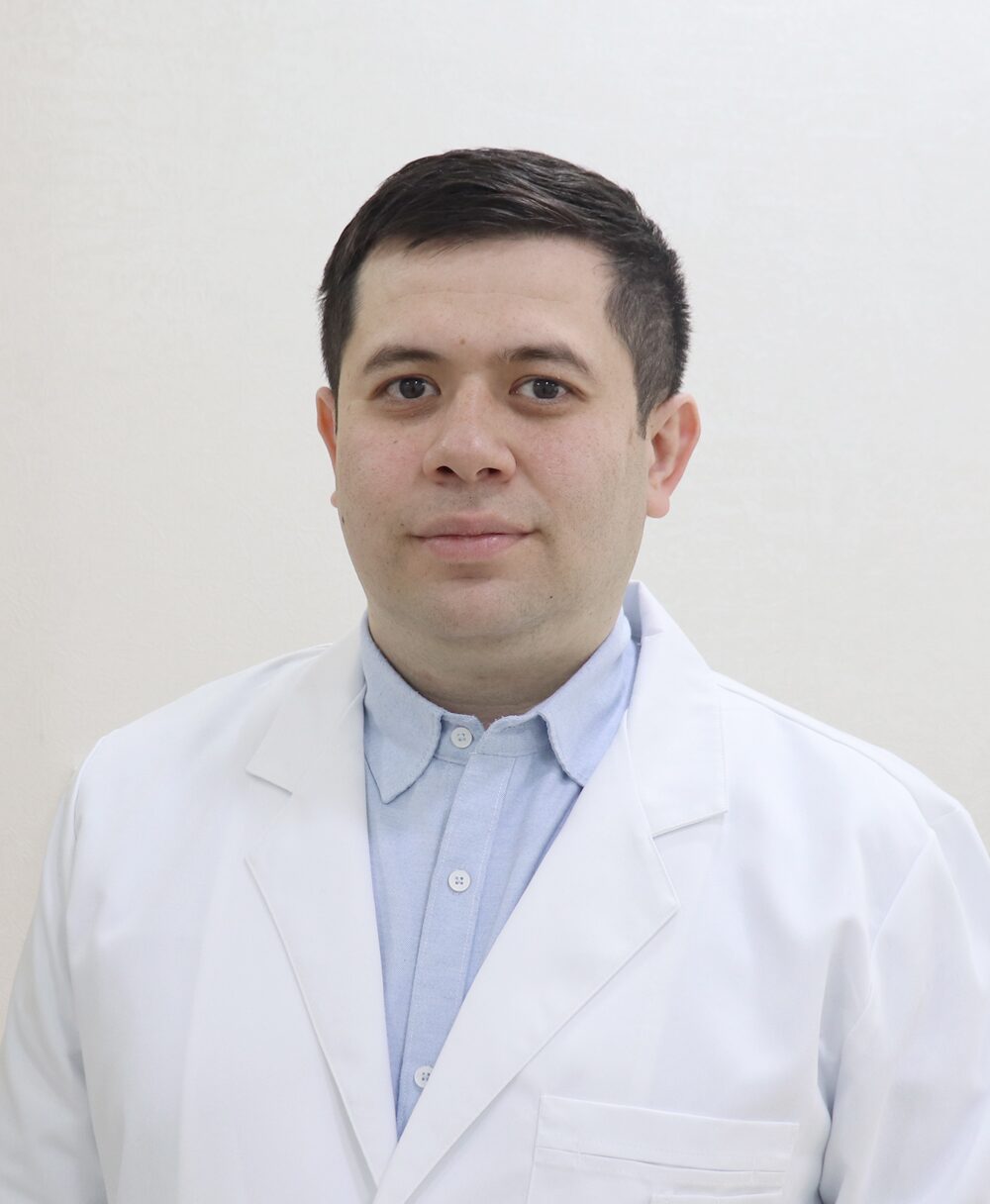
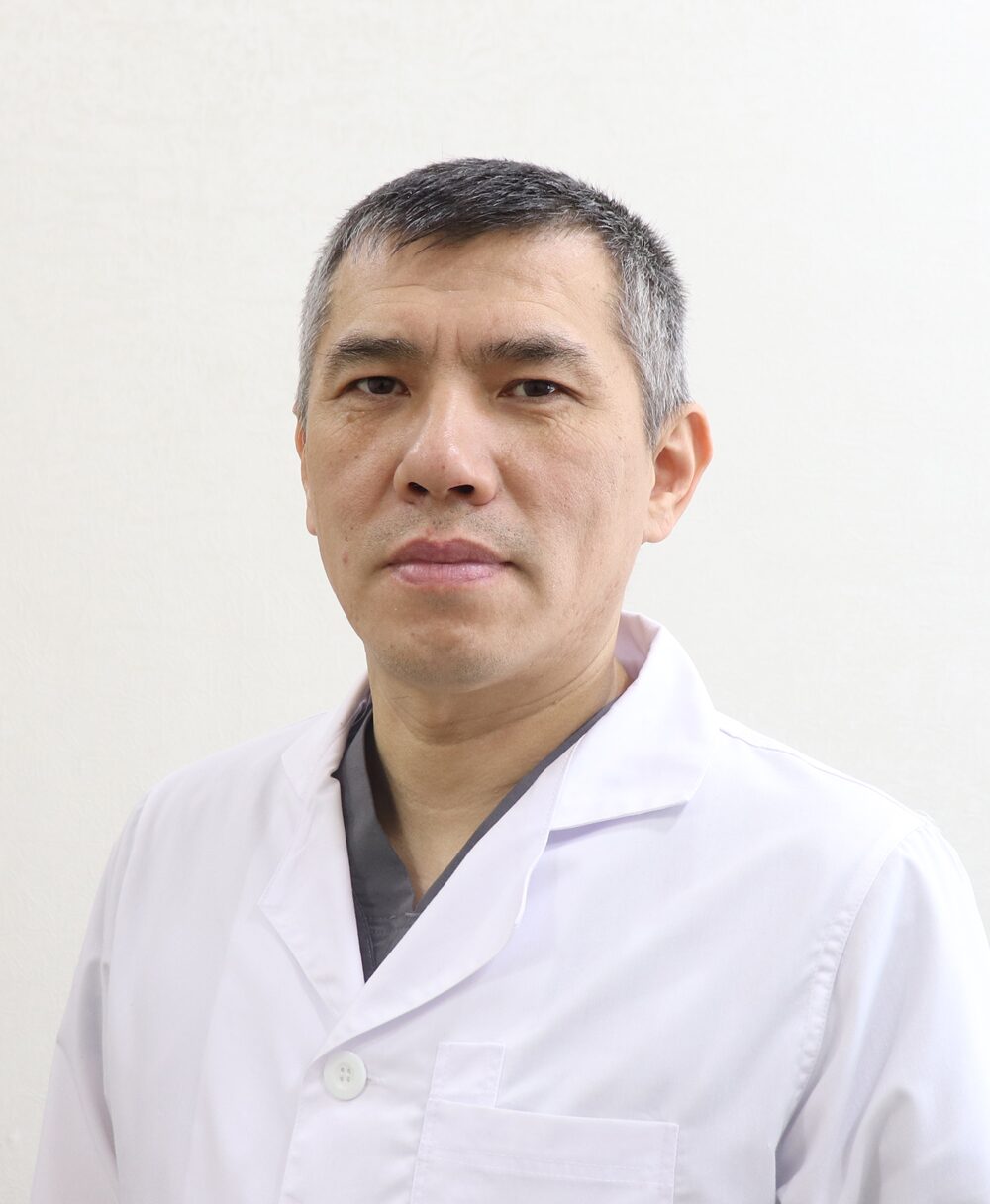
Our surgeons and endocrinologist work together to prepare patients with diabetes for surgery and to carry out the operation. Our doctors in this field:

Book an appointment with a surgeon and an endocrinologist
Living with diabetes and facing an operation? After assessment the doctors will draw up a preparation plan and explain the treatment options.
Call now — +998 71 210-30-30Contacts
Address: 7A/3 Nurafshon street, Tashkent
Phone: +998 71 210-30-30 · WhatsApp: +998 95 662-30-30
Opening hours: Monday–Saturday, 09:00–18:00
E-mail: