


Useful articles
Robotic Surgery in Patients with Obesity: Is It Safe and How to Prepare
Doctor's blog
sbdrmn
Direction: Robotic surgery · All services
Robotic surgery in patients with obesity raises understandable questions: is an operation more dangerous at a higher weight, will I cope with the anaesthetic, do I have to lose weight first? Obesity does make any abdominal or pelvic operation more demanding, but that is not a reason to avoid surgery you need. Below, in plain language: what the risks are, what a minimally invasive or robotic approach changes, where its limits lie and how to prepare for surgery with a high BMI.
Contents
- Can you have robotic surgery if you have obesity?
- Why excess weight makes an operation harder
- Open, laparoscopic or robotic surgery: what changes with a high BMI
- The limits of robotic surgery: anaesthesia, positioning and gas pressure
- Risks of surgery with obesity and how the team reduces them
- How to prepare for surgery if you have obesity
- After the operation: when to seek urgent help
- Weight-loss surgery is a separate subject
- A consultation at Saba Darmon clinic: what to bring and what to ask
- Frequently asked questions
Can you have robotic surgery if you have obesity?
The short answer is: in most cases, yes. Obesity is defined as a body mass index (BMI — your weight in kilograms divided by the square of your height in metres) of 30 or above; a BMI between 25 and 30 is classed as overweight. Obesity in itself does not rule out an operation on the gallbladder, a hernia, the womb, the prostate or the bowel. It does, however, make the procedure technically more demanding and raises the chance of certain complications, which is why preparation is more thorough and several specialists are involved.
This article is about an operation for another condition in someone with excess weight. Weight-loss (bariatric) surgery is a separate subject, touched on briefly below.
Why excess weight makes an operation harder
When the abdominal wall is thick and there is a lot of fat inside the abdomen, the surgeon has less room to work, the organs lie deeper and the view is restricted. Obesity also changes how the body copes with surgery:
- Wound infection and slower healing. The fatty layer under the skin has a poorer blood supply, so an incision heals more slowly.
- Incisional hernia. Higher pressure inside the abdomen puts more strain on the repair.
- Blood clots. A clot is more likely to form in the deep veins of the legs and travel to the lungs.
- Breathing problems. The lungs expand less well when you lie flat, and many patients have undiagnosed sleep apnoea — brief pauses in breathing during sleep.
- A difficult airway. With a short, thick neck it can be harder to place the breathing tube.
Diabetes, high blood pressure and heart disease often come on top of this. When risks are known in advance, most of them can be reduced.
Open, laparoscopic or robotic surgery: what changes with a high BMI
In patients with excess weight, minimally invasive (laparoscopic and robotic) operations generally cause fewer wound complications than open surgery: the incisions are small, so infection and hernia are less likely, and you are out of bed sooner.
| Approach | Features in patients with obesity | Points to bear in mind |
|---|---|---|
| Open surgery | Long incision through a thick layer of fat; more wound problems and hernias | Sometimes the only safe option |
| Laparoscopic | Small incisions, quicker recovery; a thick abdominal wall restricts the instruments | Standard for many operations |
| Robotic | Stable 3D view, wristed instruments; the robotic arms take the strain of the abdominal wall | Demands on positioning and gas pressure; not for everyone |
A robotic system makes precise work in deep, narrow spaces easier, and in some operations this may lower the chance of converting to open surgery. The evidence varies between procedures, though, and a robot is no guarantee: it is a tool, and the outcome depends on the surgeon’s experience and on your general health.
The limits of robotic surgery: anaesthesia, positioning and gas pressure
During keyhole surgery the abdomen is inflated with gas, and for pelvic operations the table is tilted steeply head-down. In someone with obesity this pushes the diaphragm upwards and makes it harder for the lungs to expand and the heart to work. Whether you can tolerate this is a decision for the anaesthetist, who monitors your breathing and circulation throughout. Read more in anaesthesia for robotic surgery.
With a very high BMI or serious heart or lung disease, a robotic approach may not be suitable: the weight limit of the operating table, instrument length and safe ventilation all have to be considered — see who is not suitable for robotic surgery. The surgeon will then suggest a different approach or a period of preparation first.
Risks of surgery with obesity and how the team reduces them
| Risk | What the team does |
|---|---|
| Wound infection | Glucose control, an antibiotic before surgery where indicated, small incisions, proper wound care |
| Blood clots | Risk assessment, early walking, compression devices and, if prescribed, medicine that reduces clotting |
| Breathing complications | Sleep apnoea screening, breathing exercises, upper body raised in bed, oxygen monitoring |
| Difficult airway | Advance assessment by the anaesthetist, specialised equipment ready |
| Hernia | Minimally invasive approach, careful closure of port sites, a temporary limit on heavy lifting |
How to prepare for surgery if you have obesity
With a planned operation, time is on your side. Preparation usually includes the following:
- Blood sugar control. If you have diabetes, or it is suspected, your glycated haemoglobin (HbA1c) is checked. If it is high, the operation may be postponed briefly while an endocrinologist adjusts your treatment — see type 2 diabetes and HbA1c.
- Blood pressure and heart. Your blood pressure should be stable; an ECG and an echocardiogram are arranged if needed.
- Screening for sleep apnoea. Mention loud snoring, pauses in breathing at night or daytime sleepiness.
- Stopping smoking. The earlier, the better for your lungs and for wound healing.
- Modest weight loss. If your surgeon advises it, losing even a little weight in the weeks before surgery can make the operation easier. Crash diets are not needed.
- Medicines. Bring a list of everything you take; only your doctor decides which to continue and which to pause.
The tests you are likely to need are listed under preoperative tests.
After the operation: when to seek urgent help
In the first days after surgery, the most important thing is to move. Walking early lowers the risk of clots and chest complications, and deep-breathing exercises help the lungs to expand. Keep the wound clean and dry, and take your medicines as prescribed.
Sudden breathlessness, chest pain, coughing up blood, fainting, or swelling and pain in one leg can be signs of a blood clot — call 103 immediately. If the wound becomes red, swollen or starts to discharge, if you develop a fever, if abdominal pain is getting worse or vomiting will not stop, contact your surgeon the same day.
Weight-loss surgery is a separate subject
If excess weight itself is the main problem, and diet, activity and treatment from an endocrinologist have not been enough, your doctor may discuss bariatric surgery. It has its own criteria and preparation; see robotic sleeve gastrectomy.
A consultation at Saba Darmon clinic: what to bring and what to ask
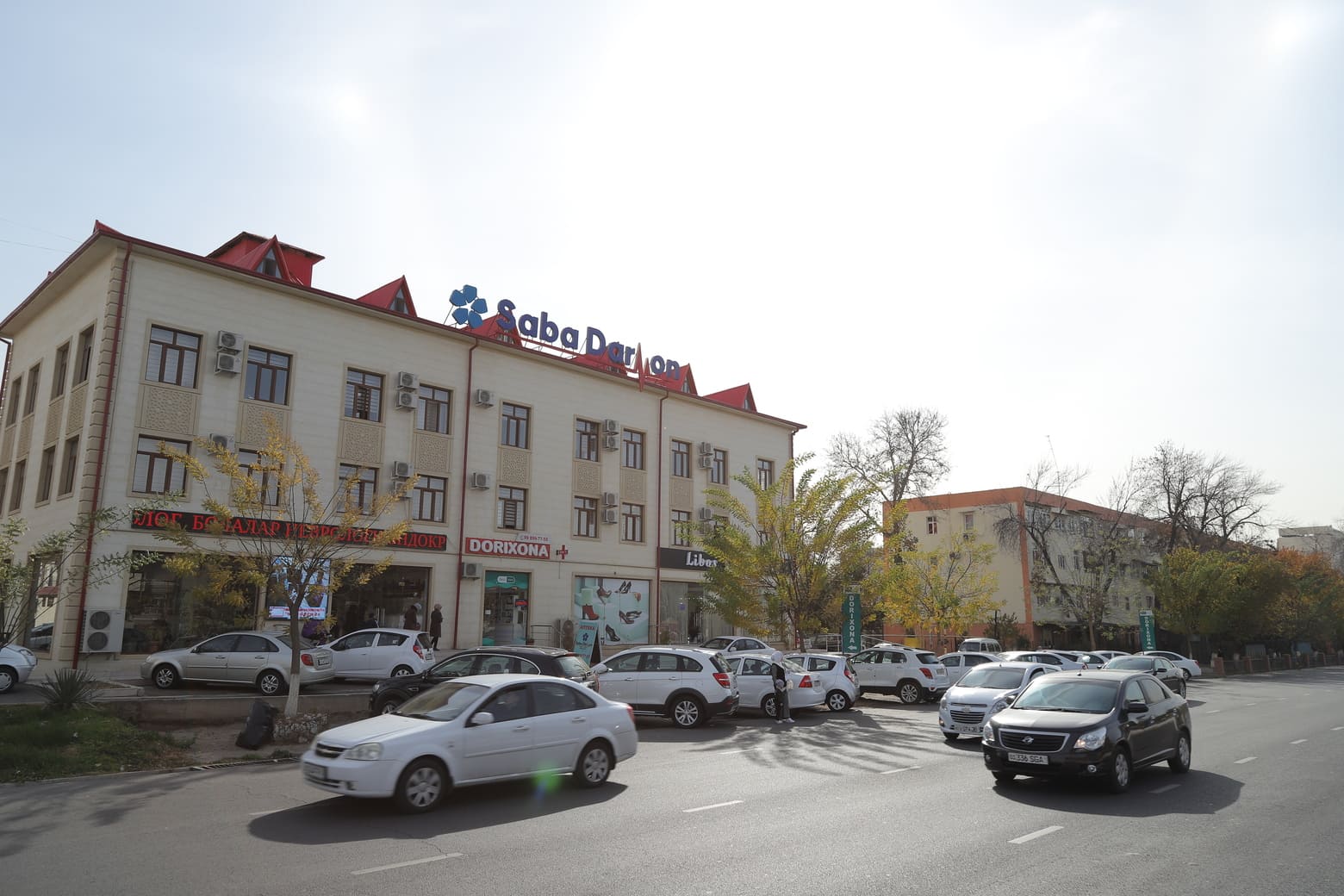
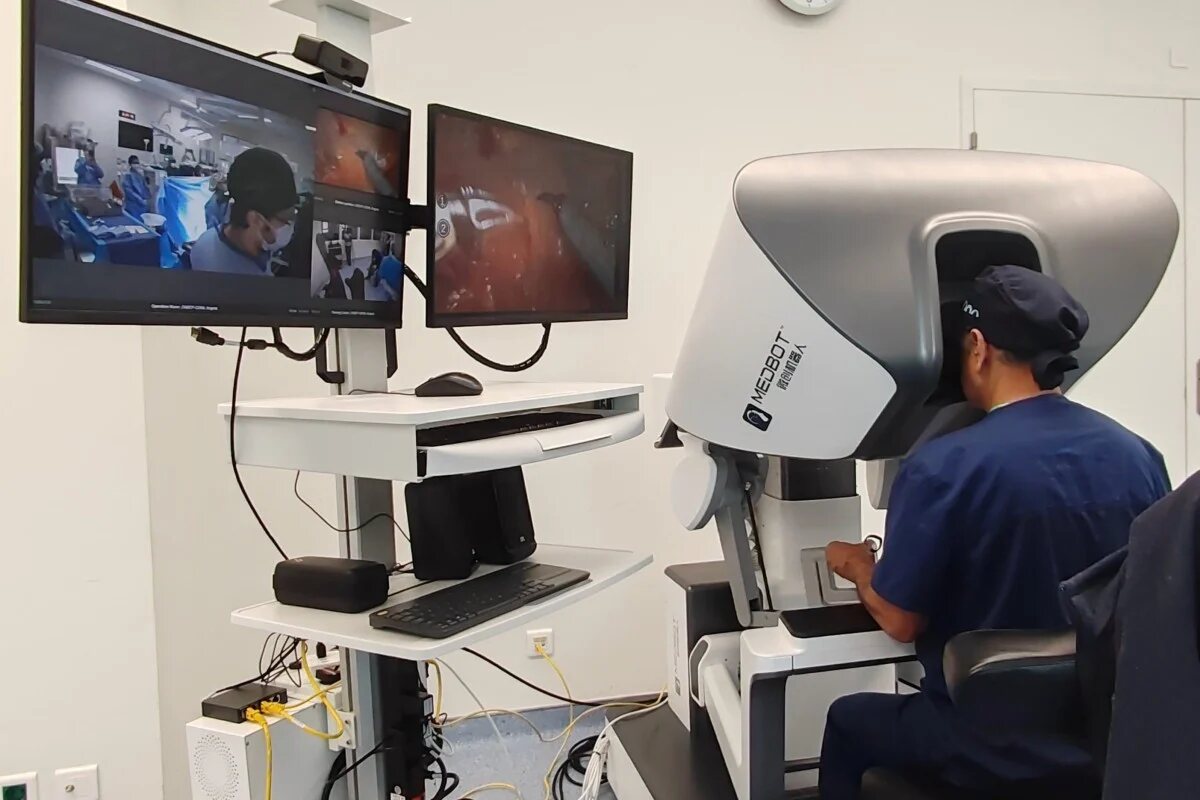
Saba Darmon clinic has surgeons, an endocrinologist and anaesthetists, with laboratory tests, ultrasound, ECG, echocardiography and CT (MSCT) available. The clinic also has the MedBot Toumai robotic system, and when appropriate an operation may be performed with robotic assistance. Bring previous test results, discharge summaries and a list of your medicines, and know your height and weight. Questions worth asking: which approach is safest for me, and why; should I lose weight first; which specialists do I need to see; how will blood clots be prevented. More about the department is on the general surgery page, and all robotic operations are listed on the robotic surgery page.
Frequently asked questions
Can I have an operation if I am very overweight?
In most cases, yes. Obesity in itself is not a reason to refuse surgery, but it does raise the risk of wound infection, blood clots and breathing complications. Preparation is therefore more thorough: blood sugar, blood pressure, the heart and breathing during sleep are checked, and the anaesthetist sees you in advance. If the operation is not urgent, the surgeon may suggest improving some of these first. The final decision is made jointly by the surgeon and the anaesthetist.
Is robotic surgery safer than laparoscopy for people with obesity?
There is no single answer. Both are minimally invasive and, in patients with excess weight, usually cause fewer wound complications than open surgery. Thanks to a stable three-dimensional view and wristed instruments, the robot makes work in deep, narrow spaces easier and in some operations may lower the chance of conversion to open surgery. The evidence varies by procedure, however, and the outcome depends on the surgeon’s experience and your own health.
Do I have to lose weight before surgery?
Not always. Emergency operations go ahead whatever your weight. For planned surgery, if the surgeon advises it, losing even a small amount of weight over a few weeks can make the operation easier. Fasting, crash diets and slimming products taken without medical advice do harm, because you arrive for surgery in a weakened state. It is best to agree an eating plan with an endocrinologist or the doctor who is treating you.
Is a general anaesthetic riskier with a high BMI?
The risk is somewhat higher: securing the airway and ventilating the lungs is more difficult, and sleep apnoea makes breathing problems after the operation more likely. That is why the anaesthetist assesses you beforehand, asks about snoring and pauses in breathing at night, and prepares the right equipment. Your oxygen levels are monitored afterwards. More detail is in the article on anaesthesia for robotic surgery.
What is done to prevent blood clots after surgery?
The most important measure is early movement: you get up and start walking as soon as the doctor allows. Compression stockings or other compression devices are also used, and if your risk is high the doctor prescribes medicine that reduces clotting. Drinking enough fluid helps too. If one leg becomes swollen and painful, or you suddenly feel short of breath, call 103 immediately.
More about robotic surgery:
- Robotic Surgery in Tashkent — all directions
- Robotic Surgery in Tashkent: the MedBot Toumai System
- Is Robotic Surgery Safe? 10 Questions
- Robotic Surgery vs Laparoscopy: What Is the Difference
- Preparing for Robotic Surgery: Step by Step
- Recovery After Robotic Surgery
- Bladder Cancer: Robotic Cystectomy
- Hernia: Robotic Repair
- Gallbladder: Robotic Cholecystectomy
- Who Is Not Suitable for Robotic Surgery
- Uterine and Cervical Cancer: Robotic Surgery
- Large Prostate Adenoma: TURP or Robotic Surgery
- Varicocele Surgery: Marmar or Robotic
- Kidney Removal: Robotic Nephrectomy
- Ectopic Pregnancy: Tube-Sparing Robotic Surgery
- Female Urinary Incontinence: TVT or Robotic Surgery
- Uterus Removal: Robotic Hysterectomy
- Hiatal Hernia and Reflux: Robotic Fundoplication
- Liver Tumour: Robotic Liver Resection
- Pancreatic Tumour: Robotic Resection
- Obesity Surgery: Robotic Sleeve Gastrectomy
- Diastasis Recti: Robotic Repair
- Colon Cancer: Robotic Hemicolectomy
- Anaesthesia and Pain Control in Robotic Surgery
- Pregnancy After Robotic Myomectomy
- Abdominal Adhesions: Robotic Adhesiolysis
- Ovarian Cyst: Robotic Cystectomy
- Obesity: Robotic Gastric Bypass
- Robotic Surgery in Gynaecology
- Conversion to Open Surgery
- Robotic Surgery with Diabetes
- Blood Thinners and Robotic Surgery
- Robotic Prostatectomy
- Kidney Tumour: Robotic Partial Nephrectomy
- Colorectal Cancer: Robotic Surgery
- Uterine Fibroids: Robotic Surgery
- Endometriosis and Ovarian Cysts: Robotic Surgery
- What Is Telesurgery?
- Robotic Surgery in Older Adults
- Stomach Cancer: Robotic Gastrectomy
- Hydronephrosis: Robotic Pyeloplasty
- Pelvic Organ Prolapse: Robotic Sacrocolpopexy
- Adrenal Tumour: Robotic Adrenalectomy
Doctors for consultation
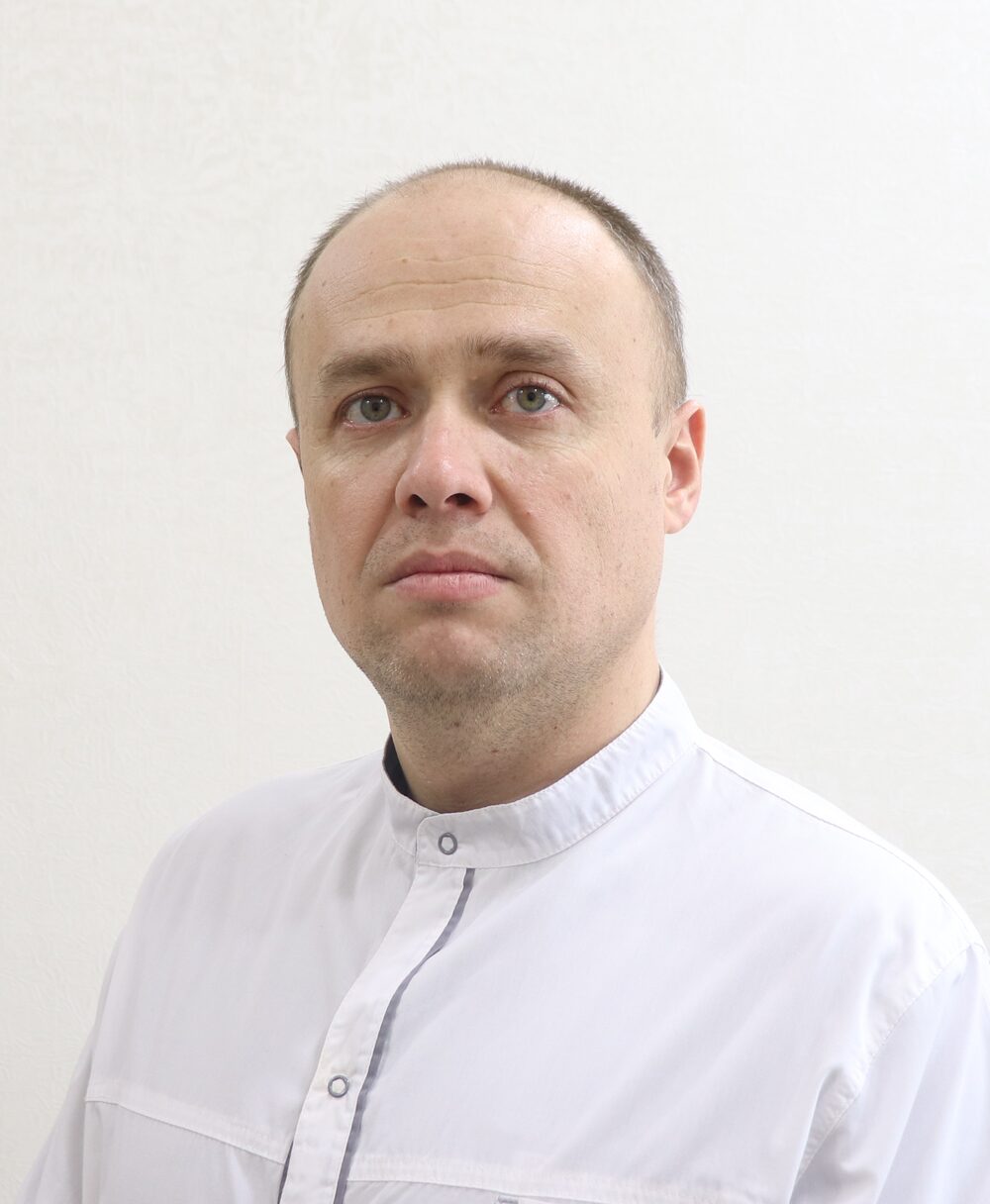
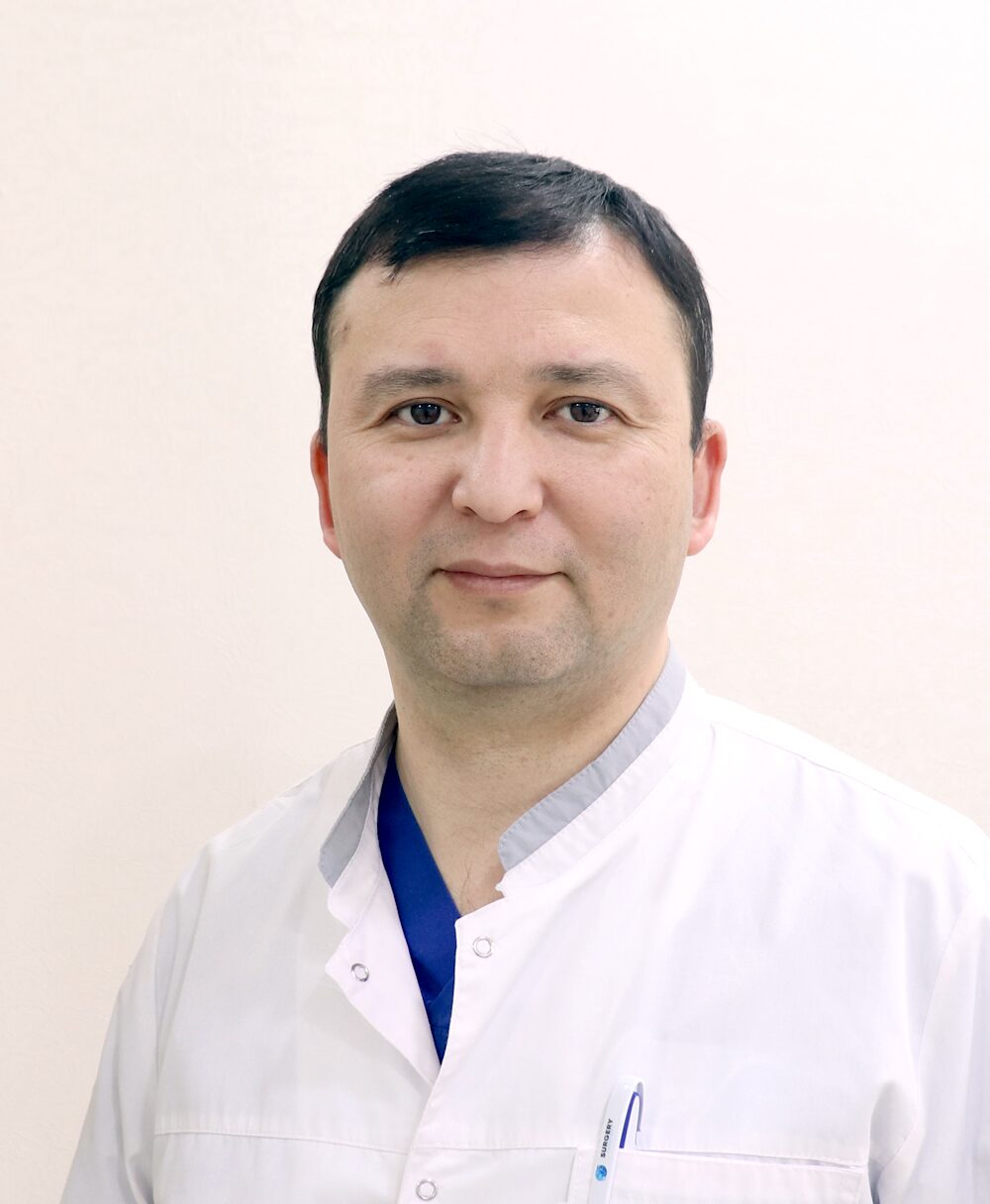
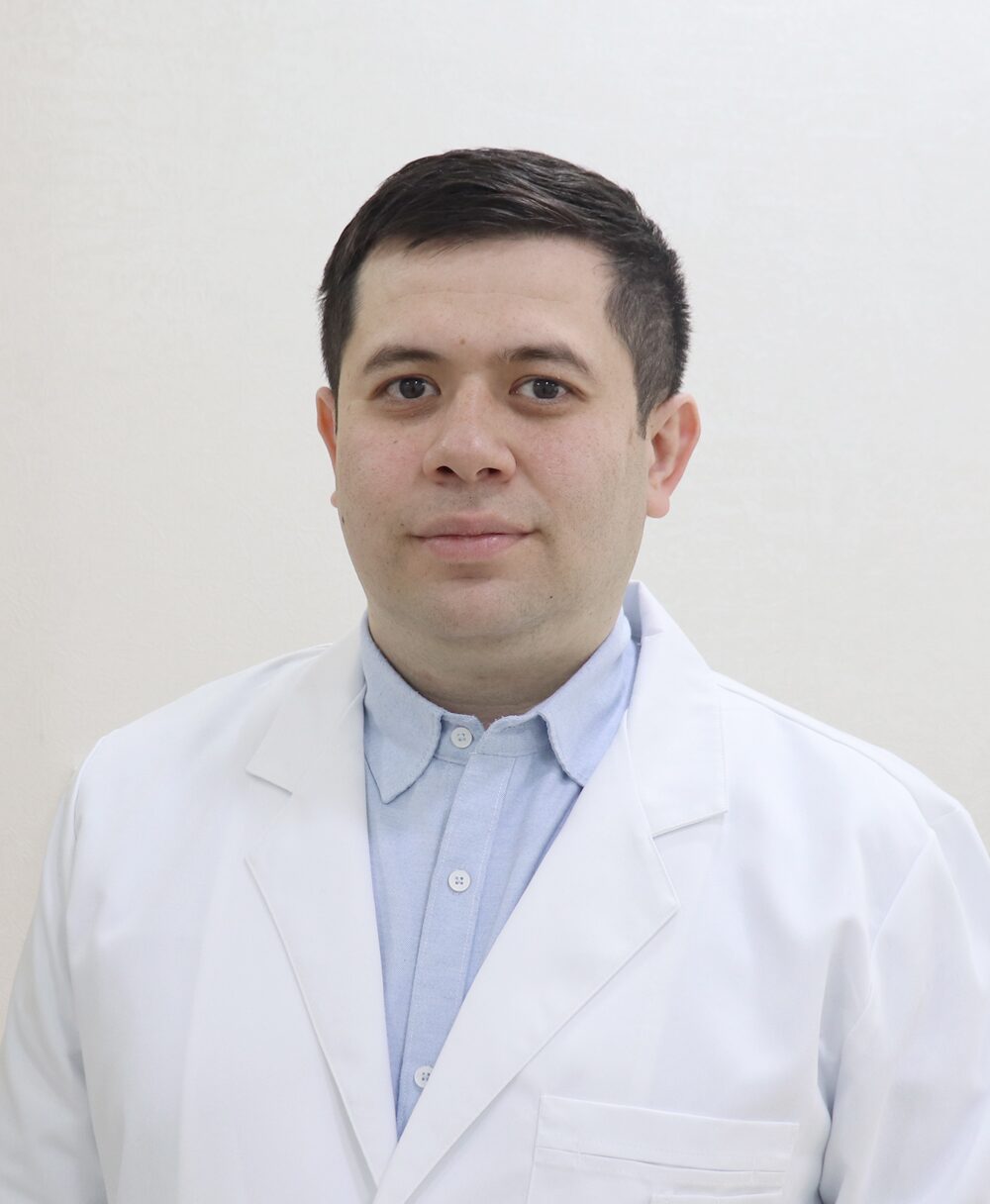
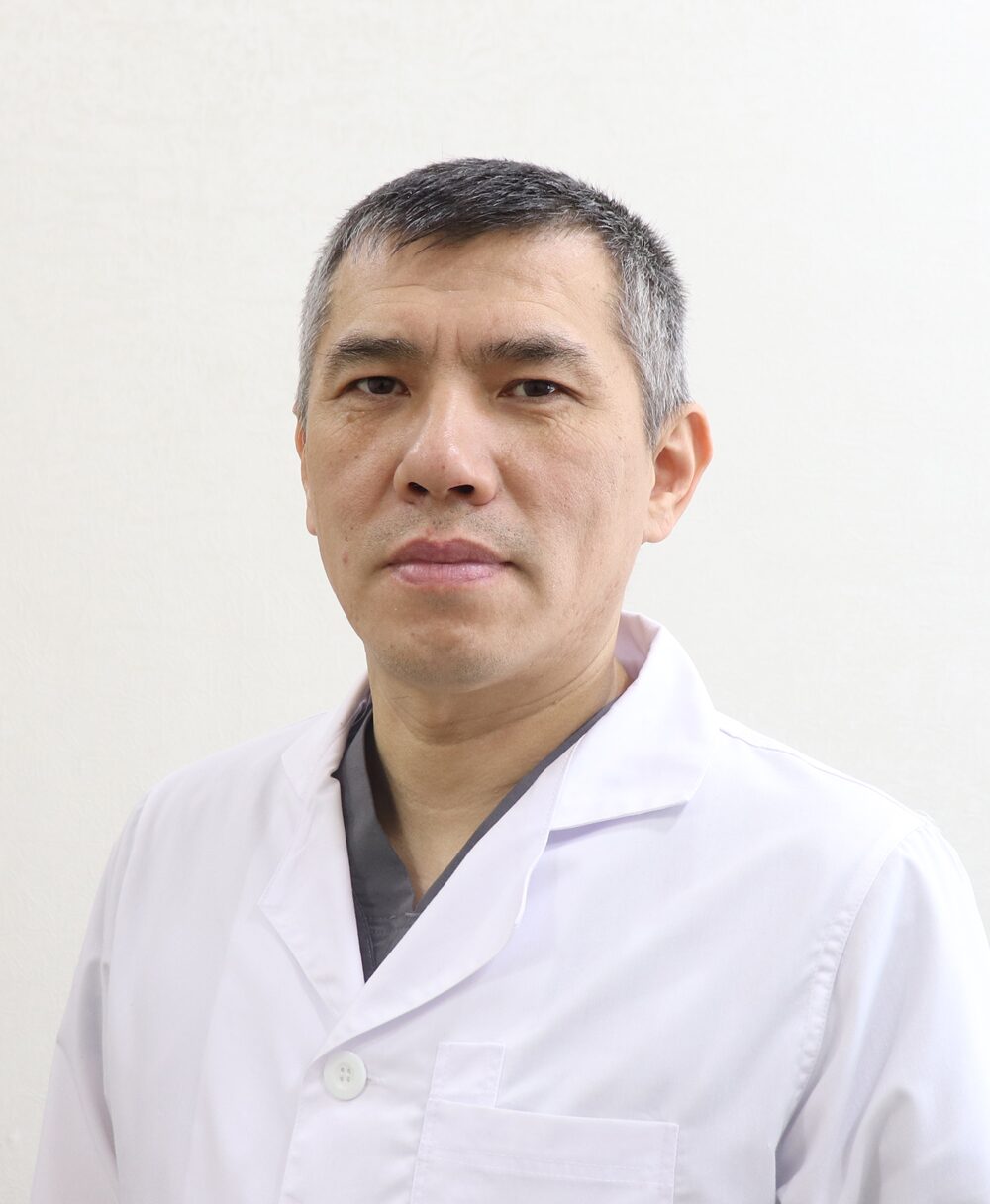
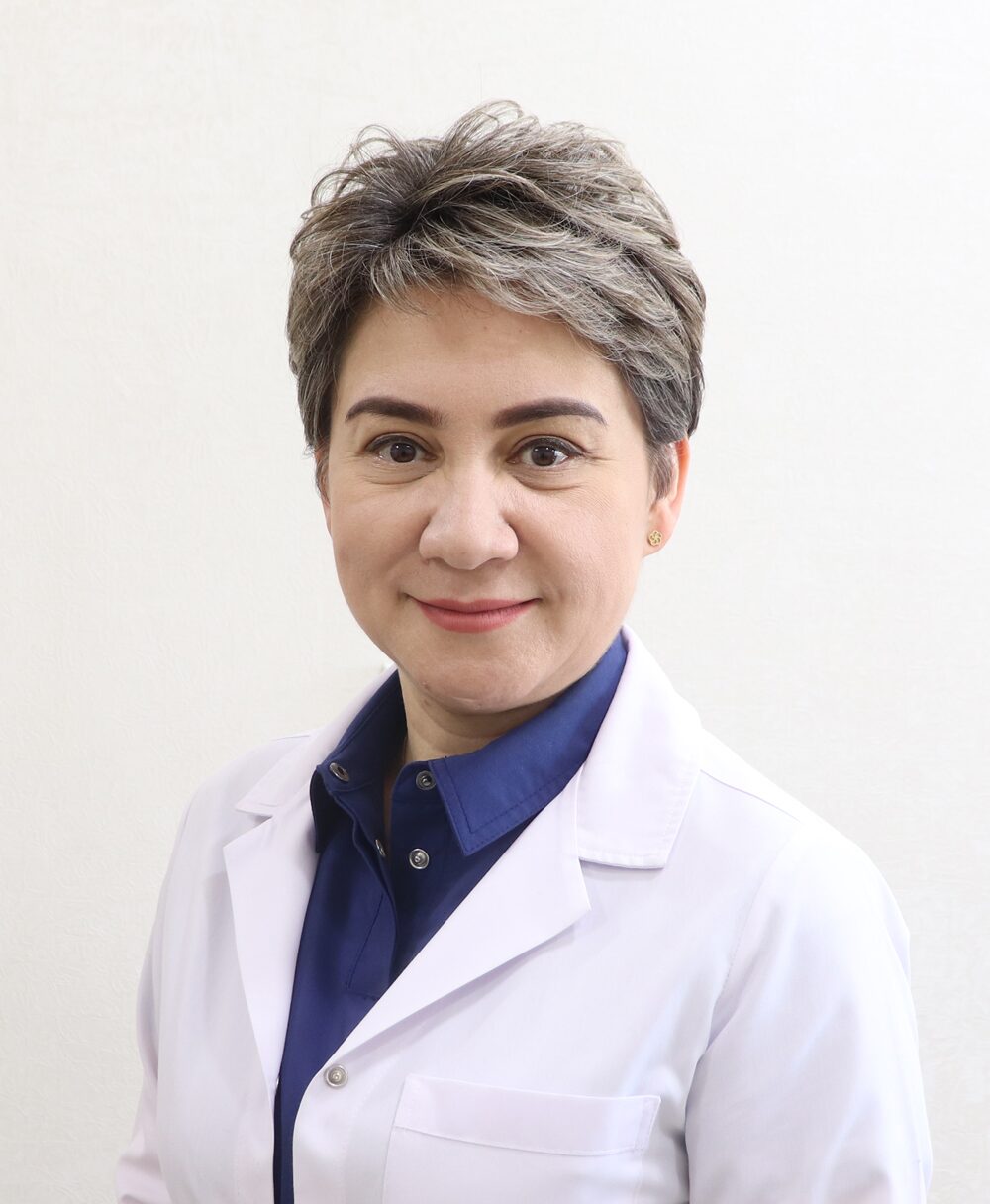
Our surgeons and endocrinologist help patients with excess weight prepare for surgery and choose the right approach. Our doctors in this field:
Book an appointment with a surgeon
Need an operation but worried about your weight? After assessment the surgeon will explain the risks, the most suitable approach and how to prepare.
Call now — +998 71 210-30-30Contacts
Address: 7A/3 Nurafshon street, Tashkent
Phone: +998 71 210-30-30 · WhatsApp: +998 95 662-30-30
Opening hours: Monday–Saturday, 09:00–18:00
E-mail: