


Useful articles
Stomach Cancer: Robotic Gastrectomy — Symptoms, Surgery and Life Afterwards
Doctor's blog
sbdrmn
Direction: Robotic surgery · All services
Stomach cancer found early can be treated successfully with surgery. The main treatment is removing the affected part of the stomach together with the surrounding lymph nodes. In this article we explain the symptoms, how the diagnosis is made, what robotic surgery offers and what life is like after stomach surgery.
Contents
How stomach cancer shows itself
In its early stages stomach cancer often causes almost no symptoms or resembles ordinary gastritis. Do not ignore the following signs if they persist:
- constant heaviness or pain in the upper abdomen;
- feeling full after a small meal, loss of appetite;
- unexplained weight loss, tiredness or anaemia;
- black stools or vomiting blood;
- difficulty swallowing.
Risk factors include Helicobacter pylori infection, smoking, a diet high in salted and smoked foods, and a family history of stomach cancer.
Diagnosis and staging
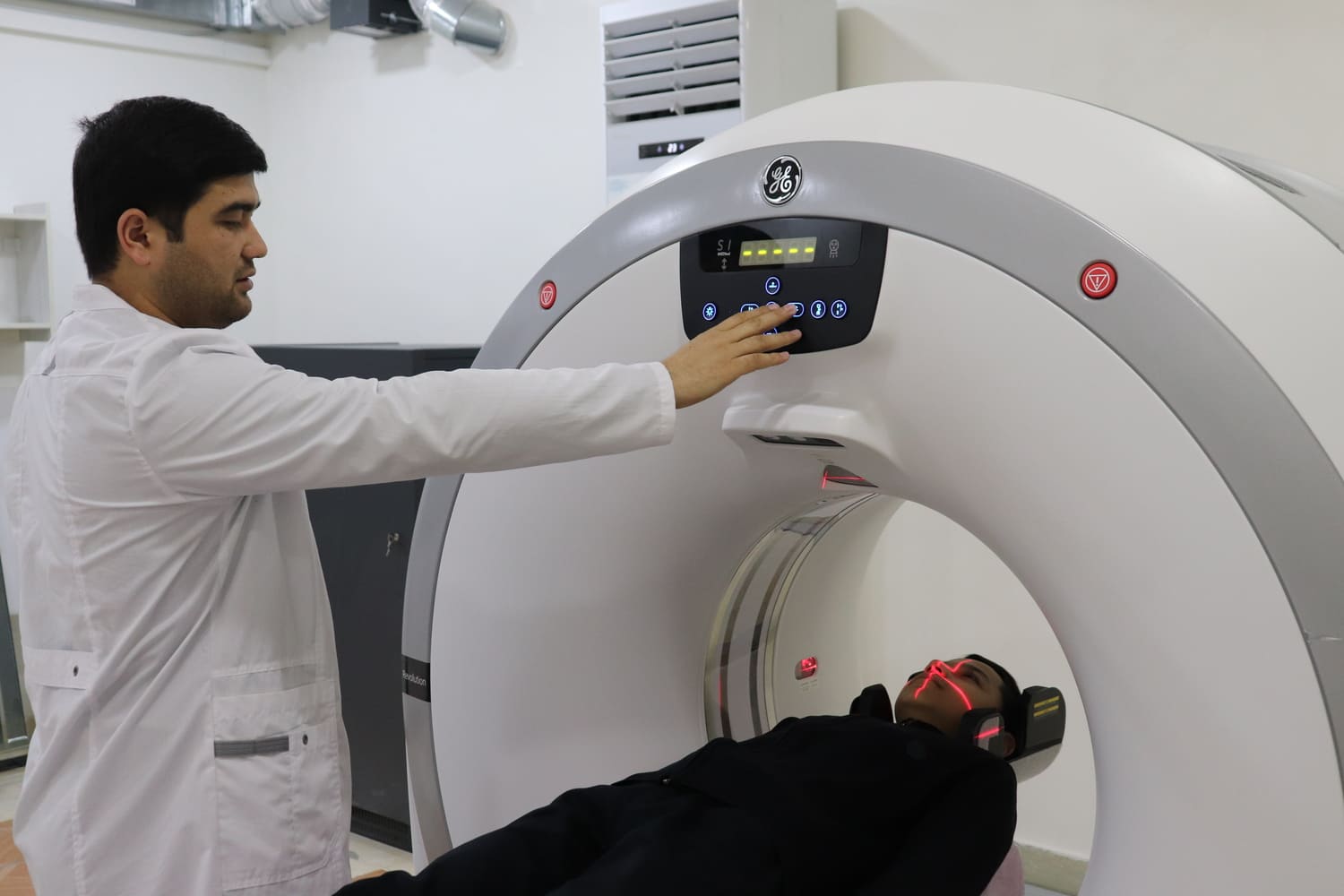
The key test is an upper endoscopy (gastroscopy) with a biopsy. If the diagnosis is confirmed, a CT scan of the chest and abdomen, blood tests and other investigations are done to assess how far the tumour has spread. Sometimes a diagnostic laparoscopy is also recommended.
In many cases courses of chemotherapy are given before and after surgery. This shrinks the tumour and lowers the risk of the disease coming back. The treatment plan is drawn up jointly by the surgeon and the oncologist.
What the operation involves
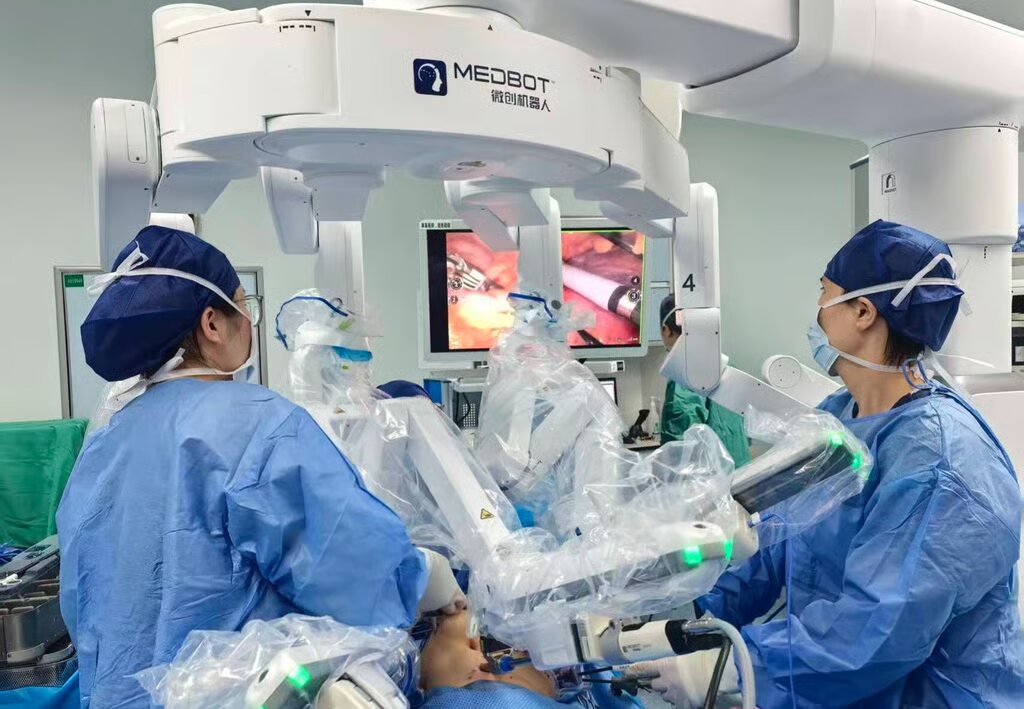
Depending on where the tumour is, part of the stomach (subtotal gastrectomy) or the whole stomach (total gastrectomy) is removed. The lymph nodes along the major blood vessels around the stomach are removed systematically at the same time, and this step largely determines the oncological quality of the operation. The route for food is then restored by joining the remaining stomach or the oesophagus to the small bowel.
What the robot adds
Removing lymph nodes next to large blood vessels is delicate, painstaking work. With a robotic system the surgeon sees the vessels in magnified 3D and works precisely deep inside the abdomen with instruments that bend like a wrist. The joins between the bowel and the oesophagus are also easier to suture. Because the operation is done through a few small ports rather than one large incision, there is less pain and the patient is up and about sooner.
Life after the operation
After stomach surgery the way you eat changes, but people do return to normal life. The main rules are:
- eat six to eight small meals a day;
- chew food thoroughly and drink fluids between meals rather than with them;
- choose protein-rich food and limit sweets;
- after total gastrectomy, have vitamin B12 and iron levels checked regularly.
Some people feel dizzy, sweaty or have palpitations after eating, known as dumping syndrome. This usually improves with the right eating pattern. Your oncologist will set the follow-up schedule according to the histology result. Preparation is covered in a separate article, and the recovery period here.
Frequently asked questions
Can you live without a stomach?
Yes. Even after the whole stomach is removed, food is digested in the small bowel. You will need to change how you eat and have some vitamins monitored.
Can gastritis turn into cancer?
Most gastritis does not turn into cancer. However, long-standing inflammation caused by Helicobacter pylori raises the risk, so it is important to detect and treat it.
How much does the operation cost?
The cost depends on the extent of surgery and the tests needed. You can find out the exact price after a consultation with a surgical oncologist by calling +998 71 210-30-30.
More about robotic surgery:
- Robotic Surgery in Tashkent — all directions
- Robotic Surgery in Tashkent: the MedBot Toumai System
- Is Robotic Surgery Safe? 10 Questions
- Robotic Surgery vs Laparoscopy: What Is the Difference
- Preparing for Robotic Surgery: Step by Step
- Recovery After Robotic Surgery
- Bladder Cancer: Robotic Cystectomy
- Hernia: Robotic Repair
- Gallbladder: Robotic Cholecystectomy
- Who Is Not Suitable for Robotic Surgery
- Uterine and Cervical Cancer: Robotic Surgery
- Large Prostate Adenoma: TURP or Robotic Surgery
- Varicocele Surgery: Marmar or Robotic
- Kidney Removal: Robotic Nephrectomy
- Ectopic Pregnancy: Tube-Sparing Robotic Surgery
- Female Urinary Incontinence: TVT or Robotic Surgery
- Uterus Removal: Robotic Hysterectomy
- Hiatal Hernia and Reflux: Robotic Fundoplication
- Liver Tumour: Robotic Liver Resection
- Pancreatic Tumour: Robotic Resection
- Obesity Surgery: Robotic Sleeve Gastrectomy
- Diastasis Recti: Robotic Repair
- Colon Cancer: Robotic Hemicolectomy
- Anaesthesia and Pain Control in Robotic Surgery
- Pregnancy After Robotic Myomectomy
- Robotic Prostatectomy
- Kidney Tumour: Robotic Partial Nephrectomy
- Colorectal Cancer: Robotic Surgery
- Uterine Fibroids: Robotic Surgery
- Endometriosis and Ovarian Cysts: Robotic Surgery
- What Is Telesurgery?
- Robotic Surgery in Older Adults
- Hydronephrosis: Robotic Pyeloplasty
- Pelvic Organ Prolapse: Robotic Sacrocolpopexy
- Adrenal Tumour: Robotic Adrenalectomy
Doctors for consultation
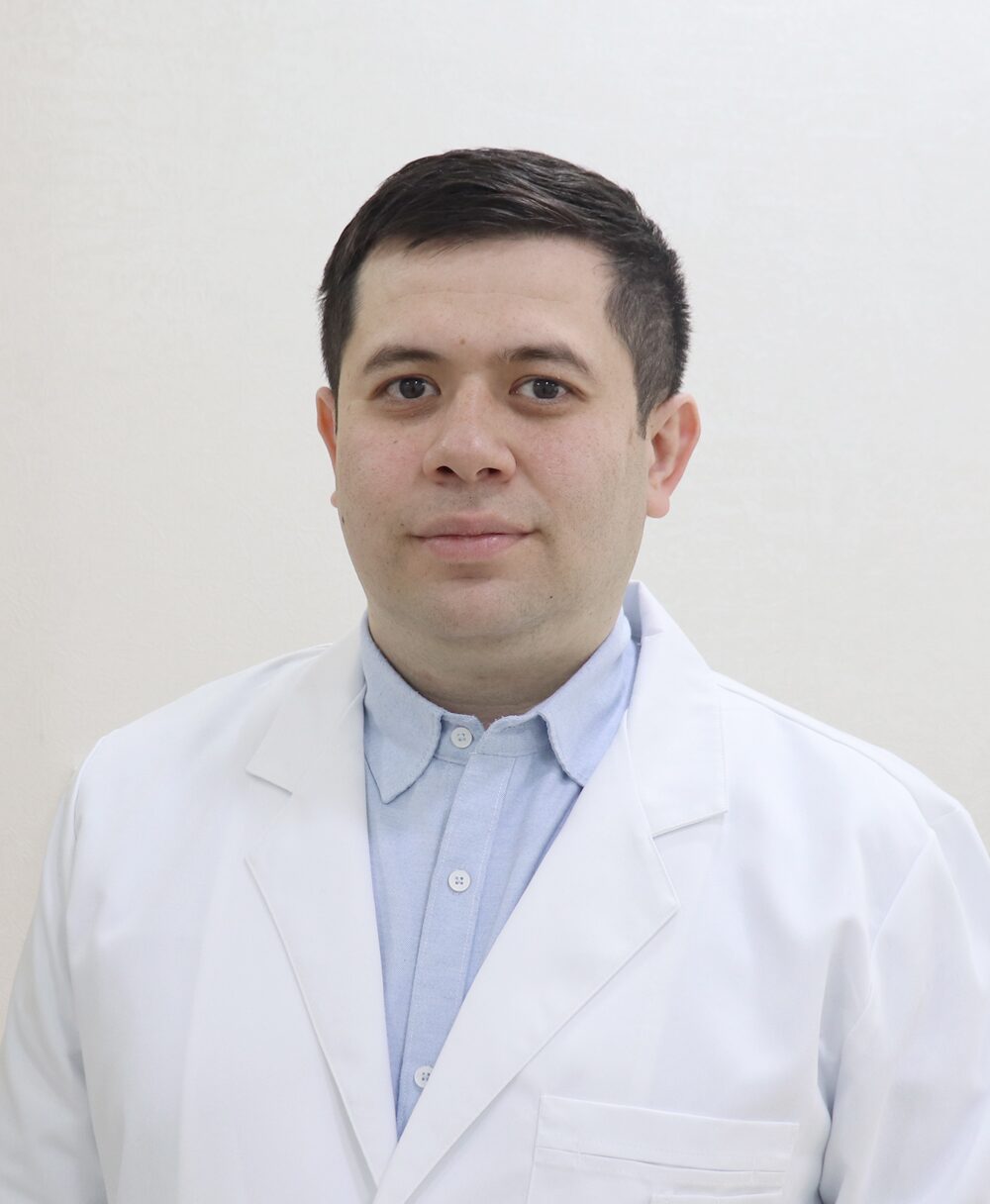
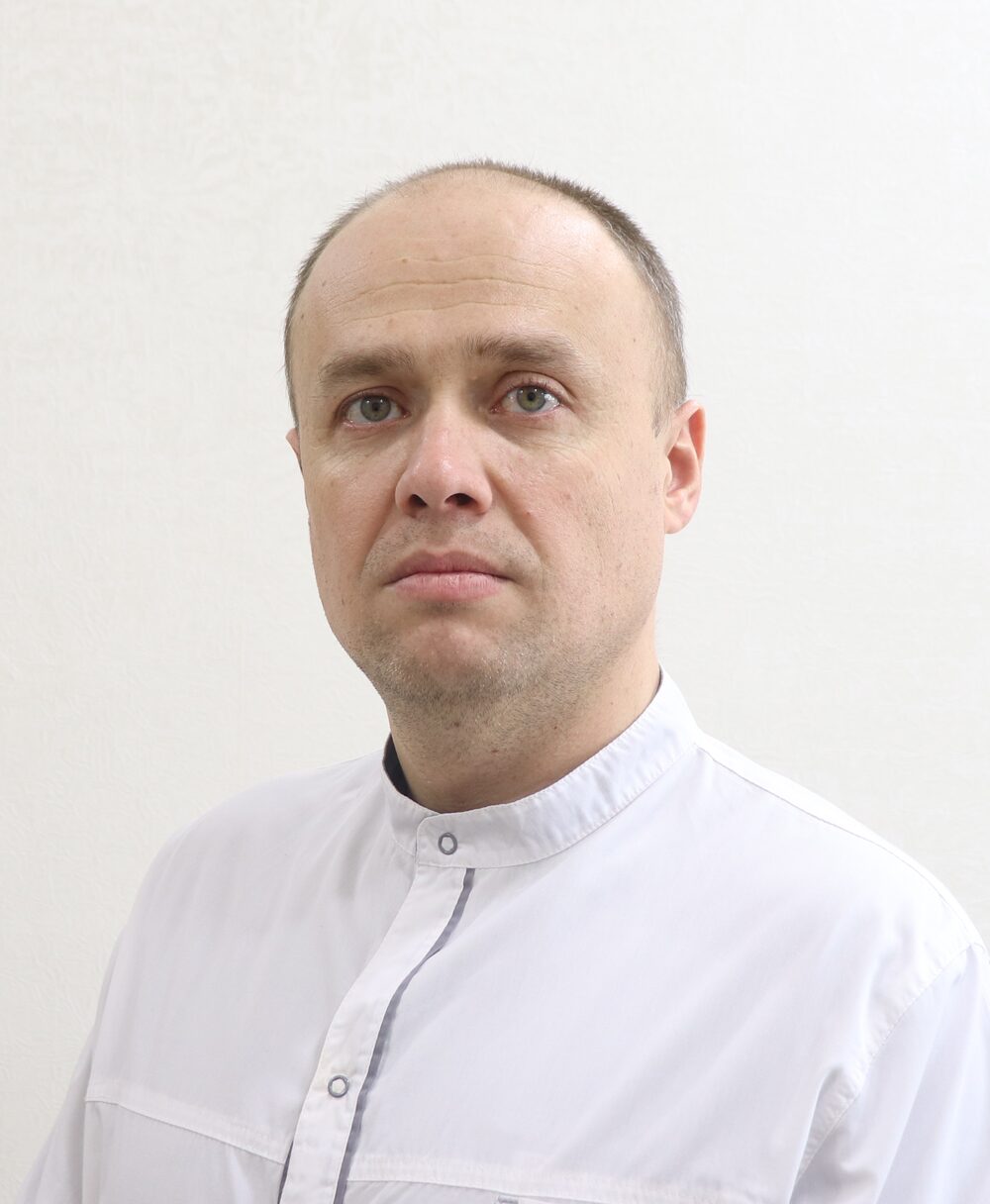
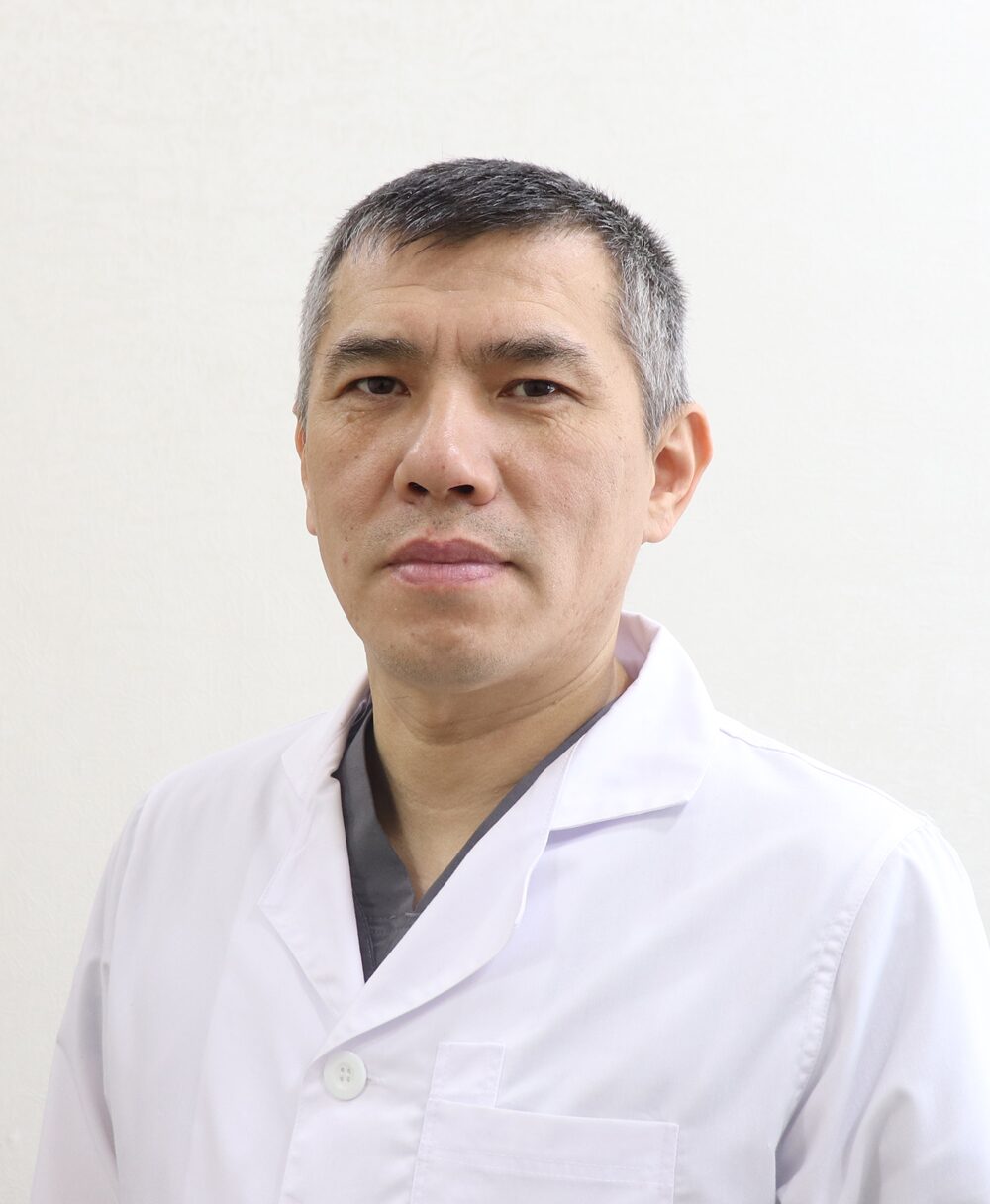
The surgical oncologist draws up the treatment plan from your test results. Our doctors for consultation:
Is robotic surgery right for you?
Book an appointment with a surgeon and bring your test results: the doctor will compare the options and recommend the safest one for you.
Call now — +998 71 210-30-30Contacts
Address: 7A/3 Nurafshon street, Tashkent
Phone: +998 71 210-30-30 · WhatsApp: +998 95 662-30-30
Opening hours: Monday–Saturday, 09:00–18:00
E-mail: