


Useful articles

Preparing for Robotic Surgery: From Consultation to the Day of the Operation
Doctor's blog
sbdrmn
Direction: Robotic surgery · All services
The outcome of an operation depends not only on the surgeon’s skill but also on good preparation. A well-prepared patient has fewer complications and recovers faster. In this guide we go step by step through preparing for robotic surgery: the consultation and the questions to ask, tests, medicines, getting your body ready, the day before and the day of the operation itself.
Contents
- Step 1: the surgical consultation
- 8 important questions to ask your surgeon
- Step 2: pre-operative tests
- Step 3: medicines — what to stop and what to continue
- Step 4: getting your body ready (prehabilitation)
- Step 5: the day before surgery
- Step 6: the day of the operation
- Preparation timeline
- Frequently asked questions
Step 1: the surgical consultation
Preparation begins with an appointment with the surgeon. At this visit the doctor confirms the diagnosis, assesses whether robotic surgery is right for you and explains the alternatives. Bring with you:
- all your test results, including ultrasound, CT and MRI (the images on a disc or as files, not just the reports), and any endoscopy and histology reports;
- a list of all the medicines you take, with doses;
- information about long-term illnesses and previous operations;
- details of any drug allergies.
The robotic approach is not the best option for everyone. Sometimes laparoscopic or open surgery is safer. On the differences between them: “Robotic surgery vs laparoscopy”.
8 important questions to ask your surgeon
Write your questions down in advance, because they are easy to forget when you are nervous. The answers will help you make an informed decision.
- Why robotic surgery in my case, and what are the alternatives?
- How long will the operation take, and what kind of anaesthesia will be used?
- What are the main risks, and how common are they?
- Is there a chance of converting to open surgery?
- Will I have a drain or a catheter, and for how long?
- How many days will I stay in hospital?
- When can I return to work, exercise and driving?
- When will the histology result be ready, and what will follow-up involve?
The questions patients ask most often about safety: “Is robotic surgery safe? 10 questions”.
Step 2: pre-operative tests
Tests are needed so that the operation and the anaesthetic go safely. The usual list includes:
- a full blood count, urine test and blood chemistry (glucose, creatinine and liver tests);
- a coagulation profile to check blood clotting (“Coagulation profile: blood clotting tests”);
- blood group and Rh factor;
- tests for HIV, hepatitis B and C, and syphilis;
- an ECG and a chest X-ray;
- an assessment by an internist and, if needed, a cardiologist, endocrinologist or another specialist.
The full list and why each test is needed: “Preoperative tests: the complete checklist”. Most tests can be done in a single day at the clinic itself.
Step 3: medicines — what to stop and what to continue
Do not stop any medicine on your own. The decision on each drug is made jointly by the surgeon, the anaesthetist and the doctor who treats you.
- Blood thinners (warfarin, rivaroxaban, apixaban, clopidogrel, aspirin) are often stopped a few days before surgery or replaced with another drug, but the decision may be different if you have a stent or an artificial heart valve.
- Diabetes medicines: some, such as SGLT2 inhibitors, are stopped a few days before the operation, and the insulin dose is adjusted on the day of surgery.
- Weight-loss injections (GLP-1 agonists) slow stomach emptying, so be sure to tell the anaesthetist about them.
- Medicines for blood pressure, the heart or the thyroid are usually continued and taken on the morning of surgery with a sip of water.
- Herbal remedies and supplements: some increase bleeding, so tell your doctor about these too.
Step 4: getting your body ready (prehabilitation)
A patient who comes to surgery “in good shape” recovers faster, and 2–4 weeks is enough to make a difference:
- stop smoking, ideally at least 4 weeks before surgery, which reduces lung and wound complications, although even a short break helps;
- avoid alcohol;
- walk every day, as 30 minutes of walking prepares the heart and lungs;
- do breathing exercises, since deep breathing and coughing exercises help prevent lung complications after surgery;
- eat enough protein, and if you have anaemia, have it treated before the operation;
- if you have diabetes, bring your blood sugar under control.
If you develop a cold, a fever or another acute infection, tell your surgeon, because the operation may need to be postponed.
Step 5: the day before surgery
- Food and drink. Unless the anaesthetist tells you otherwise, solid food is usually stopped 6 hours before surgery and clear fluids (water, sweet tea) 2 hours before. Modern guidelines do not require long fasting.
- Bowel preparation is only prescribed for certain operations, such as bowel surgery, and your doctor will give you the regimen.
- Hygiene. Shower in the evening or in the morning. Do not shave your abdomen yourself; if needed, the staff will do it with a special clipper.
- Your bag. Passport, test results, list of medicines, comfortable clothes, slippers and a phone charger, plus compression stockings if your doctor has prescribed them.
- Remove make-up, nail polish and jewellery.
Step 6: the day of the operation
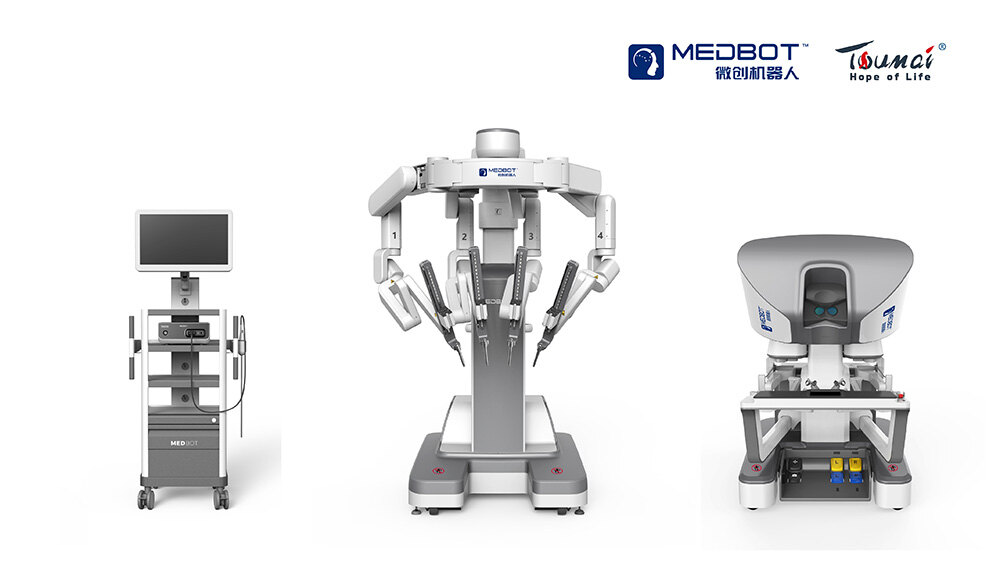
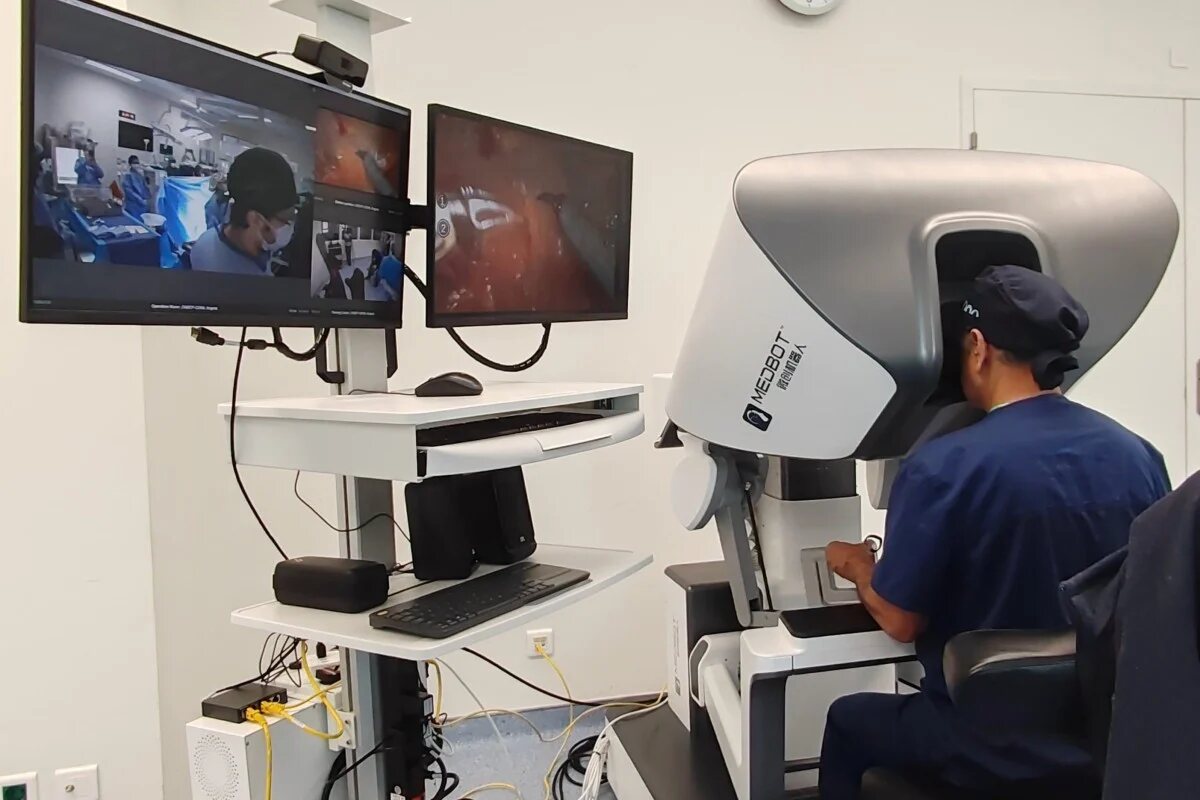
You arrive at the clinic at the agreed time. The anaesthetist talks with you once more and a cannula is placed in a vein. In the operating theatre you are given the anaesthetic, and then the surgeon introduces the instruments through small ports and works at the console. The robot does nothing by itself: every movement is controlled by the surgeon.
After the operation you spend a few hours in the recovery area. Your family can wait in the lounge, and the surgeon will tell them how the operation went. In most cases you will be asked to get up and walk the same evening or the next morning, which is the best way to prevent blood clots and lung complications. On the next stage: “Recovery after robotic surgery: a day-by-day guide”.
Preparation timeline
| When | What to do |
|---|---|
| 3–4 weeks before | Surgical consultation; stop smoking; start daily walks and breathing exercises |
| 1–2 weeks before | Tests, ECG, assessment by an internist and anaesthetist; a plan for your medicines |
| A few days before | Stop or switch medicines as instructed by your doctor; pack your bag |
| The day before | A light evening meal, a shower and bowel preparation if prescribed |
| The day of surgery | Arrive fasting (water until the time set by the anaesthetist) with your documents and results |
The cost of the operation depends on its type and length, the consumables used and the length of the hospital stay. Clarify these details at your consultation.
Frequently asked questions
Is preparing for robotic surgery different from preparing for an ordinary operation?
The main principles are the same: tests, adjusting medicines and getting your body ready. The difference is that in robotic surgery gas is used to inflate the abdomen and the patient is placed in a special position, so the anaesthetist pays particular attention to the heart and lungs.
How many hours before surgery should I stop eating?
Solid food is usually stopped 6 hours before surgery and clear fluids 2 hours before. However, the anaesthetist will give you the exact times, and you should follow them strictly.
How long are test results valid?
Most blood tests are usually valid for 10–14 days, while an ECG and a chest X-ray remain valid longer. Exact periods depend on the clinic’s requirements, so it is convenient to have tests done close to the date of surgery.
Can I have surgery during my period?
For most operations a period is not an obstacle. Gynaecological operations, however, are often scheduled for the days after it ends. Discuss this with your doctor in advance.
How can I find out the cost of the operation?
The cost depends on the type and length of the operation, the consumables used and the length of the hospital stay. You can find out the exact price after seeing the surgeon or by calling +998 71 210-30-30.
More about robotic surgery:
- Robotic Surgery in Tashkent — all directions
- Robotic Surgery in Tashkent: the MedBot Toumai System
- Is Robotic Surgery Safe? 10 Questions
- Robotic Surgery vs Laparoscopy: What Is the Difference
- Recovery After Robotic Surgery
- Bladder Cancer: Robotic Cystectomy
- Hernia: Robotic Repair
- Gallbladder: Robotic Cholecystectomy
- Who Is Not Suitable for Robotic Surgery
- Uterine and Cervical Cancer: Robotic Surgery
- Large Prostate Adenoma: TURP or Robotic Surgery
- Varicocele Surgery: Marmar or Robotic
- Kidney Removal: Robotic Nephrectomy
- Ectopic Pregnancy: Tube-Sparing Robotic Surgery
- Female Urinary Incontinence: TVT or Robotic Surgery
- Uterus Removal: Robotic Hysterectomy
- Hiatal Hernia and Reflux: Robotic Fundoplication
- Liver Tumour: Robotic Liver Resection
- Pancreatic Tumour: Robotic Resection
- Obesity Surgery: Robotic Sleeve Gastrectomy
- Diastasis Recti: Robotic Repair
- Colon Cancer: Robotic Hemicolectomy
- Anaesthesia and Pain Control in Robotic Surgery
- Pregnancy After Robotic Myomectomy
- Robotic Prostatectomy
- Kidney Tumour: Robotic Partial Nephrectomy
- Colorectal Cancer: Robotic Surgery
- Uterine Fibroids: Robotic Surgery
- Endometriosis and Ovarian Cysts: Robotic Surgery
- What Is Telesurgery?
- Robotic Surgery in Older Adults
- Stomach Cancer: Robotic Gastrectomy
- Hydronephrosis: Robotic Pyeloplasty
- Pelvic Organ Prolapse: Robotic Sacrocolpopexy
- Adrenal Tumour: Robotic Adrenalectomy
Doctors for consultation
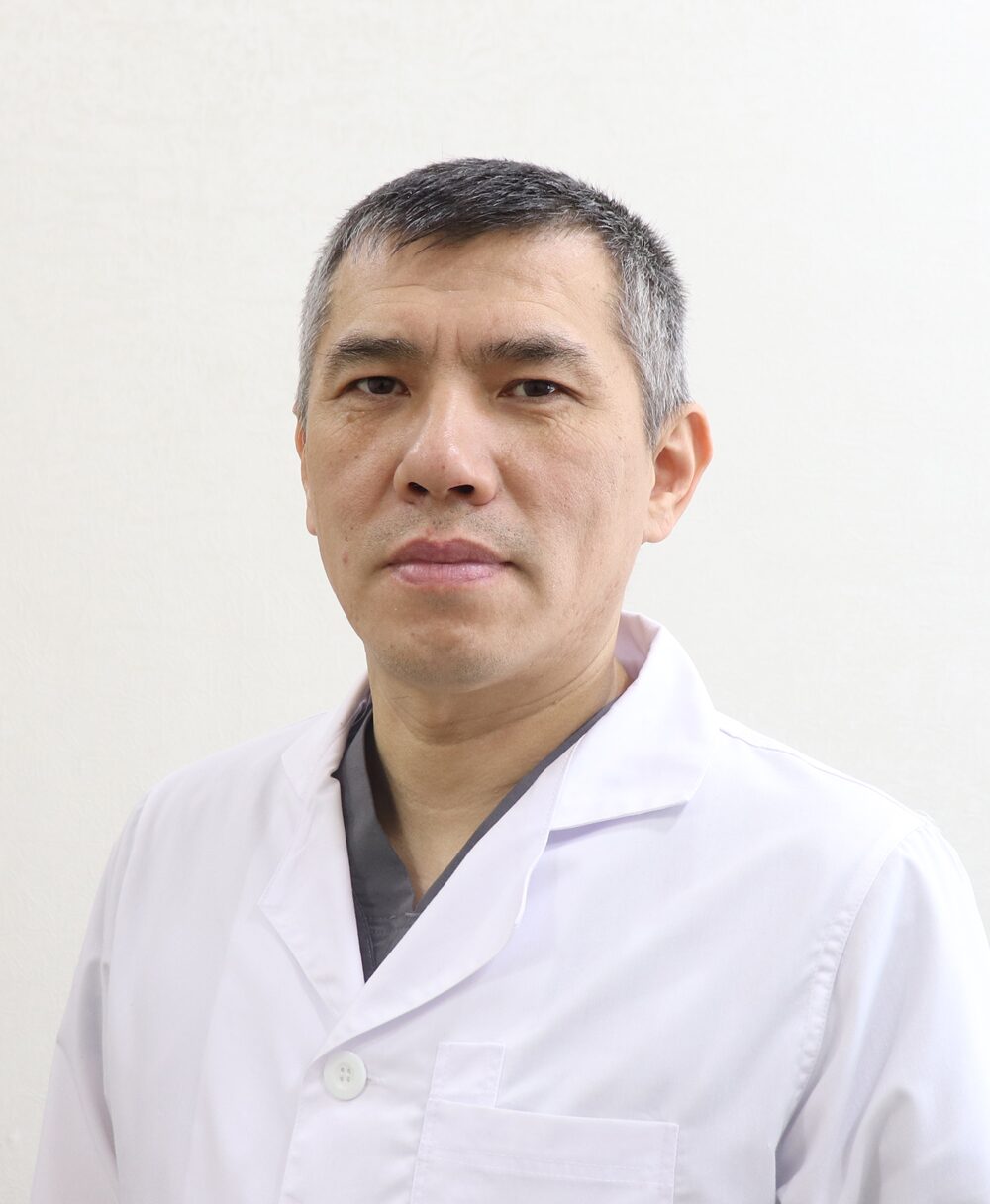
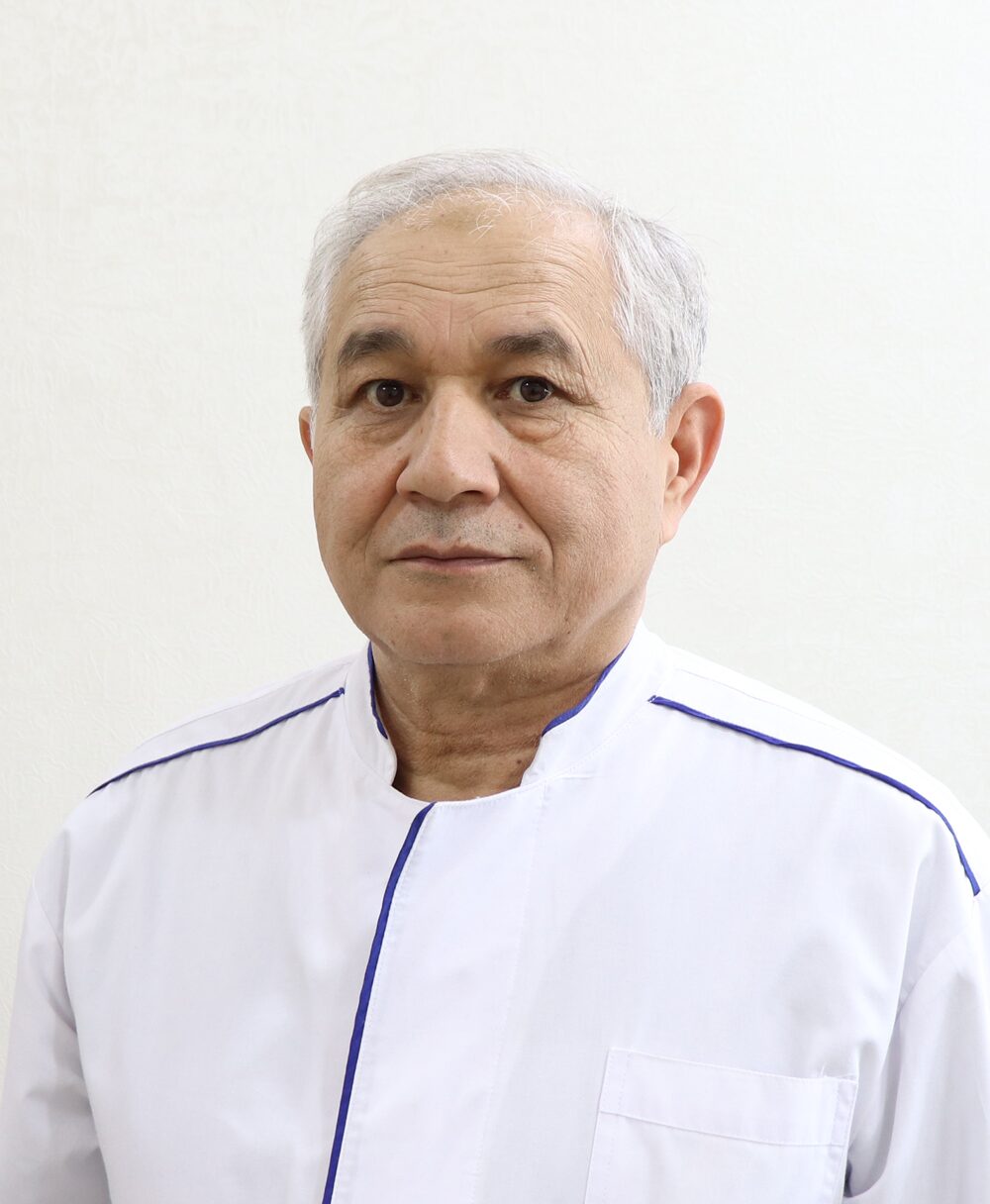
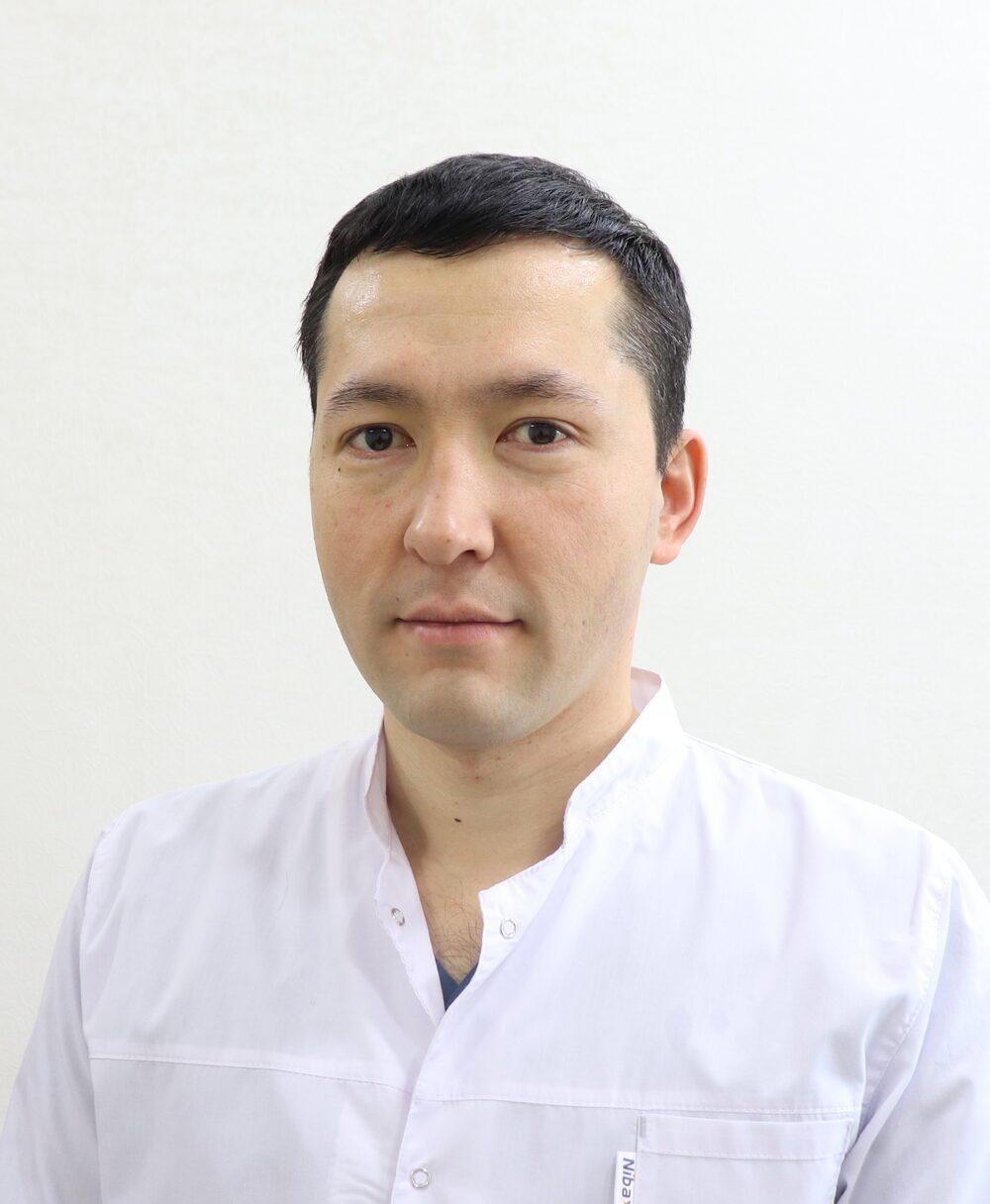
The preparation plan is drawn up by the doctor who will perform the operation. Our surgeons, gynaecologists and urologists:



Is robotic surgery right for you?
Book an appointment with a surgeon and bring your test results: the doctor will compare the options and recommend the safest one for you.
Call now — +998 71 210-30-30Contacts
Address: 7A/3 Nurafshon street, Tashkent
Phone: +998 71 210-30-30 · WhatsApp: +998 95 662-30-30
Opening hours: Monday–Saturday, 09:00–18:00
E-mail: