


Useful articles

Uterine Fibroids: Robotic Surgery and Keeping the Uterus
Doctor's blog
sbdrmn
Direction: Robotic surgery · All services
Uterine fibroids (myomas) are benign growths of the muscle layer of the uterus, and they are very common. Many cause no symptoms and only need monitoring. Treatment becomes necessary when they cause heavy bleeding, pain, pressure on nearby organs or problems with getting pregnant. In this article we explain robotic removal of fibroids, the chance of keeping the uterus and what life is like after the operation.
When fibroids need surgery
Not every fibroid needs an operation. Small fibroids that cause no symptoms are usually monitored with an ultrasound scan once or twice a year. Surgery is considered when there is:
- heavy or prolonged menstrual bleeding leading to anaemia;
- persistent pain or heaviness in the lower abdomen;
- pressure on the bladder or bowel, causing frequent urination or constipation;
- infertility or recurrent miscarriage caused by the fibroids;
- rapid growth of a fibroid.
The choice of treatment depends on the number, size and position of the fibroids, the woman’s age and whether she plans to become pregnant.
Myomectomy and hysterectomy: the difference
Myomectomy removes only the fibroids and keeps the uterus. It is intended for women who plan a pregnancy or wish to keep their uterus.
Hysterectomy is removal of the uterus. It may be recommended when the fibroids are very numerous or large, when bleeding cannot be controlled by other means and when the woman no longer plans to have children. In many cases the ovaries are kept, which helps preserve hormonal balance.
Small fibroids that grow into the cavity of the uterus (submucous fibroids) are often removed with no incision at all, by hysteroscopy. Robotic surgery is used for fibroids within the wall of the uterus or on its outer surface.
The advantages of robotic surgery
In a robotic operation the surgeon makes several small ports in the abdomen instead of one large incision. Sitting at a console, the surgeon controls the instruments held by the robot’s arms. Every movement is made by the surgeon, and the robot increases its precision.
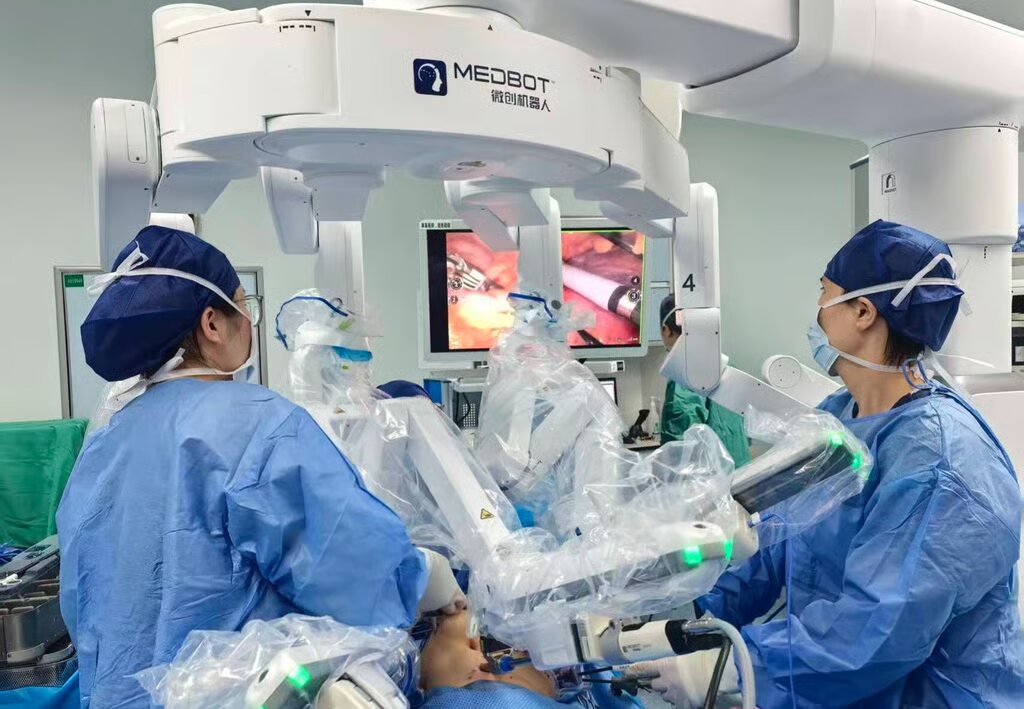
The most important step of a myomectomy is repairing the wall of the uterus in layers after the fibroid is removed, because the strength of the uterus in a future pregnancy depends on it. The robot’s wristed instruments and magnified 3D view make this suturing easier than with conventional laparoscopy. As a result, the robot widens the range of fibroids, including multiple or deep ones, that can be removed by minimally invasive surgery.
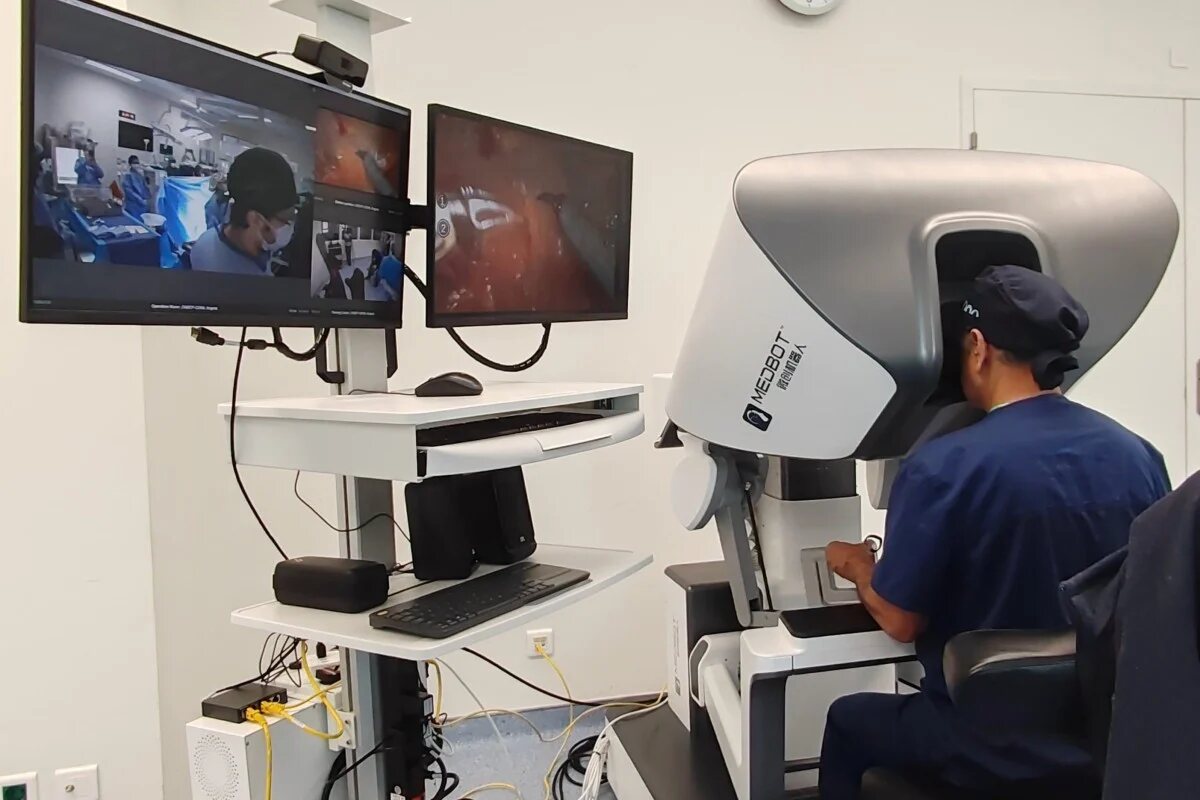
Compared with open surgery, patients usually lose less blood, have less pain, spend less time in hospital and return to everyday life sooner. The scars are small.
Preparing for the operation
- a gynaecological consultation and a pelvic ultrasound scan, with MRI if needed;
- a full blood count to check for anaemia, a coagulation profile and infection screening;
- a cervical smear (cytology);
- an ECG and assessment by an internist and an anaesthetist.
If you have significant anaemia, you may be advised to treat it before the operation, which makes surgery safer.
Recovery after the operation
Most patients are up and walking on the evening of the operation or the next day, and the hospital stay usually lasts a few days. Many women return to light work after two to four weeks. Your doctor will tell you when you can lift heavy objects, resume sexual activity and return to sport; after a hysterectomy this is usually around six weeks.
Pregnancy after myomectomy
Women who keep their uterus can become pregnant, but the repair in the uterine wall needs time to strengthen. Doctors usually advise waiting several months, often 6–12, before trying to conceive. Your gynaecologist will set the exact interval based on the extent of surgery. Monitoring during pregnancy is important, and a caesarean delivery is sometimes recommended.
Frequently asked questions
Can fibroids come back?
New fibroids can develop after a myomectomy, so regular check-ups with a gynaecologist and ultrasound scans are recommended. After a hysterectomy fibroids cannot return.
Is robotic surgery suitable for everyone?
No. Depending on the size and number of fibroids, previous operations and general health, your gynaecologist will choose robotic, laparoscopic, hysteroscopic or open surgery.
How much does the operation cost?
The cost depends on the extent of the operation. You can find out the exact price after a gynaecological consultation by calling +998 71 210-30-30.
More about robotic surgery:
- Robotic Surgery in Tashkent — all directions
- Robotic Surgery in Tashkent: the MedBot Toumai System
- Is Robotic Surgery Safe? 10 Questions
- Robotic Surgery vs Laparoscopy: What Is the Difference
- Preparing for Robotic Surgery: Step by Step
- Recovery After Robotic Surgery
- Bladder Cancer: Robotic Cystectomy
- Hernia: Robotic Repair
- Gallbladder: Robotic Cholecystectomy
- Who Is Not Suitable for Robotic Surgery
- Uterine and Cervical Cancer: Robotic Surgery
- Large Prostate Adenoma: TURP or Robotic Surgery
- Varicocele Surgery: Marmar or Robotic
- Kidney Removal: Robotic Nephrectomy
- Ectopic Pregnancy: Tube-Sparing Robotic Surgery
- Female Urinary Incontinence: TVT or Robotic Surgery
- Uterus Removal: Robotic Hysterectomy
- Hiatal Hernia and Reflux: Robotic Fundoplication
- Liver Tumour: Robotic Liver Resection
- Pancreatic Tumour: Robotic Resection
- Obesity Surgery: Robotic Sleeve Gastrectomy
- Diastasis Recti: Robotic Repair
- Colon Cancer: Robotic Hemicolectomy
- Anaesthesia and Pain Control in Robotic Surgery
- Pregnancy After Robotic Myomectomy
- Robotic Prostatectomy
- Kidney Tumour: Robotic Partial Nephrectomy
- Colorectal Cancer: Robotic Surgery
- Endometriosis and Ovarian Cysts: Robotic Surgery
- What Is Telesurgery?
- Robotic Surgery in Older Adults
- Stomach Cancer: Robotic Gastrectomy
- Hydronephrosis: Robotic Pyeloplasty
- Pelvic Organ Prolapse: Robotic Sacrocolpopexy
- Adrenal Tumour: Robotic Adrenalectomy
Doctors for consultation
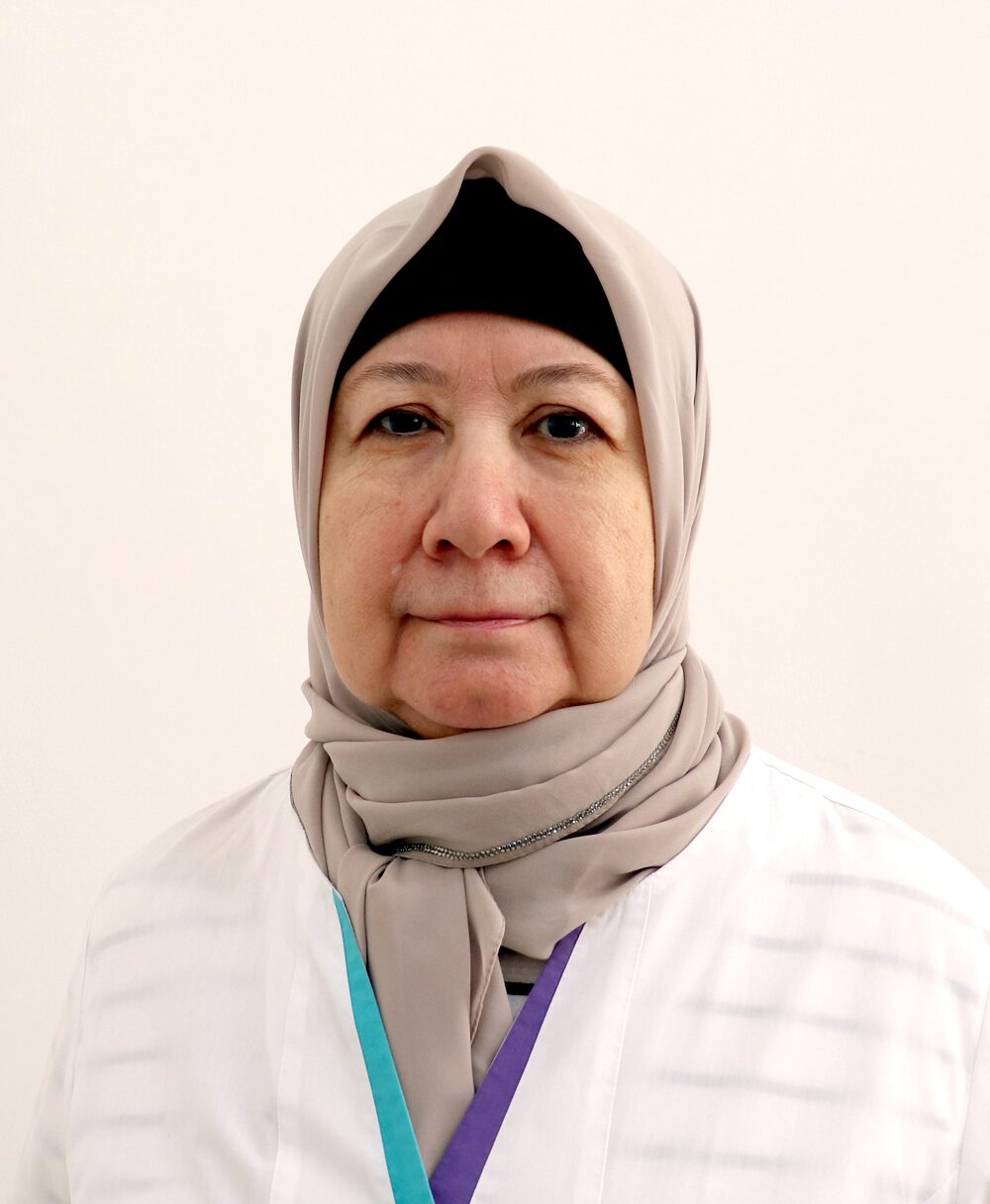
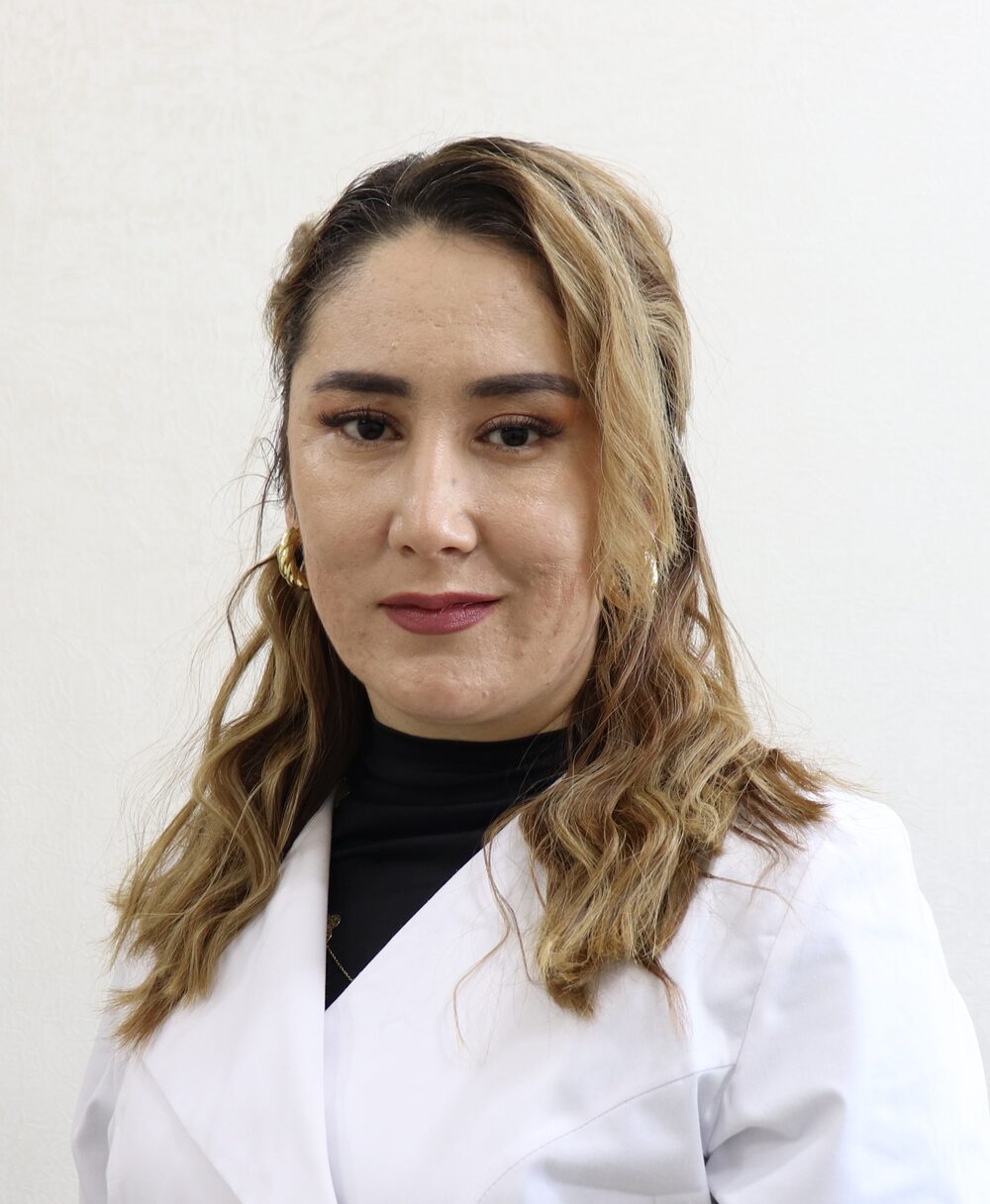
Your gynaecologist will choose the extent and approach of surgery with you after an examination. Our doctors for consultation:
Is robotic surgery right for you?
Book an appointment with a surgeon and bring your test results: the doctor will compare the options and recommend the safest one for you.
Call now — +998 71 210-30-30Contacts
Address: 7A/3 Nurafshon street, Tashkent
Phone: +998 71 210-30-30 · WhatsApp: +998 95 662-30-30
Opening hours: Monday–Saturday, 09:00–18:00
E-mail: