


Useful articles

What Is Telesurgery? How Robots Make Remote Operations Possible
Doctor's blog
sbdrmn
Direction: Robotic surgery · All services
Imagine a patient lying in an operating theatre in Tashkent while the surgeon operating on them sits in another city, or even on another continent. This is not science fiction: such operations are called telesurgery, or remote surgery, and they have become possible thanks to surgical robots. Below we explain how it works, how safe it is and where it is used today.
How telesurgery works
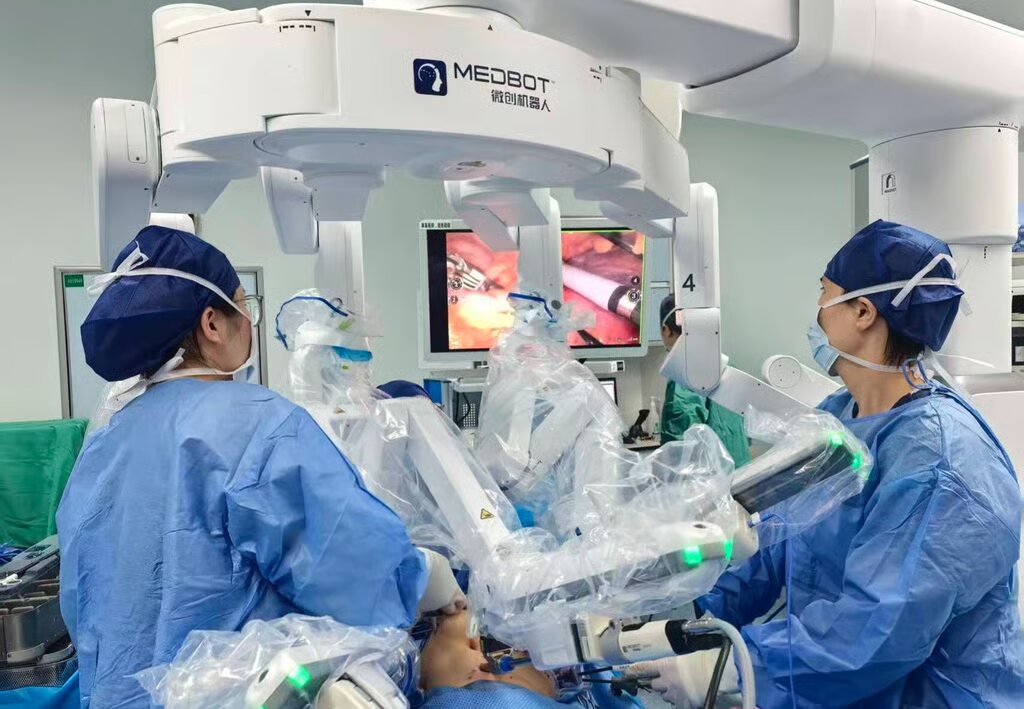
In robotic surgery the surgeon does not touch the patient directly. They sit at a console and control the robot’s arms with hand controllers. Normally the console and the robot are in the same operating theatre. In telesurgery the console is somewhere else, and the surgeon’s movements and the video from inside the patient travel over a high-speed communication link.
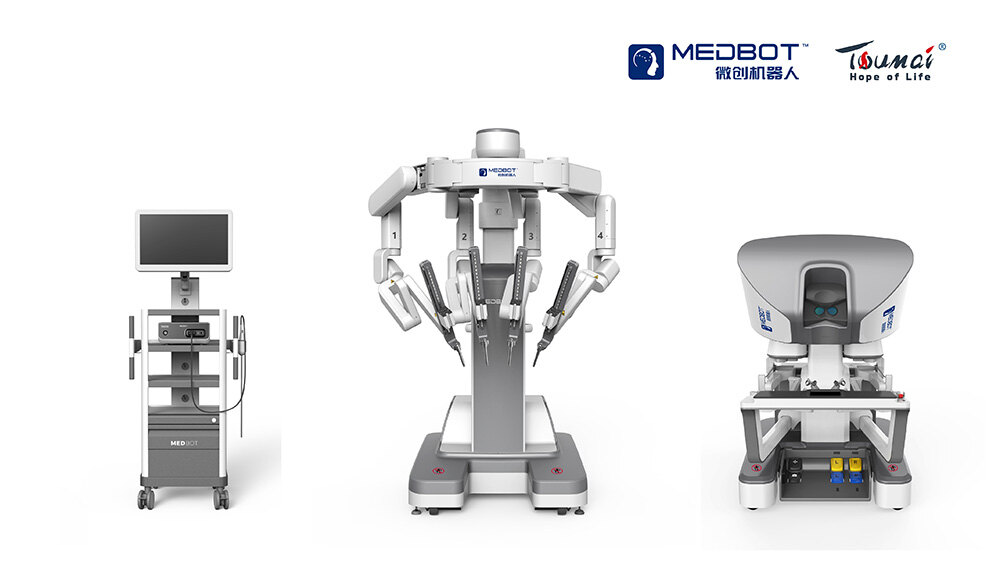
The most important requirement is very low signal delay. The robot must respond to the surgeon’s movements instantly, and the image must arrive without lag. That is why telesurgery relies on reliable high-speed networks, such as fibre-optic lines or 5G, with backup connections.
A short history
The first well-known transatlantic operation took place in 2001, when a surgeon in New York removed the gallbladder of a patient in Strasbourg, France. At the time it required a dedicated communication line, and the technique did not spread widely.
In recent years the technology has advanced quickly. According to the manufacturer, in April 2025 MicroPort’s Toumai robot became the world’s first surgical robot to receive commercial approval for remote operations. In June 2025 a surgeon in Orlando, USA, used Toumai to operate on the prostate of a patient in Luanda, Angola, about 17,000 km away.
Is it safe?
Remote operations follow strict rules:
- a full team always stays at the patient’s side, including a surgeon, an anaesthetist and a scrub nurse;
- if the connection drops, the robot stops moving immediately and the surgeon on site takes over;
- the connection is tested before surgery and backup links are prepared;
- such operations require special approval and the patient’s consent.
Who benefits from telesurgery
The main benefit is that distance stops being a barrier to expertise. When a complex operation needs the help of a specialist, the patient may not have to travel far. Today the most widely used form is telementoring, in which an experienced surgeon watches an operation remotely and advises the local surgeon. This speeds up the adoption of new techniques.
The limitations of telesurgery
The technology is promising, but it is not yet used everywhere, for several reasons:
- it needs an extremely reliable, fast connection with backup lines;
- each country requires separate legal approval and rules for remote operations;
- the equipment and communication infrastructure are expensive;
- the surgeon still has to assess the patient before surgery and arrange follow-up afterwards.
For these reasons, telesurgery today takes place mainly within pilot and research projects and in specialised centres. For an ordinary patient, the main benefit for now lies in robotic surgery itself: small incisions, less pain and faster recovery.
Saba Darmon and robotic surgery
Saba Darmon clinic has installed the MedBot Toumai surgical robot. In robotic operations at the clinic, the surgeon works at the console in the same operating theatre as the patient. The partnership with MicroPort MedBot includes training of local specialists, which opens the way to international exchange of experience in the future.
For patients, the practical message is simple: robotic surgery is already available in Tashkent, and the decision about the right approach is made by your surgeon after examination.
Frequently asked questions
Does the robot work on its own in a remote operation?
No. Every movement is controlled by the surgeon; they are simply in a different place. The robot makes no decisions of its own.
What is telementoring?
It is a simpler form of telesurgery: an experienced surgeon in another location watches the operation on video and advises the local surgeon in real time, while the local surgeon controls the robot. It is widely used when surgeons are learning new procedures.
What happens if the internet connection is lost?
The robot’s instruments stop where they are, and the surgeon at the patient’s side continues the operation. A plan for this is prepared in advance.
How can I book a robotic operation?
Book an appointment with a surgeon and bring your test results. Call +998 71 210-30-30.
More about robotic surgery:
- Robotic Surgery in Tashkent — all directions
- Robotic Surgery in Tashkent: the MedBot Toumai System
- Is Robotic Surgery Safe? 10 Questions
- Robotic Surgery vs Laparoscopy: What Is the Difference
- Preparing for Robotic Surgery: Step by Step
- Recovery After Robotic Surgery
- Bladder Cancer: Robotic Cystectomy
- Hernia: Robotic Repair
- Gallbladder: Robotic Cholecystectomy
- Who Is Not Suitable for Robotic Surgery
- Uterine and Cervical Cancer: Robotic Surgery
- Large Prostate Adenoma: TURP or Robotic Surgery
- Varicocele Surgery: Marmar or Robotic
- Kidney Removal: Robotic Nephrectomy
- Ectopic Pregnancy: Tube-Sparing Robotic Surgery
- Female Urinary Incontinence: TVT or Robotic Surgery
- Uterus Removal: Robotic Hysterectomy
- Hiatal Hernia and Reflux: Robotic Fundoplication
- Liver Tumour: Robotic Liver Resection
- Pancreatic Tumour: Robotic Resection
- Obesity Surgery: Robotic Sleeve Gastrectomy
- Diastasis Recti: Robotic Repair
- Colon Cancer: Robotic Hemicolectomy
- Anaesthesia and Pain Control in Robotic Surgery
- Pregnancy After Robotic Myomectomy
- Robotic Prostatectomy
- Kidney Tumour: Robotic Partial Nephrectomy
- Colorectal Cancer: Robotic Surgery
- Uterine Fibroids: Robotic Surgery
- Endometriosis and Ovarian Cysts: Robotic Surgery
- Robotic Surgery in Older Adults
- Stomach Cancer: Robotic Gastrectomy
- Hydronephrosis: Robotic Pyeloplasty
- Pelvic Organ Prolapse: Robotic Sacrocolpopexy
- Adrenal Tumour: Robotic Adrenalectomy
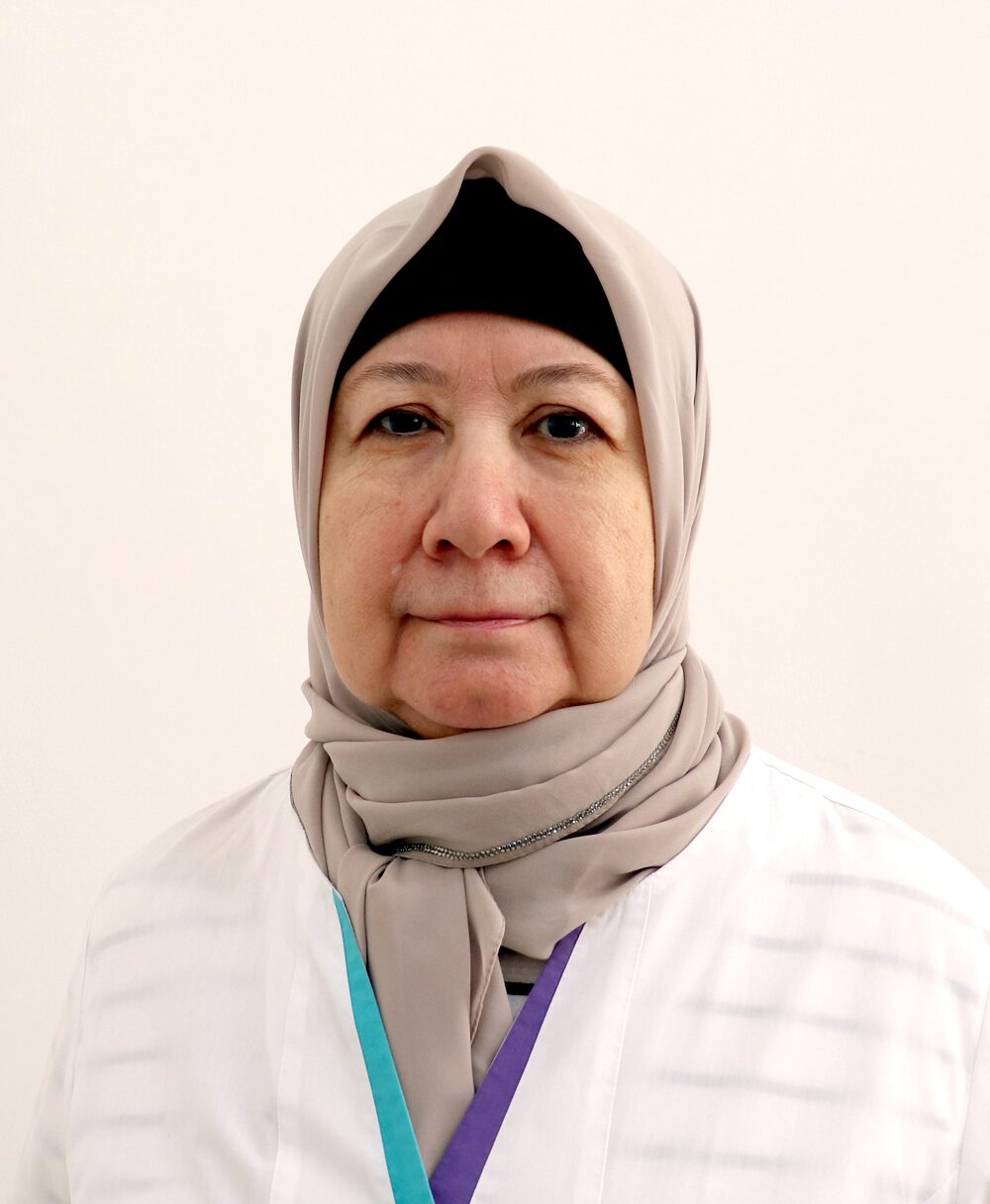
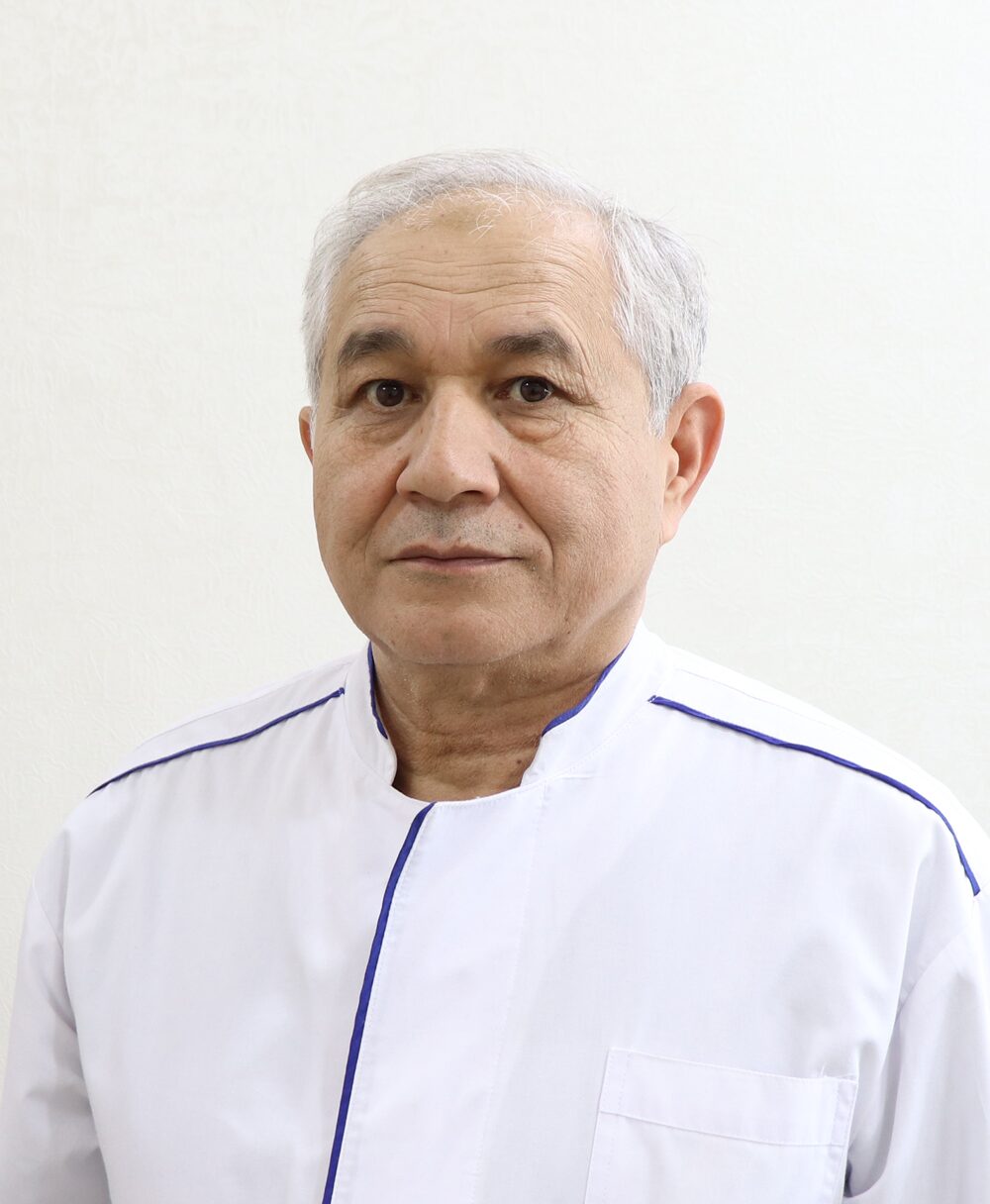
Doctors for consultation
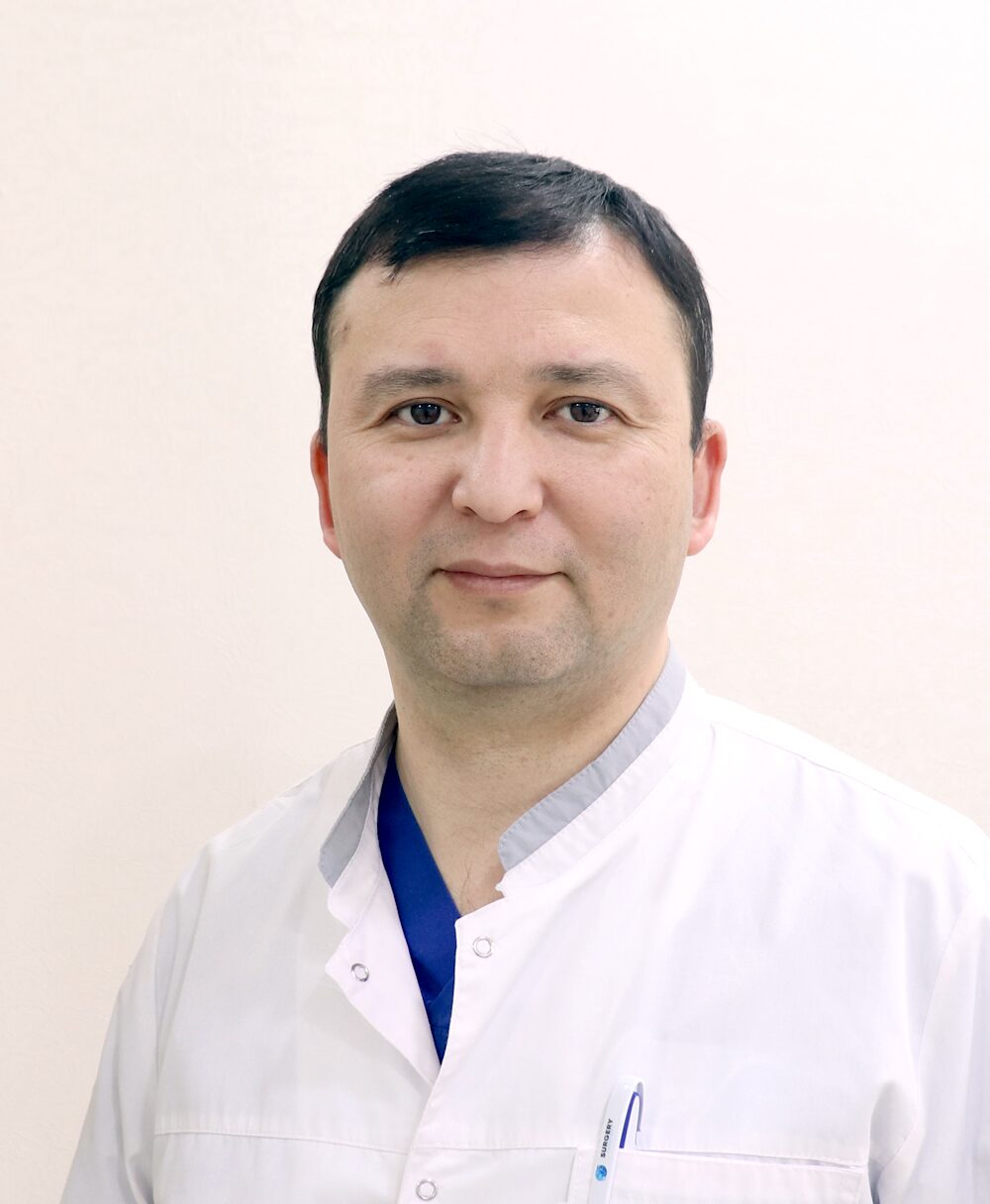
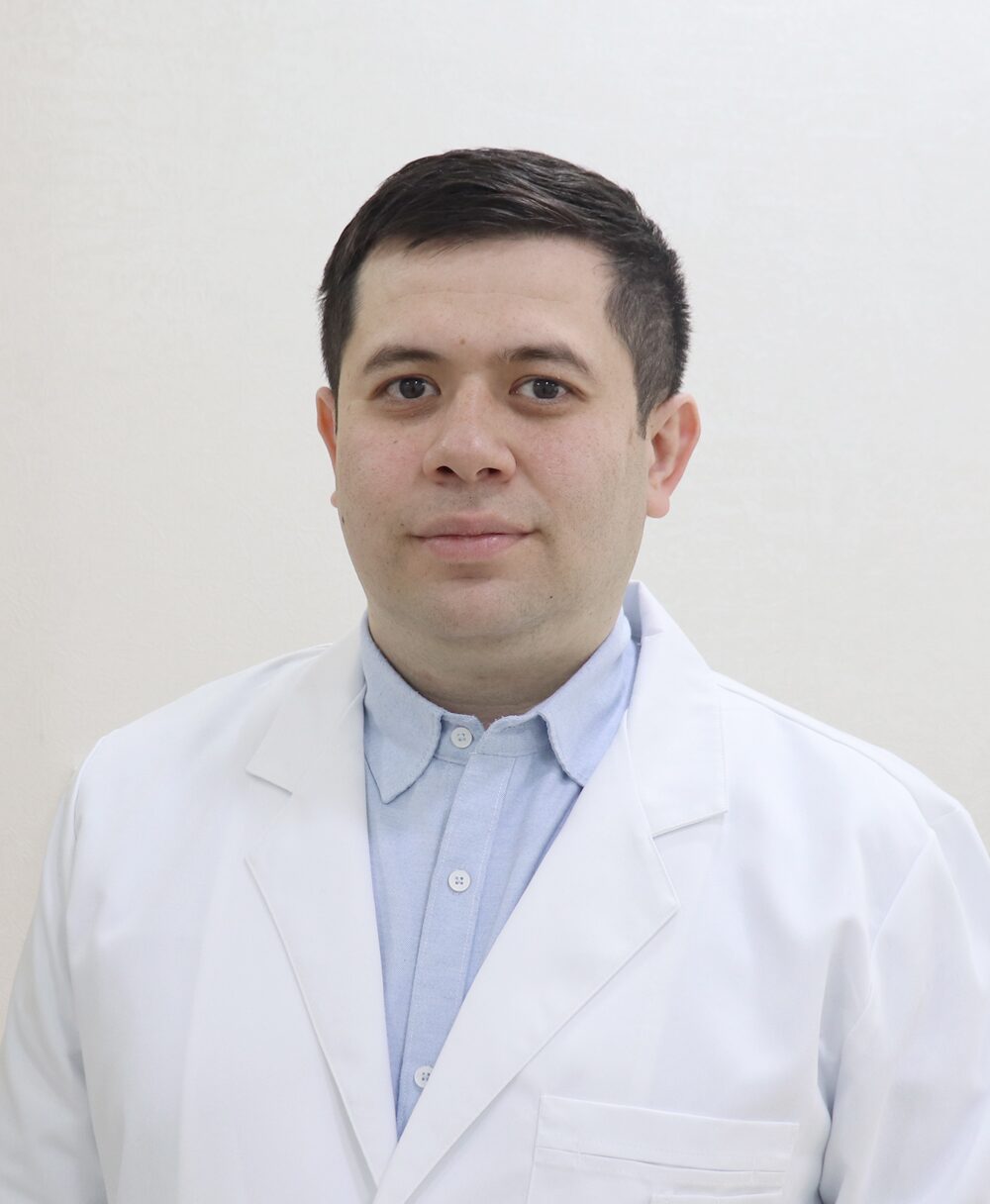
To find out whether robotic surgery suits you, book a surgeon with your test results. Our doctors for consultation:
Is robotic surgery right for you?
Book an appointment with a surgeon and bring your test results: the doctor will compare the options and recommend the safest one for you.
Call now — +998 71 210-30-30Contacts
Address: 7A/3 Nurafshon street, Tashkent
Phone: +998 71 210-30-30 · WhatsApp: +998 95 662-30-30
Opening hours: Monday–Saturday, 09:00–18:00
E-mail: