


Useful articles
Recovery After Robotic Surgery: a Day-by-Day Guide and Practical Tips
Doctor's blog
sbdrmn
Direction: Robotic surgery · All services
One of the main benefits of robotic surgery is a faster recovery. With no large incision, there is less pain, patients get up sooner and return to everyday life more quickly. That does not mean you can ignore the recovery period, however. In this article we explain day by day what happens after the operation, how to look after yourself at home and when you should contact a doctor straight away.
The day of surgery: waking up from anaesthesia
After the operation the patient is moved to a recovery or intensive care room, where blood pressure, pulse, breathing and oxygen levels are monitored continuously. Some drowsiness, nausea or a sore throat after anaesthesia is common and usually passes within a few hours.
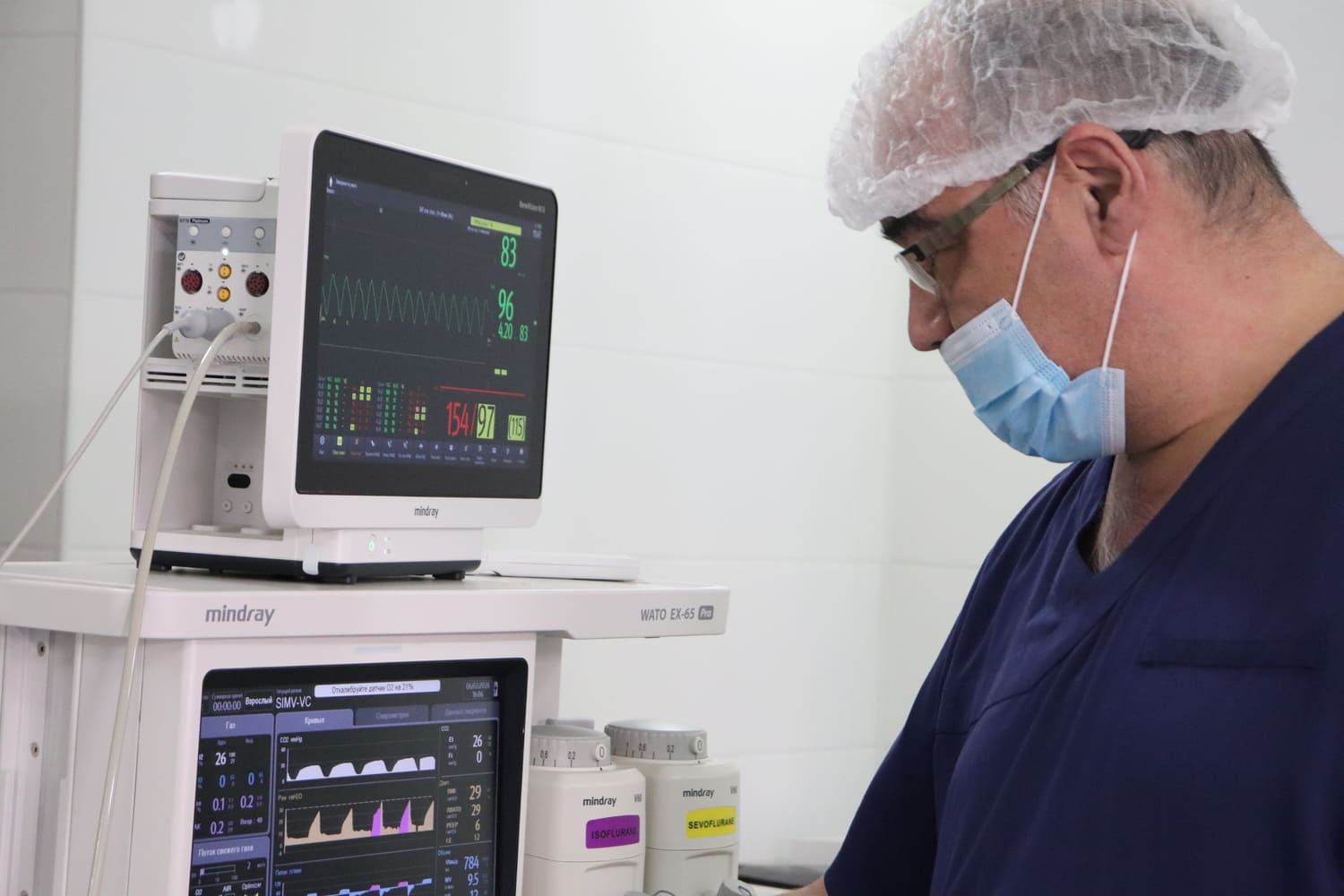
Once the doctor allows it, you can start drinking water a few hours later. You will often be encouraged to get out of bed and take a few steps with a nurse’s help on the same day. Moving early improves circulation and lowers the risk of blood clots and chest complications.
The first days in hospital
| When | What usually happens |
|---|---|
| Day of surgery | Monitoring, sips of water, first steps |
| Day 1 | Walking, light liquid diet, painkillers, wound check |
| Days 2–3 | More walking, return to normal food, removal of any drain or catheter |
| Discharge | Depends on the operation, often after a few days |
Exact timings depend on the type of operation. After prostate surgery, for example, the catheter usually stays in for one to two weeks and you go home with it. Your doctor will show you how to look after it.
Pain, including shoulder pain
Moderate pain around the small wounds is normal and is usually well controlled with standard painkillers. Many patients are surprised to feel pain in the shoulder or neck. This is caused by leftover gas from the abdomen irritating the diaphragm. It is harmless and usually settles within one to three days. Walking and warm drinks help.
Caring for your wounds at home
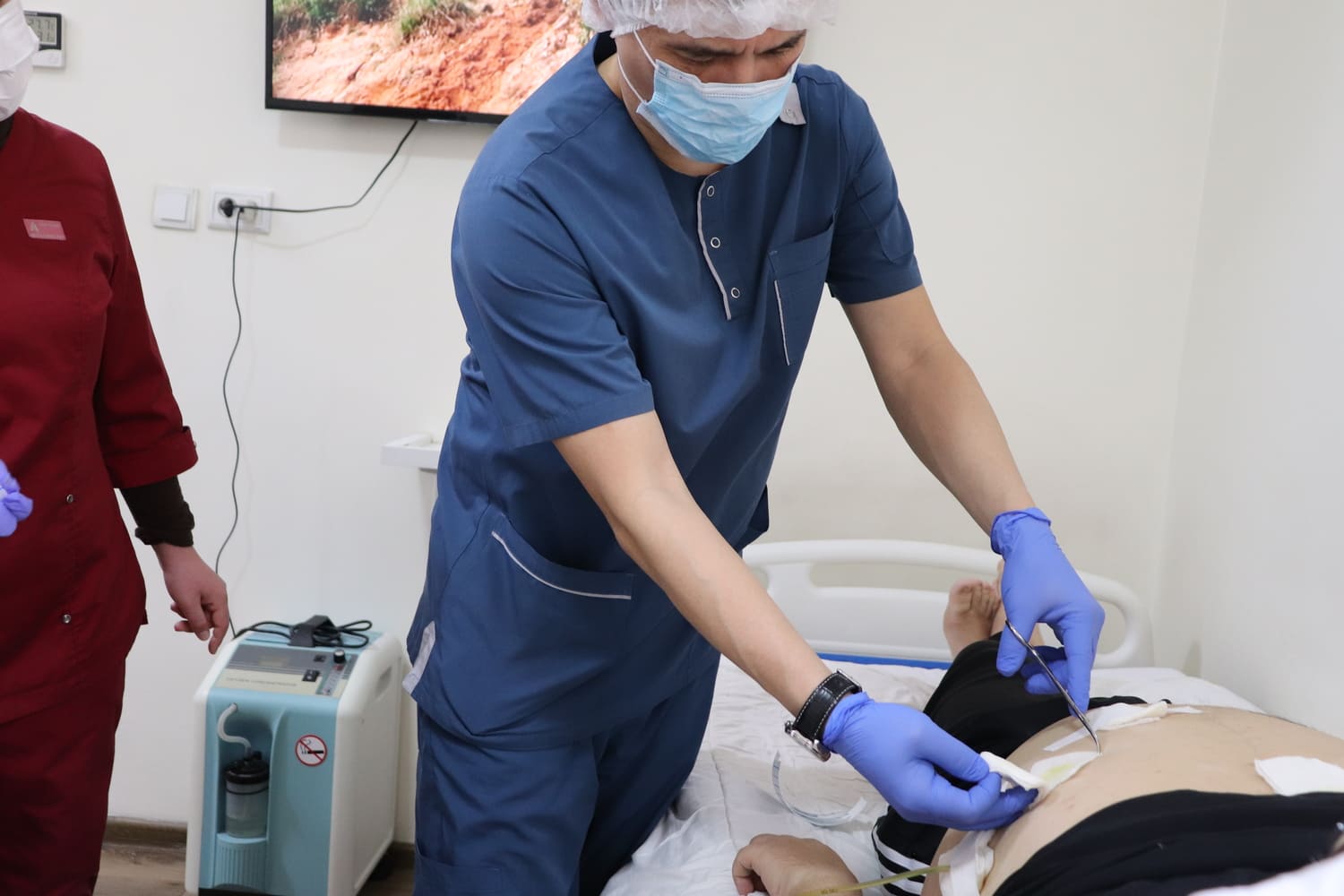
- change the dressing when your doctor advises, or come in to have it changed;
- you can usually shower after one to two days; do not rub the wounds and pat them dry with a soft towel;
- avoid baths, swimming pools and saunas until the wounds have fully healed;
- if stitches need removing, this is usually done after 7–10 days.
Diet and bowel function
Light food is best in the first days: broth, porridge, yoghurt and cooked vegetables. Drink plenty of fluids. Anaesthesia, painkillers and reduced activity often cause constipation, so walking, fibre-rich food and enough water are important. If needed, your doctor will recommend a gentle laxative. Straining can put stress on the wounds.
Work, driving, sport and lifting
| Activity | Usually from |
|---|---|
| Walking at home and short walks outside | From the first days, increasing daily |
| Office work | 1–3 weeks |
| Driving | Once you are off strong painkillers and can brake hard without pain |
| Lifting more than 5 kg | Usually after 4–6 weeks |
| Sport and heavy physical work | After your doctor’s approval, often 4–6 weeks |
These are approximate timings. Recovery after major cancer operations can take longer, so your surgeon will give you a personal plan.
When to contact a doctor straight away
Do not wait if you notice: a temperature above 38 °C; pain that gets worse instead of better; redness or swelling of a wound, or pus or blood leaking from it; swelling and pain in the calf; shortness of breath or chest pain; vomiting with no passing of wind; a lot of blood in the urine or being unable to pass urine.
In any of these cases call the clinic on +998 71 210-30-30. If you become seriously unwell at night, call an ambulance.
Follow-up appointments
When you are discharged, your doctor will set a follow-up appointment, usually one to two weeks later. If tissue removed during the operation was sent for histology, the result will be discussed at this visit. We answer general questions about robotic surgery in our article “Is Robotic Surgery Safe? 10 Questions”.
More about robotic surgery:
- Robotic Surgery in Tashkent — all directions
- Robotic Surgery in Tashkent: the MedBot Toumai System
- Is Robotic Surgery Safe? 10 Questions
- Robotic Surgery vs Laparoscopy: What Is the Difference
- Preparing for Robotic Surgery: Step by Step
- Bladder Cancer: Robotic Cystectomy
- Hernia: Robotic Repair
- Gallbladder: Robotic Cholecystectomy
- Who Is Not Suitable for Robotic Surgery
- Uterine and Cervical Cancer: Robotic Surgery
- Large Prostate Adenoma: TURP or Robotic Surgery
- Varicocele Surgery: Marmar or Robotic
- Kidney Removal: Robotic Nephrectomy
- Ectopic Pregnancy: Tube-Sparing Robotic Surgery
- Female Urinary Incontinence: TVT or Robotic Surgery
- Uterus Removal: Robotic Hysterectomy
- Hiatal Hernia and Reflux: Robotic Fundoplication
- Liver Tumour: Robotic Liver Resection
- Pancreatic Tumour: Robotic Resection
- Obesity Surgery: Robotic Sleeve Gastrectomy
- Diastasis Recti: Robotic Repair
- Colon Cancer: Robotic Hemicolectomy
- Anaesthesia and Pain Control in Robotic Surgery
- Pregnancy After Robotic Myomectomy
- Robotic Prostatectomy
- Kidney Tumour: Robotic Partial Nephrectomy
- Colorectal Cancer: Robotic Surgery
- Uterine Fibroids: Robotic Surgery
- Endometriosis and Ovarian Cysts: Robotic Surgery
- What Is Telesurgery?
- Robotic Surgery in Older Adults
- Stomach Cancer: Robotic Gastrectomy
- Hydronephrosis: Robotic Pyeloplasty
- Pelvic Organ Prolapse: Robotic Sacrocolpopexy
- Adrenal Tumour: Robotic Adrenalectomy
Doctors for consultation
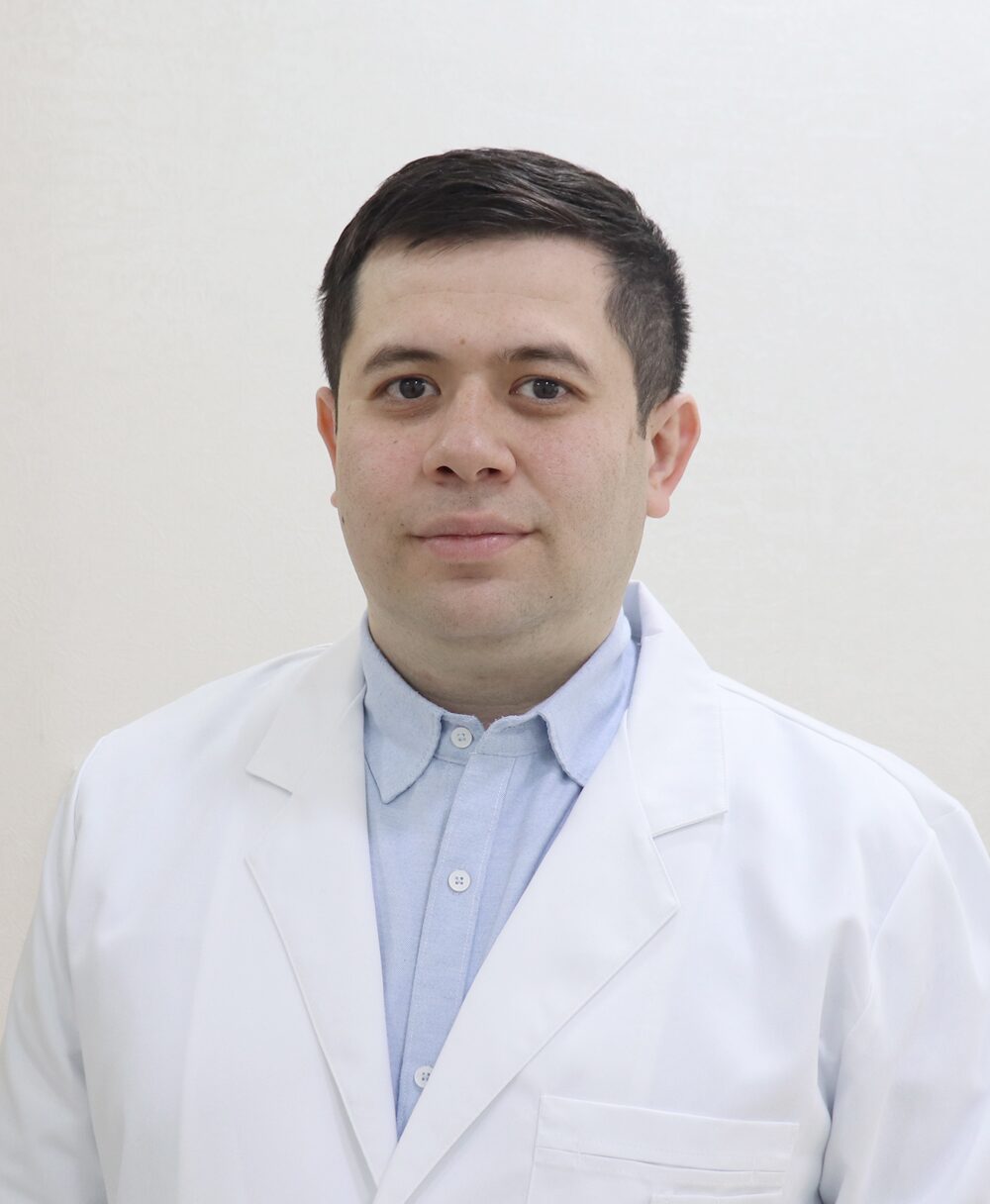
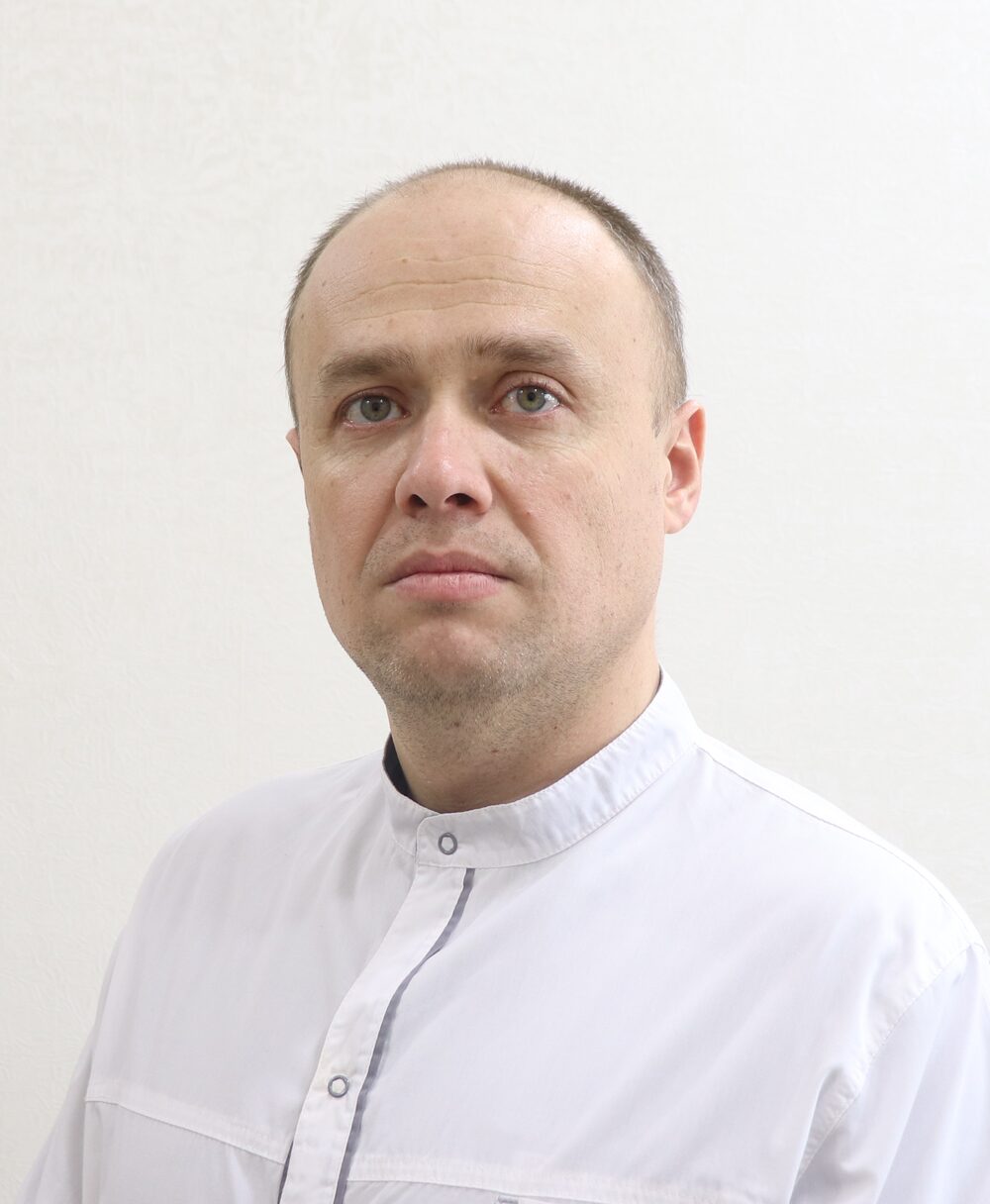
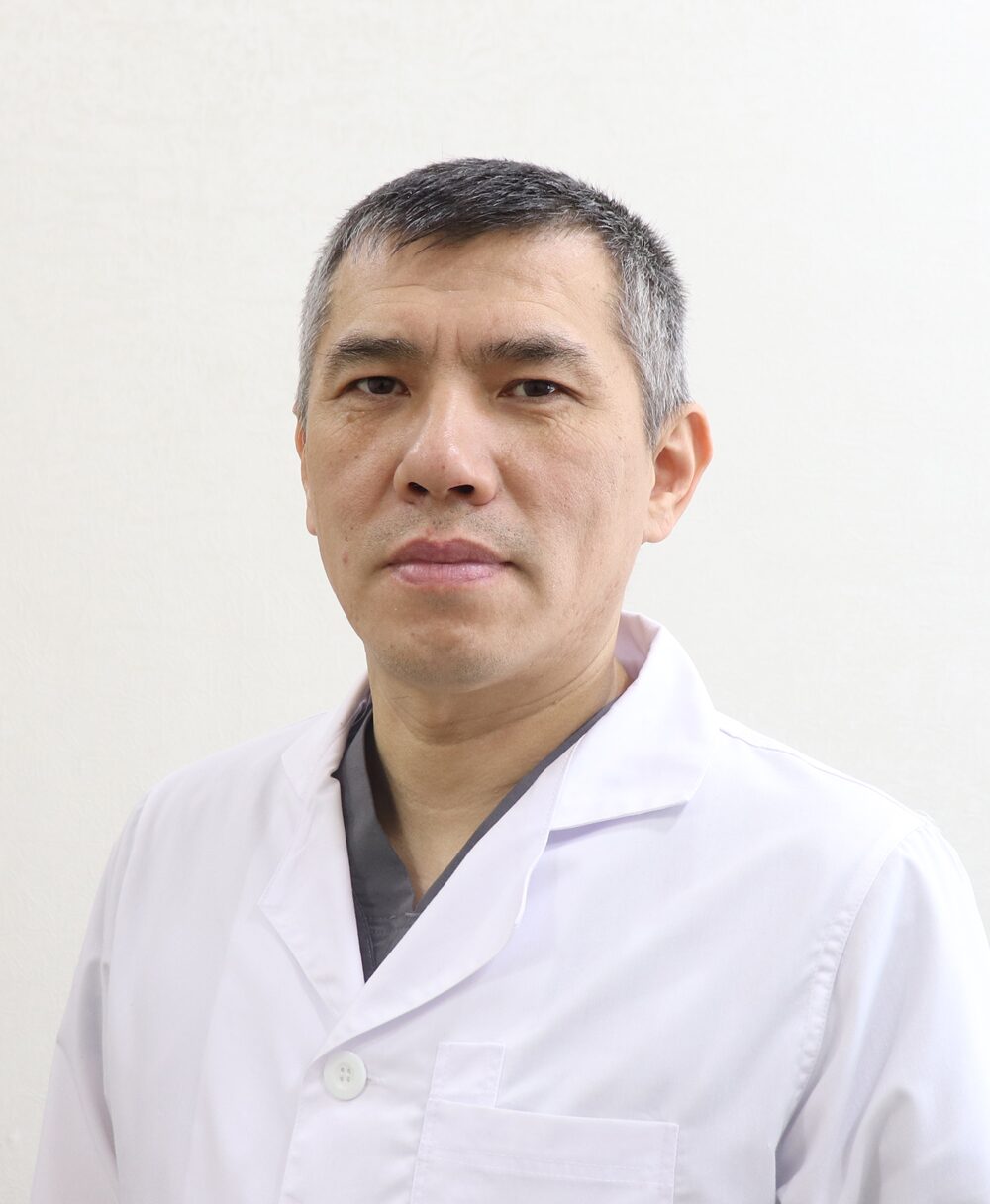
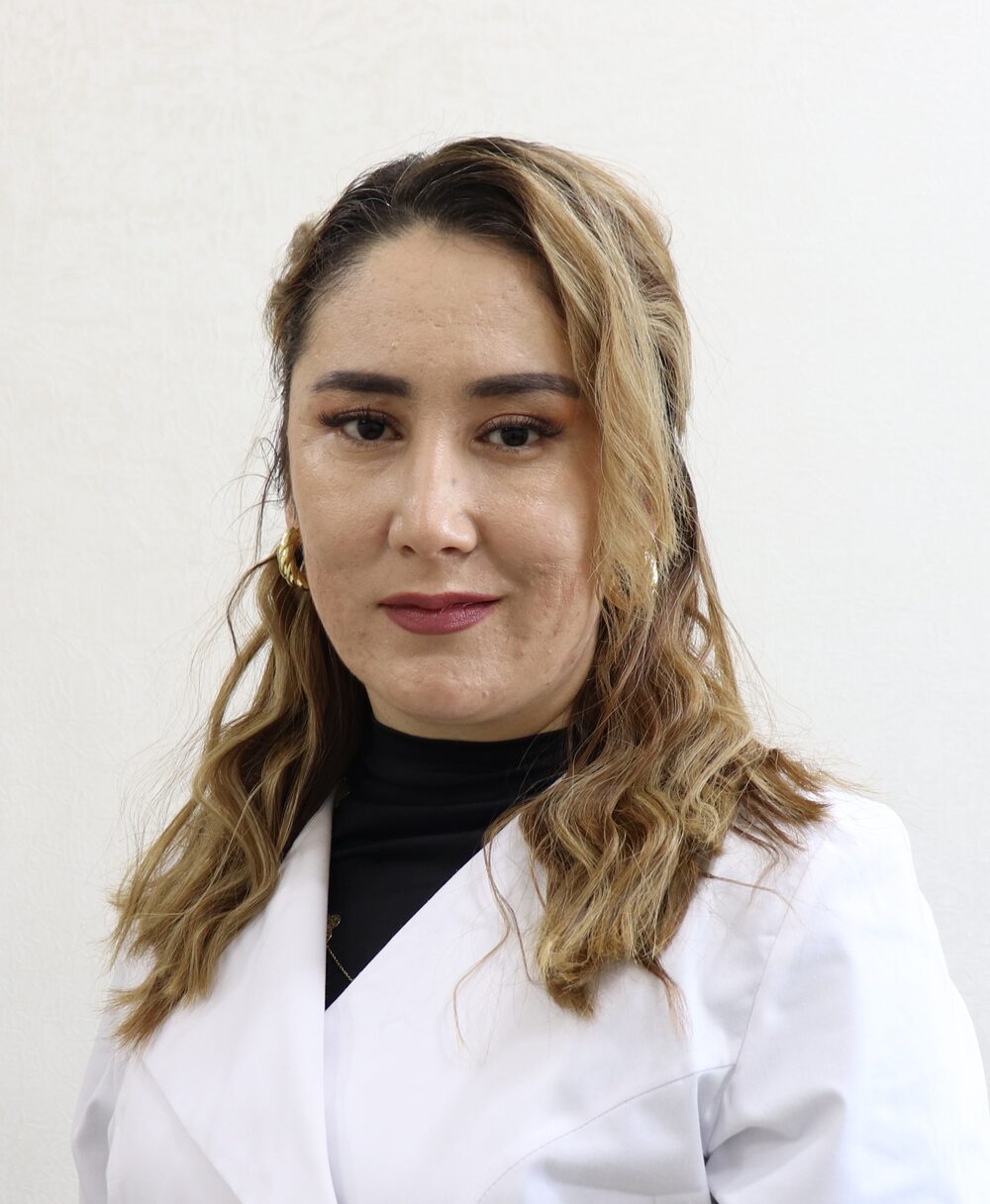
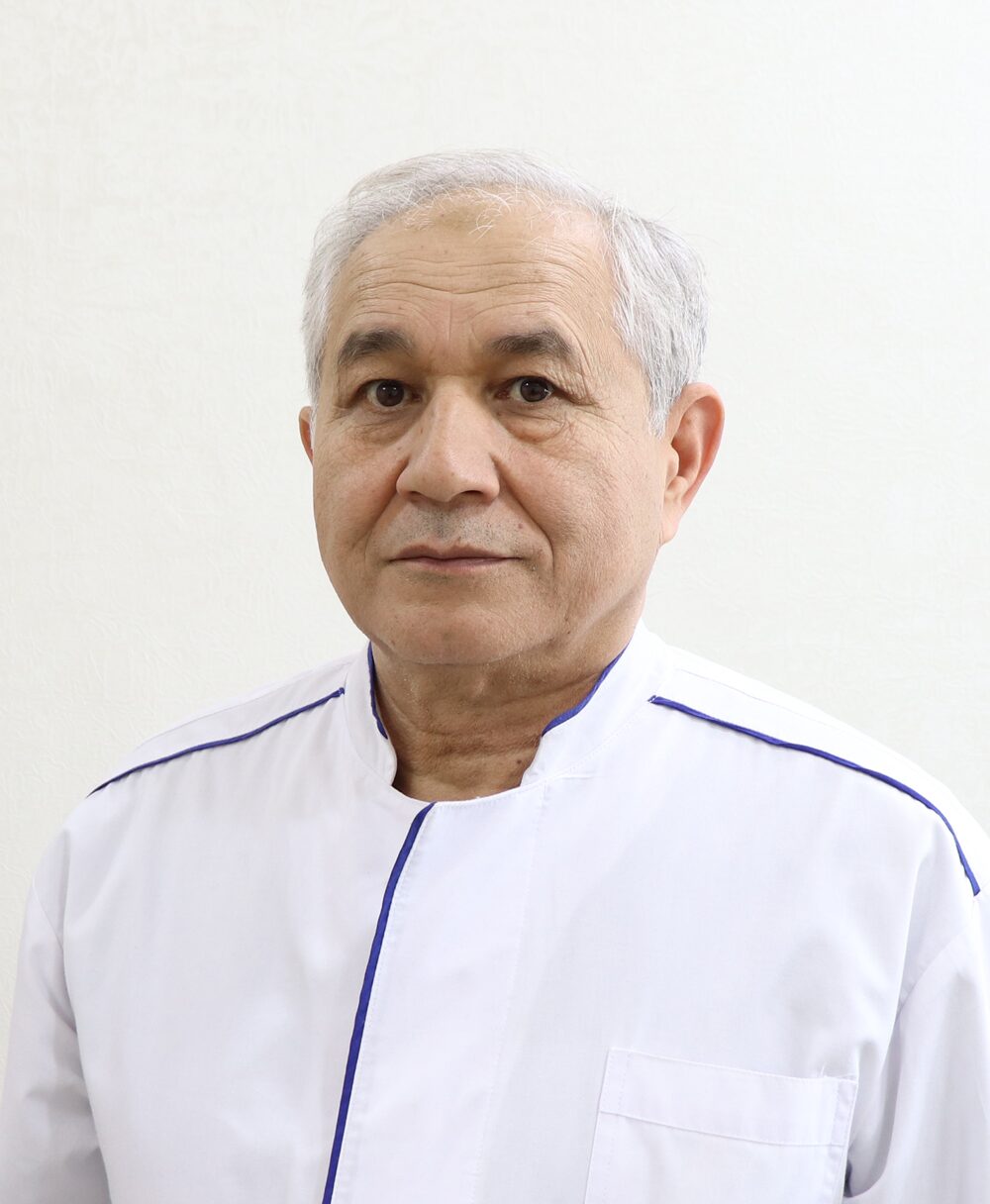
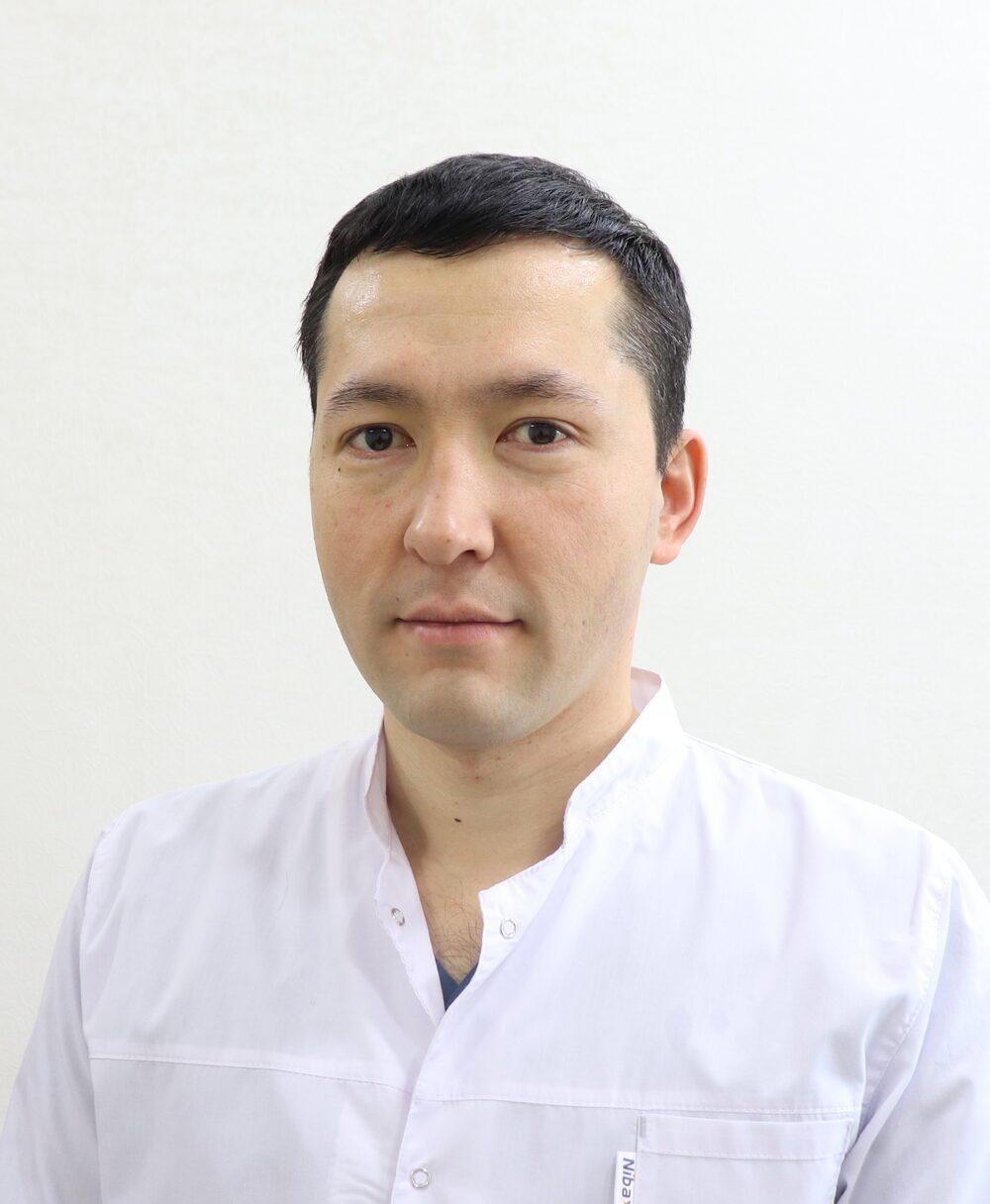
Robotic, laparoscopic or open — the surgeon chooses the approach after examination. Our surgeons, gynaecologists, urologists and ENT specialist:

Is robotic surgery right for you?
Book an appointment with a surgeon and bring your test results: the doctor will compare the options and recommend the safest one for you.
Call now — +998 71 210-30-30Contacts
Address: 7A/3 Nurafshon street, Tashkent
Phone: +998 71 210-30-30 · WhatsApp: +998 95 662-30-30
Opening hours: Monday–Saturday, 09:00–18:00
E-mail: