


Useful articles
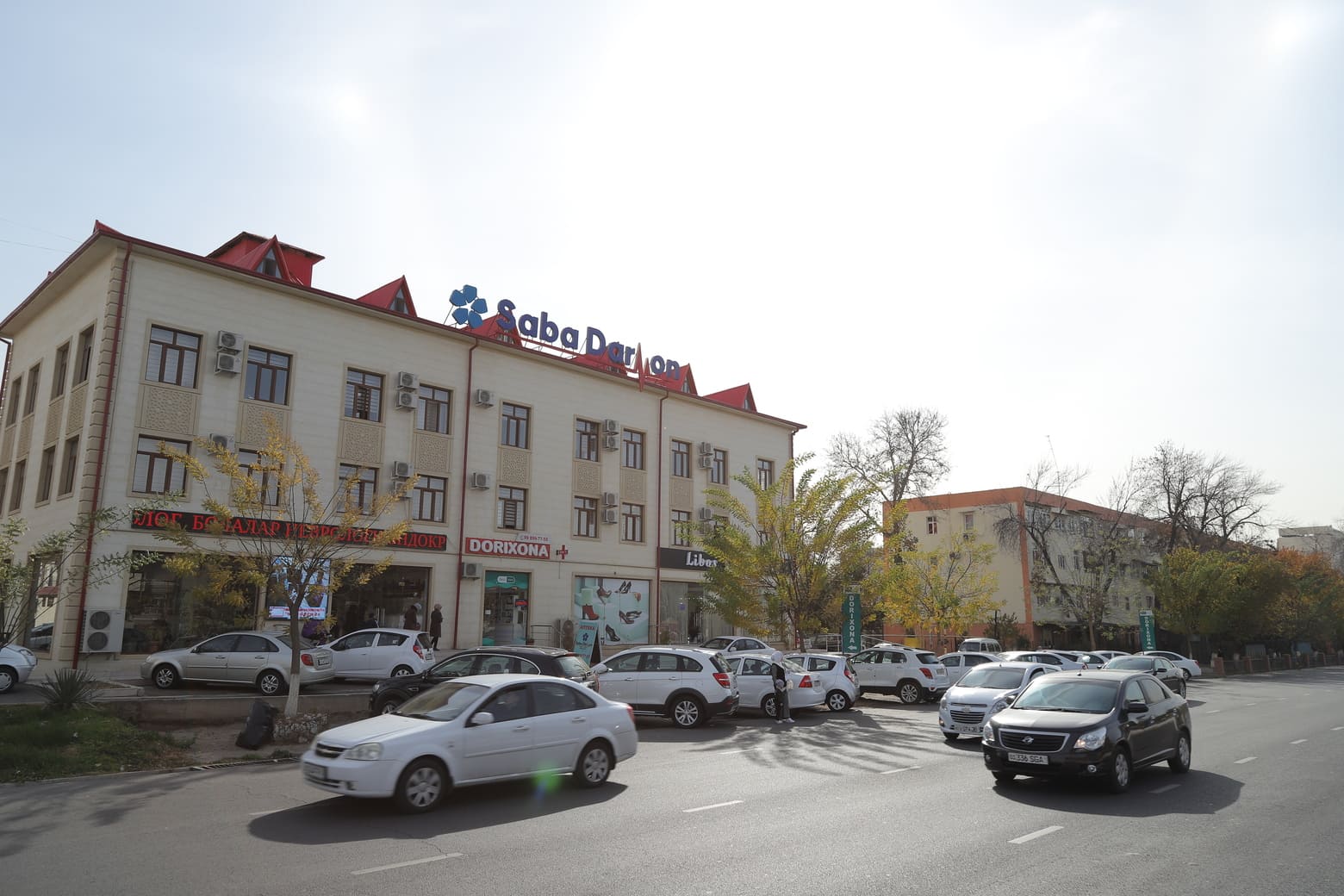
Robotic Surgery in Tashkent: the MedBot Toumai System at Saba Darmon Clinic
Doctor's blog
sbdrmn
Direction: Robotic surgery · All services
Robotic surgery is one of the fastest-growing fields in modern medicine, and it is now available in Tashkent. Saba Darmon multidisciplinary clinic has installed the Toumai laparoscopic surgical robot made by MicroPort MedBot of Shanghai. This article explains how the robot works, which operations it is used for, what it offers patients and how to prepare for a robot-assisted procedure.
What robotic surgery is and how it differs from conventional surgery
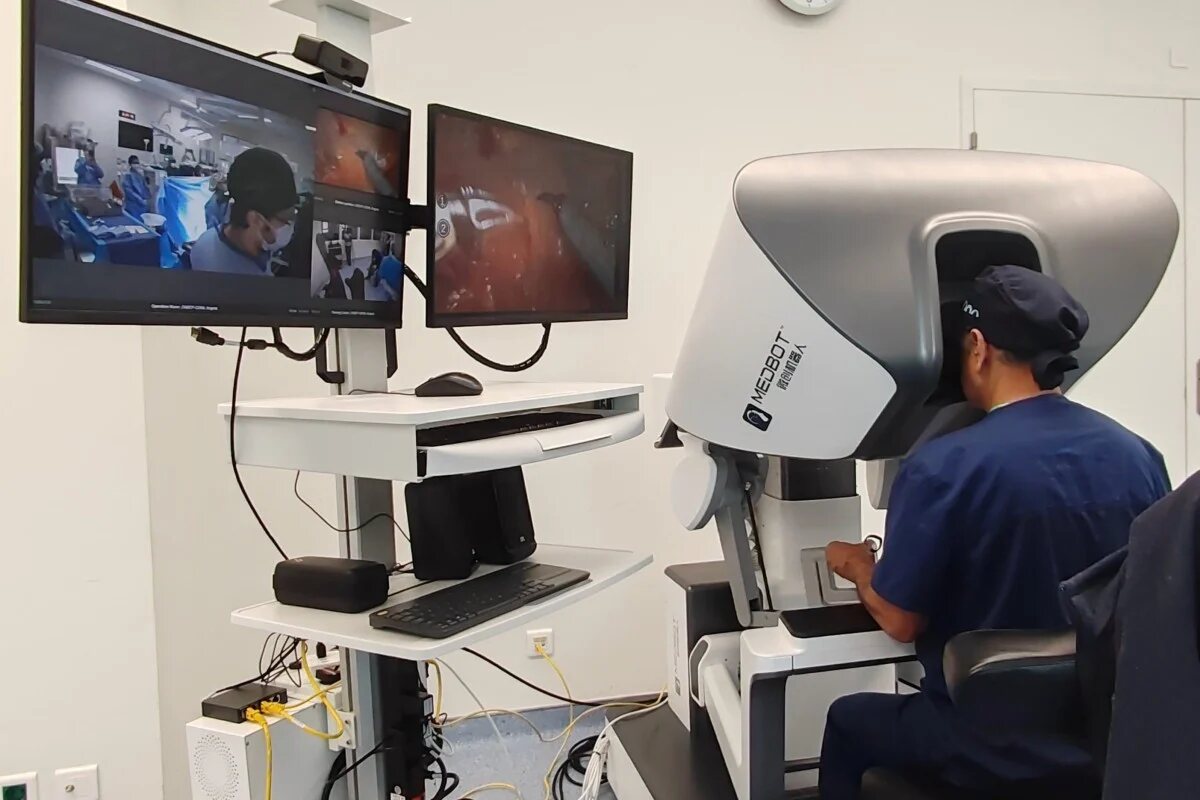
When people hear that “a robot operates”, many imagine a machine acting on its own. That is not the case. The operation is always performed by a surgeon; the robot is an extension of the surgeon’s hands. The surgeon sits at a dedicated console, watches a three-dimensional image and controls the instruments with hand controllers, while the robot transfers those movements precisely to slim instruments inside the patient’s body.
Technically, a robotic operation is an advanced form of laparoscopy. Instead of one large incision, the surgeon makes several small ports, usually 8–12 mm, through which a camera and instruments are introduced. The difference is that in conventional laparoscopy the surgeon holds long, straight instruments by hand, whereas in a robotic system the instrument tips bend like a wrist, the image is three-dimensional and the natural tremor of the hand is filtered out.
How the MedBot Toumai system is built
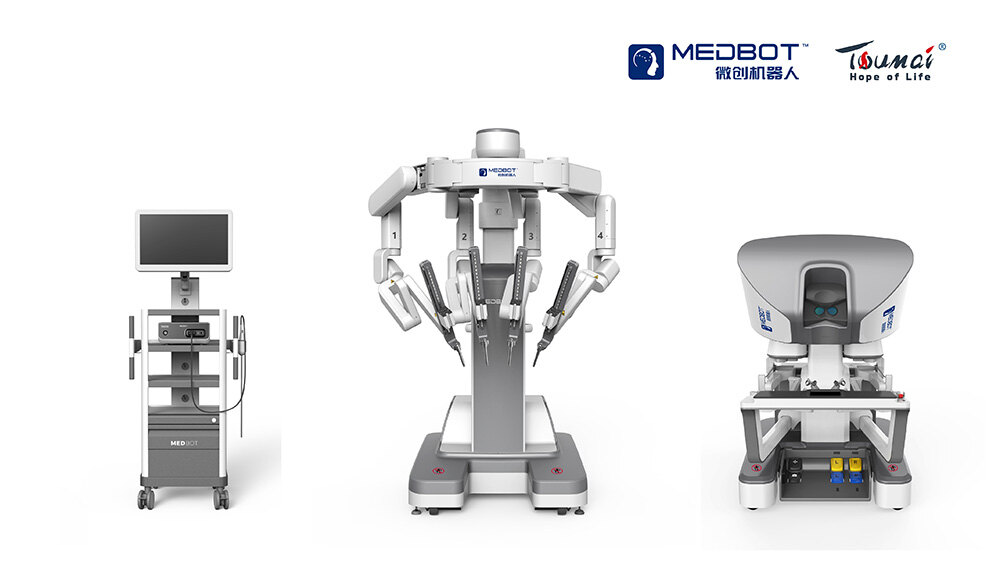
Toumai is a laparoscopic (endoscopic) surgical robot developed by MicroPort MedBot in Shanghai. It has three main components:
- The surgeon console — where the surgeon sits, with an immersive 3D viewer, hand controllers and foot pedals.
- The patient cart — the main unit with four robotic arms. One arm holds the endoscopic camera and the others hold surgical instruments.
- The vision cart — the video system and monitor, so that the whole theatre team, including the assistant surgeon, scrub nurse and anaesthetist, can follow the procedure on screen.
How the surgeon works at the console
At the console the surgeon sees the operating field in high-definition 3D, magnified several times. This makes it easier to identify and preserve small blood vessels and nerve fibres. Hand movements are scaled down before they reach the instruments, so a centimetre of hand motion becomes a precise movement of a few millimetres at the instrument tip, and physiological tremor is removed by a software filter.
The instrument tips bend and rotate much like a human wrist. In confined spaces such as the pelvis, suturing and dissection become considerably easier than with straight laparoscopic instruments. Ergonomics matter too: the surgeon is seated rather than standing over the table for hours, which helps maintain concentration and precision until the end of a long operation.
Toumai on the world stage
Toumai is approved in China (NMPA) and in the European Union (CE). According to the manufacturer, the system holds regulatory clearance in around 60 countries and regions, and by mid-2025 more than 10,000 procedures had been performed with it worldwide.
Toumai is best known for remote surgery (telesurgery). In April 2025 it became the world’s first surgical robot to receive commercial approval for remote operations. In June 2025 a surgeon in Orlando, USA, used Toumai to perform a radical prostatectomy on a patient in Luanda, Angola, some 17,000 km away; the procedure took about 90 minutes. The same year the first intra-European telesurgeries were carried out on the system in Belgium.
Which operations it is used for
Toumai is intended for four specialties: urology, general surgery, gynaecology and thoracic surgery. Worldwide, robotic assistance is most often used for:
- Urology: radical prostatectomy for prostate cancer, partial nephrectomy, reconstructive surgery of the urinary tract.
- Gynaecology: hysterectomy, myomectomy, endometriosis surgery, pelvic organ prolapse repair.
- General and oncological surgery: colon and rectal resections, gastric surgery, hernia repair, gallbladder removal.
- Thoracic surgery: lung and mediastinal tumours.
The benefits of the robot are clearest in narrow, deep anatomical areas and in operations that require delicate suturing.
Benefits for the patient
| Parameter | Open surgery | Robotic surgery |
|---|---|---|
| Incision | Large, 10–25 cm | Several small ports |
| Blood loss | Greater | Usually less |
| Post-operative pain | More intense and longer | Less |
| Hospital stay | Longer | Usually shorter |
| Return to normal life | Several weeks | Faster |
| Scarring | Visible | Barely noticeable |
The actual outcome depends on the condition, the extent of surgery and the patient’s general health; the comparison above reflects the general trend.
Does everyone need robotic surgery?
No. The robot is a tool, not a goal in itself. Many operations are performed perfectly well with conventional laparoscopy, and in some cases open surgery is the safer option. The surgeon chooses the approach based on test results, the stage of the disease, previous operations and heart and lung function.
If necessary during a robotic operation, the surgeon may switch to conventional laparoscopy or open surgery. This is not a complication but a pre-planned decision made in the interest of patient safety.
How robotic surgery came to Saba Darmon
The project went through several stages. In April 2026 the clinic’s management visited MicroPort headquarters in Shanghai to negotiate the introduction of robotic surgery (read more). On 1 July 2026 a cooperation agreement on introducing the Toumai system was signed at Saba Darmon with a delegation from Shanghai MicroPort MedBot. The agreement covers technology transfer and training of local specialists. The robot has now been installed at the clinic.
At Saba Darmon all pre-operative tests are done in one building: laboratory, ultrasound, CT, ECG and specialist consultations, which shortens the preparation time.
How to prepare for a robotic operation
- a surgical consultation to review the diagnosis and test results and to choose the approach;
- complete blood count, blood chemistry, coagulation profile, blood group and infection screening;
- an ECG and, if needed, a review by a cardiologist or internist;
- depending on the condition, ultrasound, CT or other imaging;
- an anaesthetic assessment, as the operation is performed under general anaesthesia.
Be sure to tell your doctor about any regular medication, especially blood thinners.
Frequently asked questions
Can the robot make a mistake?
The robot never acts on its own; every movement is controlled by the surgeon. The system has safety mechanisms: if the surgeon moves their head away from the console, the instruments stop moving.
Does a robotic operation take longer?
Setting up and docking the robot takes some extra time, but the main part of the operation usually takes about as long as laparoscopy.
When can I go home?
That depends on the type of operation. As a rule, patients are discharged earlier than after open surgery.
Is it expensive?
The cost depends on the type and complexity of the operation. You can find out the exact price after a surgical consultation by calling +998 71 210-30-30.
How do I know whether robotic surgery is right for me?
Book an appointment with a surgeon and bring your test results. The surgeon will compare the options and recommend the safest one for you.
More about robotic surgery:
- Robotic Surgery in Tashkent — all directions
- Is Robotic Surgery Safe? 10 Questions
- Robotic Surgery vs Laparoscopy: What Is the Difference
- Preparing for Robotic Surgery: Step by Step
- Recovery After Robotic Surgery
- Bladder Cancer: Robotic Cystectomy
- Hernia: Robotic Repair
- Gallbladder: Robotic Cholecystectomy
- Who Is Not Suitable for Robotic Surgery
- Uterine and Cervical Cancer: Robotic Surgery
- Large Prostate Adenoma: TURP or Robotic Surgery
- Varicocele Surgery: Marmar or Robotic
- Kidney Removal: Robotic Nephrectomy
- Ectopic Pregnancy: Tube-Sparing Robotic Surgery
- Female Urinary Incontinence: TVT or Robotic Surgery
- Uterus Removal: Robotic Hysterectomy
- Hiatal Hernia and Reflux: Robotic Fundoplication
- Liver Tumour: Robotic Liver Resection
- Pancreatic Tumour: Robotic Resection
- Obesity Surgery: Robotic Sleeve Gastrectomy
- Diastasis Recti: Robotic Repair
- Colon Cancer: Robotic Hemicolectomy
- Anaesthesia and Pain Control in Robotic Surgery
- Pregnancy After Robotic Myomectomy
- Robotic Prostatectomy
- Kidney Tumour: Robotic Partial Nephrectomy
- Colorectal Cancer: Robotic Surgery
- Uterine Fibroids: Robotic Surgery
- Endometriosis and Ovarian Cysts: Robotic Surgery
- What Is Telesurgery?
- Robotic Surgery in Older Adults
- Stomach Cancer: Robotic Gastrectomy
- Hydronephrosis: Robotic Pyeloplasty
- Pelvic Organ Prolapse: Robotic Sacrocolpopexy
- Adrenal Tumour: Robotic Adrenalectomy
Doctors for consultation
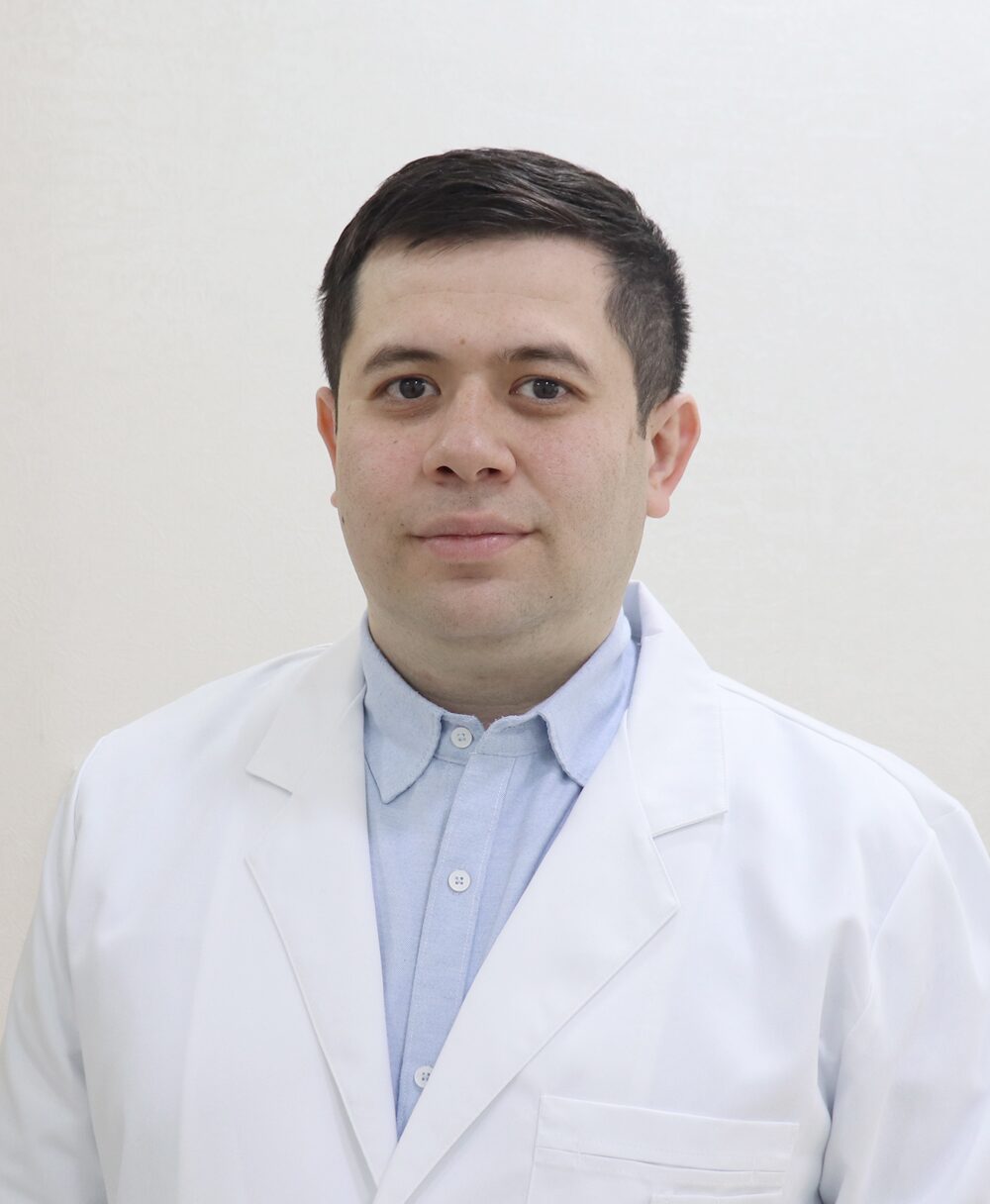
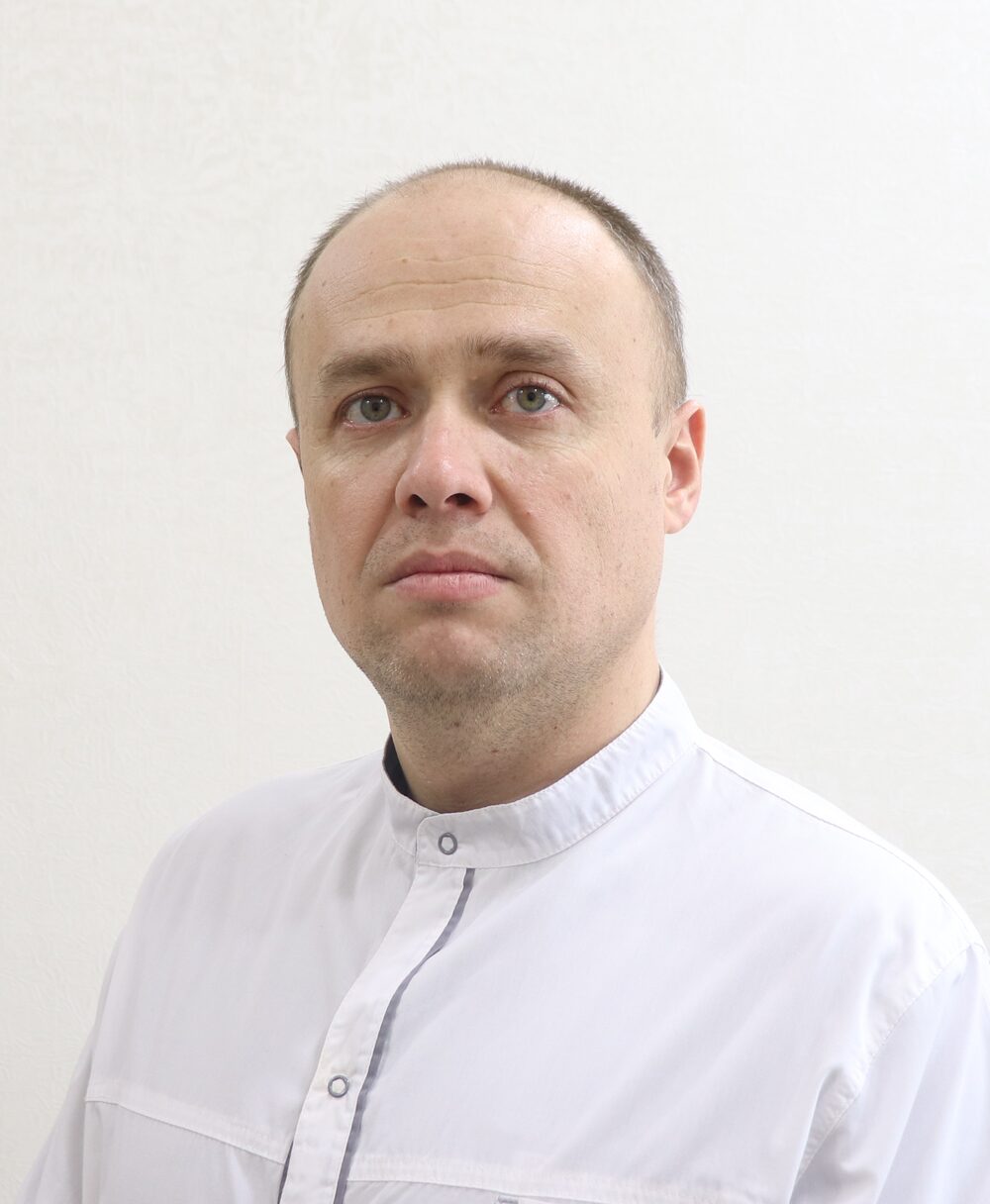
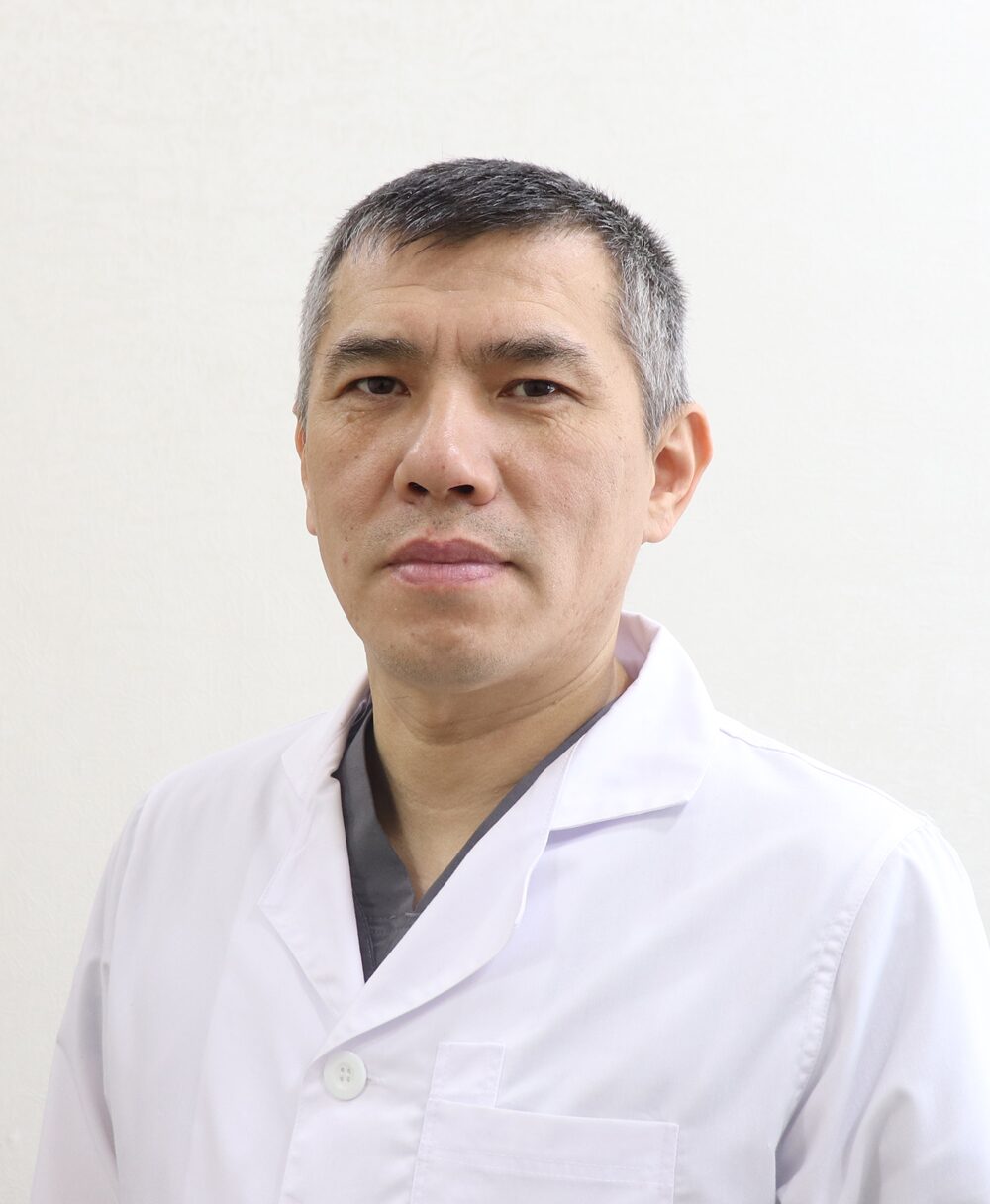
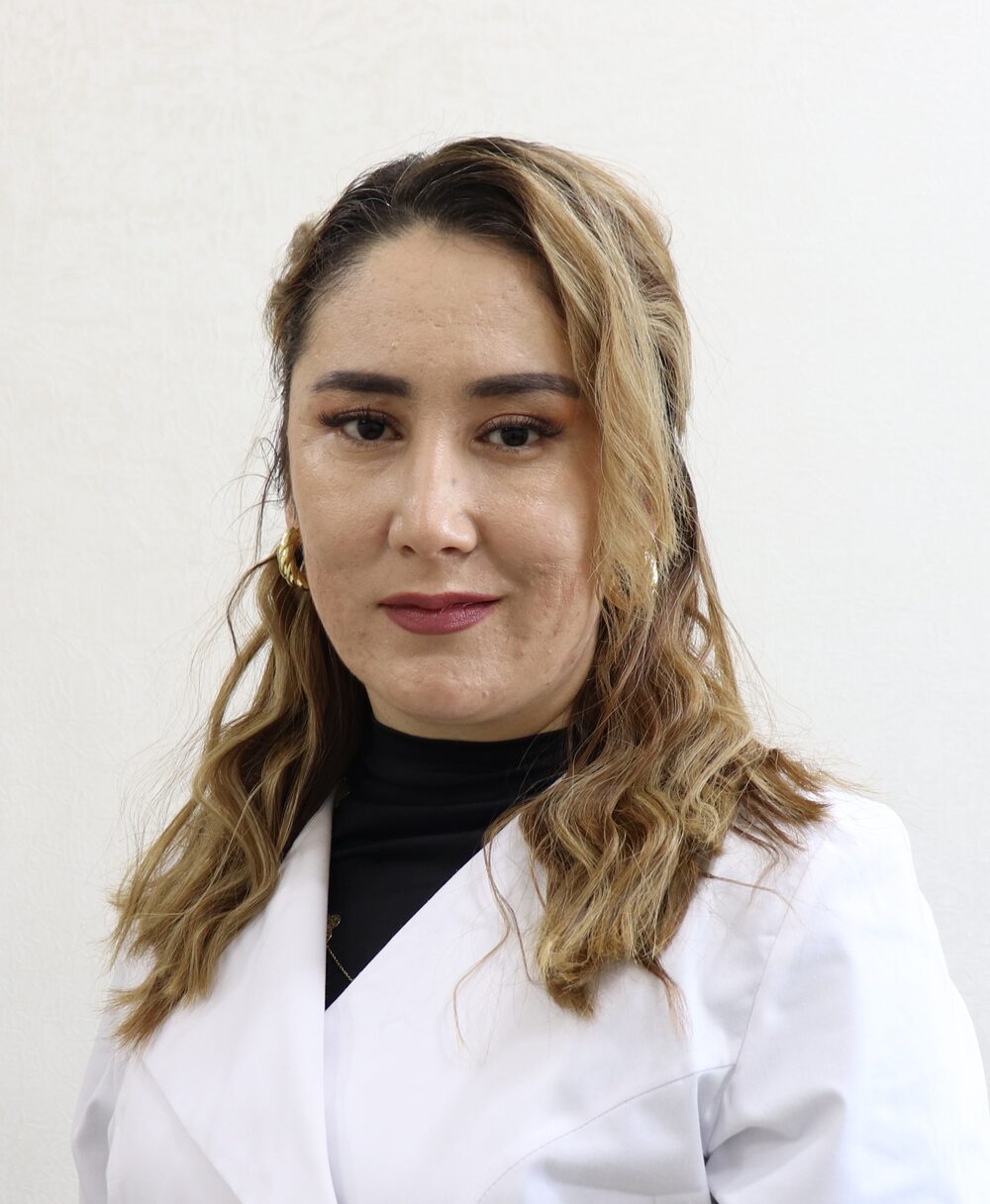
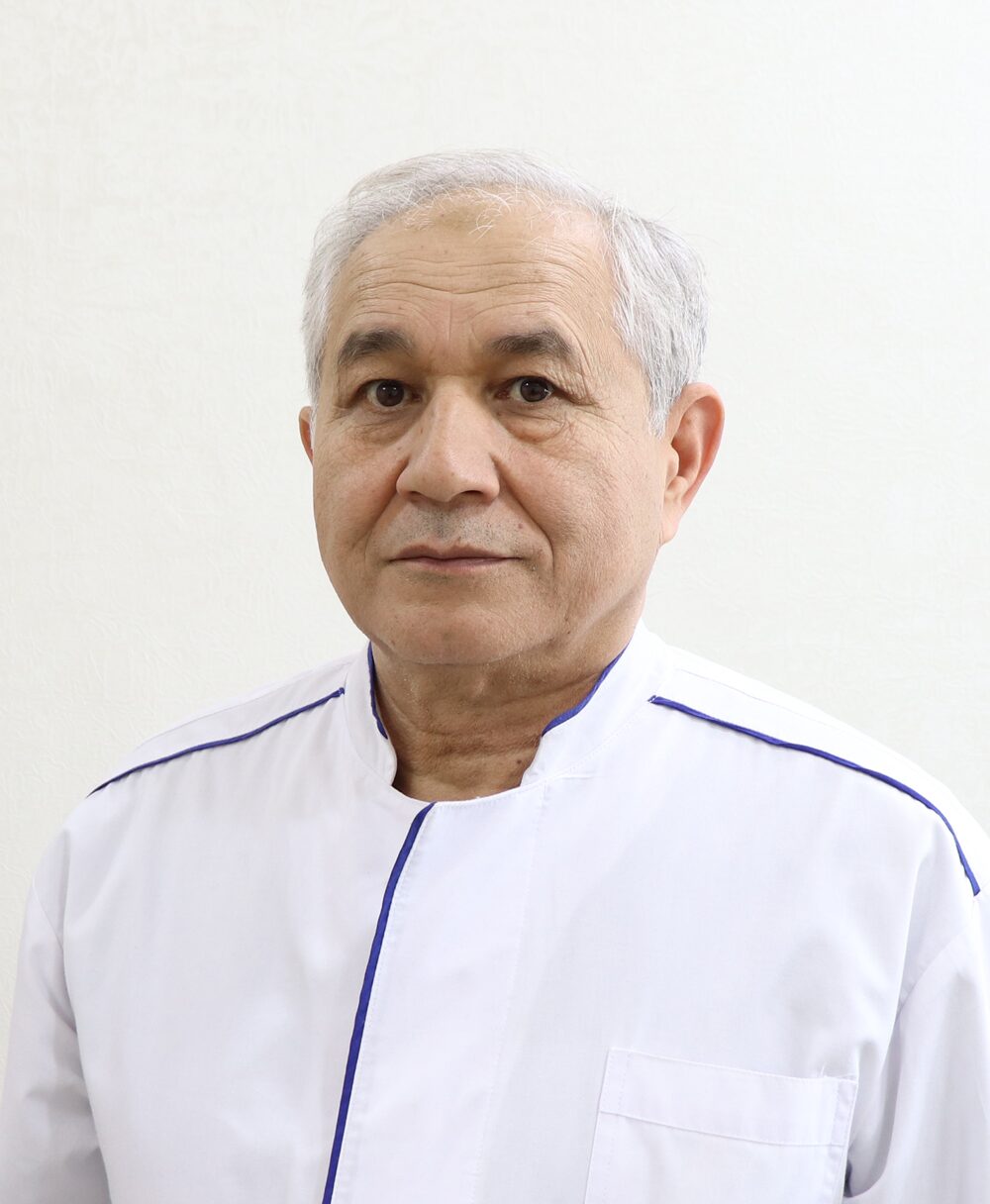
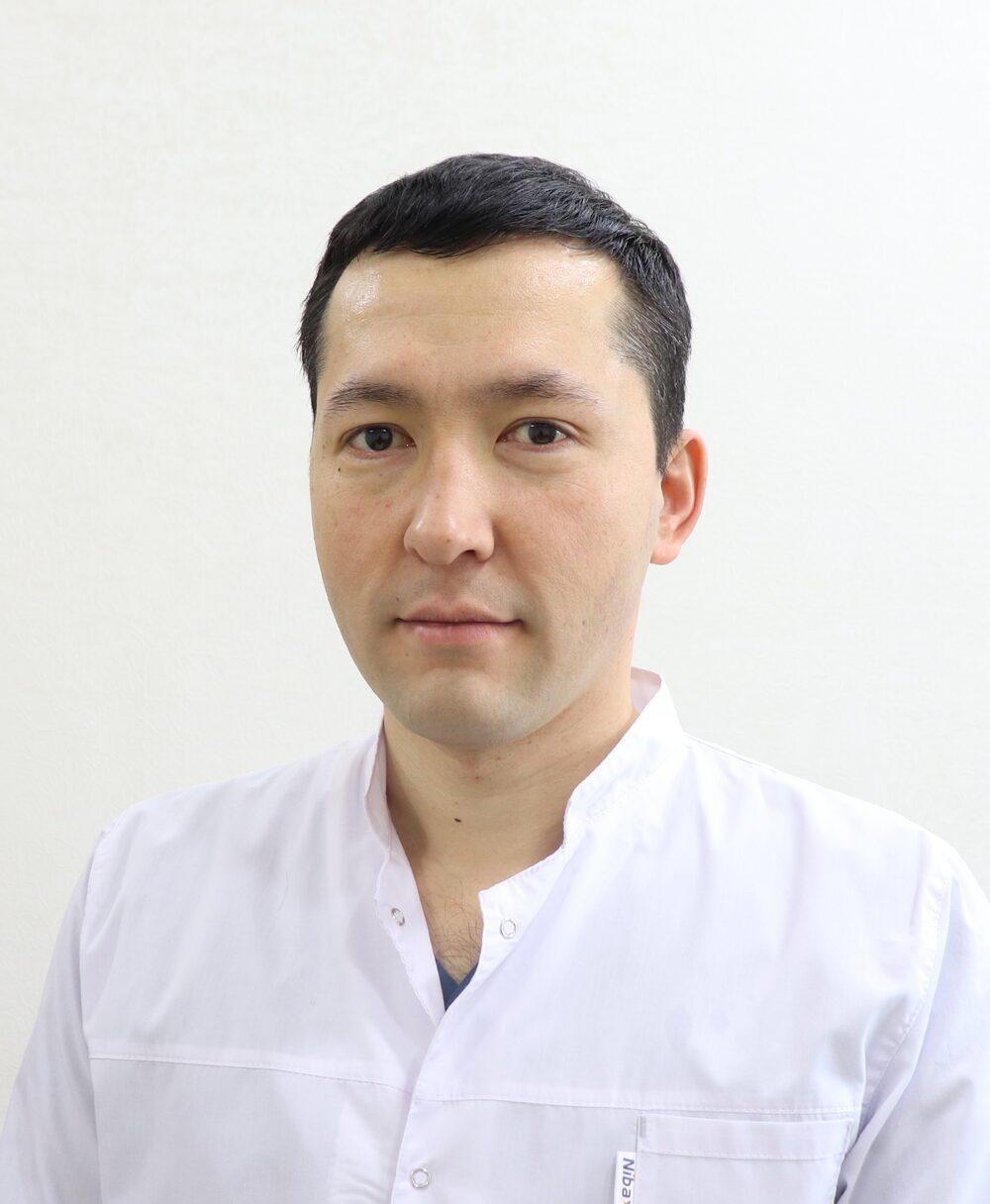
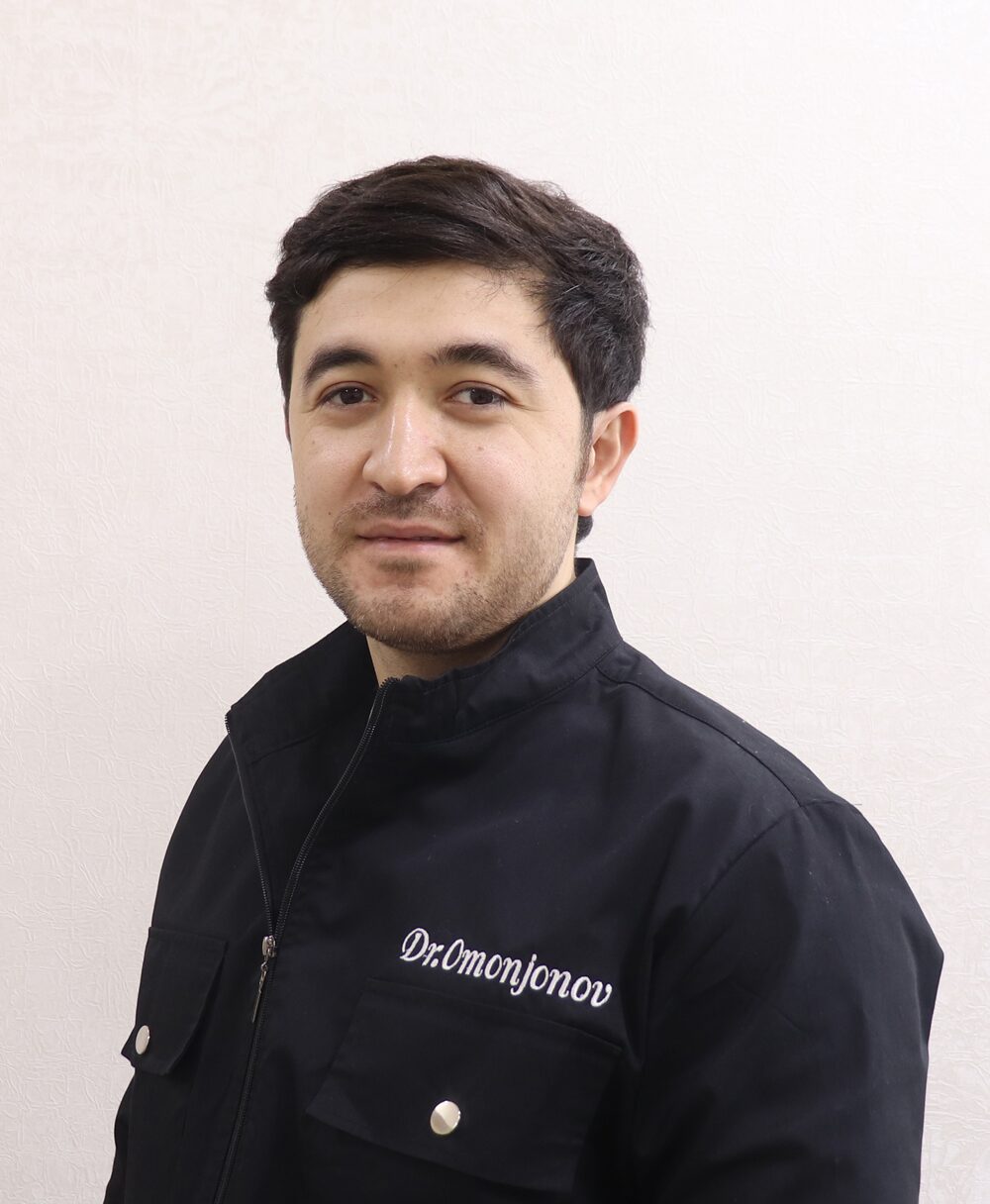
Robotic, laparoscopic or open — the surgeon chooses the approach after examination. Our surgeons, gynaecologists, urologists and ENT specialist:

Is robotic surgery right for you?
Book an appointment with a surgeon and bring your test results: the doctor will compare the options and recommend the safest one for you.
Call now — +998 71 210-30-30Contacts
Address: 7A/3 Nurafshon street, Tashkent
Phone: +998 71 210-30-30 · WhatsApp: +998 95 662-30-30
Opening hours: Monday–Saturday, 09:00–18:00
E-mail: