


Useful articles

Robotic Surgery in Older Adults: Is It Safe and How to Prepare
Doctor's blog
sbdrmn
Direction: Robotic surgery · All services
When an elderly parent needs an operation, many families worry: “Can they cope at this age?” It is a natural question. Yet in modern medicine age alone is not considered a barrier to surgery. What matters is the patient’s overall health and proper preparation, and minimally invasive procedures, including robotic surgery, offer particular advantages for older patients.
Health matters more than age
One 75-year-old leads an active life and comes through surgery well, while a 65-year-old with heart and lung disease needs special care. That is why doctors look not at age but at:
- heart and lung function;
- diabetes, kidney disease and how well they are controlled;
- everyday activity and the ability to walk independently;
- memory and thinking;
- nutrition and anaemia.
Why minimally invasive surgery suits older patients
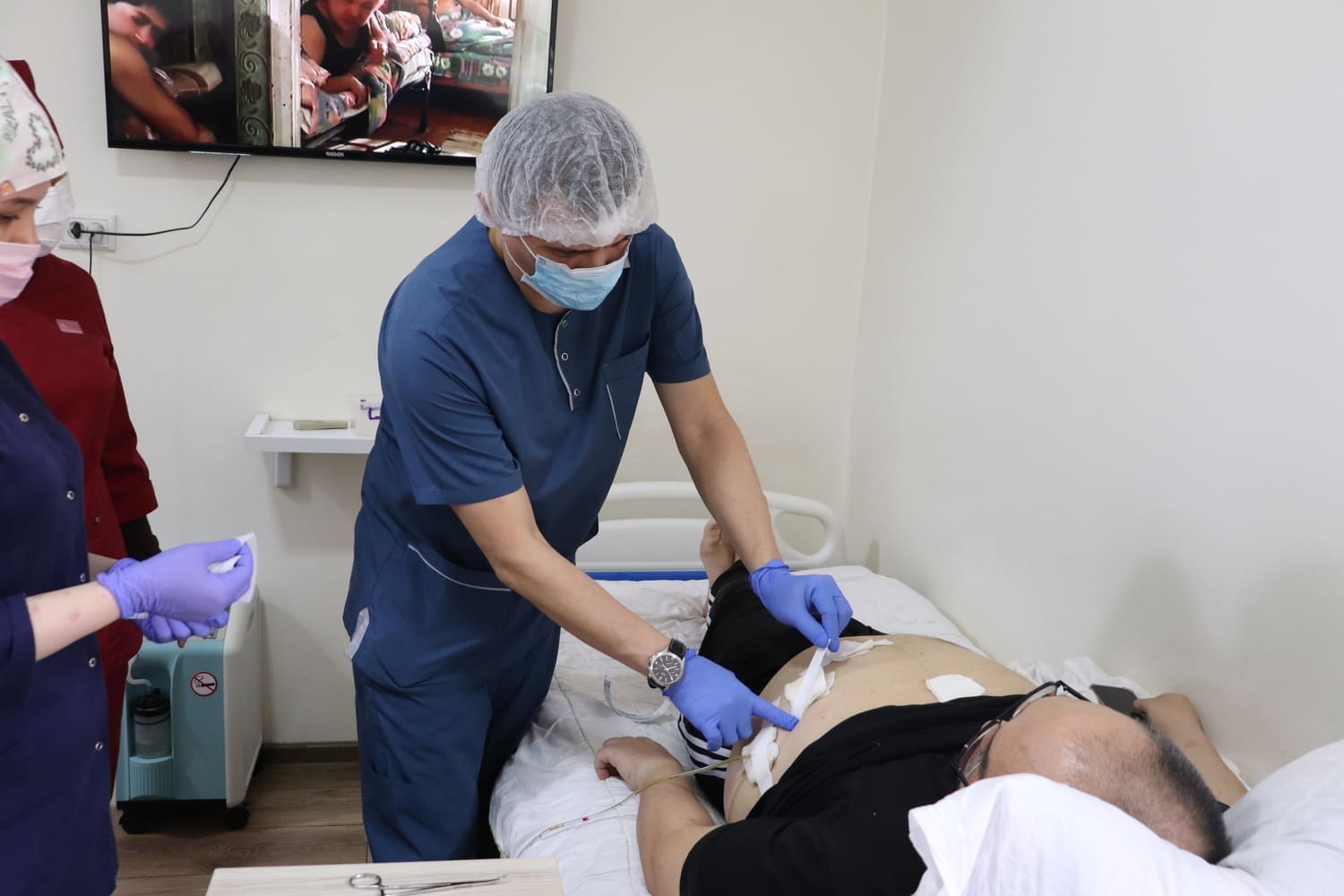
A large incision places a heavy burden on an older body. In robotic surgery the surgeon uses a few small ports, so there is usually less pain and blood loss and the patient gets back on their feet sooner. For older people, early walking is especially important because it lowers the risk of pneumonia, blood clots and muscle weakness.
However, during robotic surgery gas is introduced into the abdomen and the patient is sometimes positioned head-down. With severe heart or lung disease this can be a strain, so the approach is chosen jointly by the surgeon and the anaesthetist.
Tests before surgery
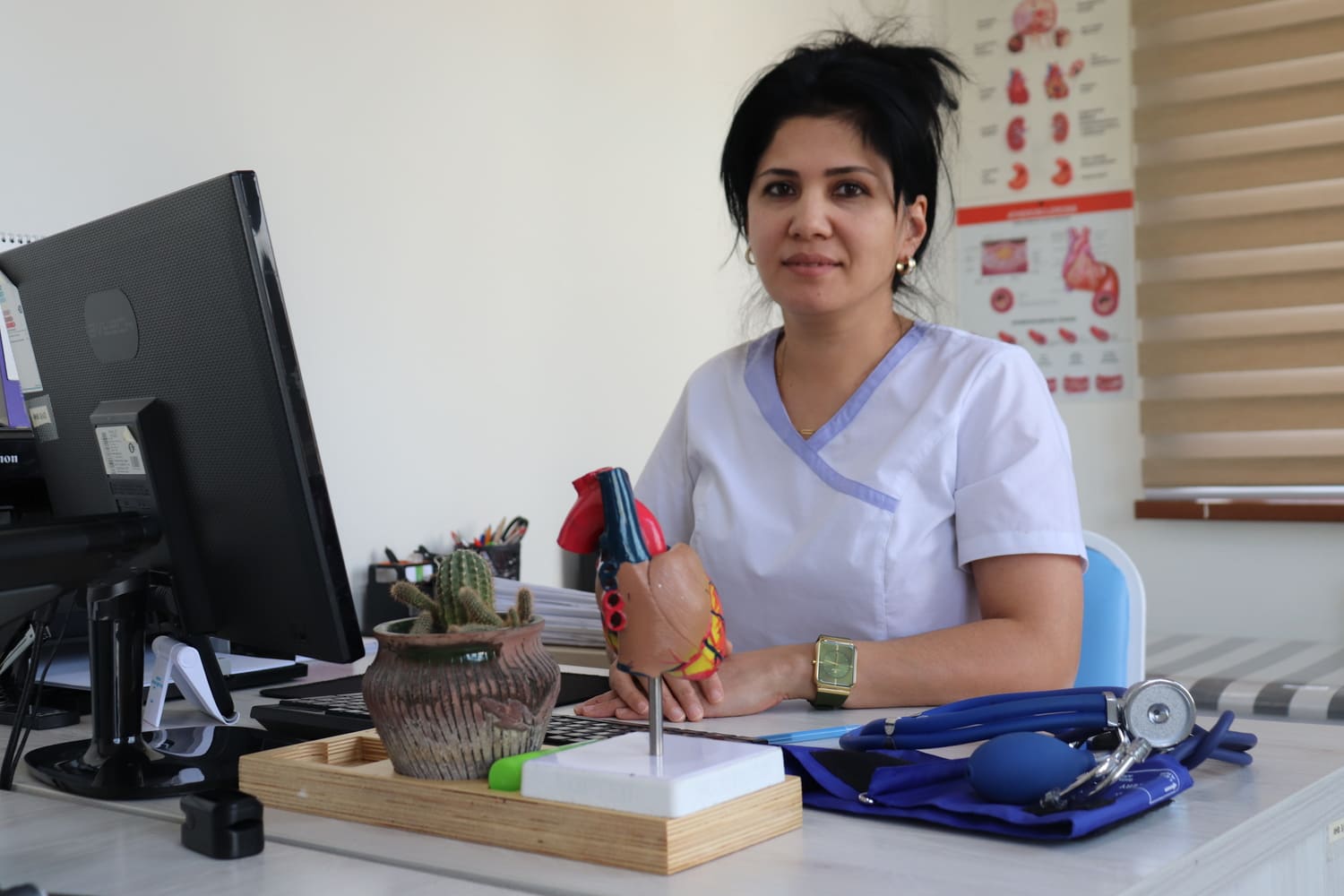
Older patients usually need a broader work-up: a full blood count, blood chemistry, a coagulation profile, an ECG and, if needed, an echocardiogram and cardiology review, with further tests for lung disease. Bring a list of all regular medication. It is especially important that the doctor decides when to stop or change blood thinners and diabetes medicines.
Post-operative confusion (delirium)
After surgery and anaesthesia, older patients may experience temporary confusion, such as mixing up time and place, restlessness or disturbed sleep. It usually passes within a few days. Family members can help by:
- staying close, because a familiar face is reassuring;
- bringing glasses and hearing aids;
- encouraging activity during the day and restful sleep at night;
- making sure the patient drinks enough and starts walking early.
What the family can do before surgery
- go to the doctor’s appointment together and write down your questions;
- collect all medicines, previous reports and test results in one folder;
- in the weeks before surgery, encourage a daily walk and protein-rich meals;
- prepare the home in advance: secure rug edges, leave a night light on and fit a grab rail in the bathroom.
These simple steps lower the risk of falls and make the return home after surgery easier.
Nutrition and fluids
Many older people eat and drink too little, which slows wound healing and adds to weakness. Before and after surgery it is important to get enough protein from meat, fish, eggs, cottage cheese and yoghurt. Drink enough fluids unless your doctor has limited them because of heart or kidney disease. If appetite is poor, offer small meals more often. If there is anaemia or weight loss, the doctor may recommend correcting it before surgery.
Recovery
Patients usually start walking with a nurse’s help on the day of surgery or the following day. After discharge, help from relatives is needed in the first weeks with meals, taking medicines on time and preventing falls. Your doctor will set the date of the follow-up visit.
Frequently asked questions
Can robotic surgery be done after the age of 80?
Yes, if overall health allows. The decision is made jointly by the surgeon and the anaesthetist after the necessary tests.
Does anaesthesia affect memory?
Temporary confusion can occur and usually passes within a few days. Proper preparation and early activity help reduce the risks.
How do I book?
Come to a surgeon’s appointment with any test results and a list of medicines. Call +998 71 210-30-30.
More about robotic surgery:
- Robotic Surgery in Tashkent — all directions
- Robotic Surgery in Tashkent: the MedBot Toumai System
- Is Robotic Surgery Safe? 10 Questions
- Robotic Surgery vs Laparoscopy: What Is the Difference
- Preparing for Robotic Surgery: Step by Step
- Recovery After Robotic Surgery
- Bladder Cancer: Robotic Cystectomy
- Hernia: Robotic Repair
- Gallbladder: Robotic Cholecystectomy
- Who Is Not Suitable for Robotic Surgery
- Uterine and Cervical Cancer: Robotic Surgery
- Large Prostate Adenoma: TURP or Robotic Surgery
- Varicocele Surgery: Marmar or Robotic
- Kidney Removal: Robotic Nephrectomy
- Ectopic Pregnancy: Tube-Sparing Robotic Surgery
- Female Urinary Incontinence: TVT or Robotic Surgery
- Uterus Removal: Robotic Hysterectomy
- Hiatal Hernia and Reflux: Robotic Fundoplication
- Liver Tumour: Robotic Liver Resection
- Pancreatic Tumour: Robotic Resection
- Obesity Surgery: Robotic Sleeve Gastrectomy
- Diastasis Recti: Robotic Repair
- Colon Cancer: Robotic Hemicolectomy
- Anaesthesia and Pain Control in Robotic Surgery
- Pregnancy After Robotic Myomectomy
- Robotic Prostatectomy
- Kidney Tumour: Robotic Partial Nephrectomy
- Colorectal Cancer: Robotic Surgery
- Uterine Fibroids: Robotic Surgery
- Endometriosis and Ovarian Cysts: Robotic Surgery
- What Is Telesurgery?
- Stomach Cancer: Robotic Gastrectomy
- Hydronephrosis: Robotic Pyeloplasty
- Pelvic Organ Prolapse: Robotic Sacrocolpopexy
- Adrenal Tumour: Robotic Adrenalectomy
Doctors for consultation
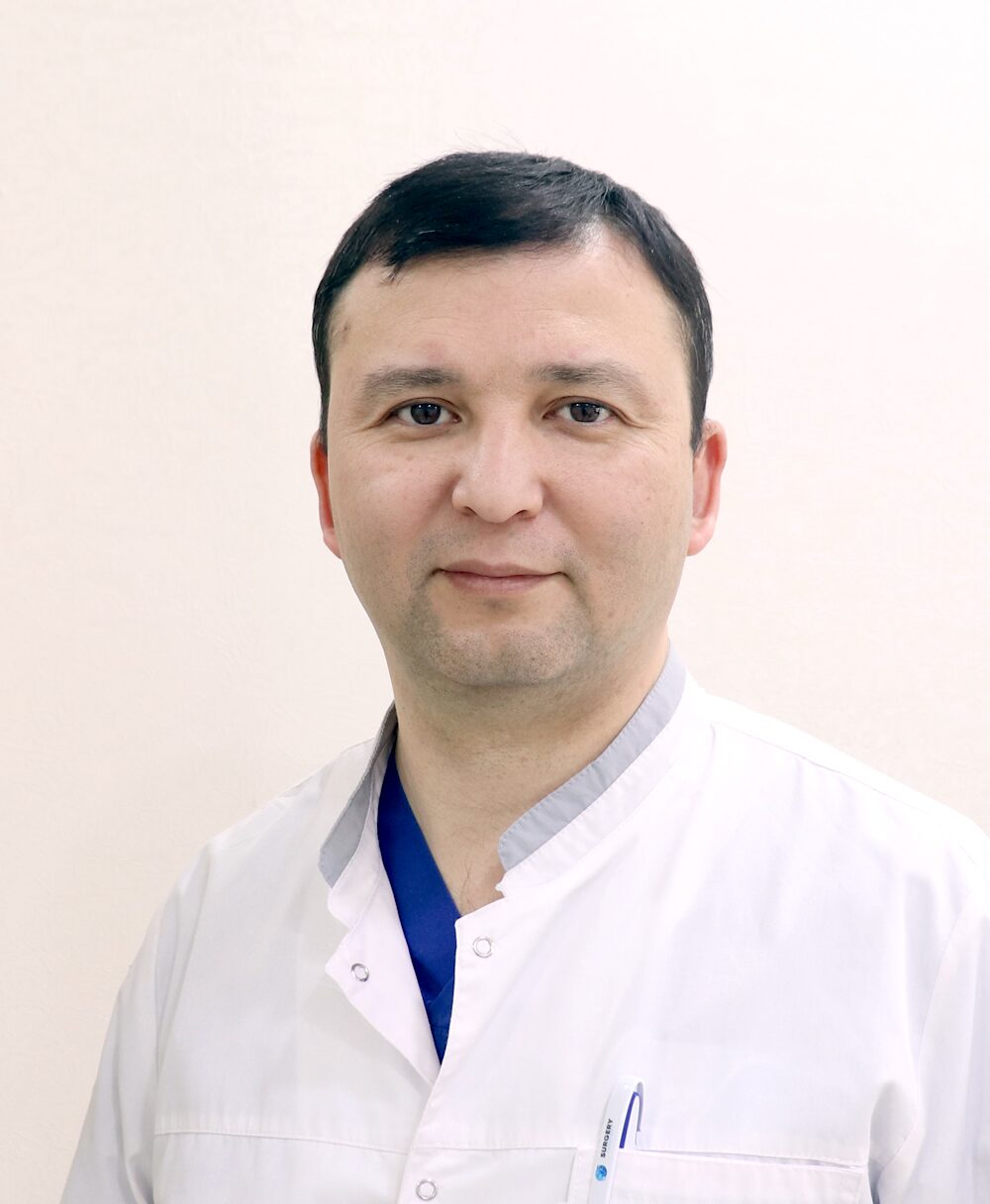
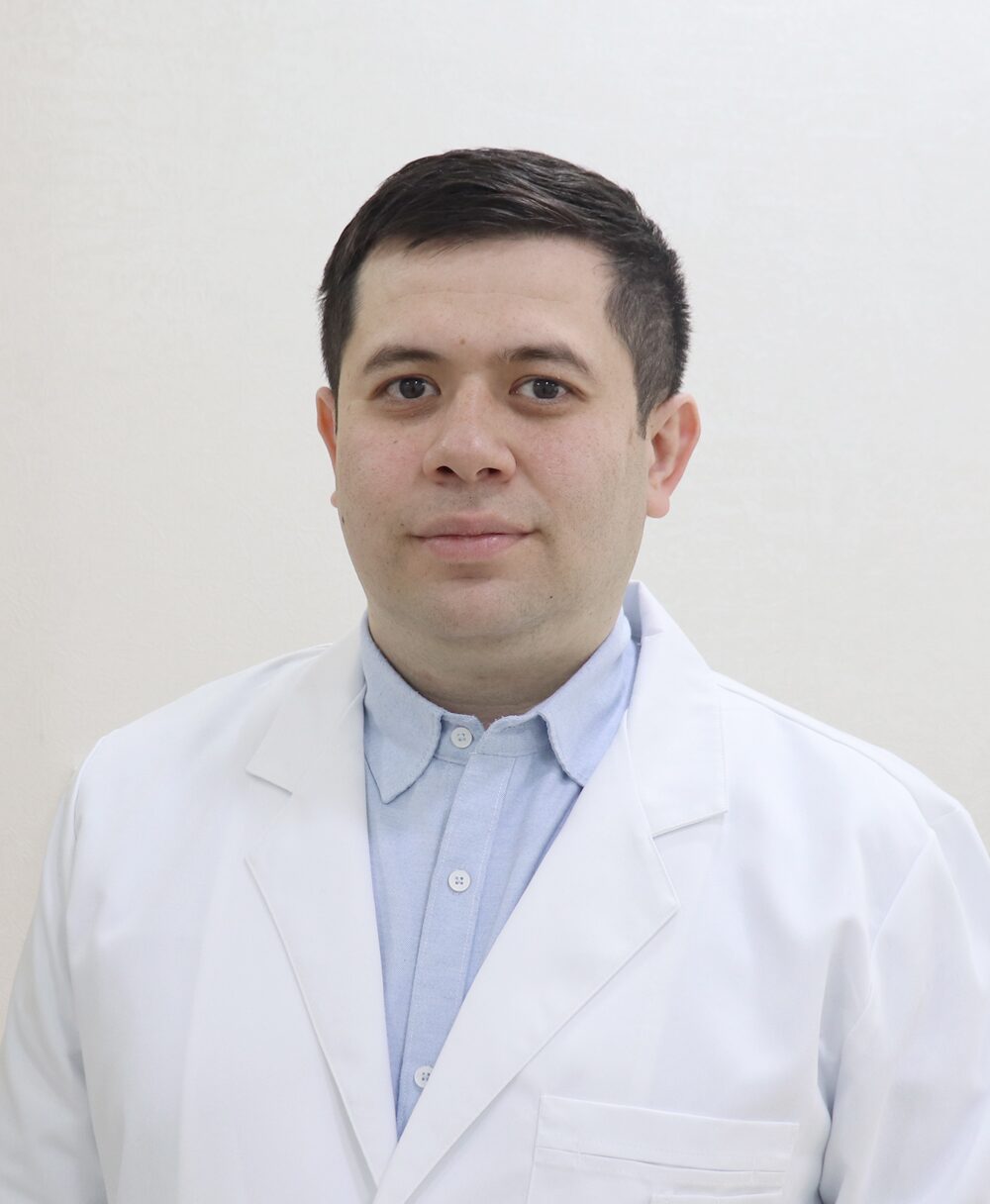
For an older patient the approach is chosen jointly by the surgeon, anaesthetist and, if needed, a cardiologist. Our doctors for consultation:

Is robotic surgery right for you?
Book an appointment with a surgeon and bring your test results: the doctor will compare the options and recommend the safest one for you.
Call now — +998 71 210-30-30Contacts
Address: 7A/3 Nurafshon street, Tashkent
Phone: +998 71 210-30-30 · WhatsApp: +998 95 662-30-30
Opening hours: Monday–Saturday, 09:00–18:00
E-mail: