


Useful articles
Large Prostate Adenoma: Is TURP Enough or Is Robotic Surgery Needed
Doctor's blog
sbdrmn
Direction: Robotic surgery · All services
Prostate adenoma is one of the most common urological problems in men over 50. Most get by on medication; but when the gland becomes very large, a surgical method has to be chosen: TURP (through the urethra) or simple prostatectomy with complete removal of the tissue — now also with robotic assistance. Below: the differences, and how the decision is made.
Contents
An adenoma is not cancer
Prostate adenoma (benign hyperplasia) is age-related enlargement of the gland. It does not turn into cancer, but it squeezes the urethra: the stream weakens, you get up several times at night, the bladder does not empty fully. Medicines help many men; surgery is discussed when tablets are no longer enough or complications appear.
Urgent situations: urine stops coming out altogether (acute retention), blood in the urine, pain with fever, or worsening kidney function — see a urologist without delay.
When surgery is needed
- the stream stays weak on medication and a lot of urine is left in the bladder;
- repeated episodes of acute retention;
- bladder stones, recurrent infection or bleeding;
- signs of back-pressure on the kidneys (hydronephrosis);
- quality of life is badly affected and the patient wants surgery.
The decision rests on gland volume by ultrasound, a flow test, residual urine, PSA and general health.
TURP — the clinic's main method
Transurethral resection (TURP) is performed through the urethra with no incision: the part of the gland compressing the channel is removed with an endoscopic instrument. For a medium-sized adenoma this is the standard route and it is performed at our clinic. Recovery is quick and the catheter stays a few days.
The important limit: with a very large gland, removing the tissue fully through TURP is long and difficult, and bleeding risk rises. Then another route is discussed.
A large adenoma: simple prostatectomy and the robot
For a very large gland a simple prostatectomy (adenomectomy) is done: the capsule of the gland is kept and the enlarged tissue inside is removed in full. This used to be possible only through an open incision; now it is also done through ports, laparoscopically or robotically.
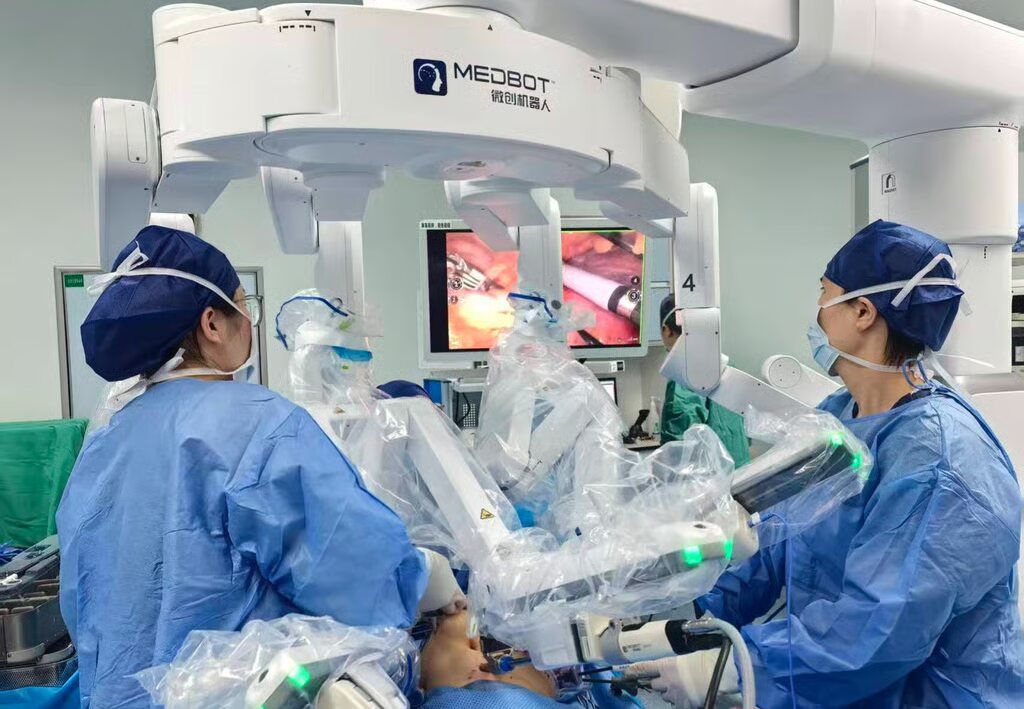
What the robot adds: a three-dimensional view and a tremor-free, articulated instrument, so freeing the tissue inside the capsule and suturing the vessels is more precise. The result: no incision, less blood loss, and the catheter and hospital stay may be shorter than after open surgery.
Do not confuse them: simple prostatectomy (for adenoma, capsule preserved) and radical prostatectomy (for cancer, the whole gland removed) are different operations. The radical one is described in a separate article.
Which method for whom
| Situation | What is usually discussed |
|---|---|
| Medium-sized adenoma, no complications | TURP (through the urethra, no incision) |
| Very large gland, bladder stones or a diverticulum | Simple prostatectomy — robotic/laparoscopic or open |
| Taking blood-thinning medicines | The regimen is agreed with the anaesthetist; the method follows from it |
| Severe heart or lung disease | The shortest, gentlest option; sometimes catheter/medication and observation |
What to expect afterwards
In the first days a little blood in the urine, frequent urination and burning are usual. The stream usually improves noticeably. Lifting, cycling and hot baths are restricted for several weeks. After any method retrograde ejaculation (semen passing into the bladder) is possible — not dangerous, but discussed in advance with men planning children.
What to agree with your doctor
Gland volume and residual urine; the PSA result; whether TURP is enough or a prostatectomy is needed; what the robotic approach adds in my case; how many days of catheter; effect on sexual function. Pre-operative tests are listed here and the stages of preparation here.
Frequently asked questions
Does an adenoma turn into cancer?
No, an adenoma is benign. But cancer can exist alongside it, which is why PSA is checked before surgery and the removed tissue is sent for histology.
Can I try medication first?
In most cases yes — surgery is discussed when medicines do not help or complications arise. The urologist decides on the basis of the tests.
What is the difference between TURP and robotic surgery?
TURP is done through the urethra with no incision and suits a medium-sized gland. With a very large gland the tissue is removed in full through ports, robotically or laparoscopically.
How long does the catheter stay?
Usually a few days; the exact period depends on the method and how the operation went — the surgeon decides.
Will sexual function be preserved?
Erection is usually preserved. Retrograde ejaculation is possible — harmless, but discussed in advance with men planning children.
Can the adenoma grow back?
After TURP tissue may regrow years later; with simple prostatectomy the tissue is removed completely, so the likelihood is lower.
More about robotic surgery:
- Robotic Surgery in Tashkent — all directions
- Robotic Surgery in Tashkent: the MedBot Toumai System
- Is Robotic Surgery Safe? 10 Questions
- Robotic Surgery vs Laparoscopy: What Is the Difference
- Preparing for Robotic Surgery: Step by Step
- Recovery After Robotic Surgery
- Bladder Cancer: Robotic Cystectomy
- Hernia: Robotic Repair
- Gallbladder: Robotic Cholecystectomy
- Who Is Not Suitable for Robotic Surgery
- Uterine and Cervical Cancer: Robotic Surgery
- Varicocele Surgery: Marmar or Robotic
- Kidney Removal: Robotic Nephrectomy
- Ectopic Pregnancy: Tube-Sparing Robotic Surgery
- Female Urinary Incontinence: TVT or Robotic Surgery
- Uterus Removal: Robotic Hysterectomy
- Hiatal Hernia and Reflux: Robotic Fundoplication
- Liver Tumour: Robotic Liver Resection
- Pancreatic Tumour: Robotic Resection
- Obesity Surgery: Robotic Sleeve Gastrectomy
- Diastasis Recti: Robotic Repair
- Colon Cancer: Robotic Hemicolectomy
- Anaesthesia and Pain Control in Robotic Surgery
- Pregnancy After Robotic Myomectomy
- Robotic Prostatectomy
- Kidney Tumour: Robotic Partial Nephrectomy
- Colorectal Cancer: Robotic Surgery
- Uterine Fibroids: Robotic Surgery
- Endometriosis and Ovarian Cysts: Robotic Surgery
- What Is Telesurgery?
- Robotic Surgery in Older Adults
- Stomach Cancer: Robotic Gastrectomy
- Hydronephrosis: Robotic Pyeloplasty
- Pelvic Organ Prolapse: Robotic Sacrocolpopexy
- Adrenal Tumour: Robotic Adrenalectomy
Doctors for consultation
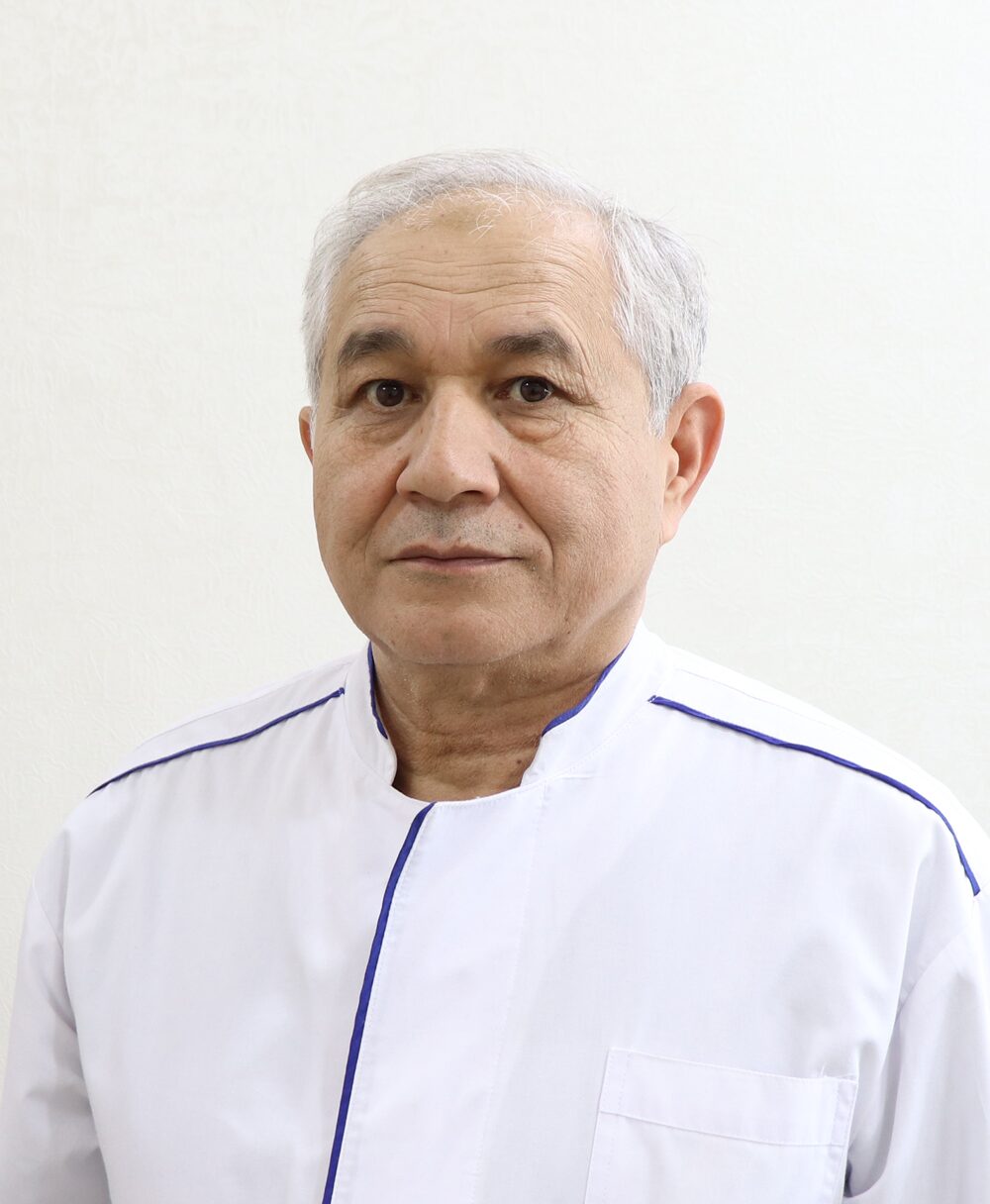
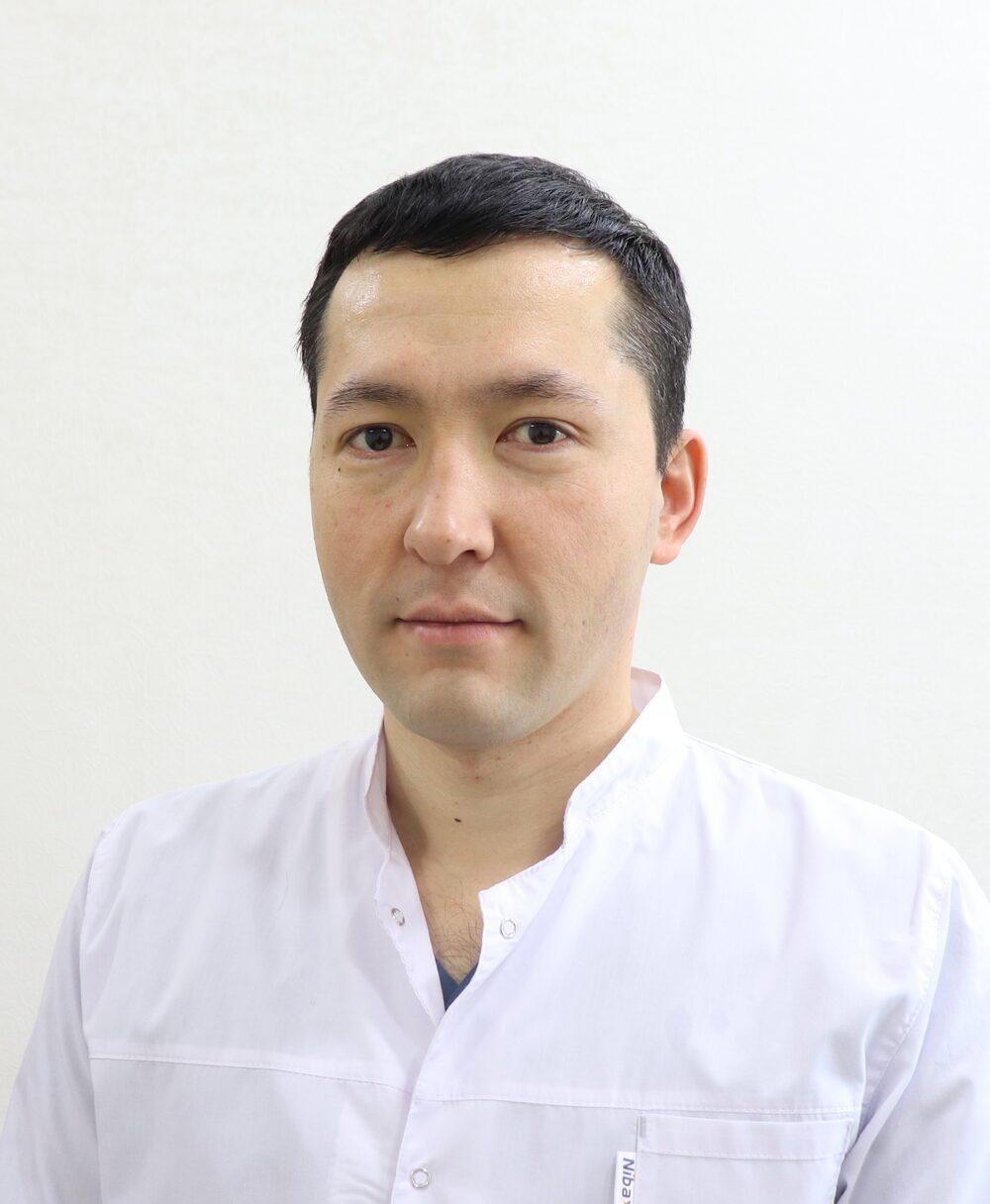
Prostate adenoma is treated by our urologist-andrologists. Our doctors in this field:
Is robotic surgery right for you?
Book an appointment with a surgeon and bring your test results: the doctor will compare the options and recommend the safest one for you.
Call now — +998 71 210-30-30Contacts
Address: 7A/3 Nurafshon street, Tashkent
Phone: +998 71 210-30-30 · WhatsApp: +998 95 662-30-30
Opening hours: Monday–Saturday, 09:00–18:00
E-mail:
