


Useful articles

Preoperative Tests: The Complete Checklist — Saba Darmon, Tashkent
Doctor's blog
sbdrmn
The success of any planned surgery begins long before the operation itself — at the preparation stage. Preoperative testing allows the surgeon and anesthesiologist to foresee and prevent risks in advance. The surgeons and laboratory doctor of Saba Darmon Medical Center describe the standard set of examinations.
Why surgery is not performed without testing
Surgery is a serious strain on the body. The examination answers two key questions: can the patient safely undergo the procedure, and how should anesthesia be selected. Undetected anemia, a clotting disorder or a hidden infection can lead to complications during and after surgery. That is why a complete work-up is not a formality but a safety guarantee.
The standard set of tests
Before a planned operation, the following are usually required:
- complete blood count — anemia, inflammation, platelet status;
- biochemistry panel — glucose, creatinine, liver enzymes, total protein;
- coagulation panel — clotting parameters, bleeding risk assessment;
- blood type and Rh factor;
- infection screening — hepatitis B and C, HIV, syphilis;
- urinalysis — kidney function and hidden infection;
- ECG — assessment of heart rhythm and conduction;
- chest X-ray or fluorography;
- therapist's conclusion — a summary of all results and clearance for surgery.
Additional tests: who needs them
The list expands depending on age, comorbidities and the type of surgery:
- with heart disease or age over 45 — echocardiography, Holter monitoring if needed;
- with diabetes — glycated hemoglobin, an endocrinologist's consultation;
- with thyroid disorders — hormone tests;
- for abdominal surgery — organ ultrasound, endoscopic studies if needed;
- for those on long-term medications — a specialist's advice on dose adjustment.
How long test results remain valid
Examination results have an «expiry date» — the surgeon must work with the freshest data:
- blood and urine tests — usually 10–14 days;
- coagulation panel — about 10 days;
- ECG — from 2 weeks to 1 month;
- fluorography — 12 months;
- infection tests — 3 months.
An expired test must be repeated, so it is convenient to plan the work-up close to the surgery date.
Preparation tips
- tests are taken on an empty stomach — 8–12 hours without food;
- be sure to tell the surgeon and anesthesiologist about medications you take regularly — some are temporarily stopped;
- if cold symptoms appear, discuss postponing the surgery date with your doctor;
- cutting down smoking at least 2 weeks before surgery makes recovery easier.
How the anesthesiologist's consultation works
Once the test results are ready, the anesthesiologist talks with the patient: allergies, previous anesthesia, chronic diseases and current medications are clarified. Based on this information, the type of anesthesia — local, regional or general — is selected and the whole process is explained to the patient. Ask your questions exactly at this stage: most fears come from a lack of information. The anesthesiologist is the specialist who continuously monitors the patient's condition during surgery — one more layer of safety.
The day of surgery: what to remember
- before general anesthesia you usually must not eat for 6–8 hours and not drink for 2–4 hours — the anesthesiologist gives the exact time;
- the question of regular medications is agreed in advance: some are taken with a sip of water, others are stopped;
- leave jewelry, lenses and removable dentures at home or hand them to the nurse;
- nail polish and gel polish are removed — the oxygen sensor measures on the finger;
- plan in advance for someone to accompany you home after surgery.
Frequently asked questions
Can I take the tests at another clinic?
Yes, official results taken within their validity period are accepted. But taking them in one place is more convenient: the results are in one system, and a doubtful value is easy to recheck.
Can surgery be postponed even with good results?
Yes — for example, if fever or an acute infection is found on the day of the operation. This is done for the patient's safety: planned surgery is performed only when the body is ready.
Are these tests needed for emergency surgery?
In an emergency, the list is shortened to the vital minimum and tests are done urgently. The full set is the standard for planned operations.
At Saba Darmon: the full work-up in one day
At our clinic, the complete preoperative set can be done in a single visit: our in-house laboratory prepares tests quickly, while ECG, X-ray and specialist consultations take place in one building. With the results, the surgeon finalizes the operation plan and, together with the anesthesiologist, selects the safest type of anesthesia. Book an appointment by phone or online.
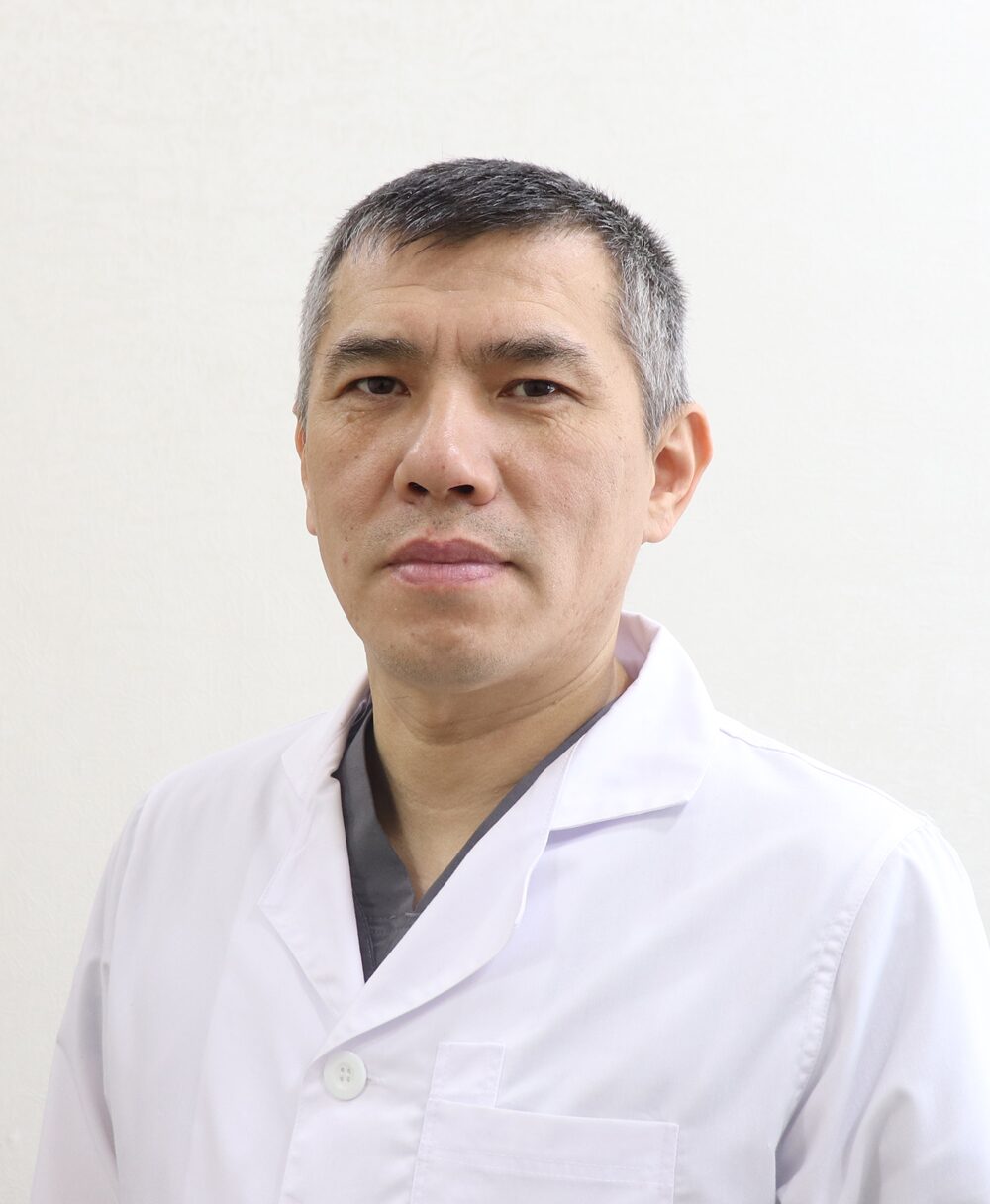
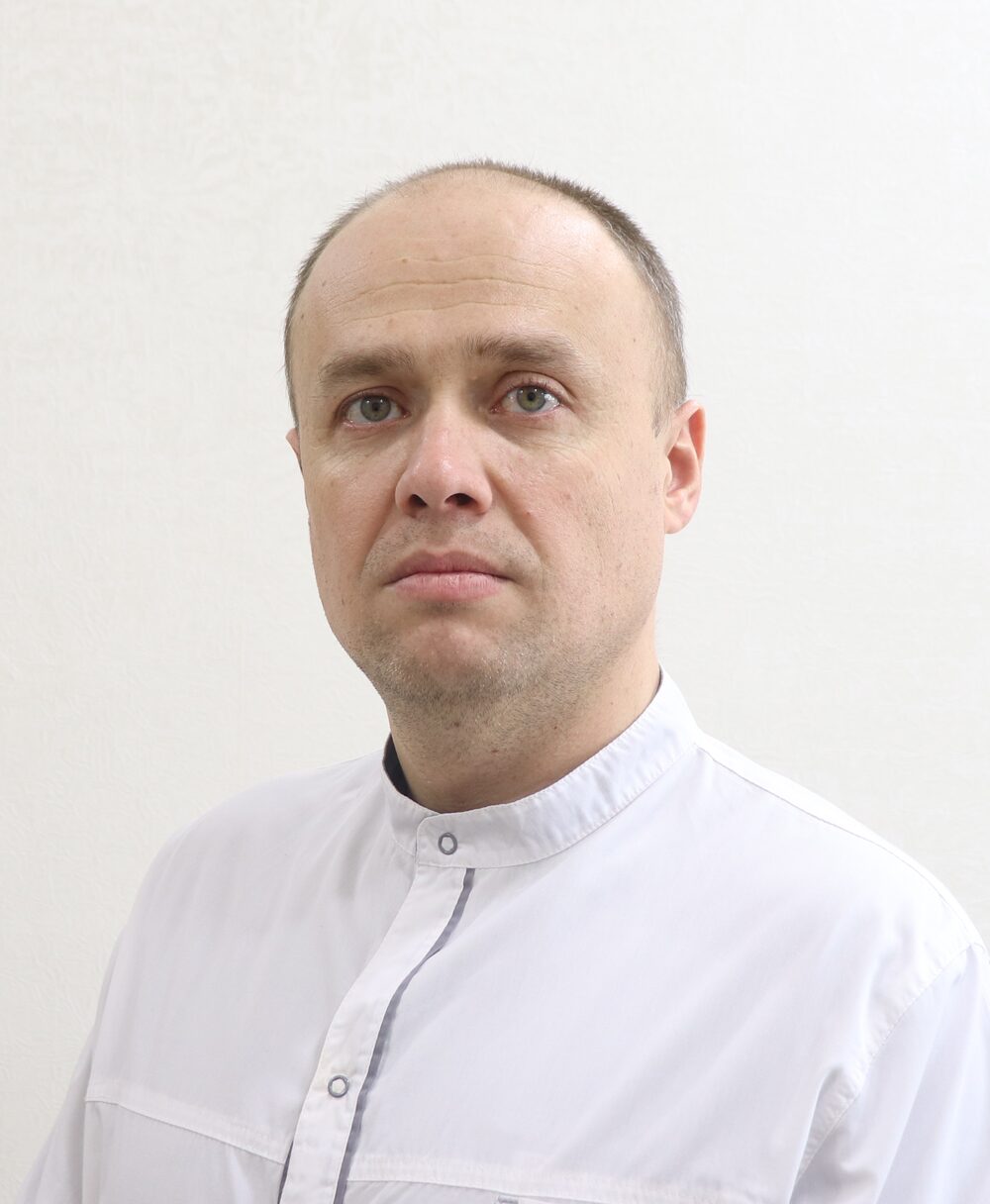
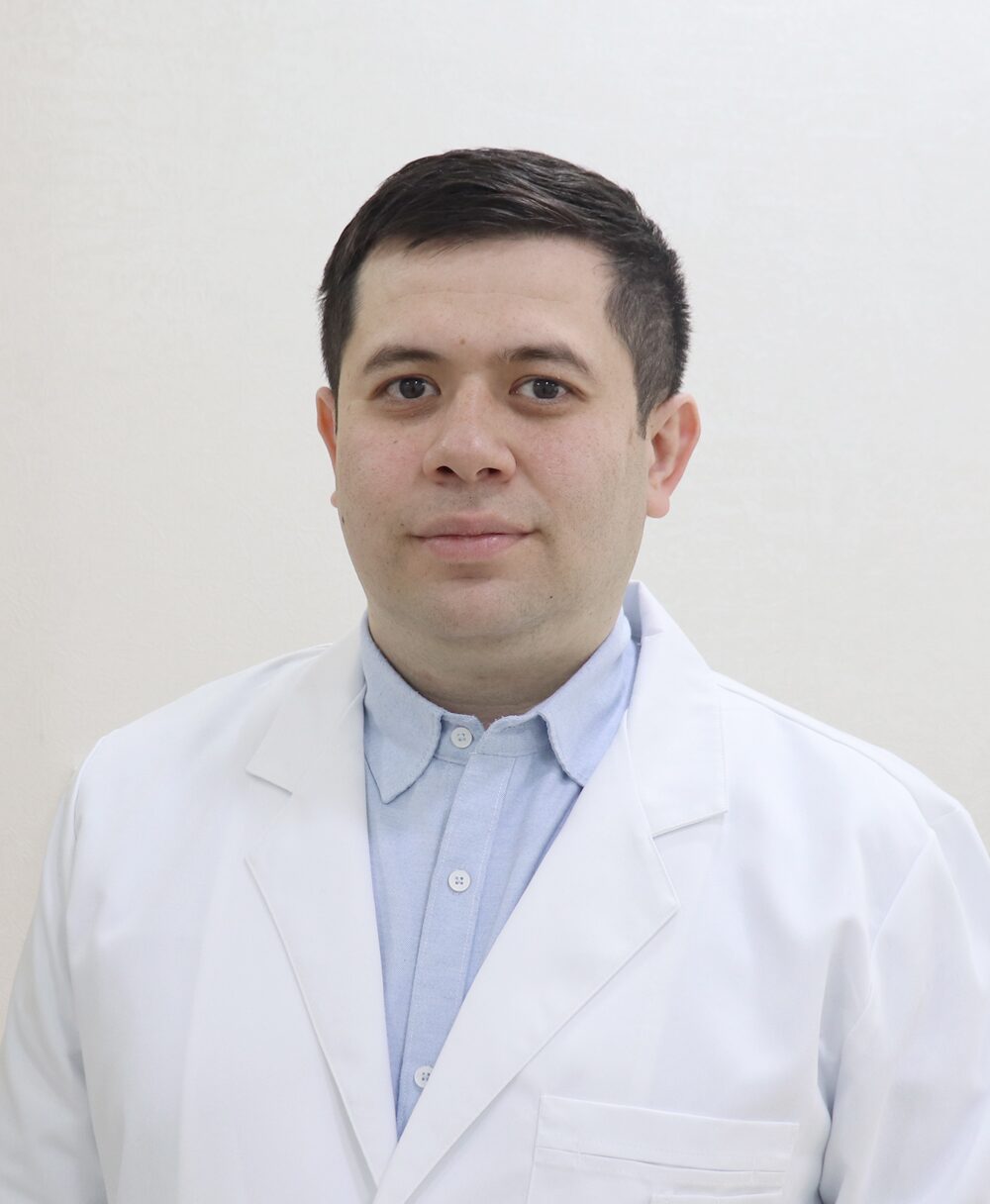
Doctors of this department
Saba Darmon Medical Center — contacts
📍 Tashkent, Nurafshon street, 7A/3
📞 +99871 210-30-30 · WhatsApp +998 95 662-30-30
✉️This email address is being protected from spambots. You need JavaScript enabled to view it.
🌐 Instagram · Telegram · Facebook · YouTube
📞 +99871 210-30-30 · WhatsApp +998 95 662-30-30
✉️
🌐 Instagram · Telegram · Facebook · YouTube