Robotic Surgery in Tashkent: Which Operations Are Performed at Saba Darmon
Direction: Robotic surgery · All services
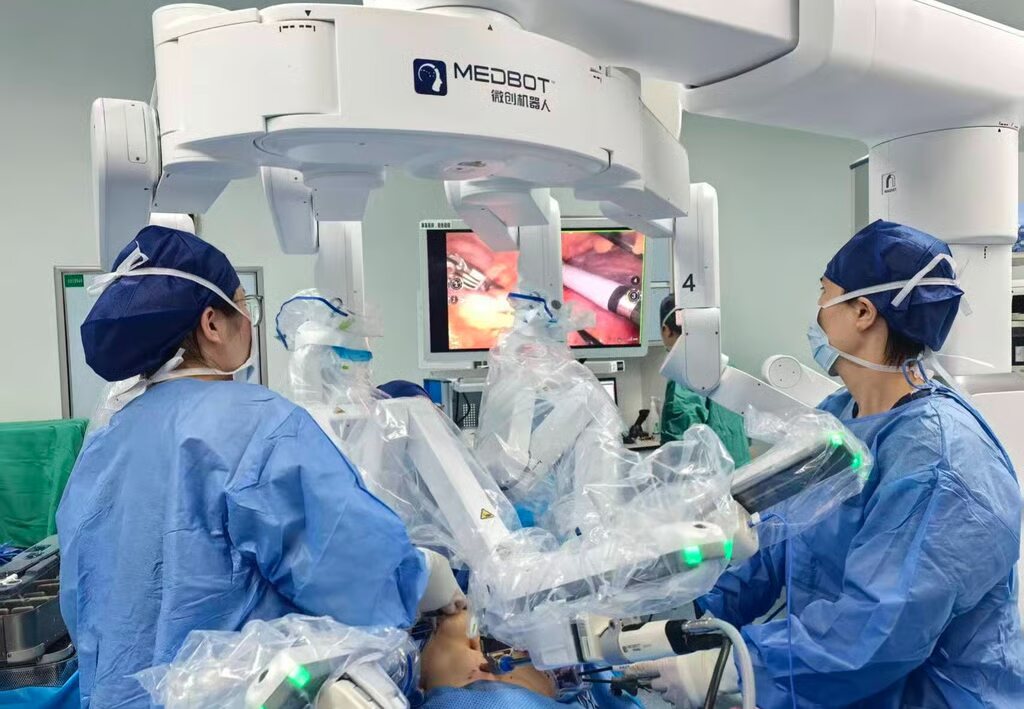
Robotic surgery is the field of operations performed with the MedBot Toumai system at Saba Darmon clinic in Tashkent. This is the series home page: a brief account of the method and the way to every article on urology, gynaecology and abdominal surgery.
Contents
What robotic surgery is and how it is set up at Saba Darmon
Robotic surgery is a method in which the surgeon sits at a console and drives instruments on manipulators beside the patient. The robot does nothing by itself: it turns the surgeon's hand movement into a fine, tremor-free, precise movement and shows the field magnified in three dimensions. The result is complex operations through ports, with less blood loss and faster recovery.
At Saba Darmon this field is built on the MedBot Toumai system (the partnership agreement was signed in July 2026). Below, every article in the series is grouped by direction, so a patient finds the answer for their own situation in one place.
Where to start: first about the system, then 10 questions about safety and who it does not suit. Then move to the article on your diagnosis.
About robotic surgery
- Robotic Surgery in Tashkent: the MedBot Toumai System
- Is Robotic Surgery Safe? 10 Questions
- Robotic Surgery vs Laparoscopy: What Is the Difference
- Preparing for Robotic Surgery: Step by Step
- Recovery After Robotic Surgery
- Who Is Not Suitable for Robotic Surgery
- What Is Telesurgery?
- Robotic Surgery in Older Adults
Urology and uro-oncology
- Robotic Prostatectomy
- Kidney Tumour: Robotic Partial Nephrectomy
- Bladder Cancer: Robotic Cystectomy
- Hydronephrosis: Robotic Pyeloplasty
- Adrenal Tumour: Robotic Adrenalectomy
- Kidney Removal: Robotic Nephrectomy
- Large Prostate Adenoma: TURP or Robotic Surgery
- Varicocele Surgery: Marmar or Robotic
Gynaecology
- Uterine Fibroids: Robotic Surgery
- Endometriosis and Ovarian Cysts: Robotic Surgery
- Uterine and Cervical Cancer: Robotic Surgery
- Pelvic Organ Prolapse: Robotic Sacrocolpopexy
- Ectopic Pregnancy: Tube-Sparing Robotic Surgery
- Female Urinary Incontinence: TVT or Robotic Surgery
Abdominal surgery
- Hernia: Robotic Repair
- Gallbladder: Robotic Cholecystectomy
- Colorectal Cancer: Robotic Surgery
- Stomach Cancer: Robotic Gastrectomy
When the robot genuinely gives an advantage
- working in a confined, deep space — the pelvis (prostate, uterus, rectum);
- many fine sutures — the bladder–urethra anastomosis, closing the kidney after partial resection, tubal reconstruction;
- when nerves and vessels must be preserved — nerve-sparing prostatectomy, the renal vessels;
- scarring and adhesions from previous operations.
In straightforward situations (an uncomplicated gallbladder or a one-sided hernia, for example) laparoscopy gives the same result — every article says so plainly. The choice of method is a joint decision of surgeon and anaesthetist.
How it begins
Consultation → investigations (ultrasound, CT, tests) → decision on extent and method → preparation → operation → recovery plan. Every stage takes place at the clinic. Booking: +998 71 210-30-30 or online.
How the robotic programme is organised at the clinic
- One team, one building. Consultation, investigations, surgery and the ward are all inside Saba Darmon; the patient does not travel between clinics.
- The method follows the case. The robot is a tool, not a goal: if laparoscopy or open surgery is safer, the surgeon and anaesthetist will propose exactly that.
- Open information. Every article in the series says what to expect, what the risks are and which questions to ask — the patient comes to the decision prepared.
- Still with us after surgery. Follow-up visits, explaining the histology result and, where needed, referral to an allied specialist are handled within the clinic.
Frequently asked questions
Does the robot operate by itself?
No. Every movement is made by the surgeon; the robot transmits the hand movement precisely and without tremor, and makes no decisions of its own.
Which operations are done with the robot?
The list above — the main procedures in urology, gynaecology and abdominal surgery. Each article says when the robot adds value and when ordinary laparoscopy is enough.
Is robotic surgery safe?
Safety depends not on the method but on the team's experience and the right choice. Detailed answers are in the "10 questions" article.
How long is recovery?
After port-based surgery patients usually walk the next day and stay a few days in hospital; the exact period depends on the extent — see the "recovery plan" article.
How do I start?
Book a specialist consultation: +998 71 210-30-30. After the work-up the surgeon proposes the method.
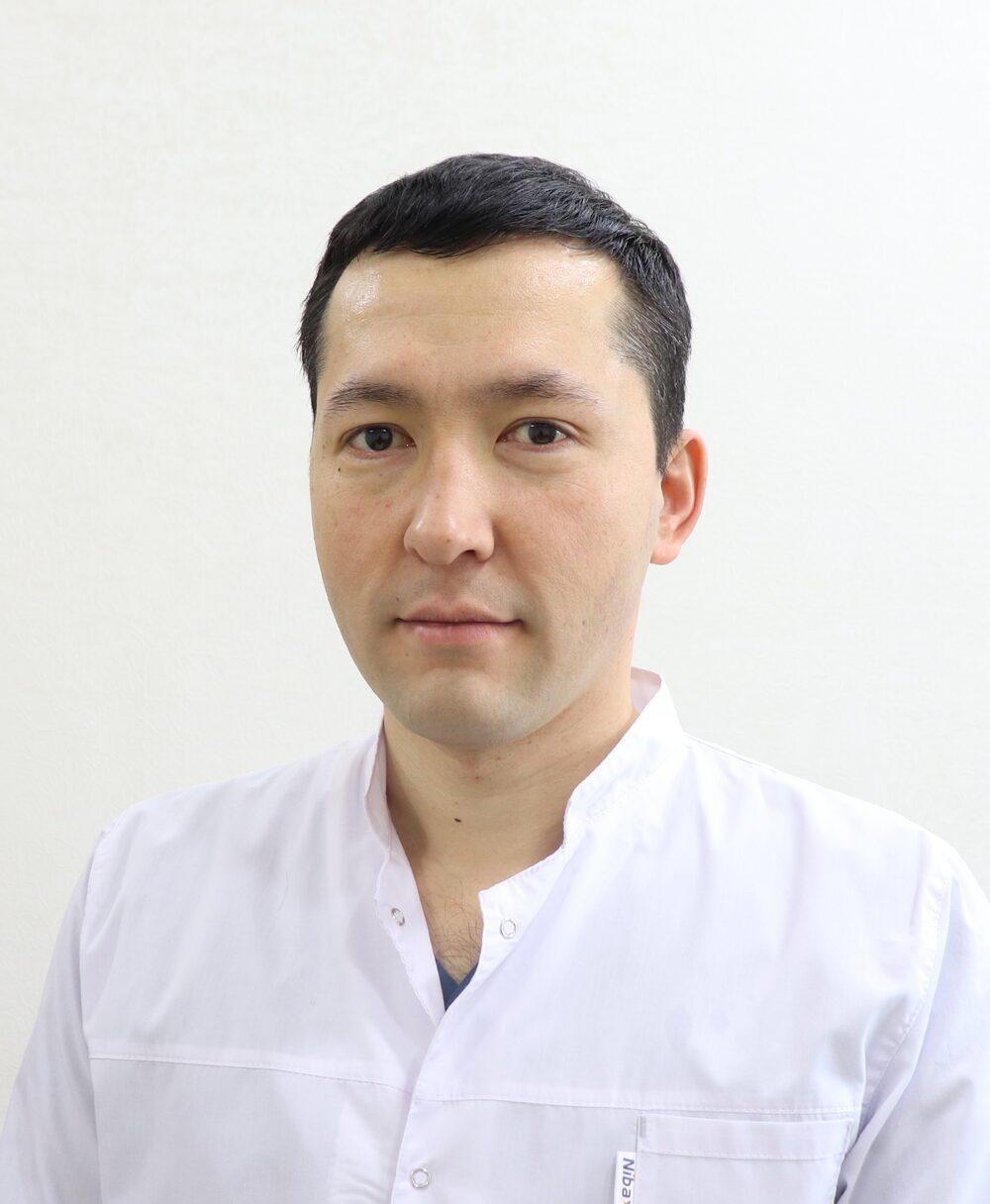
Doctors for consultation
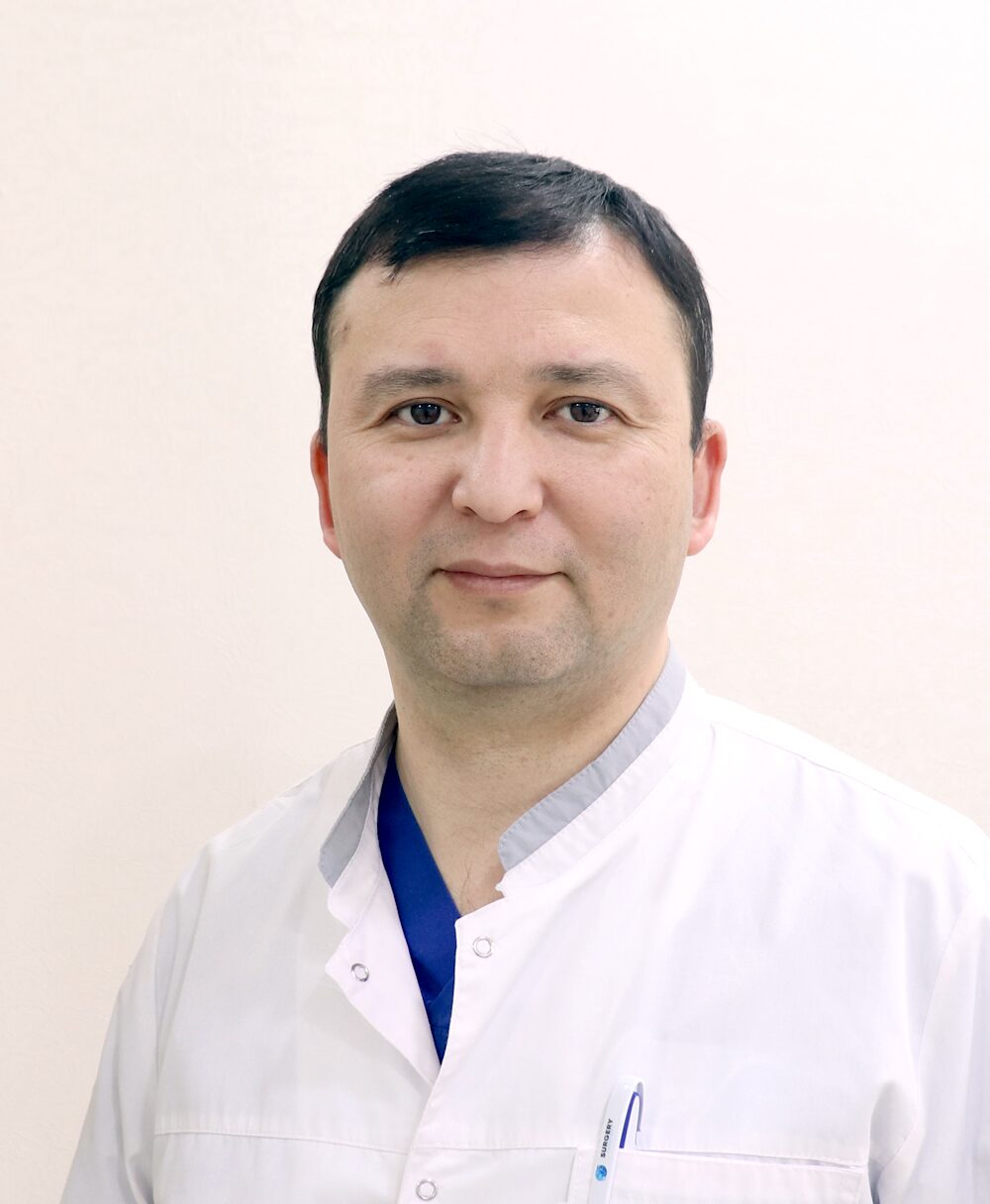
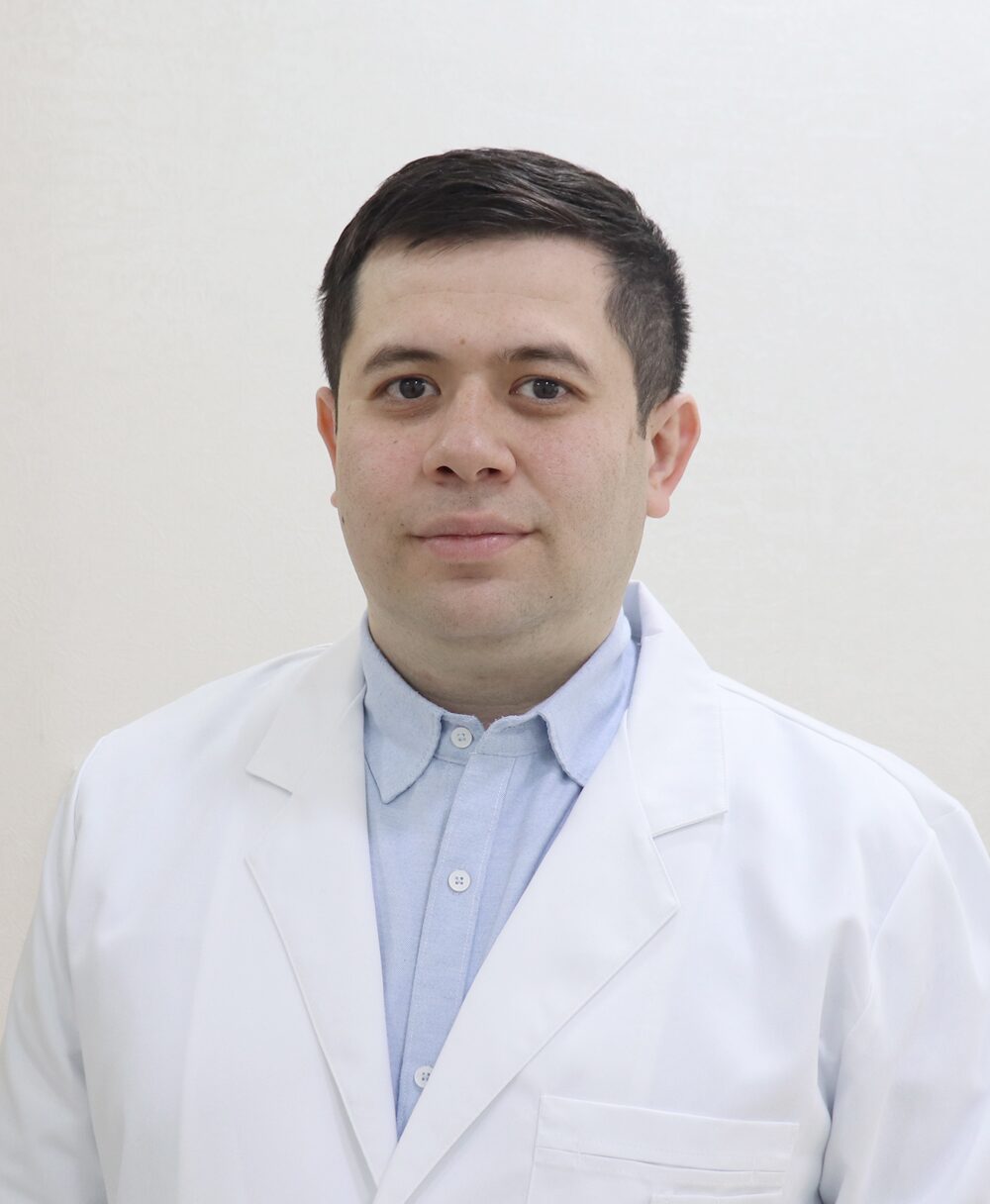
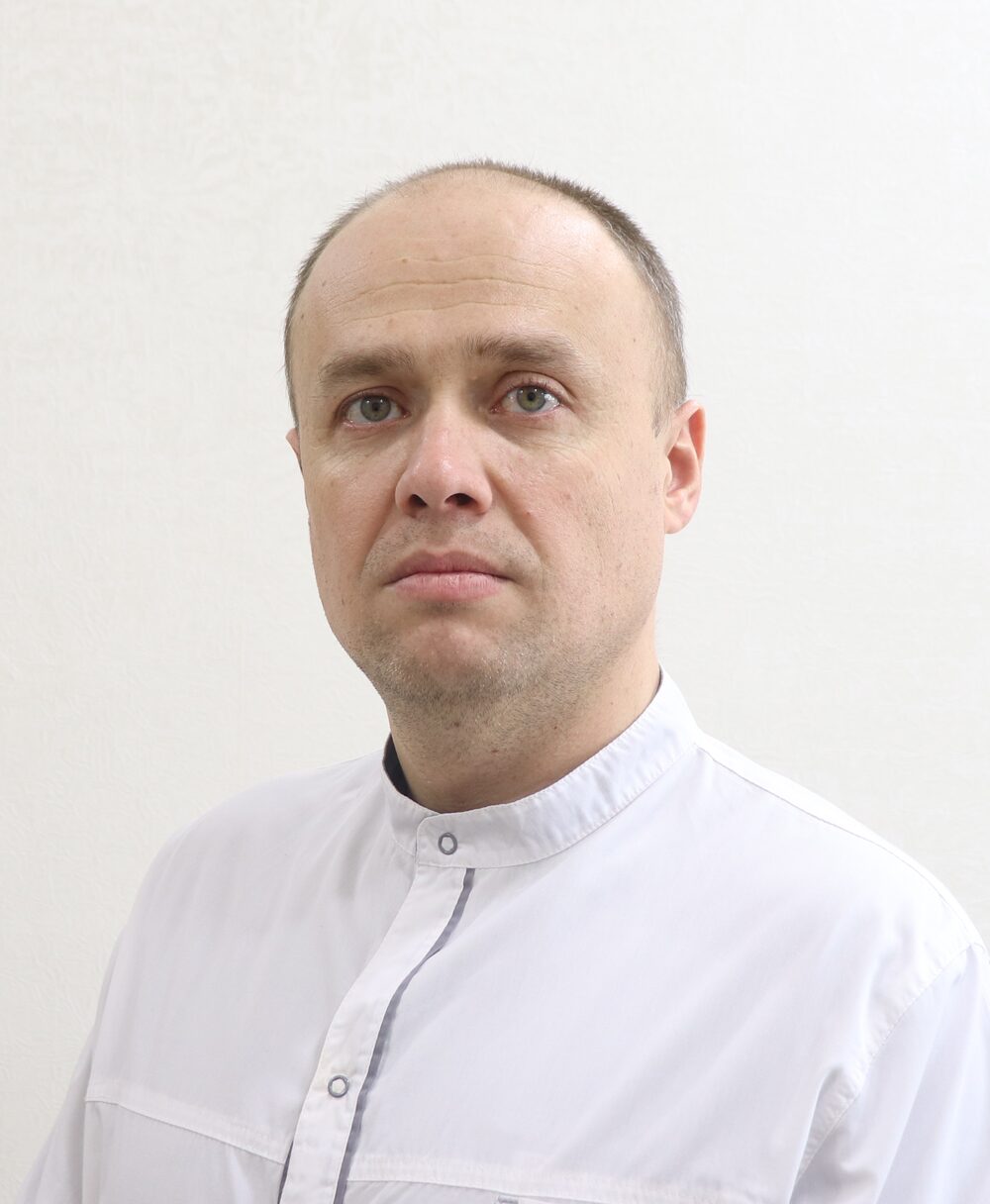
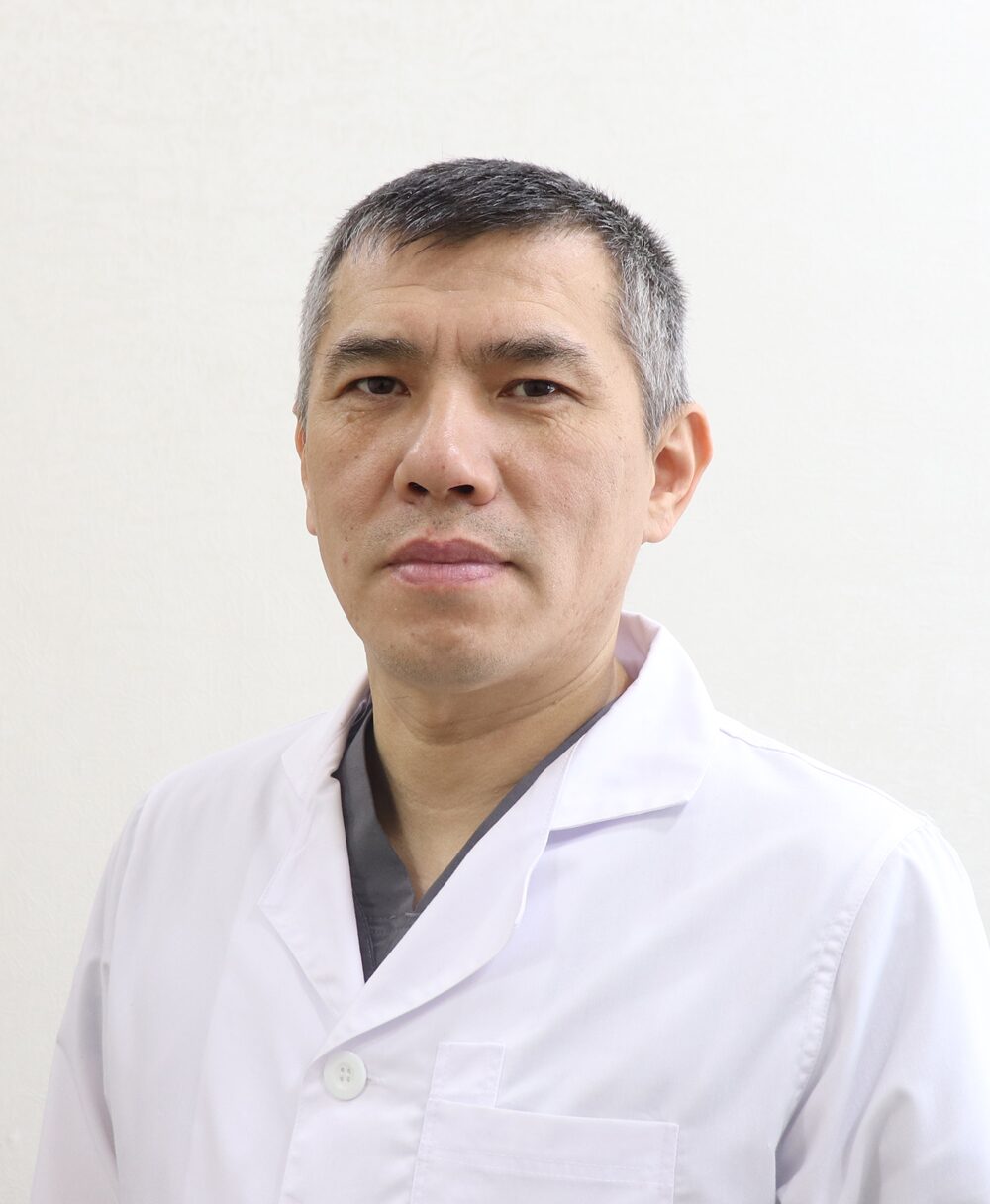
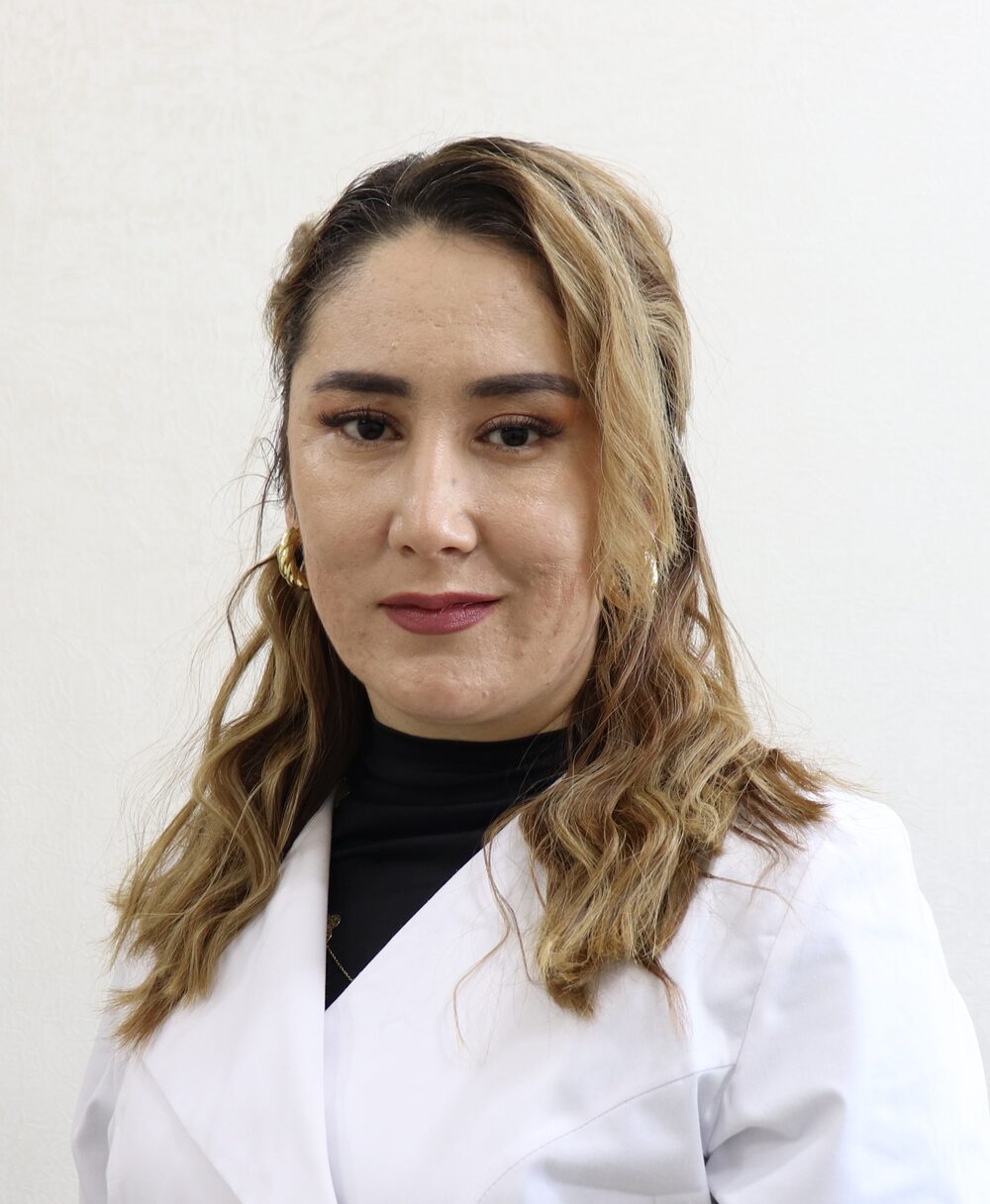
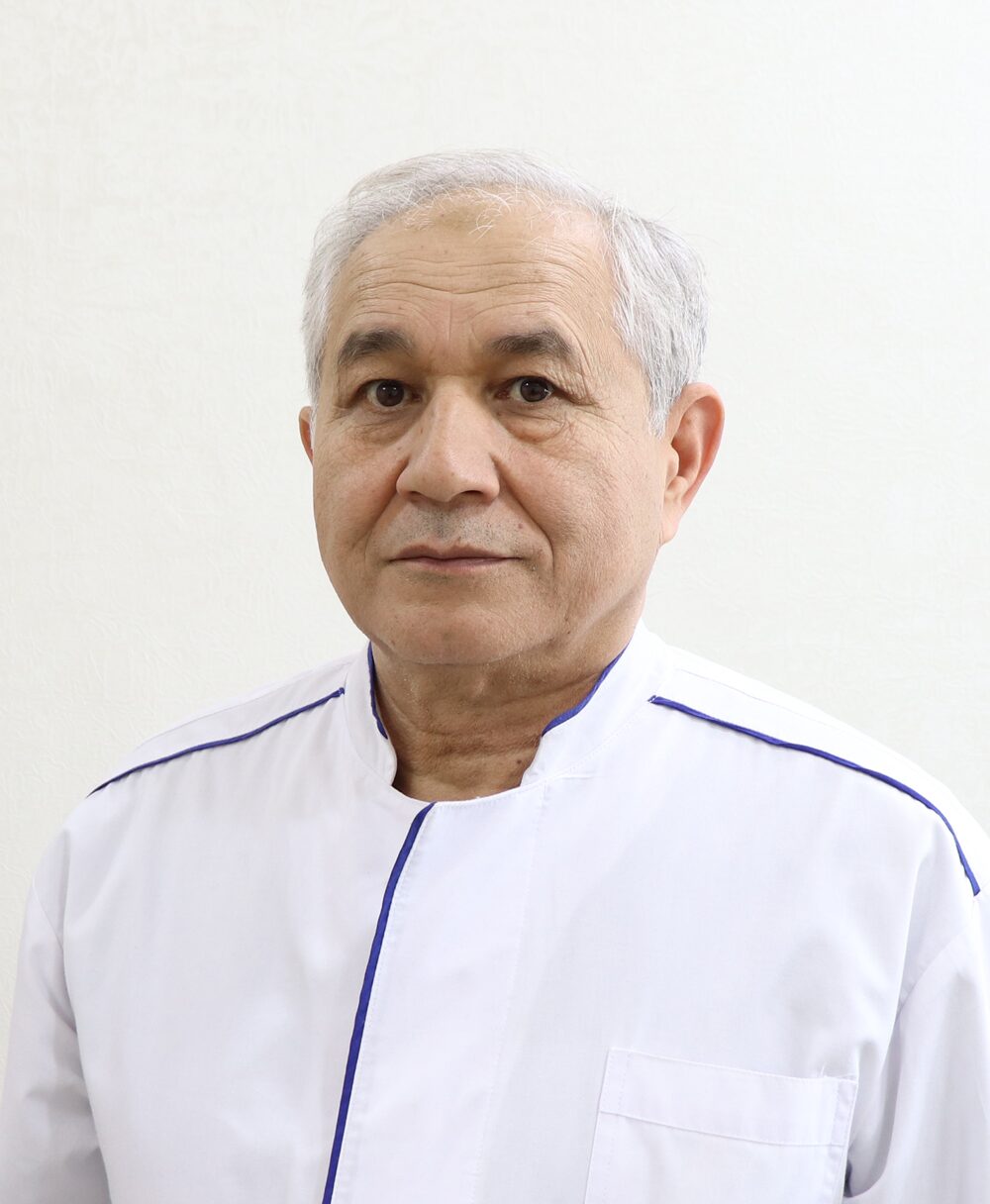
Robotic operations are performed by our surgeons, gynaecologists and urologists:

Is robotic surgery right for you?
Book an appointment with a surgeon and bring your test results: the doctor will compare the options and recommend the safest one for you.
Call now — +998 71 210-30-30Contacts
Address: 7A/3 Nurafshon street, Tashkent
Phone: +998 71 210-30-30 · WhatsApp: +998 95 662-30-30
Opening hours: Monday–Saturday, 09:00–18:00
E-mail: