


Useful articles

Bladder Cancer: Robotic Cystectomy and Urinary Diversion
Doctor's blog
sbdrmn
Direction: Robotic surgery · All services
Removing the bladder completely for cancer — radical cystectomy — is one of the largest operations in surgery. It combines two tasks: taking the tumour out in full and creating a new route for urine. Below: what the operation involves, which options exist and what robotic assistance adds.
Contents
When removal of the bladder is discussed
Bladder cancer most often announces itself as blood in the urine — painless and frequently a single episode. That is precisely why even one episode calls for investigation rather than waiting.
If the tumour grows only in the lining, it can usually be removed through the urethra without any incision. But when it invades the muscle layer of the wall, or a superficial tumour keeps coming back, the surgeon discusses removing the organ altogether — radical cystectomy.
What radical cystectomy involves
It is not only the bladder. The operation usually covers:
- the bladder itself;
- the pelvic lymph nodes, to establish how far the disease has spread (lymph node dissection);
- in men — the prostate and seminal vesicles;
- in women — sometimes the uterus and part of the vagina.
And the second part, the one patients feel most in daily life — creating a new route for urine.
Three ways to divert the urine
| Option | What it is | Who it is discussed for |
|---|---|---|
| Ileal conduit | A short segment of small bowel becomes a channel; urine leaves through an opening on the abdominal wall into an external bag | The most widely used and technically dependable option |
| Neobladder | A reservoir is built from bowel and joined to the urethra, so passing urine the natural way is preserved | Good kidney function, a clear urethra and a patient ready for self-care |
| Ureterocutaneostomy | The ureters are brought directly to the skin | When general health is more fragile and the operation must be shortened |
The choice depends on kidney function, where the tumour sits, age and — it is worth saying plainly — how ready the person is to learn a new routine. This decision is made before surgery.
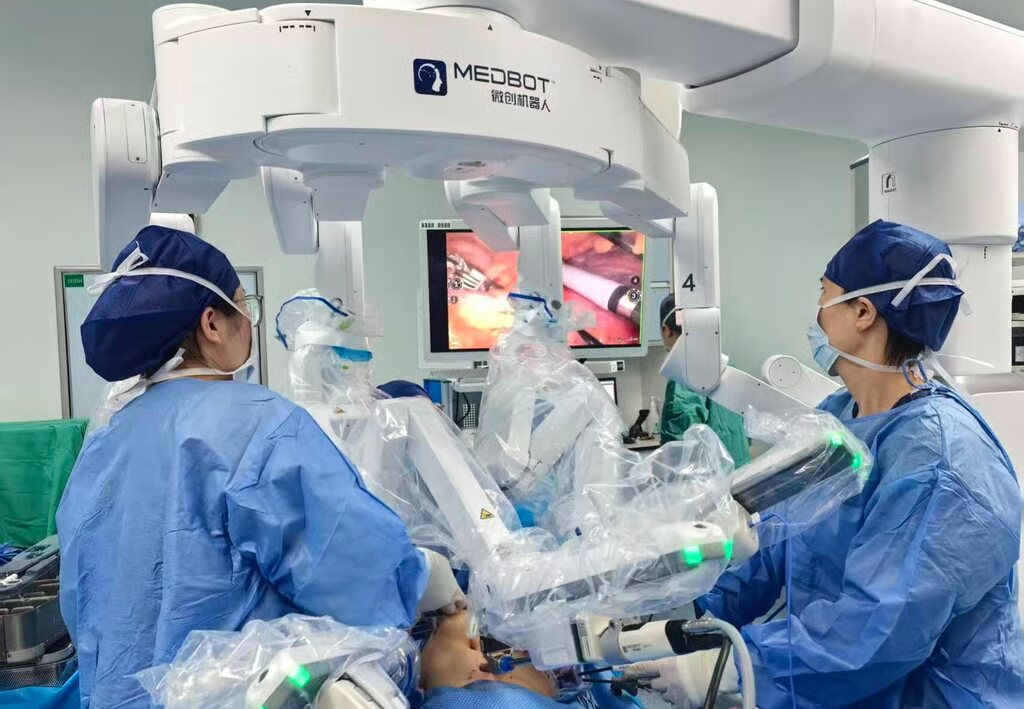
Why the robot helps in this particular operation
Cystectomy is among the largest operations in surgery. It joins two demanding stages: removing an organ deep in the pelvis, and then building a reservoir from bowel and joining it to the ureters and urethra — which means many fine sutures.
It is on that second stage that robotic assistance pays off: the instrument's articulated wrist turns in a confined space almost like a human hand, the image is three-dimensional, and natural hand tremor is filtered out. Precision also matters while clearing lymph nodes, which lie close to major vessels and nerves.
Important: the robot does not reduce the extent of the operation. The extent stays the same — what changes is the access (through small ports) and how freely the instrument moves in the surgeon's hands.
How the day of surgery goes
- General anaesthesia; the operation is long — a consequence of its extent, not a sign of trouble.
- Camera and instruments are inserted through ports and the abdomen is inflated with gas.
- The bladder and lymph nodes are removed, then the chosen form of urinary diversion is created.
- The removed tissue goes for histological examination, which guides any further treatment.
- Drains and catheters stay in for several days; the surgeon decides when they come out.
Recovery and life afterwards
Early walking is encouraged from the first days — it prevents blood clots and chest complications. Bowel function returns gradually, so eating is reintroduced in stages.
The main long-term change is the new routine for urine. With a conduit, you learn to care for the bag; with a neobladder, you relearn to empty on a schedule, including waking at night. Nurses and doctors teach this both before and after the operation.
Stopping smoking is the least discussed yet most consequential step with this diagnosis: smoking is regarded as the principal risk factor for bladder cancer and affects risk during follow-up.
What to settle with your doctor beforehand
Is there any chance of keeping the bladder and what does it depend on; which diversion is recommended and why; is chemotherapy needed before surgery; when will histology be ready; what the follow-up schedule will look like. The list of pre-operative tests is set out in a separate article, and the stages of preparation here.
Frequently asked questions
Can the bladder be preserved?
In some cases yes — when the tumour grows only in the lining, or in selected situations where radiotherapy and chemotherapy are combined. It depends on how deeply the tumour invades and on the test results, so it should be clarified with your doctor.
Will I be able to pass urine as before?
That depends on the option chosen. With a neobladder, passing urine the natural way is preserved but has to be relearned. With a conduit, urine collects in an external bag.
How long does the operation take?
It is an extensive procedure lasting several hours. Your surgeon will give a realistic figure based on the investigations and the diversion chosen.
Is chemotherapy needed before surgery?
In a number of cases chemotherapy before surgery is discussed. The decision is made together with an oncologist, based on the stage and general condition.
When can I go back to work?
It depends on the extent of surgery and your occupation: desk work is usually allowed earlier than physical work. Lifting is restricted for several weeks.
What does follow-up look like?
The schedule is built around the histology result: review appointments, blood tests and imaging are repeated at set intervals.
More about robotic surgery:
- Robotic Surgery in Tashkent — all directions
- Robotic Surgery in Tashkent: the MedBot Toumai System
- Is Robotic Surgery Safe? 10 Questions
- Robotic Surgery vs Laparoscopy: What Is the Difference
- Preparing for Robotic Surgery: Step by Step
- Recovery After Robotic Surgery
- Hernia: Robotic Repair
- Gallbladder: Robotic Cholecystectomy
- Who Is Not Suitable for Robotic Surgery
- Uterine and Cervical Cancer: Robotic Surgery
- Large Prostate Adenoma: TURP or Robotic Surgery
- Varicocele Surgery: Marmar or Robotic
- Kidney Removal: Robotic Nephrectomy
- Ectopic Pregnancy: Tube-Sparing Robotic Surgery
- Female Urinary Incontinence: TVT or Robotic Surgery
- Uterus Removal: Robotic Hysterectomy
- Hiatal Hernia and Reflux: Robotic Fundoplication
- Liver Tumour: Robotic Liver Resection
- Pancreatic Tumour: Robotic Resection
- Obesity Surgery: Robotic Sleeve Gastrectomy
- Diastasis Recti: Robotic Repair
- Colon Cancer: Robotic Hemicolectomy
- Anaesthesia and Pain Control in Robotic Surgery
- Pregnancy After Robotic Myomectomy
- Robotic Prostatectomy
- Kidney Tumour: Robotic Partial Nephrectomy
- Colorectal Cancer: Robotic Surgery
- Uterine Fibroids: Robotic Surgery
- Endometriosis and Ovarian Cysts: Robotic Surgery
- What Is Telesurgery?
- Robotic Surgery in Older Adults
- Stomach Cancer: Robotic Gastrectomy
- Hydronephrosis: Robotic Pyeloplasty
- Pelvic Organ Prolapse: Robotic Sacrocolpopexy
- Adrenal Tumour: Robotic Adrenalectomy
Doctors for consultation
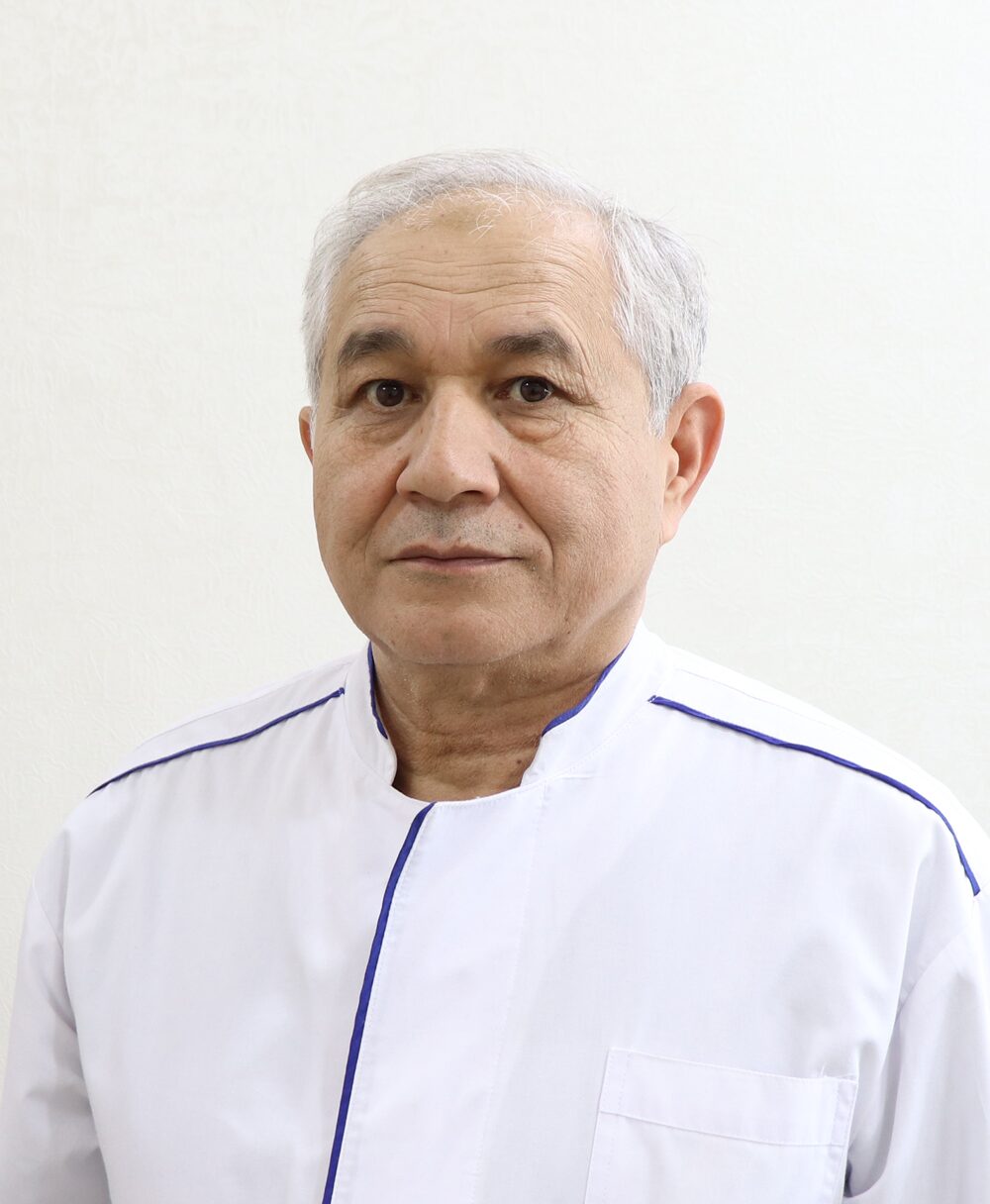
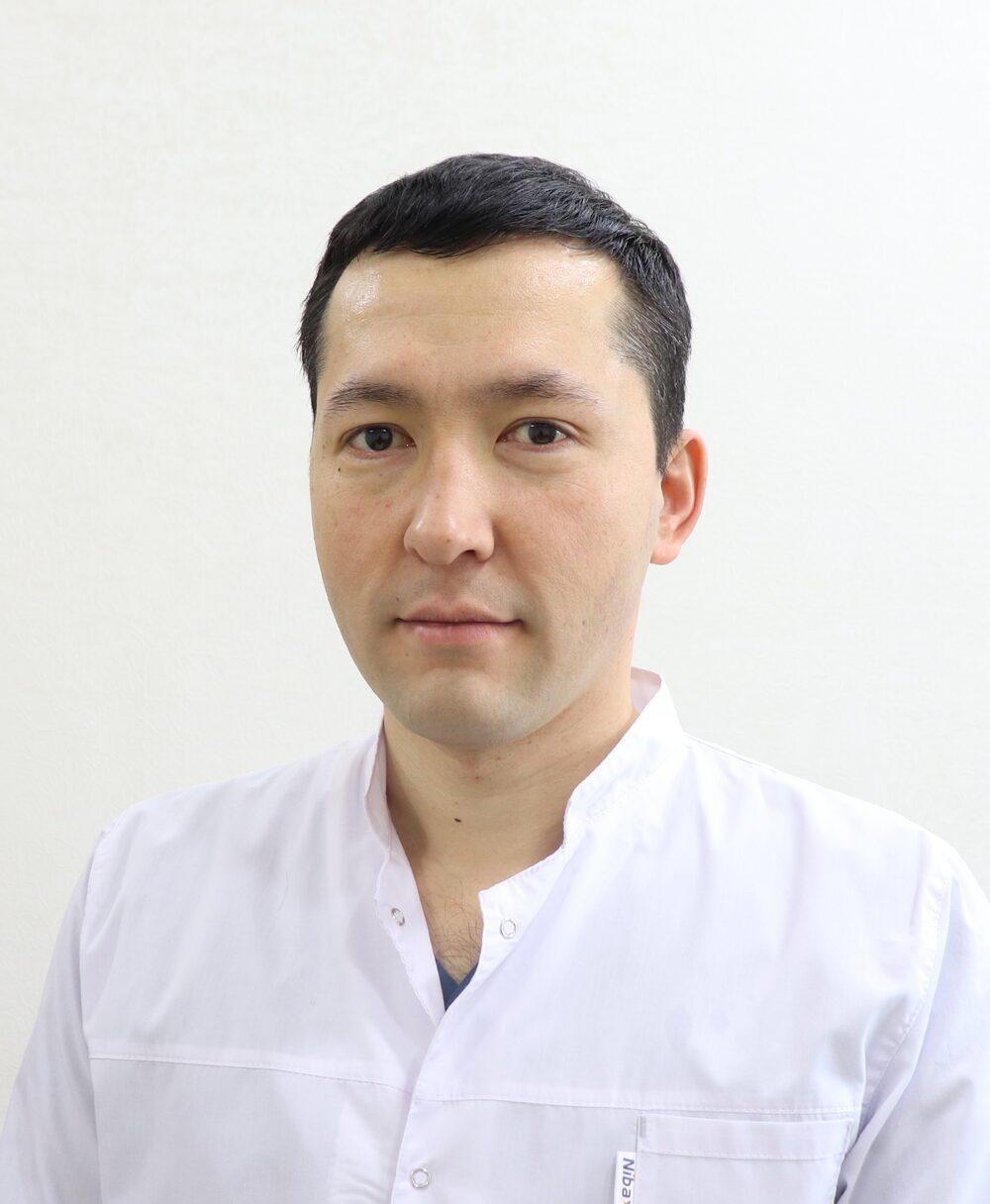
Bladder cancer is treated by a urologist and an oncological surgeon working together. Our doctors in this field:


Is robotic surgery right for you?
Book an appointment with a surgeon and bring your test results: the doctor will compare the options and recommend the safest one for you.
Call now — +998 71 210-30-30Contacts
Address: 7A/3 Nurafshon street, Tashkent
Phone: +998 71 210-30-30 · WhatsApp: +998 95 662-30-30
Opening hours: Monday–Saturday, 09:00–18:00
E-mail: