


Useful articles

Anaesthesia and Pain Control in Robotic Surgery: Preparation, Waking Up, Risks
Doctor's blog
sbdrmn
Direction: Robotic surgery · All services
Anaesthesia for robotic surgery is always general anaesthesia: you sleep, a ventilator controls your breathing, and pain is managed with several methods working together. For many people the anaesthetic is more worrying than the operation itself. Below, in plain language: why general anaesthesia is needed, what the anaesthetic assessment involves, what to do about medicines and fasting, what happens in theatre, and how waking up, pain relief and the risks are handled.
Contents
- What kind of anaesthesia is used for robotic surgery, and why general
- Before anaesthesia: the anaesthetic assessment and tests
- Medicines and fasting: what to agree in advance
- What happens in the operating theatre
- Anaesthesia for robotic, laparoscopic and open surgery: is there a difference?
- Waking up after anaesthesia and the first hours
- Pain relief after surgery: the multimodal approach and ERAS
- Shoulder-tip pain, a sore throat and nausea: why they happen and how they are prevented
- Risks of anaesthesia: an honest look at how they are reduced
- Special groups: older adults, obesity, heart and lung disease, sleep apnoea
- What to ask your anaesthetist
- Frequently asked questions
What kind of anaesthesia is used for robotic surgery, and why general
Robot-assisted operations are almost always carried out under general anaesthesia. You are in a deep, controlled sleep, you feel no pain, and a ventilator takes care of your breathing. Spinal or local anaesthesia on its own is usually not enough for these operations, and there are several concrete reasons for this:
- Carbon dioxide (CO2) gas. To see clearly and have room to work, the surgeon inflates the abdomen with gas. The gas pushes the diaphragm upwards, makes breathing harder and is partly absorbed into the blood — so breathing has to be controlled precisely by a machine.
- Special positions. For operations in the pelvis (prostate, uterus, rectum) the head end of the table is tilted steeply downwards — this is called the Trendelenburg position. For other operations you may be placed on your side. Nobody could stay awake and still in such a position for long.
- Complete stillness. The robotic arms pass into the abdomen through small ports and are fixed in place during the operation. Even a small movement by the patient could be dangerous, so the muscles are relaxed with special medicines.
Saba Darmon clinic has the MedBot Toumai robotic system, and every operation on it is carried out under the supervision of an anaesthetist and intensive care specialist. The types of anaesthesia and their risks in general are covered in a separate article; here we focus on what is specific to robotic surgery.
Before anaesthesia: the anaesthetic assessment and tests
A few days before the operation, or on the day you are admitted, the anaesthetist will talk with you separately. This is not a formality: it is where the anaesthetic plan is made. The doctor will ask about and check:
- heart, lung, kidney and liver disease, diabetes and blood pressure;
- how previous anaesthetics went, and whether relatives have had serious reactions to anaesthesia;
- allergies (to medicines, latex or foods), smoking and alcohol;
- how wide your mouth opens, your teeth and neck movement — these affect how easily the breathing tube can be placed;
- loud snoring and pauses in breathing at night (sleep apnoea).
Blood tests, clotting tests and an ECG are usually needed; depending on your age and health, a chest X-ray, an echocardiogram or an opinion from a cardiologist or physician may be added. The full list is in the article on preoperative tests. The general steps of getting ready are collected in the article on preparing for robotic surgery.
Medicines and fasting: what to agree in advance
Make a list of every medicine you take — including vitamins and herbal products — and show it to the anaesthetist. Some medicines are stopped before surgery, while others, on the contrary, should still be taken on the morning of the operation.
Blood thinners (anticoagulants, aspirin and other antiplatelet medicines), diabetes tablets and insulin, and some weight-loss injections all affect anaesthesia and the risk of bleeding. Only your doctor can tell you when to stop them or what to replace them with. Do not stop them on your own, and do not simply carry on without asking — either can be dangerous.
Fasting. Under anaesthesia, food in the stomach can be brought up into the airway, so you need to stop eating for a certain time before surgery. The allowance for clear fluids is usually shorter. The anaesthetist will give you the exact times — follow them strictly, because fasting for far longer than needed is not helpful either. If you smoke, stopping as early as possible lowers the risk of chest complications.
What happens in the operating theatre
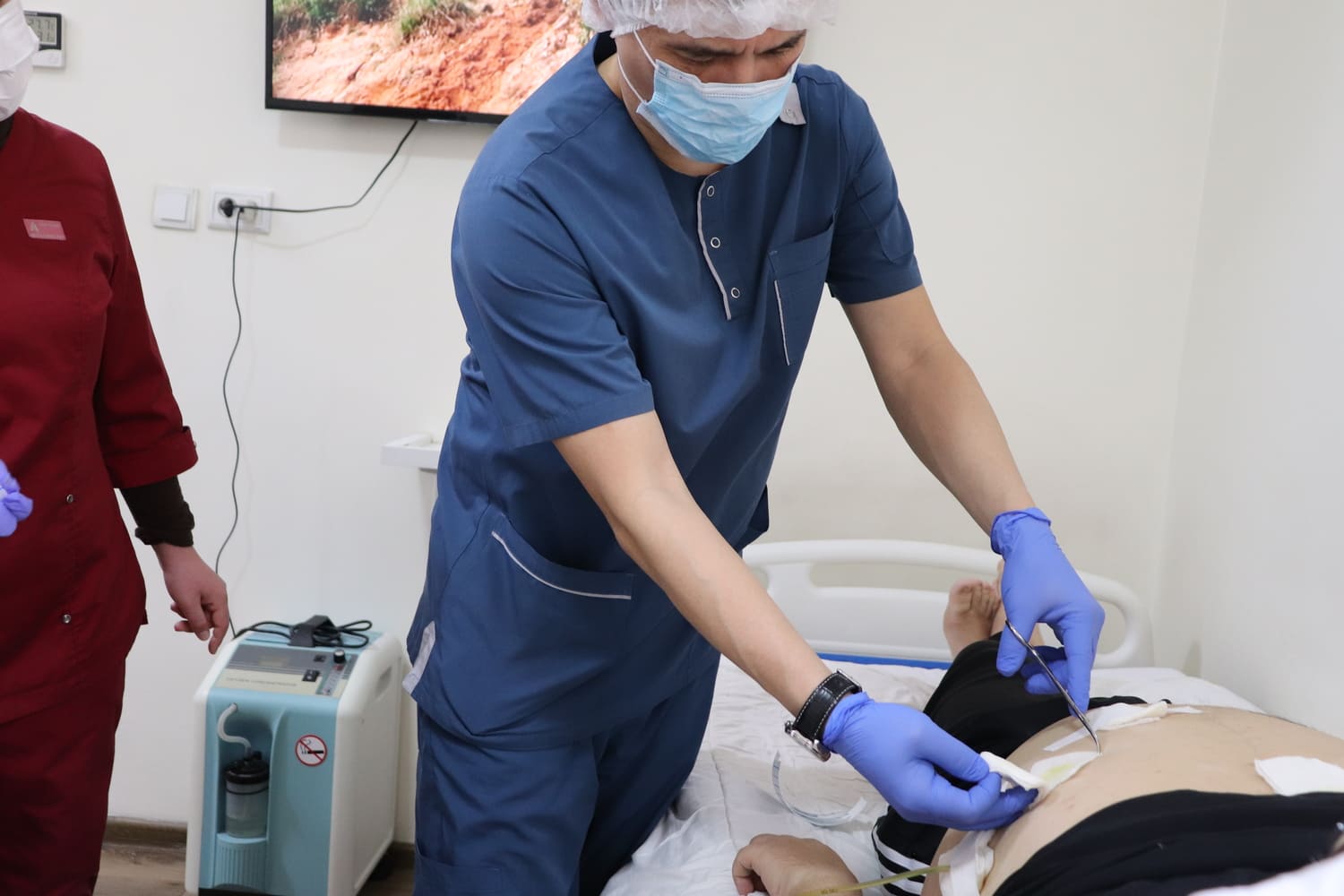
In the theatre a small cannula is placed in a vein in your hand or arm and monitors are attached: an ECG, a blood pressure cuff and a pulse oximeter that measures the oxygen in your blood. First you breathe pure oxygen through a mask, then a sleep-inducing medicine is given into the vein — within seconds you fall asleep. Once you are asleep, a breathing tube is placed in your airway and a ventilator takes over; you will not feel or remember this.
Throughout the operation the anaesthetist continuously watches the amount of CO2 in the air you breathe out (capnography), your body temperature, the depth of anaesthesia and the degree of muscle relaxation. In long or complex operations blood pressure may be measured beat by beat through a fine cannula in an artery. Your eyes are closed and protected, pressure points are padded with soft supports, your body is kept warm, and devices to prevent blood clots are placed on your legs.
Anaesthesia for robotic, laparoscopic and open surgery: is there a difference?
The anaesthetic itself is similar for all three approaches, but the anaesthetist’s tasks differ somewhat. An honest comparison:
| Aspect | Open | Laparoscopic | Robotic |
|---|---|---|---|
| Type of anaesthesia | General, sometimes combined with an epidural | General | General |
| Gas in the abdomen | No | Yes | Yes; if the operation takes longer, so does its effect |
| Patient position | Usually flat | Tilting may be used | Often a steep tilt that stays unchanged until the end |
| Pain afterwards | Greater, because of the large incision | Less | Less, small ports |
| Who may find it harder | People who cope poorly with major surgical trauma | Those with severe heart or lung disease | Those with severe heart or lung disease, or raised pressure inside the eye |
In other words, the robot is not for everyone. In some patients the gas and the tilted position place extra strain on the heart and lungs, and a different approach may be safer for them. A specific operation may be performed with robotic assistance, but the surgeon chooses the method after assessment, together with the anaesthetist.
Waking up after anaesthesia and the first hours
At the end of the operation the surgeon lets out as much of the gas as possible, and the anaesthetist stops the anaesthetic medicines. Once you are breathing on your own, the tube is removed — most people do not remember this moment. You then spend a few hours in the recovery room or on the ward, watched by a nurse and a doctor. Drowsiness, shivering and a dry mouth are normal at this stage. In many cases you can get up, drink and eat something light on the same day or the next — your doctor will tell you when, depending on the type of operation.
Pain relief after surgery: the multimodal approach and ERAS
Modern pain control does not rely on a single strong painkiller; it combines several methods. This is called the multimodal approach:
- paracetamol and anti-inflammatory painkillers (if they are safe for you);
- local anaesthetic injected around the port sites, or a nerve block of the abdominal wall;
- strong (opioid) painkillers — only when needed and in as small an amount as possible, because they increase nausea, constipation and drowsiness.
This approach is part of ERAS (Enhanced Recovery After Surgery): a short fasting period, getting up early, drinking and eating early, and preventing blood clots. Rate your pain from 0 to 10 and tell the nurse — there is no need to put up with pain, and doing so slows recovery. There is more detail in the article on pain after surgery and fast recovery.
Shoulder-tip pain, a sore throat and nausea: why they happen and how they are prevented
- Shoulder-tip pain. A small amount of gas left in the abdomen irritates the diaphragm, and the pain is felt in the shoulder. It is not dangerous and usually settles within a day or two. Walking, warm drinks and painkillers help.
- Sore throat and hoarseness. These are caused by the breathing tube and most often pass within a day or two.
- Nausea and vomiting. These are more common in women, non-smokers, people who were sick after a previous anaesthetic and those prone to travel sickness. The risk is assessed in advance, and preventive medicines are given during the operation itself. If this has happened to you before, be sure to tell the anaesthetist.
- Bloating, tiredness and sleepiness — natural in the first days and gradually fading.
Risks of anaesthesia: an honest look at how they are reduced
Modern anaesthesia is considered safe, but that does not mean the risk is zero. Minor, short-lived problems are common. Serious complications — a severe allergic reaction, stomach contents entering the airway, heart rhythm problems, nerve or eye injury related to positioning, or a blood clot in the leg veins — are rare. To prevent them, the team relies on a thorough assessment beforehand, the fasting rules, continuous monitoring, careful positioning with protective padding, clot prevention and getting up early. Older people may have temporary confusion after surgery (delirium); having relatives nearby and bringing glasses and hearing aids with you helps.
If after going home you develop chest pain, shortness of breath, swelling and pain in one leg, a temperature above 38 °C, increasing abdominal pain or sudden confusion, call 103 immediately or contact a doctor.
Special groups: older adults, obesity, heart and lung disease, sleep apnoea
- Older adults. Age alone is not a barrier; what matters is overall health. Your medicines are reviewed and the anaesthetic is planned with particular care. More detail — robotic surgery in older adults.
- Obesity. Placing the breathing tube and ventilating the lungs in a tilted position are more difficult; careful preparation and special equipment are needed. At the same time, a minimally invasive approach is often especially helpful for these patients.
- Heart and lung disease. An opinion from a cardiologist or chest physician and, if needed, extra tests are arranged. Bring your inhalers with you on the day of surgery.
- Sleep apnoea. If you use a CPAP machine, bring it with you. Strong painkillers are used more sparingly, and your breathing is monitored for longer after the operation.
What to ask your anaesthetist
What kind of anaesthetic is planned and why; which medicines to stop and when; how many hours to go without food and drink; how pain will be managed; whether nausea can be prevented; when you can get up and eat. Write these questions down and take them to the consultation. All areas of robotic surgery are listed on this page.
Frequently asked questions
Can robotic surgery be done under spinal anaesthesia?
Usually not: the gas in the abdomen, the steep tilt of the table and the need for complete stillness mean general anaesthesia is required. Sometimes a regional nerve block is added to reduce pain — the anaesthetist decides.
How many hours before anaesthesia should I stop eating?
The anaesthetist will give you the exact times: the limit for food is longer and for clear fluids shorter. Follow the instructions strictly, or the operation may have to be postponed.
Why does my shoulder hurt after robotic surgery?
A small amount of leftover gas irritates the diaphragm and the pain is felt in the shoulder. It is not dangerous and usually settles within a day or two; walking and painkillers help.
How long does it take to wake up after general anaesthesia?
Once the medicines are stopped, most people open their eyes within minutes, but full alertness returns over a few hours. Feeling sleepy on the first day is normal.
Do I need to stop blood thinners before surgery?
It depends on the medicine and why you take it. Some are stopped a few days beforehand or replaced, while others are continued. Only your doctor can decide — do not stop them on your own.
Are robotic surgery and anaesthesia safe?
With an experienced team and careful patient selection both are considered safe, but the risk is never zero. More detail — 10 questions about the safety of robotic surgery.
How long does pain last after robotic surgery?
Because the incisions are small, pain is usually less than after open surgery and eases over the first days. Advice on recovering at home is in a separate article.
More about robotic surgery:
- Robotic Surgery in Tashkent — all directions
- Robotic Surgery in Tashkent: the MedBot Toumai System
- Is Robotic Surgery Safe? 10 Questions
- Robotic Surgery vs Laparoscopy: What Is the Difference
- Preparing for Robotic Surgery: Step by Step
- Recovery After Robotic Surgery
- Bladder Cancer: Robotic Cystectomy
- Hernia: Robotic Repair
- Gallbladder: Robotic Cholecystectomy
- Who Is Not Suitable for Robotic Surgery
- Uterine and Cervical Cancer: Robotic Surgery
- Large Prostate Adenoma: TURP or Robotic Surgery
- Varicocele Surgery: Marmar or Robotic
- Kidney Removal: Robotic Nephrectomy
- Ectopic Pregnancy: Tube-Sparing Robotic Surgery
- Female Urinary Incontinence: TVT or Robotic Surgery
- Uterus Removal: Robotic Hysterectomy
- Hiatal Hernia and Reflux: Robotic Fundoplication
- Liver Tumour: Robotic Liver Resection
- Pancreatic Tumour: Robotic Resection
- Obesity Surgery: Robotic Sleeve Gastrectomy
- Diastasis Recti: Robotic Repair
- Colon Cancer: Robotic Hemicolectomy
- Pregnancy After Robotic Myomectomy
- Robotic Prostatectomy
- Kidney Tumour: Robotic Partial Nephrectomy
- Colorectal Cancer: Robotic Surgery
- Uterine Fibroids: Robotic Surgery
- Endometriosis and Ovarian Cysts: Robotic Surgery
- What Is Telesurgery?
- Robotic Surgery in Older Adults
- Stomach Cancer: Robotic Gastrectomy
- Hydronephrosis: Robotic Pyeloplasty
- Pelvic Organ Prolapse: Robotic Sacrocolpopexy
- Adrenal Tumour: Robotic Adrenalectomy
Doctors for consultation
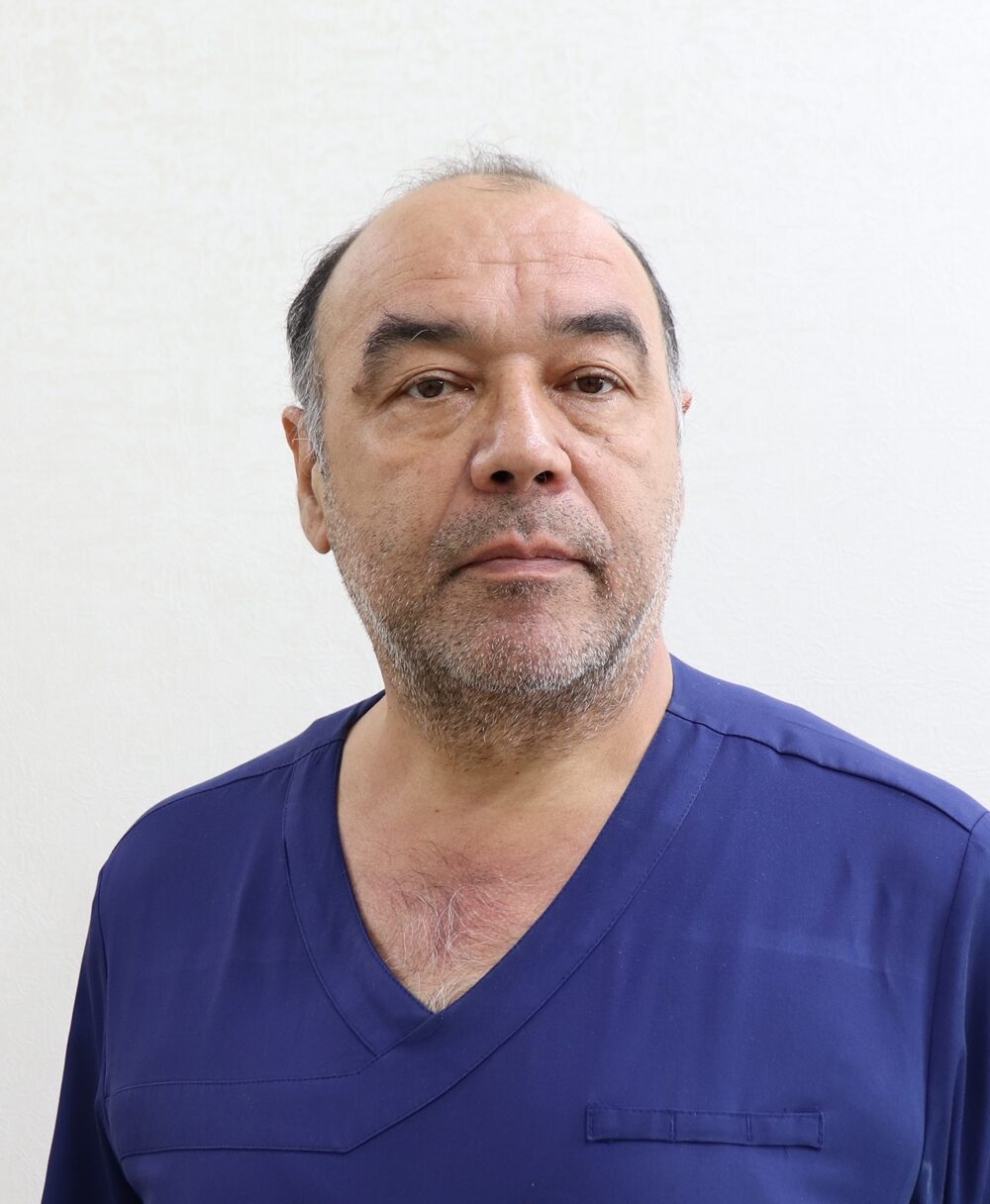
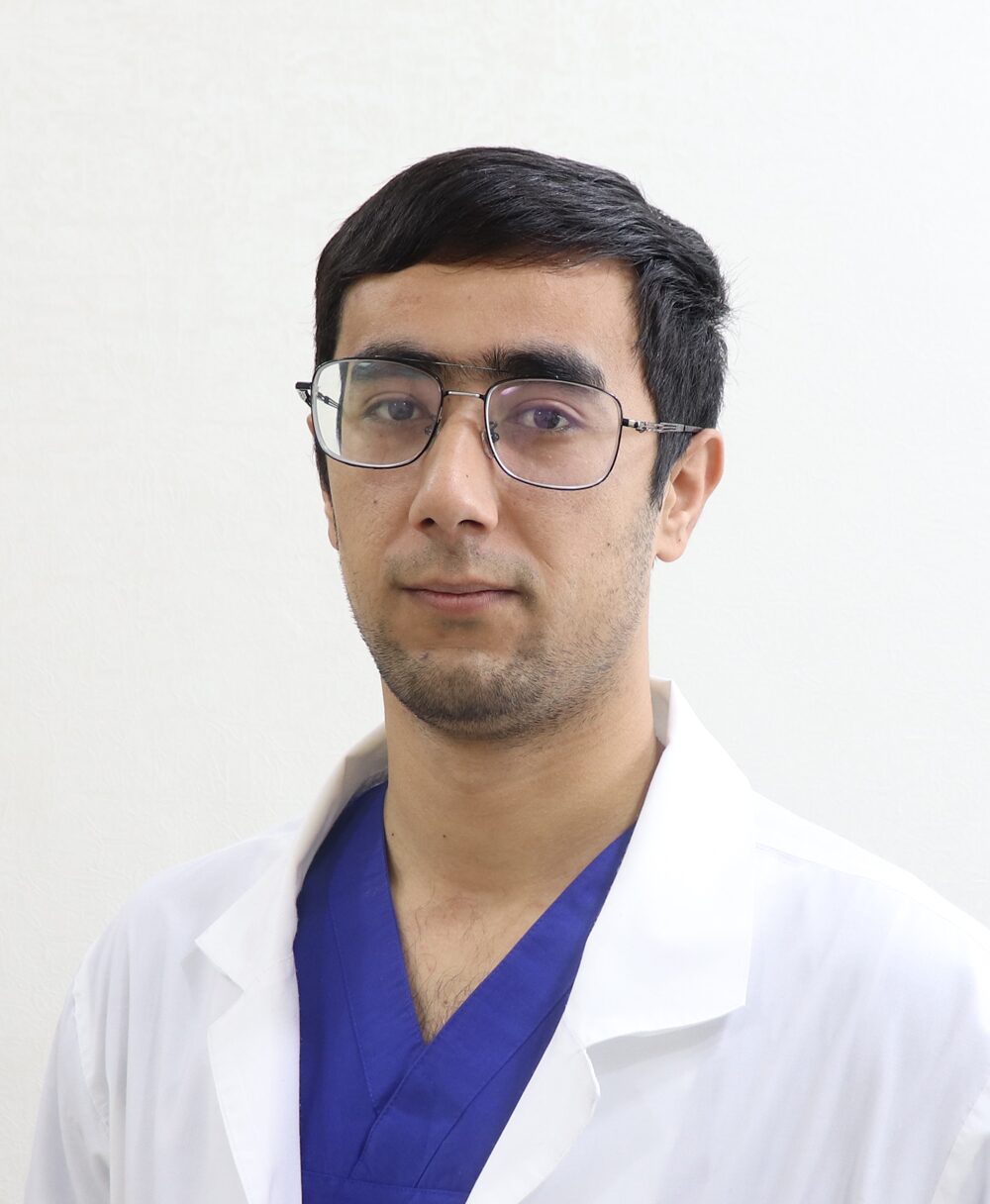
Anaesthesia and pain relief for robotic operations are provided by our anaesthetists and intensive care specialists. Our doctors in this field:
Book a consultation with an anaesthetist
The anaesthetist will answer your questions about anaesthesia, your medicines and pain relief in detail before the operation.
Call now — +998 71 210-30-30Contacts
Address: 7A/3 Nurafshon street, Tashkent
Phone: +998 71 210-30-30 · WhatsApp: +998 95 662-30-30
Opening hours: Monday–Saturday, 09:00–18:00
E-mail: