


Useful articles

Anesthesia: Types, Risks and How to Prepare — Saba Darmon
Doctor's blog
sbdrmn
"What if I don't wake up?" is the question anesthetists hear more than any other. The fear is understandable, but it rests on ideas that are half a century out of date. Modern anesthesia is a controlled state with dozens of parameters monitored continuously. Here is what the different techniques are, how they differ, and what part of the preparation is up to you.
Anesthesia and general anesthesia are not the same thing
The words get mixed up in everyday speech. Anesthesia is the umbrella term for pain-control techniques; general anesthesia is only one of them, the one that switches off consciousness. Other options leave the patient fully awake but without sensation in a specific area.
General anesthesia
Consciousness is switched off, there is no pain and the muscles are relaxed. Breathing is usually supported by a machine through a breathing tube or a specialised mask. It is used for abdominal operations, long or major procedures, and whenever the patient's position or the nature of the surgery rules out other methods.
Spinal and epidural anesthesia
The drug is placed around the spinal cord and the lower half of the body loses sensation. The patient stays awake, breathes independently, and can have light sedation to doze if preferred. This is widely used in obstetrics, lower limb surgery, urology and proctology. An epidural catheter also allows pain relief to continue after the operation.
Regional nerve block
Under ultrasound guidance a specific nerve plexus is numbed — for hand surgery, for example. The operative area is switched off while the rest of the body carries on as normal. An excellent option for patients in whom general anesthesia is best avoided.
Local anesthesia and sedation
Local anesthesia numbs a small patch of tissue for minor procedures. Sedation is not pain relief as such but medicated sleep of varying depth: it is used for endoscopy and combined with local techniques so the patient feels no anxiety.
How the method is chosen
The anesthetist decides together with the surgeon, and it is not simply a matter of patient preference. The type, extent and expected length of the operation, the position on the table, the state of the heart, lungs, kidneys and liver, blood clotting, obesity or sleep apnoea, allergies and previous experience of anesthesia, and the anatomy of the airway and spine all count. Techniques are often combined — general anesthesia plus a nerve block, for instance, to reduce the need for painkillers afterwards.
The real risks: what the numbers show
The key point: in patients without serious underlying disease, deaths attributable directly to anesthesia are extraordinarily rare in modern practice — a handful of cases per hundreds of thousands of anesthetics. Safety has improved many times over in recent decades thanks to pulse oximetry, capnography, modern short-acting drugs and mandatory continuous monitoring.
Far more common are the unpleasant rather than dangerous effects, and these are discussed honestly beforehand: nausea and vomiting after surgery, shivering, a sore throat from the breathing tube, headache after spinal anesthesia, temporary difficulty passing urine, drowsiness and poor concentration during the first day. Most settle quickly and can be treated.
Risk depends less on the technique than on the starting condition: serious heart and lung disease, poorly controlled diabetes, marked obesity, smoking, or emergency surgery with no time to prepare. That is exactly why the pre-operative consultation matters.
The consultation with your anesthetist
Bring a list of your regular medicines, records of chronic conditions and previous operations, and recent blood tests and ECG. Be sure to mention:
- every medicine you take, including supplements and herbal products;
- any reaction to anesthesia in you or your blood relatives;
- allergies, including to drugs, adhesive dressings and iodine;
- smoking, alcohol use, snoring and pauses in breathing during sleep;
- loose teeth, crowns and removable dentures;
- pregnancy or the possibility of it;
- chronic pain and regular painkiller use.
Preparing for surgery
- Fasting — usually no food for several hours beforehand, with a shorter interval for clear fluids. Your anesthetist gives the exact times; do not adjust them yourself.
- Medicines — some are taken in the morning with a sip of water, others stopped in advance. Blood-thinning drugs and diabetes medication need particular attention.
- Smoking — the earlier you stop the better your lungs work; even 24 hours reduces secretions and coughing.
- Jewellery, contact lenses, dentures and nail polish come off — polish interferes with the pulse oximeter probe.
- An escort — after day surgery you must not drive home, and it is wise to avoid important decisions for 24 hours.
Common questions
Can you wake up during the operation?
With modern depth-of-anesthesia monitoring this is extremely rare. The anesthetist assesses your state continuously and adjusts doses in real time.
Does anesthesia affect memory?
In most patients drowsiness and forgetfulness clear within a day. Longer-lasting problems can occur in older patients after major surgery, and specific preventive measures exist for them.
Is spinal anesthesia safer than general?
Not "safer in general", but potentially safer for a particular person in a particular situation. It has its own contraindications, such as clotting disorders.
Is there a limit to how many anesthetics you can have?
No such limit exists. What matters is your state of health and whether each procedure is justified.
What should I do about the fear?
Say so plainly. Anxiety is not a triviality: your anesthetist will explain the plan in detail and can prescribe something to help you sleep the night before.
At Saba Darmon Medical Center the anesthetist reviews every patient before surgery, and the surgical department, laboratory and imaging are all in one building, so preparation takes no extra journeys.
This article is for information only and does not replace a medical consultation. See a specialist for an accurate diagnosis.
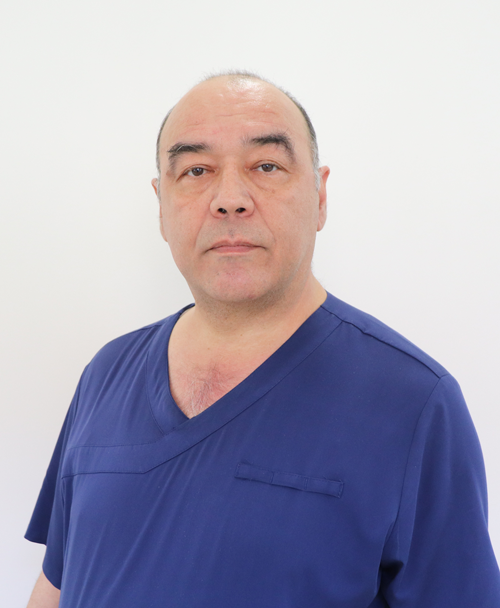
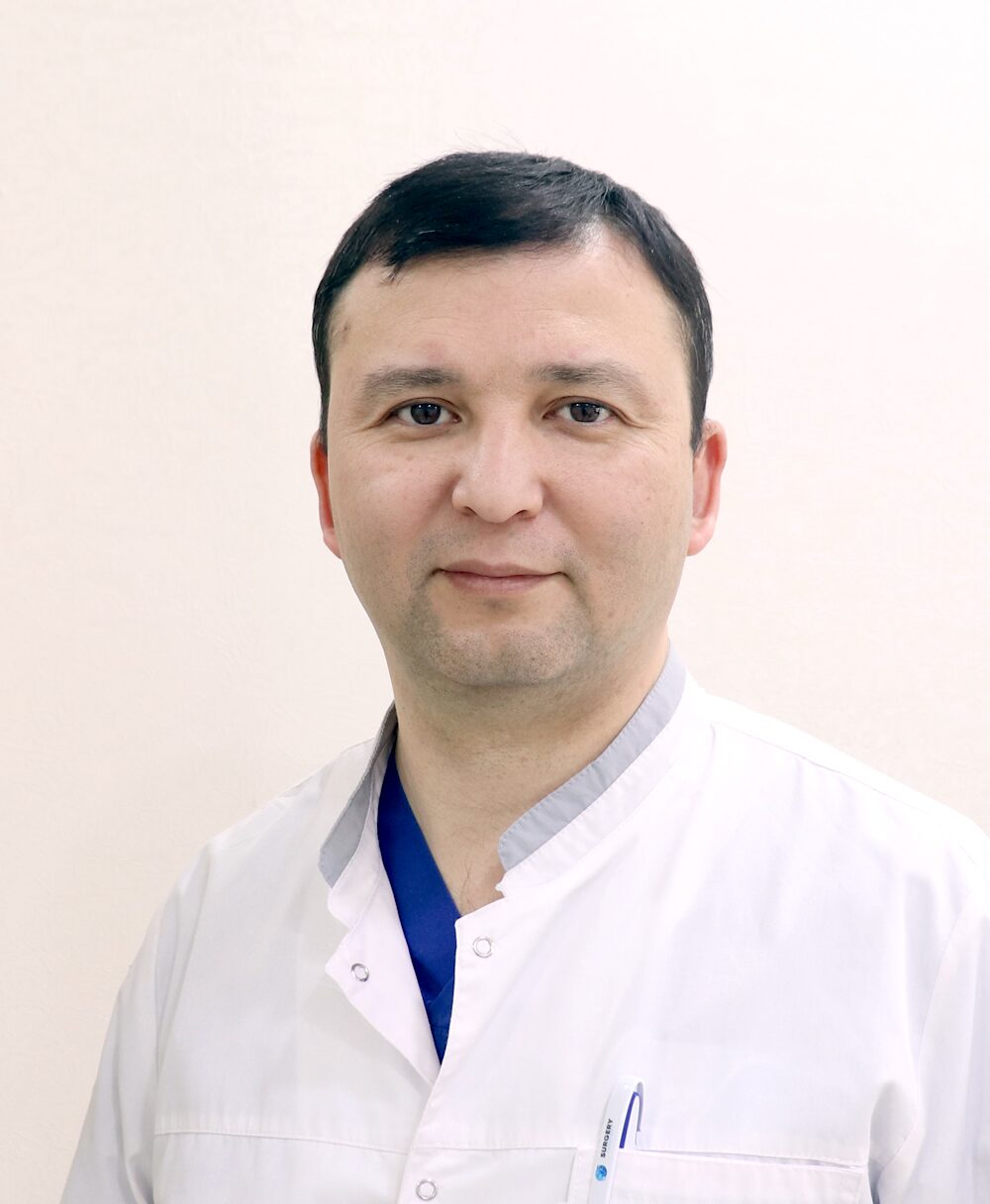
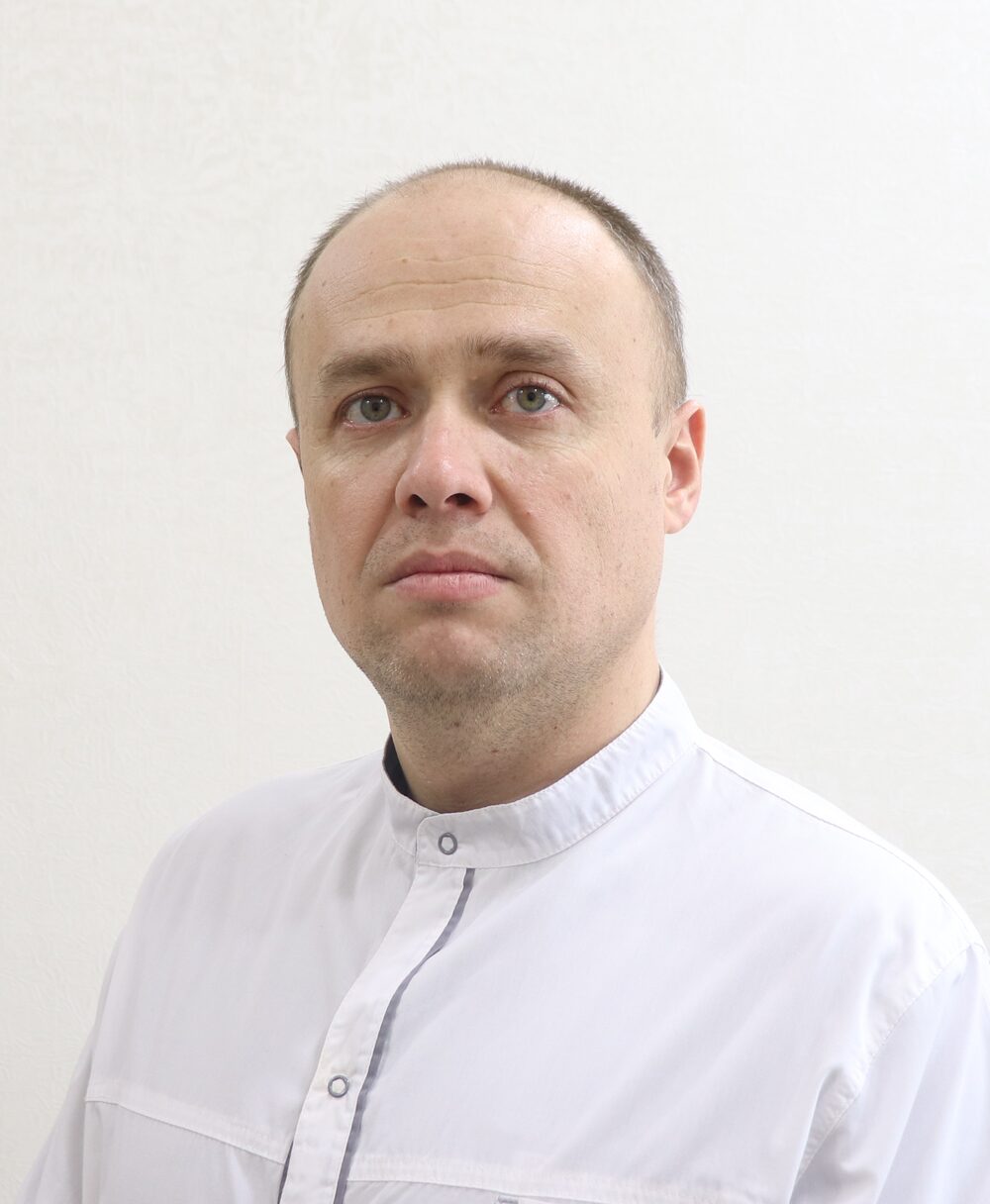
Doctors in this field



Saba Darmon Medical Center — contacts
📍 7A/3 Nurafshon street, Tashkent
📞 +99871 210-30-30 · WhatsApp +998 95 662-30-30
✉️This email address is being protected from spambots. You need JavaScript enabled to view it.
🌐 Instagram · Telegram · Facebook · YouTube
📞 +99871 210-30-30 · WhatsApp +998 95 662-30-30
✉️
🌐 Instagram · Telegram · Facebook · YouTube