


Useful articles
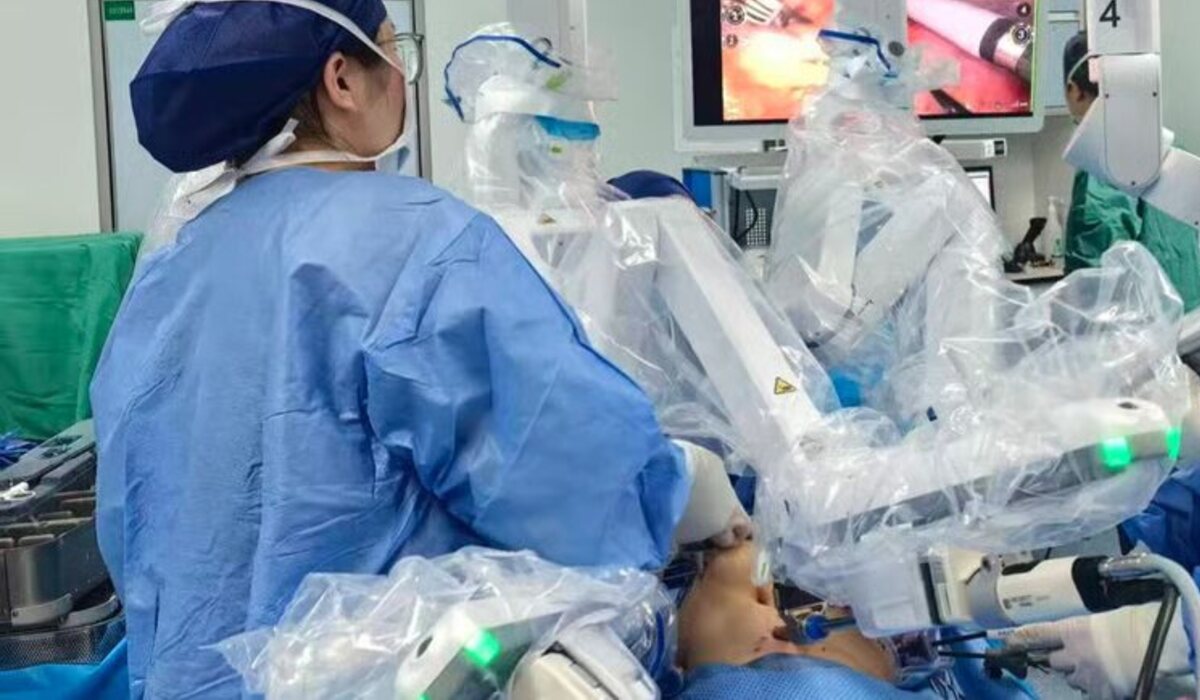
Ectopic Pregnancy: Tube-Sparing Surgery and the Next Pregnancy
Doctor's blog
sbdrmn
Direction: Robotic surgery · All services
An ectopic pregnancy cannot be left to wait, yet today it is most often treated through ports, preserving the tube. Below: how the diagnosis is made, how medication and surgery are weighed, when the tube can be saved, and what the robot adds.
Contents
What it is and why it is urgent
In an ectopic pregnancy the fertilised egg does not reach the uterine cavity and implants most often in the fallopian tube. The tube cannot stretch: as the pregnancy grows the wall thins and may rupture — with bleeding into the abdomen that threatens life. That is why, once diagnosed, there is no waiting.
One-sided lower abdominal pain with a missed period, spotting, dizziness or pain referred to the shoulder — reasons for urgent attention. Waiting at home for it to "pass" is not an option.
How the diagnosis is made
Two tests are weighed together: the blood β-hCG level and its trend, and transvaginal ultrasound — no gestational sac in the uterus and a mass near the tube. In doubtful cases the test is repeated after 48 hours. Sometimes only laparoscopy settles the diagnosis — and it moves straight from investigation to treatment.
Treatment routes: medication or surgery
- Medication — at a very early stage, with no rupture, low β-hCG and a stable patient; under strict monitoring;
- Laparoscopy — the main surgical route: camera and instruments through ports, the tube is inspected and the decision made on the spot;
- Open surgery — only with heavy bleeding and an unstable patient, when minutes count.
Can the tube be saved
There are two options. Salpingotomy — the tube wall is opened, the pregnancy tissue removed, and the tube left in place. Salpingectomy — the tube is removed entirely. The first is preferred when the tube is not ruptured, the mass is small and the other tube is damaged or absent; the second when the tube has ruptured, is badly damaged, or has had a previous ectopic.
Robotic or precise laparoscopic access helps precisely with salpingotomy: a small incision in the tube wall, gentle separation of tissue and, where needed, a fine suture — an articulated instrument and a 3D view make this easier. But with bleeding and an unstable patient the fastest route is chosen — docking a robot takes time.
When the tube is preserved, β-hCG is monitored after surgery until it falls to zero — so that any remaining tissue does not keep growing. This follow-up must not be skipped.
The next pregnancy
Natural pregnancy is possible with one tube. At the same time, the risk of another ectopic is higher, so an early ultrasound in the next pregnancy — to confirm the sac is inside the uterus — is essential. Your gynaecologist will say when to start planning; usually a few cycles are allowed to pass.
What to agree with your doctor
Whether the tube can be saved; the state of the other tube; β-hCG monitoring after surgery; when to plan the next pregnancy; whether tubal patency should be checked. There is a separate article on female infertility and tubal patency; ovarian reserve (AMH) is covered here.
Frequently asked questions
Can an ectopic pregnancy be kept?
No. A pregnancy cannot develop outside the uterus, and rupture of the tube is life-threatening. Treatment means removing the pregnancy tissue.
Is treatment without surgery possible?
At a very early stage, with no rupture and low β-hCG, medication is considered — only under strict monitoring. The gynaecologist decides.
If the tube is saved, will an ectopic happen again?
The risk is higher, but in most women the next pregnancy is normal. An early ultrasound is essential next time.
Can I get pregnant with one tube?
Yes, with a healthy other tube natural pregnancy is possible. If both tubes are gone, IVF remains.
How long to wait after surgery?
Usually a few cycles; your gynaecologist will give the exact period based on the operation and the β-hCG trend.
Does it have to be robotic?
No. In an emergency the fastest route is chosen — laparoscopy or open surgery. The robot adds precision when the tube is being preserved electively in a stable patient.
More about robotic surgery:
- Robotic Surgery in Tashkent — all directions
- Robotic Surgery in Tashkent: the MedBot Toumai System
- Is Robotic Surgery Safe? 10 Questions
- Robotic Surgery vs Laparoscopy: What Is the Difference
- Preparing for Robotic Surgery: Step by Step
- Recovery After Robotic Surgery
- Bladder Cancer: Robotic Cystectomy
- Hernia: Robotic Repair
- Gallbladder: Robotic Cholecystectomy
- Who Is Not Suitable for Robotic Surgery
- Uterine and Cervical Cancer: Robotic Surgery
- Large Prostate Adenoma: TURP or Robotic Surgery
- Varicocele Surgery: Marmar or Robotic
- Kidney Removal: Robotic Nephrectomy
- Female Urinary Incontinence: TVT or Robotic Surgery
- Uterus Removal: Robotic Hysterectomy
- Hiatal Hernia and Reflux: Robotic Fundoplication
- Liver Tumour: Robotic Liver Resection
- Pancreatic Tumour: Robotic Resection
- Obesity Surgery: Robotic Sleeve Gastrectomy
- Diastasis Recti: Robotic Repair
- Colon Cancer: Robotic Hemicolectomy
- Anaesthesia and Pain Control in Robotic Surgery
- Pregnancy After Robotic Myomectomy
- Robotic Prostatectomy
- Kidney Tumour: Robotic Partial Nephrectomy
- Colorectal Cancer: Robotic Surgery
- Uterine Fibroids: Robotic Surgery
- Endometriosis and Ovarian Cysts: Robotic Surgery
- What Is Telesurgery?
- Robotic Surgery in Older Adults
- Stomach Cancer: Robotic Gastrectomy
- Hydronephrosis: Robotic Pyeloplasty
- Pelvic Organ Prolapse: Robotic Sacrocolpopexy
- Adrenal Tumour: Robotic Adrenalectomy
Doctors for consultation
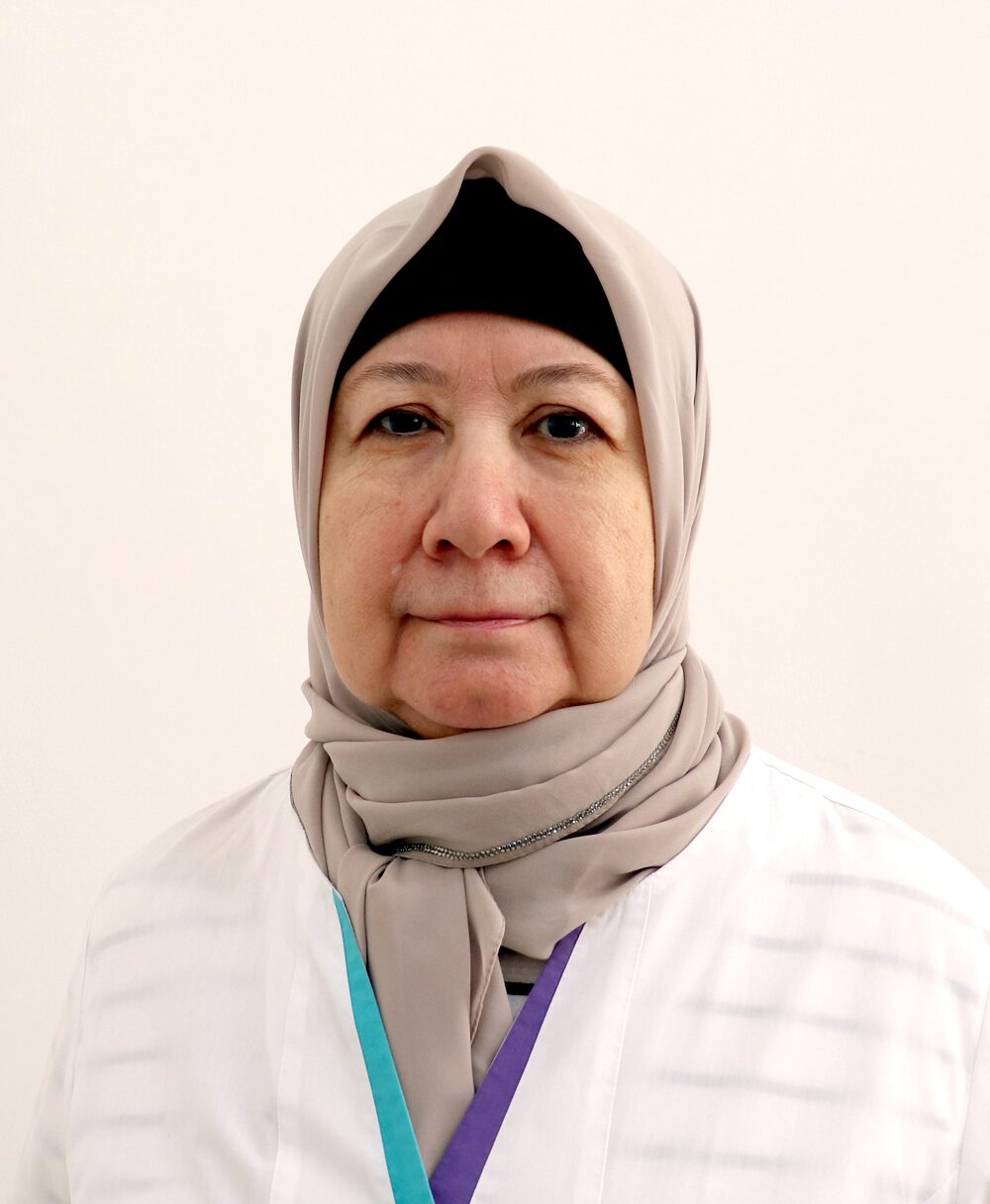
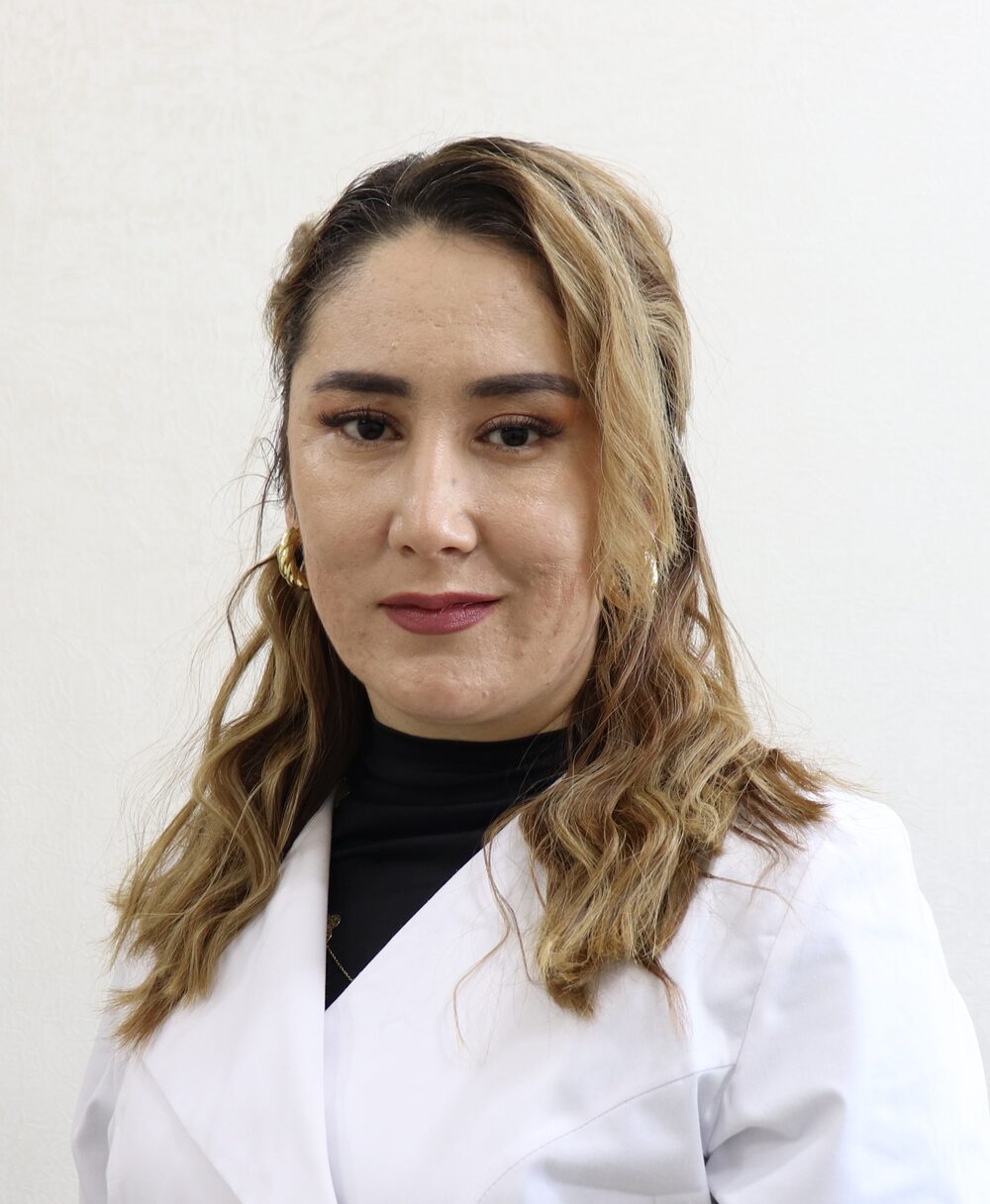
Laparoscopic surgery for ectopic pregnancy is performed by our gynaecological surgeons. Our doctors in this field:
Is robotic surgery right for you?
Book an appointment with a surgeon and bring your test results: the doctor will compare the options and recommend the safest one for you.
Call now — +998 71 210-30-30Contacts
Address: 7A/3 Nurafshon street, Tashkent
Phone: +998 71 210-30-30 · WhatsApp: +998 95 662-30-30
Opening hours: Monday–Saturday, 09:00–18:00
E-mail:
