


Useful articles

Adrenal Tumour: Robotic Adrenalectomy — When It Is Needed and How It Is Done
Doctor's blog
sbdrmn
Direction: Robotic surgery · All services
The words “adrenal mass” on a CT report worry many people. In fact, most such findings are harmless. Some tumours, however, produce hormones that affect blood pressure and metabolism. In this article we explain which tests are needed and when robotic adrenalectomy is recommended.
Contents
What the adrenal glands do
The adrenal glands are small endocrine glands that sit on top of each kidney. They produce hormones that regulate blood pressure, salt and water balance, the stress response and metabolism, namely aldosterone, cortisol, adrenaline and noradrenaline. That is why even a small tumour in the gland can affect the whole body.
How adrenal tumours are found
Most adrenal tumours are discovered by chance on a CT or ultrasound scan done for another reason; this is called an adrenal incidentaloma. Sometimes, however, the tumour produces hormones and causes symptoms:
- high blood pressure that responds poorly to medication and low blood potassium, caused by excess aldosterone;
- attacks of sudden high blood pressure, palpitations, sweating and headache, caused by a phaeochromocytoma;
- weight gain, a rounded face, stretch marks and raised blood sugar, caused by excess cortisol.
Hormones are checked before surgery
For any adrenal tumour, the first step is hormonal testing of blood and urine, which shows whether the tumour is “active”. A CT scan assesses its size and structure.
Surgery is usually recommended if the tumour produces hormones, is large (often over 4 cm) or grows quickly. Small, inactive tumours are often simply monitored.
If a phaeochromocytoma is suspected, preparation with specific medicines for one to two weeks before surgery is essential, because it prevents dangerous surges in blood pressure during the operation.
Robotic adrenalectomy
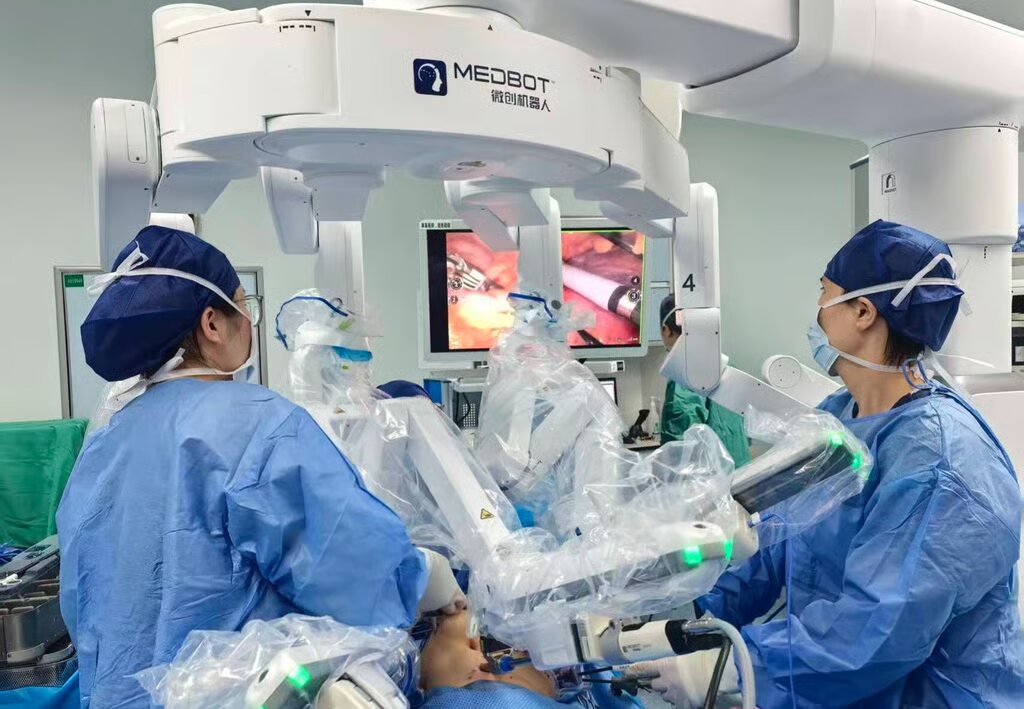
Adrenalectomy means removing the adrenal gland together with the tumour. The gland lies deep in the abdomen next to major blood vessels. With a robotic system the surgeon sees this area in magnified 3D and removes the gland while dissecting the vessels precisely and without damaging the tumour. The operation is performed through a few small ports.
Compared with open surgery, patients usually have less pain, walk sooner and go home earlier. If the other adrenal gland is healthy, it takes over hormone production completely.
After the operation
In the first days blood pressure and blood sugar are monitored closely. After removal of an aldosterone-producing tumour, blood pressure improves in many patients and medication can be reduced. After a cortisol-producing tumour, temporary hormone replacement may be needed. Follow-up is shared between an endocrinologist and the surgeon. Preparation is covered in a separate article, and who robotic surgery does not suit is explained here.
Frequently asked questions
Can you live with one adrenal gland?
Yes. If the other gland is healthy, it produces enough hormones and lifelong medication is usually not needed.
Is every adrenal tumour dangerous?
No. Most tumours found by chance are benign and do not produce hormones, but each one should be assessed with hormonal tests and a CT scan.
Will my blood pressure return to normal after surgery?
In many patients blood pressure improves markedly, and some can stop their medication altogether. If a patient also has ordinary high blood pressure in addition to the tumour, some medicines may need to continue.
How much does the operation cost?
The cost depends on the tests and the extent of surgery. You can find out the exact price after a consultation with a surgeon by calling +998 71 210-30-30.
More about robotic surgery:
- Robotic Surgery in Tashkent — all directions
- Robotic Surgery in Tashkent: the MedBot Toumai System
- Is Robotic Surgery Safe? 10 Questions
- Robotic Surgery vs Laparoscopy: What Is the Difference
- Preparing for Robotic Surgery: Step by Step
- Recovery After Robotic Surgery
- Bladder Cancer: Robotic Cystectomy
- Hernia: Robotic Repair
- Gallbladder: Robotic Cholecystectomy
- Who Is Not Suitable for Robotic Surgery
- Uterine and Cervical Cancer: Robotic Surgery
- Large Prostate Adenoma: TURP or Robotic Surgery
- Varicocele Surgery: Marmar or Robotic
- Kidney Removal: Robotic Nephrectomy
- Ectopic Pregnancy: Tube-Sparing Robotic Surgery
- Female Urinary Incontinence: TVT or Robotic Surgery
- Uterus Removal: Robotic Hysterectomy
- Hiatal Hernia and Reflux: Robotic Fundoplication
- Liver Tumour: Robotic Liver Resection
- Pancreatic Tumour: Robotic Resection
- Obesity Surgery: Robotic Sleeve Gastrectomy
- Diastasis Recti: Robotic Repair
- Colon Cancer: Robotic Hemicolectomy
- Anaesthesia and Pain Control in Robotic Surgery
- Pregnancy After Robotic Myomectomy
- Robotic Prostatectomy
- Kidney Tumour: Robotic Partial Nephrectomy
- Colorectal Cancer: Robotic Surgery
- Uterine Fibroids: Robotic Surgery
- Endometriosis and Ovarian Cysts: Robotic Surgery
- What Is Telesurgery?
- Robotic Surgery in Older Adults
- Stomach Cancer: Robotic Gastrectomy
- Hydronephrosis: Robotic Pyeloplasty
- Pelvic Organ Prolapse: Robotic Sacrocolpopexy
Doctors for consultation
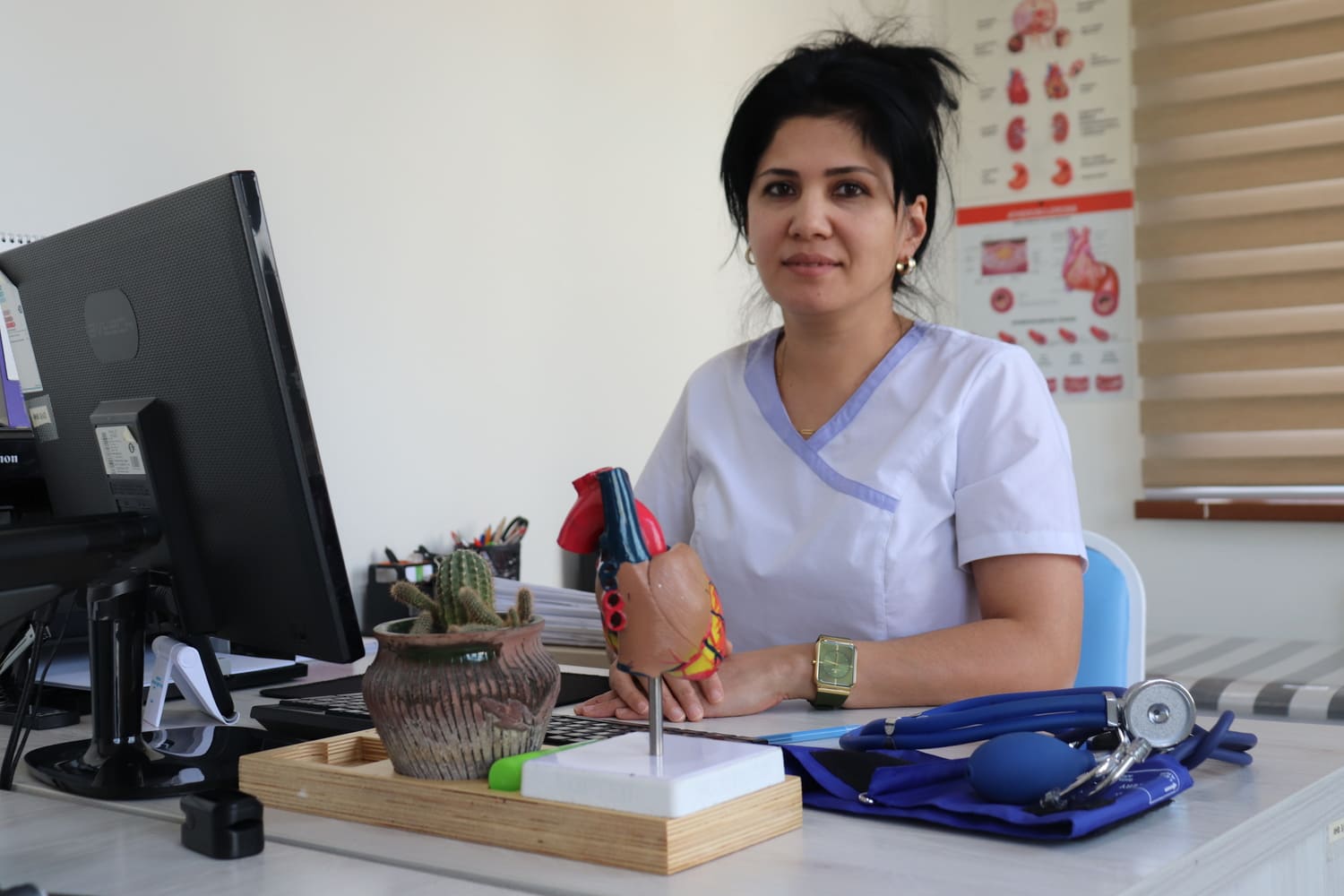
Whether surgery is needed is decided from hormonal tests and CT results. Our doctors for consultation:



Is robotic surgery right for you?
Book an appointment with a surgeon and bring your test results: the doctor will compare the options and recommend the safest one for you.
Call now — +998 71 210-30-30Contacts
Address: 7A/3 Nurafshon street, Tashkent
Phone: +998 71 210-30-30 · WhatsApp: +998 95 662-30-30
Opening hours: Monday–Saturday, 09:00–18:00
E-mail: