


Useful articles

Robotic Surgery vs Laparoscopy: What Is the Difference and Which Is Better
Doctor's blog
sbdrmn
Direction: Robotic surgery · All services
When patients learn they need an operation, one question comes up again and again: is robotic surgery better than ordinary laparoscopy? Both are minimally invasive, meaning they are done without a large incision, but they differ in technique, capabilities and where they are most useful. Saba Darmon clinic offers both: laparoscopy has been used here for many years, and the MedBot Toumai surgical robot has now been installed. Below we compare the two in plain language.
What they have in common: both are minimally invasive
Laparoscopy and robotic surgery differ from open surgery in the same way. Instead of one large incision, the surgeon makes three to five small ports in the abdominal wall, usually 5–12 mm across. A video camera and slim instruments are passed through them, and the abdomen is gently inflated with carbon dioxide to give a clear view.
As a result, with either approach patients usually lose less blood, have less pain and get back on their feet sooner than after open surgery. The scars are small and fade over time until they are barely visible. The key difference lies in who holds the instruments and how.
How laparoscopy is performed
In laparoscopy the surgeon stands at the operating table and holds long, straight instruments by hand. The image is shown on a monitor, and an assistant holds the camera. The technique has been in use for more than 30 years and is the gold standard for gallbladder removal, appendicectomy, hernia repair and many gynaecological operations.
Its advantages are wide availability, short set-up time and relatively low cost. Its limitations come from the straight instruments, which move along a single axis. Fine suturing in narrow, deep spaces becomes much harder, and during a long operation the surgeon’s hands and shoulders tire.
How robotic surgery is performed
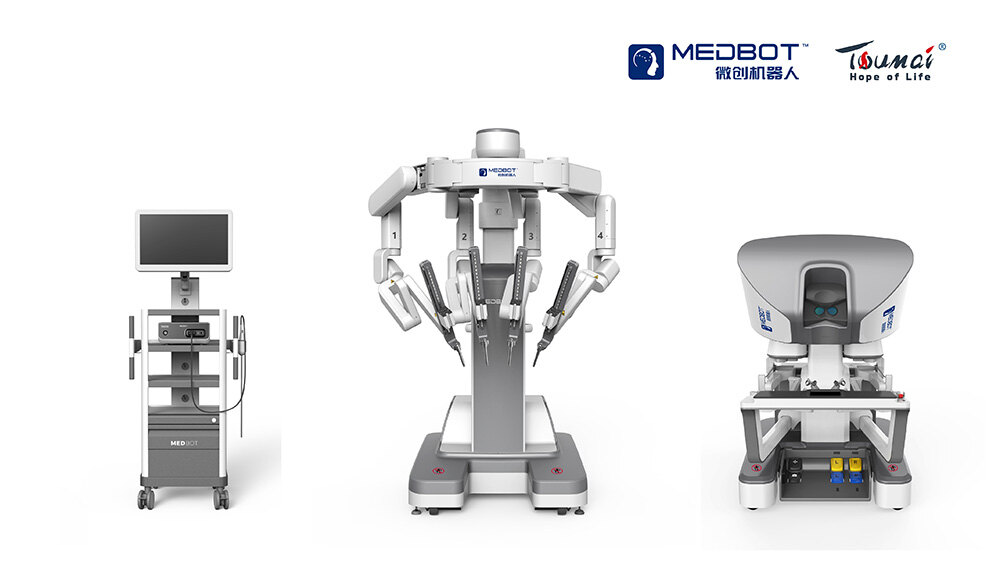
In robotic surgery the instruments are introduced through the same kind of small ports, but they are held by the robot’s arms. The surgeon sits at a dedicated console in the operating theatre and controls them with hand controllers. The robot does nothing on its own; every movement is made by the surgeon’s hand.
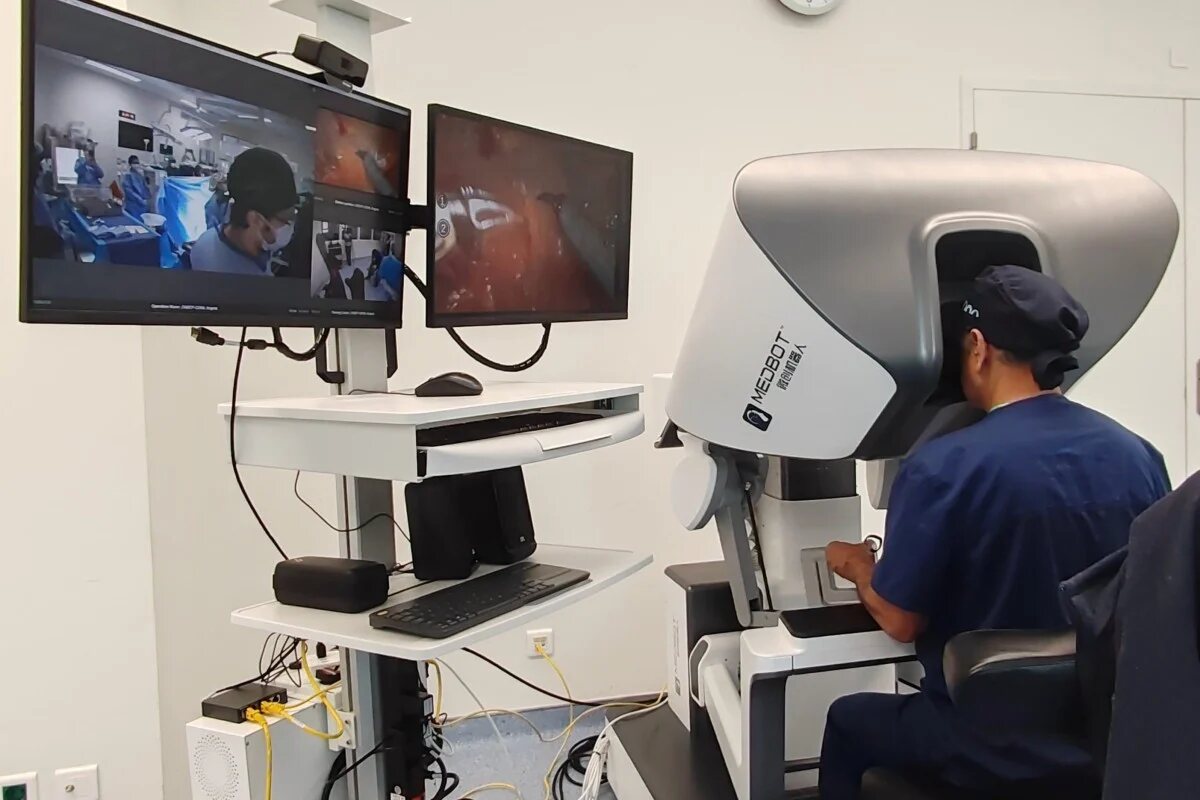
The surgeon sees the operating field in magnified three-dimensional view and controls the camera directly. The tips of the robotic instruments bend and rotate like a wrist, and natural hand tremor is filtered out by software. A large hand movement is translated into a small, precise movement of the instrument.
Side-by-side comparison
| Feature | Laparoscopy | Robotic surgery |
|---|---|---|
| Incisions | 3–5 small ports | 3–5 small ports |
| View | Usually a 2D monitor | 3D, magnified |
| Instruments | Straight, do not bend | Bend like a wrist |
| Hand tremor | Transmitted to the instrument | Filtered out |
| Who controls the camera | An assistant | The surgeon |
| Set-up time | Short | Longer, as the robot is docked |
| Surgeon ergonomics | Works standing | Works seated |
| Cost | Usually lower | Usually higher |
When the robot adds the most value
The robot’s advantages are clearest in complex, narrow and deep anatomical areas, such as the pelvis in operations on the prostate, rectum or uterus. It is also helpful in procedures that need a lot of delicate suturing, for example reconstructing the urinary tract or repairing the wall of the uterus. In patients with obesity, working with robotic instruments can also be easier.
When laparoscopy is enough
For many common operations, such as gallbladder removal, appendicectomy and straightforward hernia repair, laparoscopy gives excellent results. In such cases the robot may not offer the patient any noticeable extra benefit. Research also shows that for many routine procedures the outcomes of the two approaches are comparable.
A good surgeon’s aim is not the “most modern” method but the safest and most effective one for the individual patient. Sometimes that is the robot, sometimes laparoscopy and sometimes open surgery.
Who chooses the approach, and how
The surgeon chooses the approach after examining you. The decision takes into account the diagnosis, the stage of the disease, where the organ lies, any previous operations, your weight and your heart and lung function. At Saba Darmon the laboratory, ultrasound, CT and ECG are all in one building, so the work-up is quick.
At your appointment, feel free to ask the surgeon why a particular approach is recommended, whether there are alternatives and how they differ. A good doctor will always explain.
Frequently asked questions
Is robotic surgery safer than laparoscopy?
For many routine operations the two are similarly safe. In complex procedures the robot lets the surgeon work with greater precision.
Which one has the faster recovery?
Both allow a much faster recovery than open surgery. The difference between robotic surgery and laparoscopy is usually small and depends on the type of operation.
Can I choose robotic surgery myself?
Tell your surgeon what you would prefer. If it is medically appropriate, they will offer the robotic approach, and if not, they will explain why.
More about robotic surgery:
- Robotic Surgery in Tashkent — all directions
- Robotic Surgery in Tashkent: the MedBot Toumai System
- Is Robotic Surgery Safe? 10 Questions
- Preparing for Robotic Surgery: Step by Step
- Recovery After Robotic Surgery
- Bladder Cancer: Robotic Cystectomy
- Hernia: Robotic Repair
- Gallbladder: Robotic Cholecystectomy
- Who Is Not Suitable for Robotic Surgery
- Uterine and Cervical Cancer: Robotic Surgery
- Large Prostate Adenoma: TURP or Robotic Surgery
- Varicocele Surgery: Marmar or Robotic
- Kidney Removal: Robotic Nephrectomy
- Ectopic Pregnancy: Tube-Sparing Robotic Surgery
- Female Urinary Incontinence: TVT or Robotic Surgery
- Uterus Removal: Robotic Hysterectomy
- Hiatal Hernia and Reflux: Robotic Fundoplication
- Liver Tumour: Robotic Liver Resection
- Pancreatic Tumour: Robotic Resection
- Obesity Surgery: Robotic Sleeve Gastrectomy
- Diastasis Recti: Robotic Repair
- Colon Cancer: Robotic Hemicolectomy
- Anaesthesia and Pain Control in Robotic Surgery
- Pregnancy After Robotic Myomectomy
- Robotic Prostatectomy
- Kidney Tumour: Robotic Partial Nephrectomy
- Colorectal Cancer: Robotic Surgery
- Uterine Fibroids: Robotic Surgery
- Endometriosis and Ovarian Cysts: Robotic Surgery
- What Is Telesurgery?
- Robotic Surgery in Older Adults
- Stomach Cancer: Robotic Gastrectomy
- Hydronephrosis: Robotic Pyeloplasty
- Pelvic Organ Prolapse: Robotic Sacrocolpopexy
- Adrenal Tumour: Robotic Adrenalectomy
Doctors for consultation
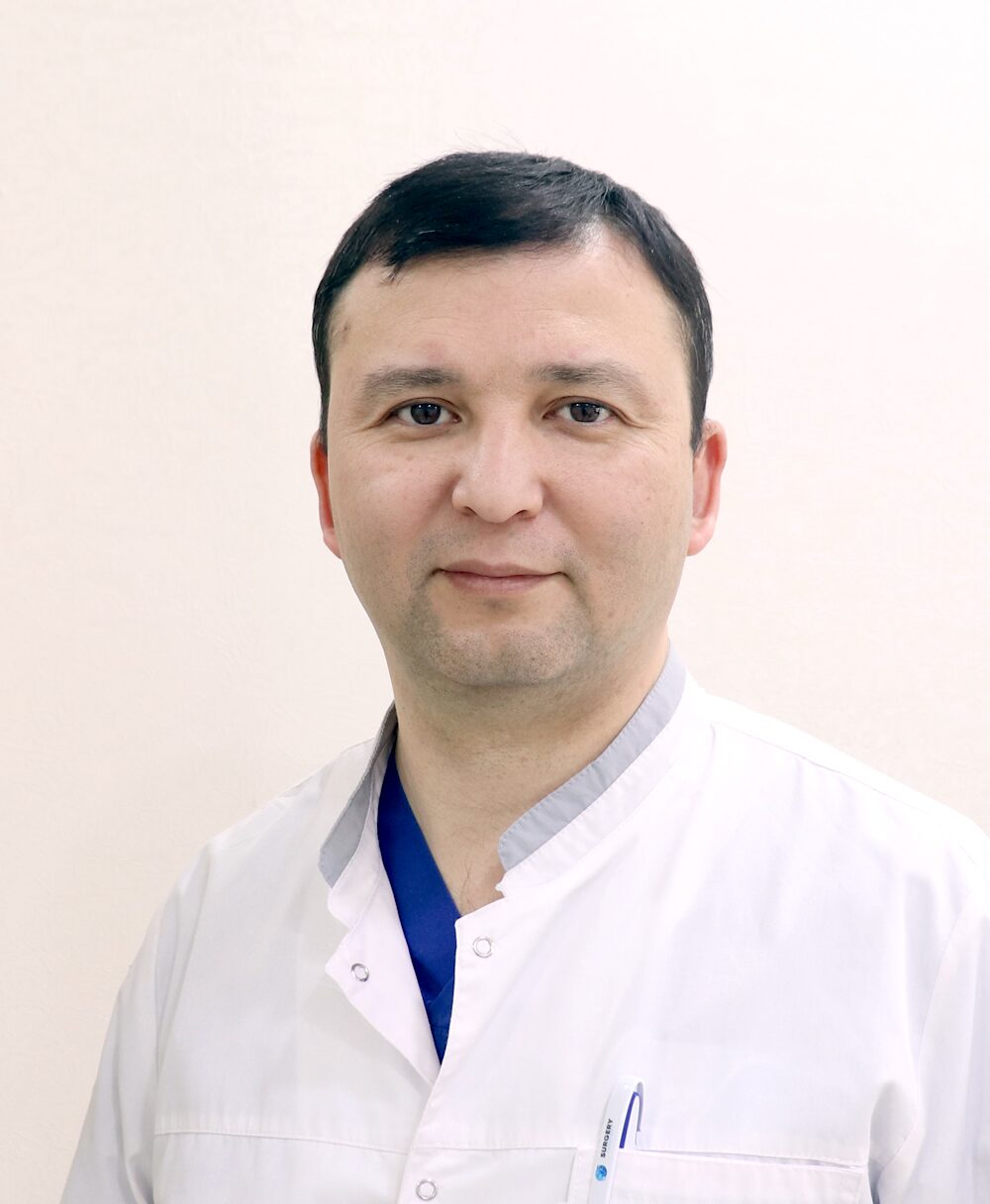
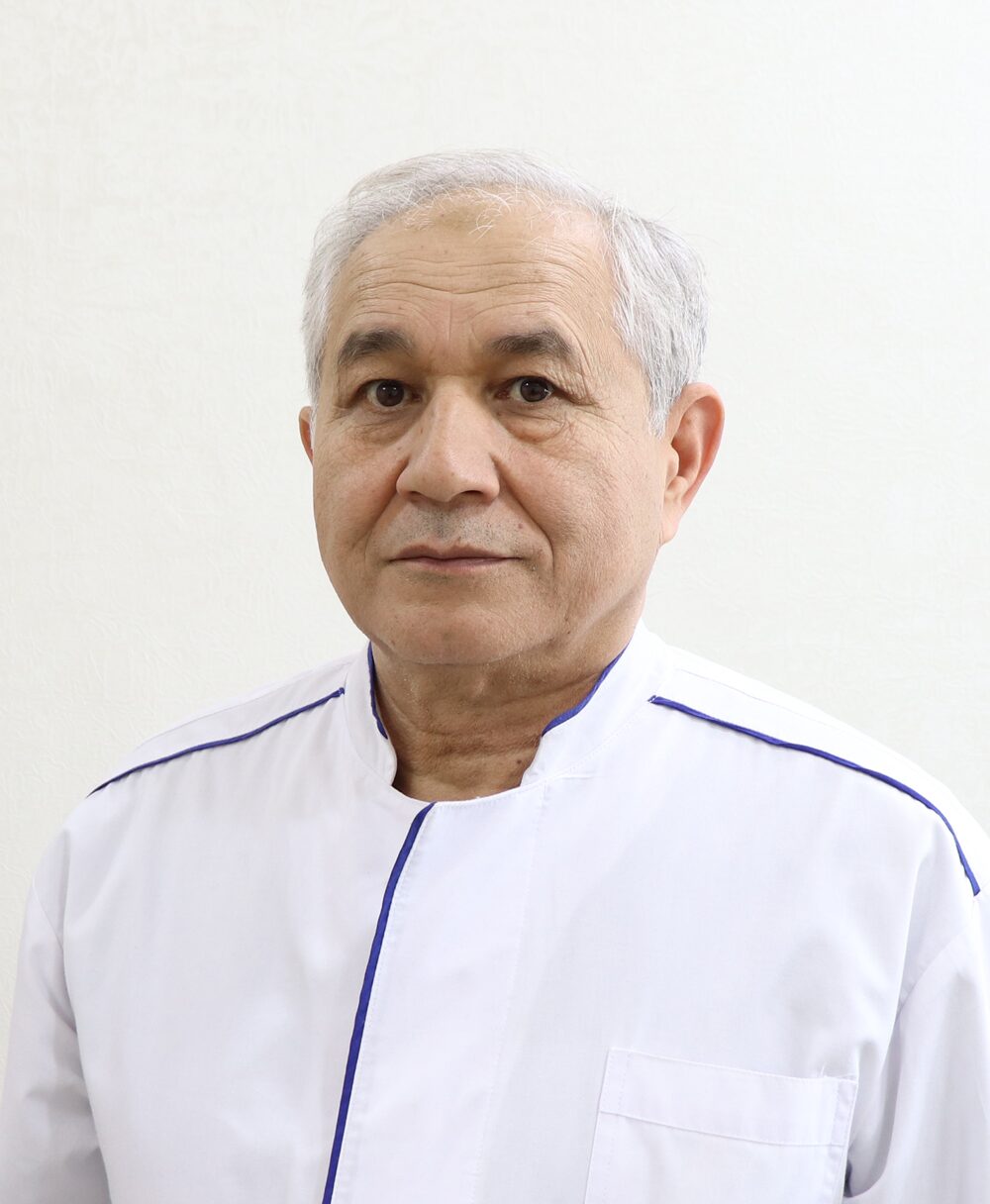
Robotic, laparoscopic or open — the surgeon chooses the approach after examination. Our surgeons, gynaecologists, urologists and ENT specialist:







Is robotic surgery right for you?
Book an appointment with a surgeon and bring your test results: the doctor will compare the options and recommend the safest one for you.
Call now — +998 71 210-30-30Contacts
Address: 7A/3 Nurafshon street, Tashkent
Phone: +998 71 210-30-30 · WhatsApp: +998 95 662-30-30
Opening hours: Monday–Saturday, 09:00–18:00
E-mail: