


Useful articles

Pelvic Organ Prolapse: Robotic Sacrocolpopexy — Symptoms and Treatment
Doctor's blog
sbdrmn
Direction: Robotic surgery · All services
Uterine prolapse is a problem many women feel embarrassed about and see a doctor late, yet it is common and treatable. In this article we explain the causes of pelvic organ prolapse, the non-surgical options and the robot-assisted operation called sacrocolpopexy.
Contents
What pelvic organ prolapse is
The uterus, vaginal walls, bladder and rectum are held in place by the muscles and ligaments of the pelvic floor. When this support weakens, the organs slip downwards. This is called pelvic organ prolapse, or uterine prolapse.
The main causes are vaginal childbirth, especially difficult or multiple deliveries, weakening of tissues after the menopause, excess weight, chronic constipation and coughing, and heavy lifting. Sometimes the top of the vagina drops after a hysterectomy.
Symptoms
- heaviness in the lower abdomen and vagina, a feeling that “something is coming down”;
- a bulge at the vaginal opening, especially at the end of the day or when straining;
- difficulty passing urine, leakage or frequent urges;
- difficulty opening the bowels;
- discomfort during sex.
Is surgery always needed?
No. In mild cases pelvic floor exercises, weight control and treating constipation help a great deal. Women who do not want surgery, or for whom it is not advisable, may be offered a vaginal support ring called a pessary. If symptoms interfere with daily life or the prolapse is significant, surgery is considered.
What sacrocolpopexy is
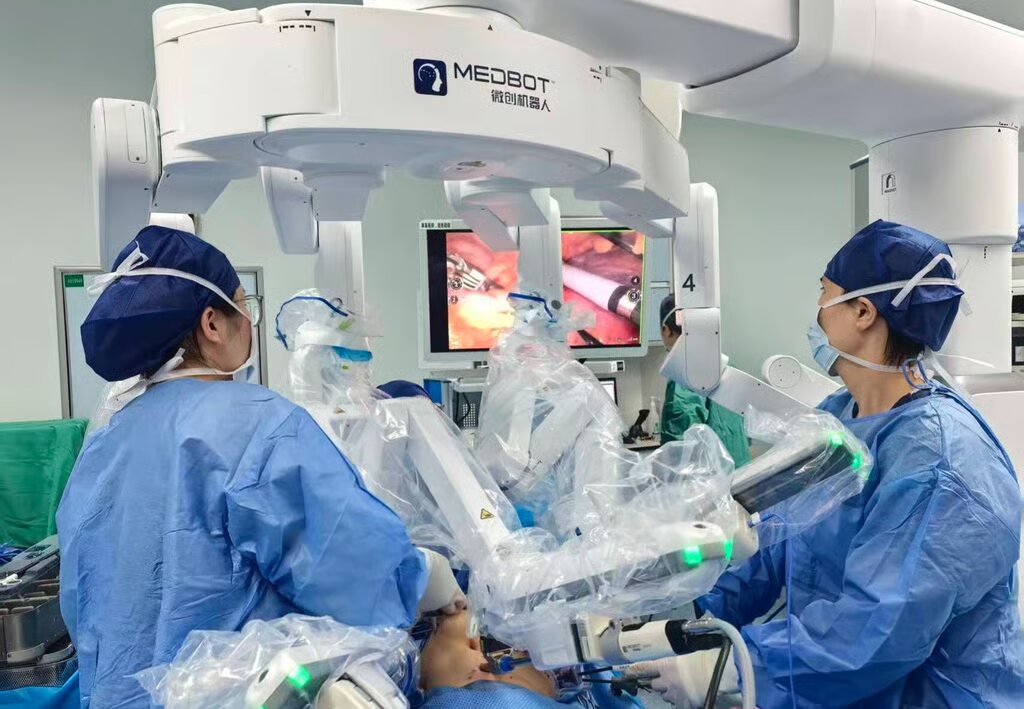
Prolapse can be repaired through the vagina or through the abdomen. Sacrocolpopexy is an abdominal operation in which the surgeon uses a special mesh implant to attach the cervix or the top of the vagina to a strong ligament in front of the sacrum, returning the organs to their natural position. It gives particularly durable results for prolapse of the upper (apical) part and for recurrent prolapse.
Why the robot helps in this operation
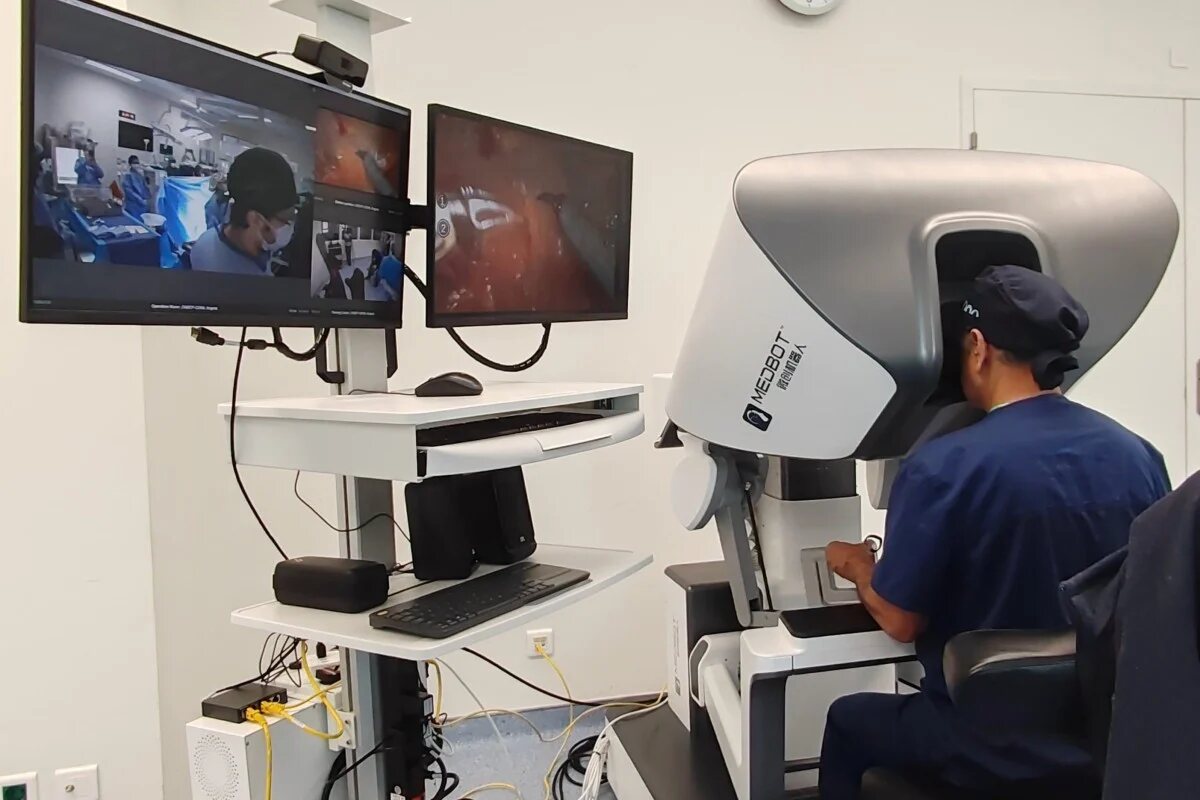
The most demanding step takes place deep in the pelvis, close to major blood vessels and the ureter, and fixing the mesh requires many precise stitches. With a robotic system the view is magnified and the instruments bend like a wrist, which makes suturing in that deep space considerably easier. The operation is done through a few small ports, so there is less pain and a shorter hospital stay.
After the operation
Most patients are walking the next day and go home after one or two days. For about six weeks you should avoid heavy lifting, straining and sex, and it is important to prevent constipation. To keep the result for the long term, continue pelvic floor exercises and watch your weight. Mesh-related complications are uncommon, but see your gynaecologist if you notice unusual pain or discharge. We have a separate article on fibroids, and the recovery period is covered here.
Frequently asked questions
Can I have children after the operation?
Sacrocolpopexy is usually performed in women who are not planning further pregnancies. If a pregnancy is planned, the gynaecologist will choose the treatment individually.
Is the uterus removed?
Not always. In many cases the uterus is kept or only part of it is removed. The decision depends on the examination results and the patient’s wishes.
How much does the operation cost?
The cost depends on the extent of surgery. You can find out the exact price after a gynaecological consultation by calling +998 71 210-30-30.
More about robotic surgery:
- Robotic Surgery in Tashkent — all directions
- Robotic Surgery in Tashkent: the MedBot Toumai System
- Is Robotic Surgery Safe? 10 Questions
- Robotic Surgery vs Laparoscopy: What Is the Difference
- Preparing for Robotic Surgery: Step by Step
- Recovery After Robotic Surgery
- Bladder Cancer: Robotic Cystectomy
- Hernia: Robotic Repair
- Gallbladder: Robotic Cholecystectomy
- Who Is Not Suitable for Robotic Surgery
- Uterine and Cervical Cancer: Robotic Surgery
- Large Prostate Adenoma: TURP or Robotic Surgery
- Varicocele Surgery: Marmar or Robotic
- Kidney Removal: Robotic Nephrectomy
- Ectopic Pregnancy: Tube-Sparing Robotic Surgery
- Female Urinary Incontinence: TVT or Robotic Surgery
- Uterus Removal: Robotic Hysterectomy
- Hiatal Hernia and Reflux: Robotic Fundoplication
- Liver Tumour: Robotic Liver Resection
- Pancreatic Tumour: Robotic Resection
- Obesity Surgery: Robotic Sleeve Gastrectomy
- Diastasis Recti: Robotic Repair
- Colon Cancer: Robotic Hemicolectomy
- Anaesthesia and Pain Control in Robotic Surgery
- Pregnancy After Robotic Myomectomy
- Robotic Prostatectomy
- Kidney Tumour: Robotic Partial Nephrectomy
- Colorectal Cancer: Robotic Surgery
- Uterine Fibroids: Robotic Surgery
- Endometriosis and Ovarian Cysts: Robotic Surgery
- What Is Telesurgery?
- Robotic Surgery in Older Adults
- Stomach Cancer: Robotic Gastrectomy
- Hydronephrosis: Robotic Pyeloplasty
- Adrenal Tumour: Robotic Adrenalectomy
Doctors for consultation
Your gynaecologist will choose the treatment with you after an examination. Our doctors for consultation:


Is robotic surgery right for you?
Book an appointment with a surgeon and bring your test results: the doctor will compare the options and recommend the safest one for you.
Call now — +998 71 210-30-30Contacts
Address: 7A/3 Nurafshon street, Tashkent
Phone: +998 71 210-30-30 · WhatsApp: +998 95 662-30-30
Opening hours: Monday–Saturday, 09:00–18:00
E-mail: