


Useful articles
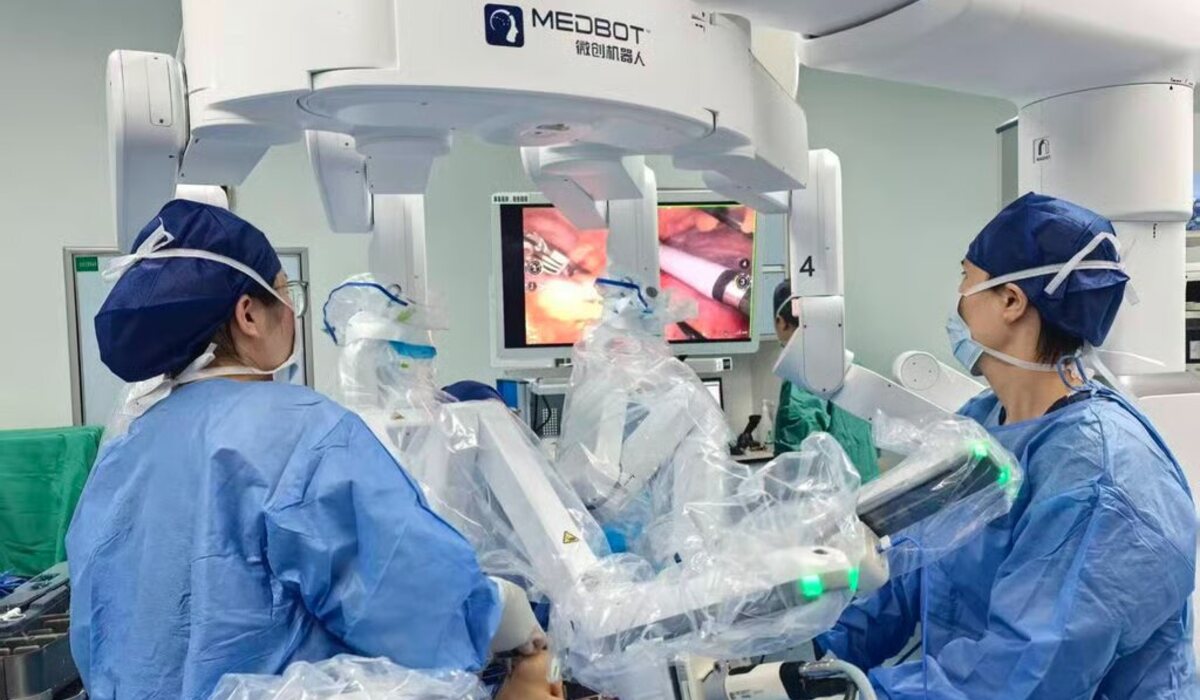
Kidney Removal: When Robotic Nephrectomy Is Needed and Life with One Kidney
Doctor's blog
sbdrmn
Direction: Robotic surgery · All services
The words "the kidney has to be removed" frighten any patient. In reality this decision is made only when the organ cannot be saved, and with a healthy second kidney life goes on in full. Below: when nephrectomy is needed, how open, laparoscopic and robotic access differ, and what life looks like afterwards.
Contents
When a kidney is removed
Nephrectomy is the complete removal of a kidney. The decision is never taken lightly and is discussed only when the organ cannot be saved:
- a non-functioning kidney — shrunken after long-standing stones, hydronephrosis or chronic infection, yet still causing pain, fever or high blood pressure;
- a large tumour, or one in the centre of the kidney, where partial removal is not safe;
- severe injury or vascular problems.
For small, peripheral tumours, saving part of the kidney (partial nephrectomy) is considered first — described in a separate article. Nephrectomy is reserved for when that is not possible.
What must be known before surgery
The key question is how well the other kidney works. Ultrasound, CT, creatinine and a radioisotope scan are arranged: they show how much each kidney contributes. If the other kidney is healthy, a person lives a full life with one kidney.
Three routes: open, laparoscopic, robotic
| Method | When | Key feature |
|---|---|---|
| Open | Very large tumour, invasion of major vessels, dense adhesions | Direct view and tactile control; large incision, longer recovery |
| Laparoscopic | Non-functioning kidney, medium-sized tumours — performed at the clinic | Ports, less pain, short stay |
| Robotic | Difficult dissection around vessels, scarring from earlier surgery | 3D view, articulated instrument; safe control of the vessels |
What the robot changes in this operation
The most critical step of nephrectomy is finding and safely securing the renal artery and vein. The articulated robotic wrist and tremor-free control allow small, precise movements around the vessel, and the 3D view helps avoid anatomical mistakes. That is why the robot is discussed more often when there are adhesions after inflammation or scarring from earlier surgery.
To be plain: in a straightforward case without adhesions, laparoscopy gives the same result. The robot is an advantage in difficult anatomy.
The day of surgery and recovery
- general anaesthesia; camera and instruments through ports; the renal vessels are secured and the organ removed through a small extended incision;
- for a tumour the organ goes to histology, which shapes further management;
- walking the next day, a few days in hospital, 4–6 weeks without heavy lifting.
Life with one kidney
Protecting the remaining kidney becomes a lifelong task: blood-pressure control, adequate fluids, no self-prescribed "courses" of painkillers or antibiotics, yearly creatinine and ultrasound, care with contact sports.
What to agree with your doctor
Whether the kidney can be saved; the state of the other kidney; which method and why; the likelihood of conversion; when histology will be ready; the follow-up schedule. The laparoscopic nephrectomy service is on this page, and chronic kidney disease is covered here.
Frequently asked questions
Can you live with one kidney?
Yes, if the other kidney is healthy a person lives a full life. The only requirement is to follow the rules for protecting the remaining kidney.
Must a non-functioning kidney be removed?
If it is the source of pain, infection or high blood pressure, yes. Without symptoms observation is sometimes enough; the urologist decides on the basis of tests.
What is the difference between robotic and laparoscopic?
Both are done through ports. The robot gives a 3D view and an articulated instrument — useful in complex vascular anatomy or adhesions; in a simple case the result is the same.
How long does the operation take?
Several hours; the exact time depends on tumour size, adhesions and the method chosen.
Is a diet needed afterwards?
No strict diet, but moderate salt, adequate fluids and blood-pressure control matter. Your doctor gives specific advice.
Will there be further treatment for a tumour?
That depends on the histology result. The follow-up schedule and any additional treatment are set together with an oncologist.
More about robotic surgery:
- Robotic Surgery in Tashkent — all directions
- Robotic Surgery in Tashkent: the MedBot Toumai System
- Is Robotic Surgery Safe? 10 Questions
- Robotic Surgery vs Laparoscopy: What Is the Difference
- Preparing for Robotic Surgery: Step by Step
- Recovery After Robotic Surgery
- Bladder Cancer: Robotic Cystectomy
- Hernia: Robotic Repair
- Gallbladder: Robotic Cholecystectomy
- Who Is Not Suitable for Robotic Surgery
- Uterine and Cervical Cancer: Robotic Surgery
- Large Prostate Adenoma: TURP or Robotic Surgery
- Varicocele Surgery: Marmar or Robotic
- Ectopic Pregnancy: Tube-Sparing Robotic Surgery
- Female Urinary Incontinence: TVT or Robotic Surgery
- Uterus Removal: Robotic Hysterectomy
- Hiatal Hernia and Reflux: Robotic Fundoplication
- Liver Tumour: Robotic Liver Resection
- Pancreatic Tumour: Robotic Resection
- Obesity Surgery: Robotic Sleeve Gastrectomy
- Diastasis Recti: Robotic Repair
- Colon Cancer: Robotic Hemicolectomy
- Anaesthesia and Pain Control in Robotic Surgery
- Pregnancy After Robotic Myomectomy
- Robotic Prostatectomy
- Kidney Tumour: Robotic Partial Nephrectomy
- Colorectal Cancer: Robotic Surgery
- Uterine Fibroids: Robotic Surgery
- Endometriosis and Ovarian Cysts: Robotic Surgery
- What Is Telesurgery?
- Robotic Surgery in Older Adults
- Stomach Cancer: Robotic Gastrectomy
- Hydronephrosis: Robotic Pyeloplasty
- Pelvic Organ Prolapse: Robotic Sacrocolpopexy
- Adrenal Tumour: Robotic Adrenalectomy
Doctors for consultation
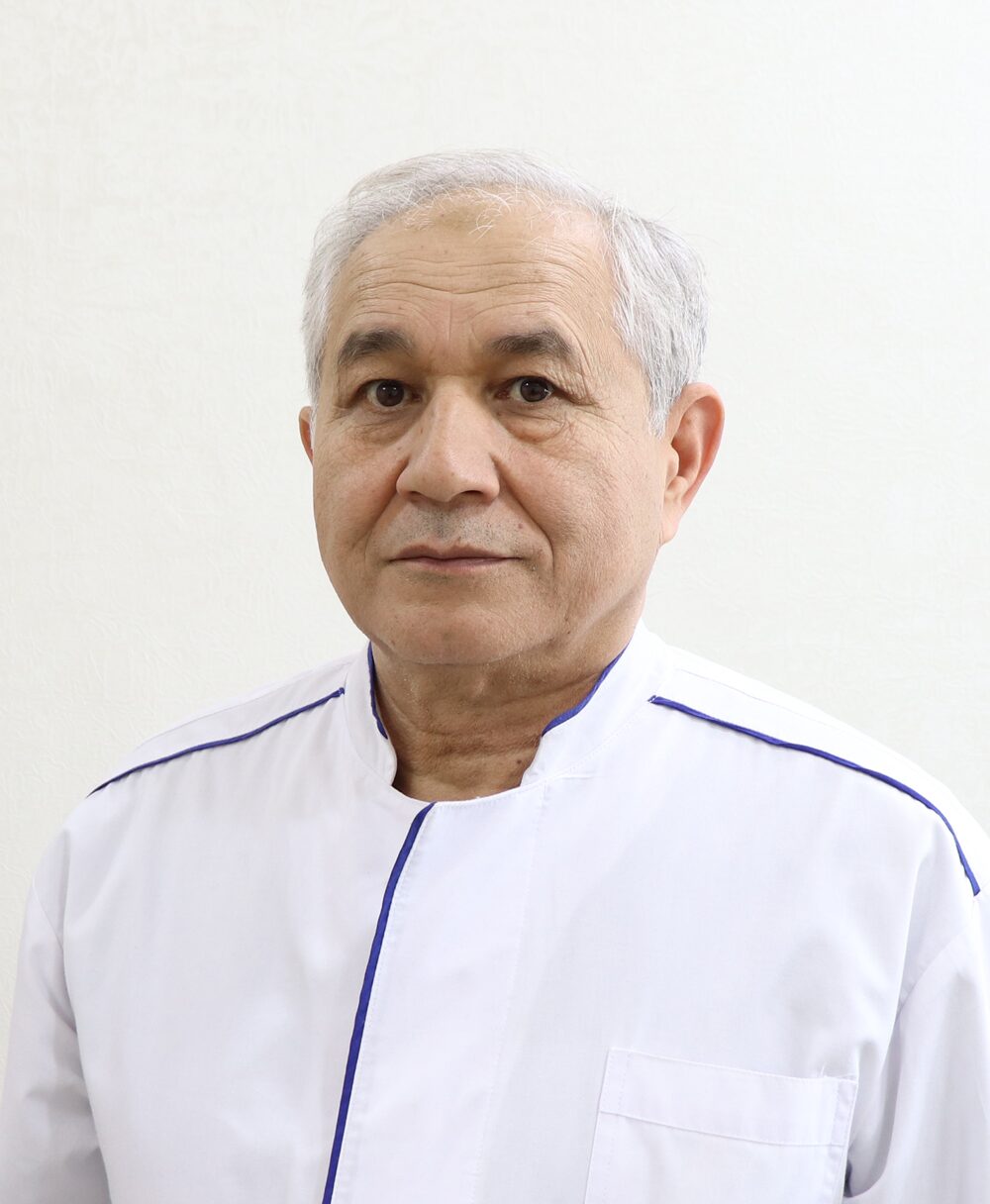
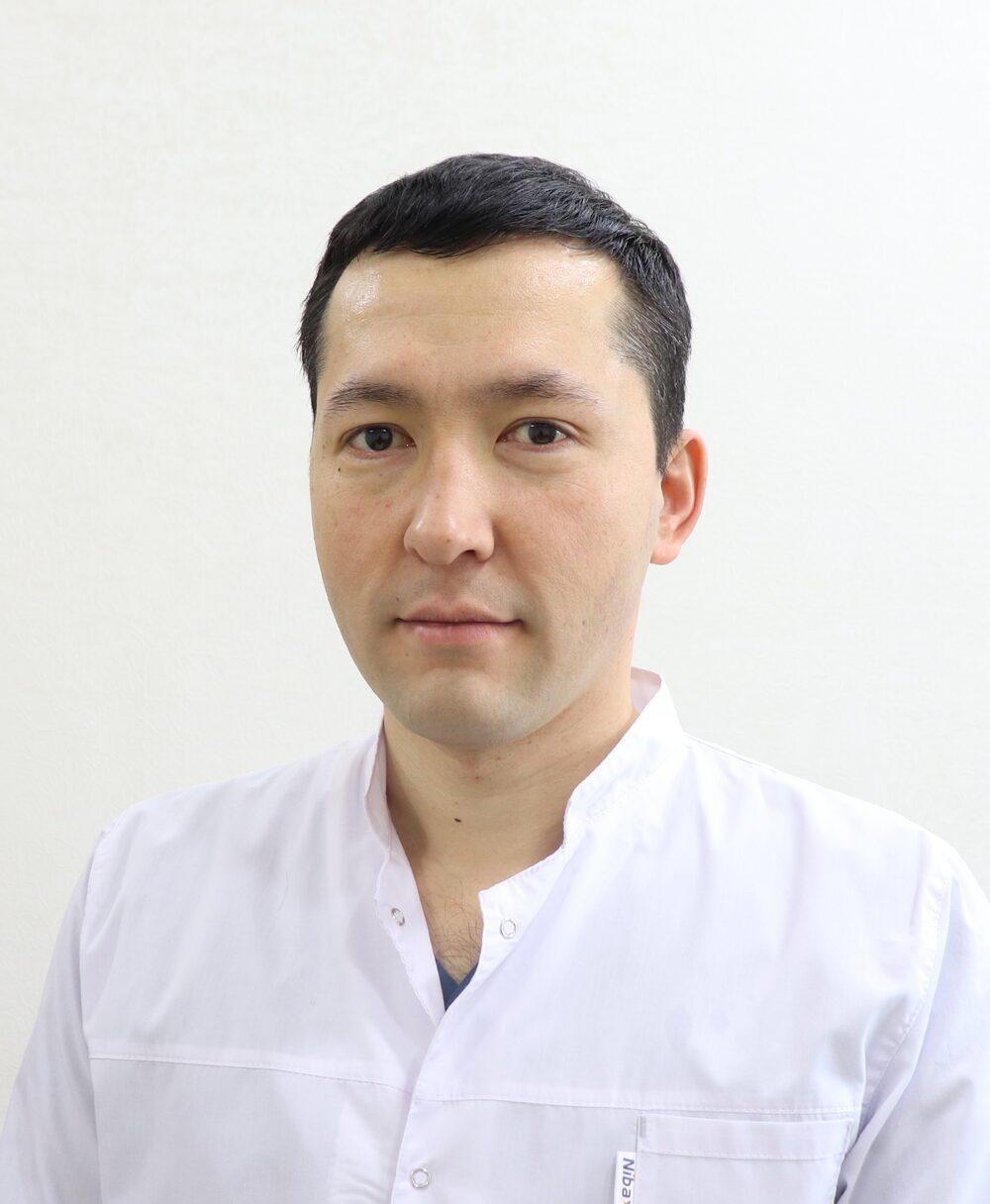
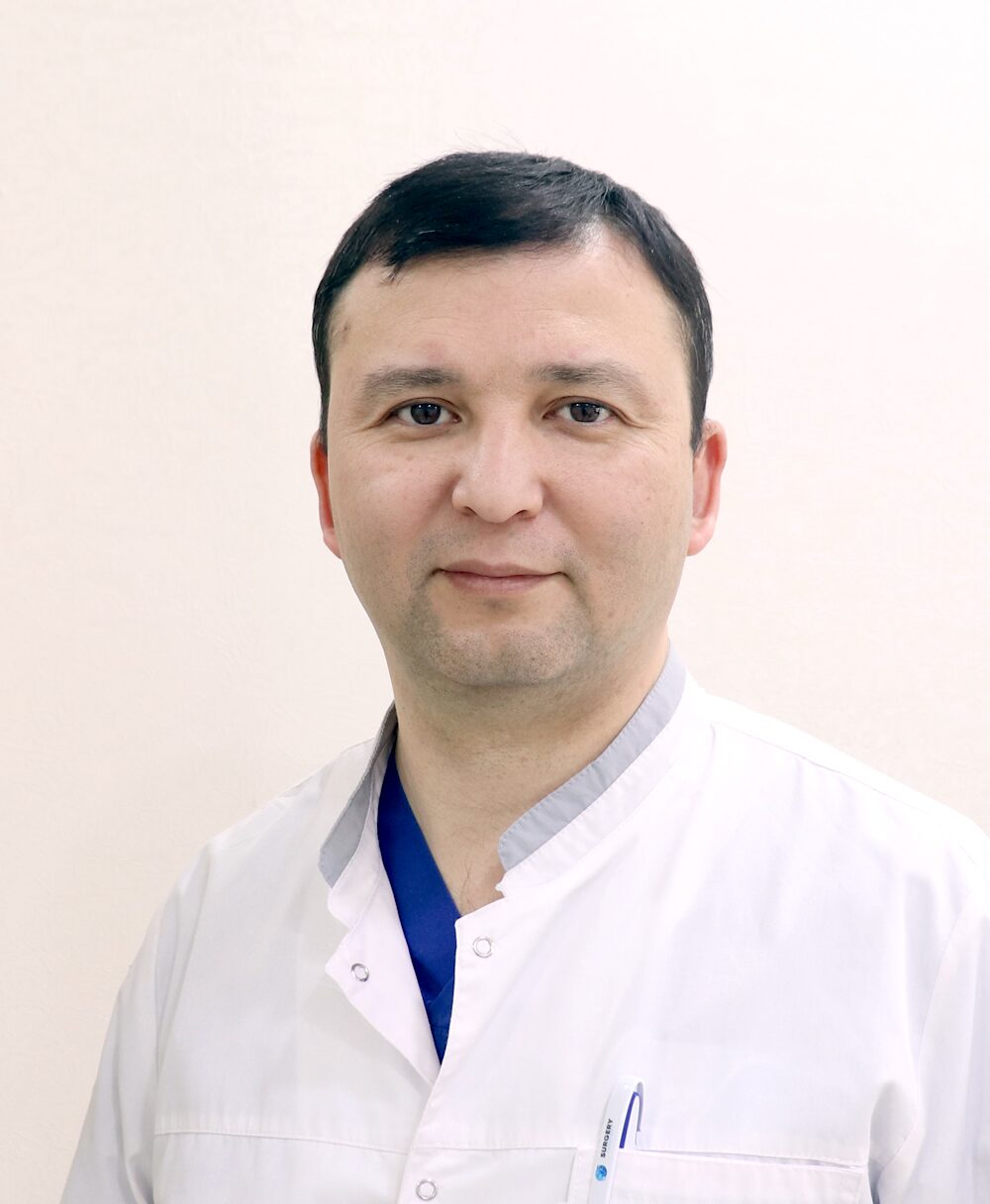
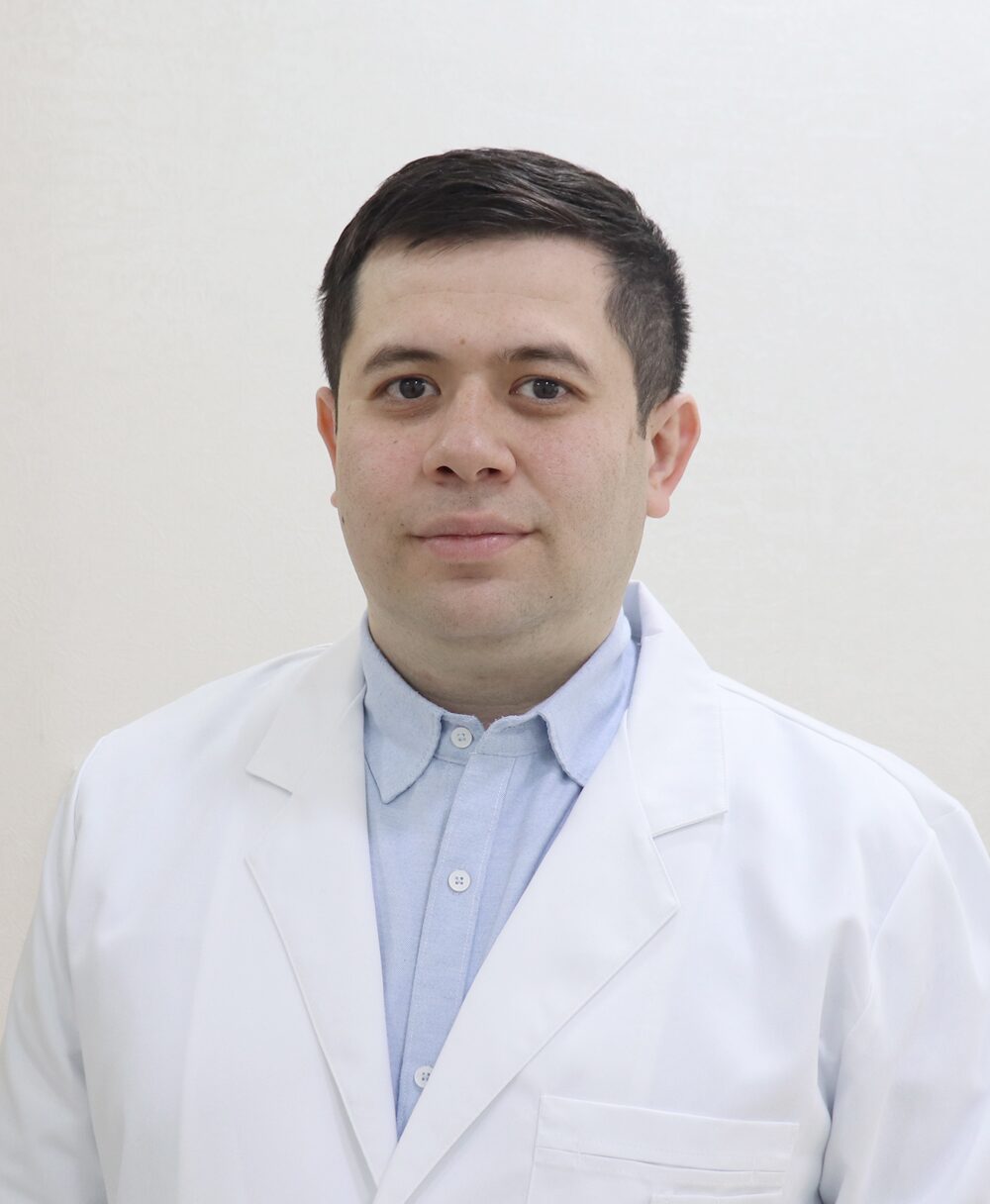
Kidney operations are performed by urologists together with oncological surgeons. Our doctors in this field:
Is robotic surgery right for you?
Book an appointment with a surgeon and bring your test results: the doctor will compare the options and recommend the safest one for you.
Call now — +998 71 210-30-30Contacts
Address: 7A/3 Nurafshon street, Tashkent
Phone: +998 71 210-30-30 · WhatsApp: +998 95 662-30-30
Opening hours: Monday–Saturday, 09:00–18:00
E-mail:
