


Useful articles

Chronic Kidney Disease: Early Signs and Screening — Saba Darmon, Tashkent
Doctor's blog
sbdrmn
The kidneys are the body's natural filter, yet a decline in their function is usually noticed far too late. Chronic kidney disease develops over years with almost no symptoms and is detected mainly through simple blood and urine tests. Below we explain what the condition is, who is at risk and where to start with testing.
What chronic kidney disease is
Chronic kidney disease (CKD) is damage to kidney structure or a decline in filtering capacity that lasts for at least three months. The kidneys remove excess fluid and metabolic waste from the blood, and they help regulate blood pressure, water and salt balance, red blood cell production and bone strength. When their function falls, almost every system in the body is affected.
The condition does not appear overnight. It usually builds up slowly against a background of diabetes, high blood pressure, recurrent urinary tract infections or kidney stone disease.
Why it stays silent for so long
The kidneys have a large functional reserve: healthy tissue takes over the work of damaged areas. As a result, a person may feel perfectly well until a significant share of kidney function has already been lost. This is exactly why CKD should be looked for through planned testing rather than by waiting for complaints.
Signs worth paying attention to
- persistent weakness, rapid fatigue, poor concentration;
- puffiness around the eyes and swelling of the feet in the morning;
- waking up several times at night to pass urine;
- foamy urine or a change in its colour;
- loss of appetite, a metallic taste in the mouth, nausea;
- dry skin and itching without an obvious cause;
- high blood pressure that is hard to control with treatment;
- anaemia of unclear origin and cramps in the leg muscles.
Each of these signs also occurs in other conditions, so interpreting them on your own leads to wrong conclusions.
Who is at higher risk
- people living with diabetes;
- patients with arterial hypertension;
- those with kidney disease in close relatives;
- people over 60;
- patients with excess weight and obesity;
- anyone who has had kidney stones or repeated episodes of pyelonephritis;
- long-term, unsupervised users of painkillers and anti-inflammatory medicines;
- smokers, people with gout and those living with a single kidney.
Screening: which tests are needed
Assessing kidney health does not require complex or expensive imaging. A basic set of tests is usually enough:
- serum creatinine and the estimated glomerular filtration rate (eGFR) calculated from it;
- a general urine test;
- the urine albumin-to-creatinine ratio, one of the earliest markers of kidney damage;
- blood urea, potassium, sodium, calcium and phosphorus;
- fasting glucose and a lipid profile;
- ultrasound of the kidneys and urinary tract;
- home blood pressure measurements recorded over several days.
People in the risk groups are usually advised to repeat these tests on the schedule set by their doctor, most often once a year.
What the stages mean
CKD is divided into stages according to the glomerular filtration rate and the amount of protein in the urine. In the early stages the goal is to treat the underlying cause, control blood pressure and glucose, and stop further damage. In later stages the treatment plan becomes more complex and continuous specialist supervision is required. That is why early detection has a direct effect on the outcome.
Everyday habits that protect your kidneys
- monitor blood pressure and blood glucose regularly;
- limit salt and cut down on smoked and ready-made foods;
- drink enough fluid unless your doctor has advised otherwise;
- do not take painkillers in long courses on your own initiative;
- complete the treatment of urinary tract infections instead of stopping when symptoms fade;
- quit smoking and keep your weight within a healthy range;
- avoid sports protein supplements and dietary supplements without medical advice.
When to see a doctor
If you have even one of the risk factors listed above, if your test results have changed, or if you notice swelling, frequent night-time urination and constant fatigue, do not postpone the check-up. At the Saba Darmon Medical Center in Tashkent you can see a urologist, have laboratory tests taken and undergo a kidney ultrasound, after which the doctor will review the results with you and build a suitable monitoring plan. Interpreting test results from information found online or choosing medicines yourself is dangerous for the kidneys — discuss any change with a specialist.
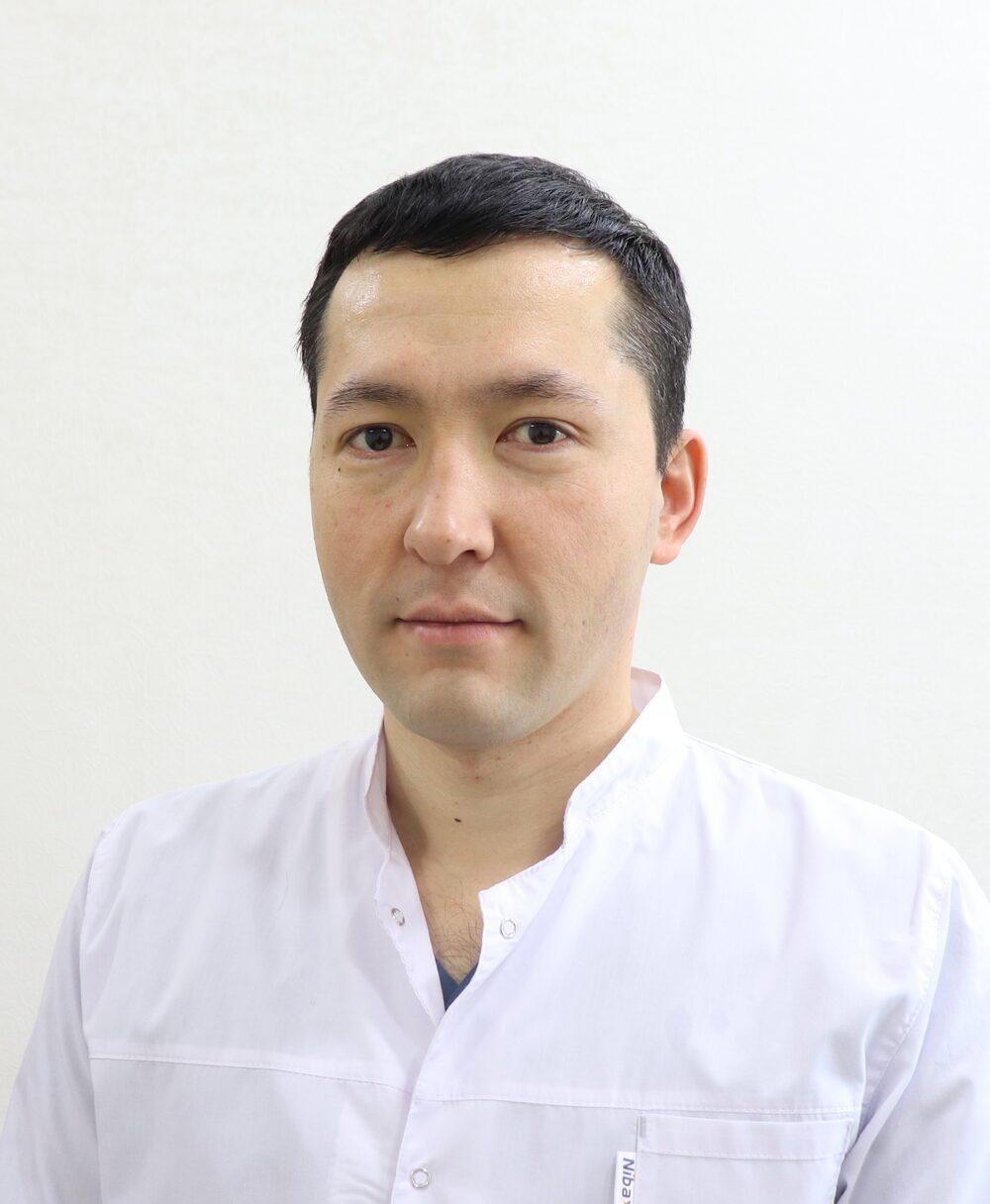
Doctors of this department


Saba Darmon Medical Center — contacts
📍 Tashkent, Nurafshon street, 7A/3
📞 +99871 210-30-30 · WhatsApp +998 95 662-30-30
✉️This email address is being protected from spambots. You need JavaScript enabled to view it.
🌐 Instagram · Telegram · Facebook · YouTube
📞 +99871 210-30-30 · WhatsApp +998 95 662-30-30
✉️
🌐 Instagram · Telegram · Facebook · YouTube