


Useful articles

Endometriosis and Ovarian Cysts: Robotic Surgery That Protects Ovarian Reserve
Doctor's blog
sbdrmn
Direction: Robotic surgery · All services
Endometriosis and ovarian cysts are common causes of severe pain and infertility in women of reproductive age. When surgery is needed, the key question is how to preserve the ovary and its reserve of eggs. Below we explain which cysts need an operation, the role of the AMH test and how robotic surgery helps protect the ovary.
Contents
- What endometriosis is and how it shows itself
- Ovarian cysts: which ones need surgery
- Diagnosis: ultrasound, MRI and AMH
- When medication, and when surgery
- Ovarian reserve: why surgical technique is decisive
- Advantages of robotic surgery
- After surgery: recovery, pregnancy and recurrence
- Frequently asked questions
What endometriosis is and how it shows itself
Endometriosis is the growth of tissue similar to the lining of the womb (the endometrium) outside the uterus: on the ovaries, the lining of the pelvis, the uterine ligaments and sometimes on the bowel or bladder. This tissue responds to the menstrual cycle every month and causes inflammation and adhesions. Endometriosis affects roughly one in ten women of reproductive age.
The main symptoms are:
- severe period pain that gets worse from year to year;
- chronic lower abdominal pain and pain during intercourse;
- pain on opening the bowels or passing urine during a period;
- difficulty getting pregnant, as endometriosis is one of the common causes of infertility (“Female infertility: causes and modern treatment”).
Many women put up with severe period pain for years, believing it is “normal”. As a result, endometriosis is often diagnosed several years late. If painkillers do not let you carry on with normal life, see a gynaecologist.
Ovarian cysts: which ones need surgery
Not every ovarian cyst needs an operation. Identifying the type correctly is what matters:
| Type of cyst | Features | Usual approach |
|---|---|---|
| Functional (follicular, corpus luteum) | Linked to the cycle, often disappears on its own | Observation for 1–3 cycles with ultrasound checks |
| Endometrioma (“chocolate” cyst) | Endometriosis on the ovary, filled with thick old blood | Medication or surgery depending on size, pain and pregnancy plans |
| Dermoid cyst (mature teratoma) | Contains fat, hair and other tissue elements | Usually surgery, preserving the ovary |
| Serous or mucinous cystadenoma | Grows slowly and does not go away by itself | Surgery |
Sudden severe lower abdominal pain with nausea and vomiting may mean ovarian torsion or a ruptured cyst. This is an emergency, so seek medical help immediately.
Diagnosis: ultrasound, MRI and AMH
- Transvaginal ultrasound is the main test: an experienced specialist can see the type and size of a cyst and signs of deep endometriosis;
- pelvic MRI is used in deep infiltrating endometriosis to assess involvement of the bowel, bladder and ureters;
- an AMH blood test shows the ovarian reserve and is very important when planning surgery (“AMH and ovarian reserve”);
- CA-125 may be raised in endometriosis but is not enough to make the diagnosis.
Endometriosis is finally confirmed by histological examination of tissue taken during surgery.
When medication, and when surgery
Treatment of endometriosis usually starts with medication: painkillers and hormonal therapy such as progestogens or combined contraceptive pills. These “switch off” the activity of the disease but do not cure it completely.
Surgery is considered when:
- pain continues despite treatment;
- a cyst is large, growing or of uncertain nature;
- deep endometriosis is pressing on the bowel, bladder or a ureter;
- there is infertility, which is assessed case by case together with a fertility specialist.
With infertility and a small endometrioma, surgery is not always beneficial, and sometimes going straight to IVF is the better option. This decision takes into account AMH, age and other factors.
Ovarian reserve: why surgical technique is decisive
The main risk when removing an ovarian cyst is losing some healthy ovarian tissue along with it. That tissue holds the reserve of eggs. As a result, AMH levels can fall after surgery, especially after operations on both ovaries or repeat operations.
To protect the reserve, the surgeon:
- separates the cyst wall in the correct plane and handles healthy tissue as little as possible;
- limits the use of diathermy to stop bleeding, often using fine stitches instead;
- where appropriate, discusses egg freezing before the operation.
Advantages of robotic surgery
Operations for endometriosis and cysts have been performed laparoscopically for many years (“Laparoscopic gynaecological surgery in Tashkent”). Robotic surgery builds on this approach and offers extra possibilities in difficult cases:
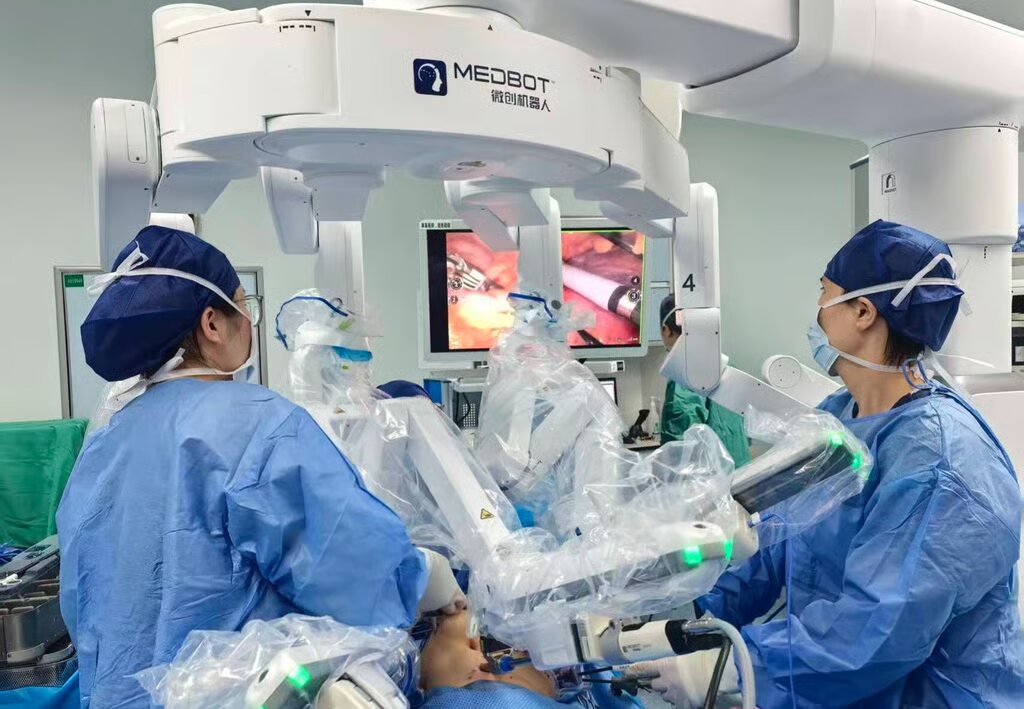
- a magnified 3D view shows small endometriosis deposits and the edge of the cyst more clearly;
- wristed instruments make it easy to place fine stitches on the ovary, which reduces diathermy and helps preserve the reserve;
- in deep endometriosis, deposits can be carefully separated from the bowel, bladder and ureters;
- small incisions mean less pain, faster recovery and a good cosmetic result.
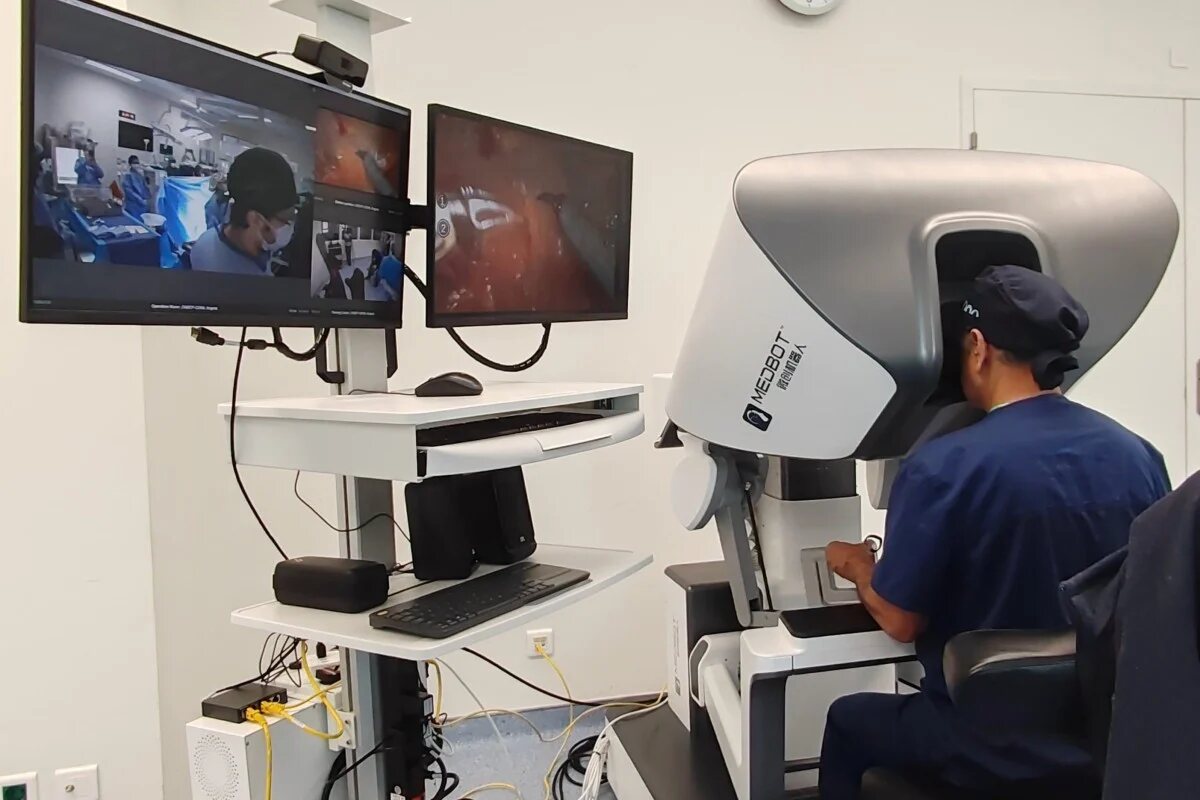
Saba Darmon Clinic has a MedBot Toumai robotic system. The gynaecological surgeon chooses the method, laparoscopic or robotic, according to your situation. On the differences between the methods: “Robotic surgery vs laparoscopy”.
After surgery: recovery, pregnancy and recurrence
Patients usually go home after 1–2 days and return to normal activities within 1–2 weeks. The histology result confirms the diagnosis.
- Preventing recurrence. Endometriosis is a chronic condition. If pregnancy is not planned in the near future, hormonal therapy after surgery lowers the risk of recurrence.
- Planning a pregnancy. If you want a child, agree in advance with your gynaecologist and fertility specialist when to start trying or when to move to IVF.
- Follow-up. An ultrasound check every 6–12 months and AMH testing when needed.
The article in this series on uterine fibroids: “Uterine fibroids: robotic surgery”. More about recovery: “Recovery after robotic surgery”.
Frequently asked questions
Can an ovarian cyst go away on its own?
Yes. Functional cysts, such as follicular and corpus luteum cysts, often disappear on their own within 1–3 menstrual cycles. Endometriomas, dermoid cysts and cystadenomas do not go away by themselves. Your gynaecologist determines the type of cyst by ultrasound.
Can I get pregnant after an endometrioma is removed?
Yes, most women can get pregnant after surgery. What matters is that the operation is done in a way that preserves the ovarian reserve. If your AMH is low, the gynaecologist and fertility specialist will plan the order of surgery and IVF in advance.
Does endometriosis come back after surgery?
Because endometriosis is a chronic condition, it can recur. To lower the risk, deposits are removed as completely as possible, and if pregnancy is not planned, continuing hormonal therapy after surgery is recommended.
How is robotic surgery different from laparoscopy?
Both are performed through small ports. In robotic surgery the surgeon sees a magnified 3D image and works with wristed instruments. This is particularly helpful in deep endometriosis and when placing fine stitches on the ovary.
How should I prepare for the operation?
You will usually need an ultrasound, an MRI if indicated, AMH, routine blood tests, a coagulation profile and an ECG. Surgery is often scheduled for the days after your period ends. Your gynaecologist will give you the exact list, and you can ask about the cost by calling +998 71 210-30-30.
More about robotic surgery:
- Robotic Surgery in Tashkent — all directions
- Robotic Surgery in Tashkent: the MedBot Toumai System
- Is Robotic Surgery Safe? 10 Questions
- Robotic Surgery vs Laparoscopy: What Is the Difference
- Preparing for Robotic Surgery: Step by Step
- Recovery After Robotic Surgery
- Bladder Cancer: Robotic Cystectomy
- Hernia: Robotic Repair
- Gallbladder: Robotic Cholecystectomy
- Who Is Not Suitable for Robotic Surgery
- Uterine and Cervical Cancer: Robotic Surgery
- Large Prostate Adenoma: TURP or Robotic Surgery
- Varicocele Surgery: Marmar or Robotic
- Kidney Removal: Robotic Nephrectomy
- Ectopic Pregnancy: Tube-Sparing Robotic Surgery
- Female Urinary Incontinence: TVT or Robotic Surgery
- Uterus Removal: Robotic Hysterectomy
- Hiatal Hernia and Reflux: Robotic Fundoplication
- Liver Tumour: Robotic Liver Resection
- Pancreatic Tumour: Robotic Resection
- Obesity Surgery: Robotic Sleeve Gastrectomy
- Diastasis Recti: Robotic Repair
- Colon Cancer: Robotic Hemicolectomy
- Anaesthesia and Pain Control in Robotic Surgery
- Pregnancy After Robotic Myomectomy
- Robotic Prostatectomy
- Kidney Tumour: Robotic Partial Nephrectomy
- Colorectal Cancer: Robotic Surgery
- Uterine Fibroids: Robotic Surgery
- What Is Telesurgery?
- Robotic Surgery in Older Adults
- Stomach Cancer: Robotic Gastrectomy
- Hydronephrosis: Robotic Pyeloplasty
- Pelvic Organ Prolapse: Robotic Sacrocolpopexy
- Adrenal Tumour: Robotic Adrenalectomy
Doctors for consultation
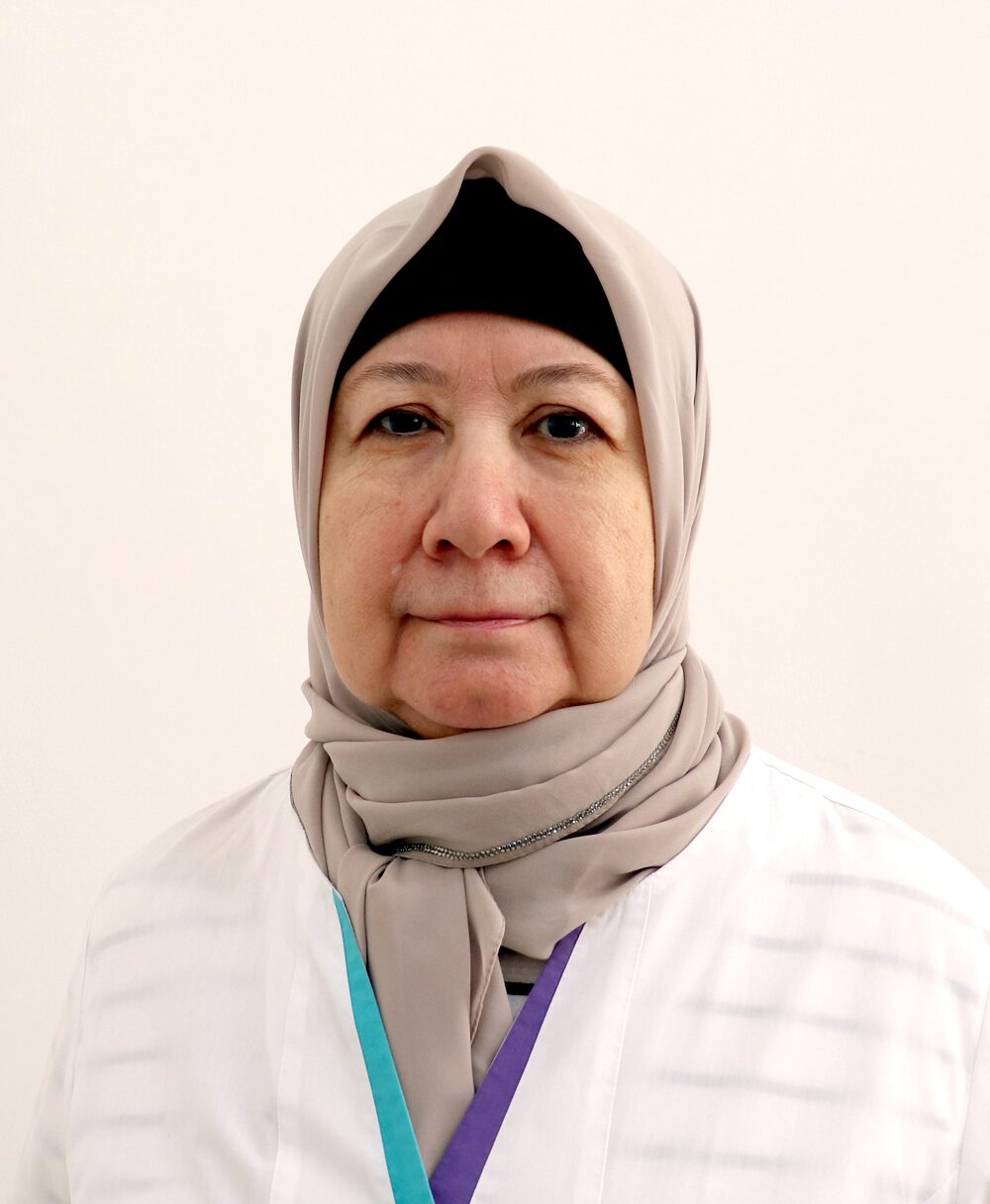
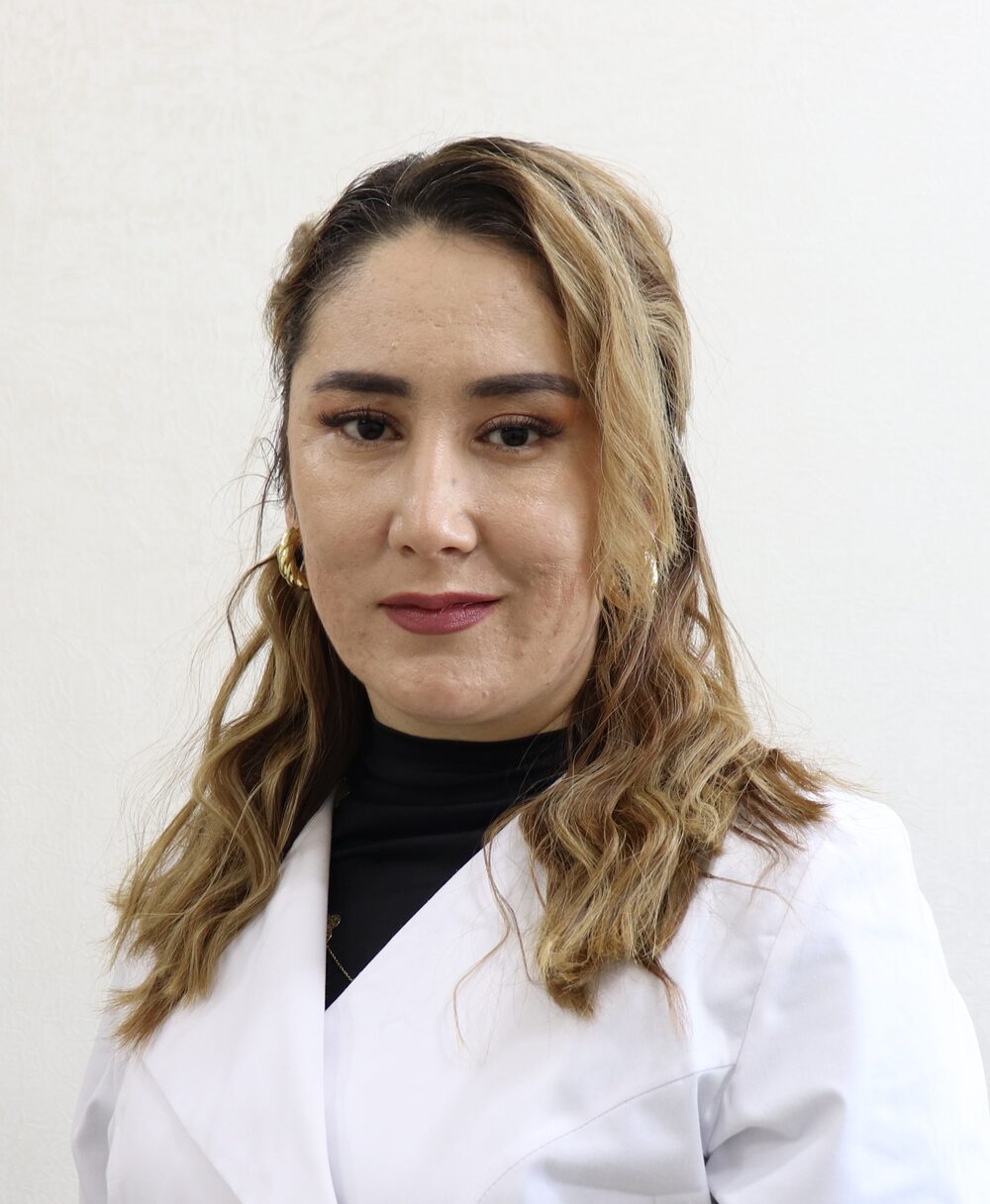
Whether surgery is needed for endometriosis or an ovarian cyst, and its method and extent, is decided by a gynaecological surgeon after examination. Our doctors for consultation:
Is robotic surgery right for you?
Book an appointment with a surgeon and bring your test results: the doctor will compare the options and recommend the safest one for you.
Call now — +998 71 210-30-30Contacts
Address: 7A/3 Nurafshon street, Tashkent
Phone: +998 71 210-30-30 · WhatsApp: +998 95 662-30-30
Opening hours: Monday–Saturday, 09:00–18:00
E-mail: