


Useful articles

Hydronephrosis: Robotic Pyeloplasty to Save the Kidney
Doctor's blog
sbdrmn
Direction: Robotic surgery · All services
An ultrasound report saying “the renal pelvis is dilated” worries many people. Often the cause is a narrowing where the renal pelvis joins the ureter. It is treated with a kidney-preserving operation called pyeloplasty, which is very well suited to robotic surgery.
Contents
What hydronephrosis is
Urine produced by the kidney first collects in the renal pelvis and then drains down the ureter into the bladder. If the junction between the renal pelvis and the ureter is narrowed, urine cannot drain freely. The renal pelvis then widens, and the kidney tissue gradually comes under pressure. This condition is called hydronephrosis.
The narrowing may be congenital and is found sometimes in childhood and sometimes only in adults. In other cases it is caused by an extra blood vessel pressing on the pelvis, previous inflammation or scarring after surgery.
Symptoms
- aching pain in the back or side, especially after drinking a lot;
- recurrent urinary tract infections and fever;
- kidney stones;
- blood in the urine.
Often hydronephrosis causes no symptoms at all and is found by chance on an ultrasound scan.
How it is investigated
The first test is a kidney ultrasound. If widening is seen, a contrast CT scan (CT urography) shows where the narrowing is and what is causing it. To assess how well the kidney is working and how much the drainage is obstructed, a nuclear medicine scan (renography) may be recommended. Based on these results, the urologist decides whether surgery is needed or whether monitoring is enough.
Pyeloplasty: how the operation is done
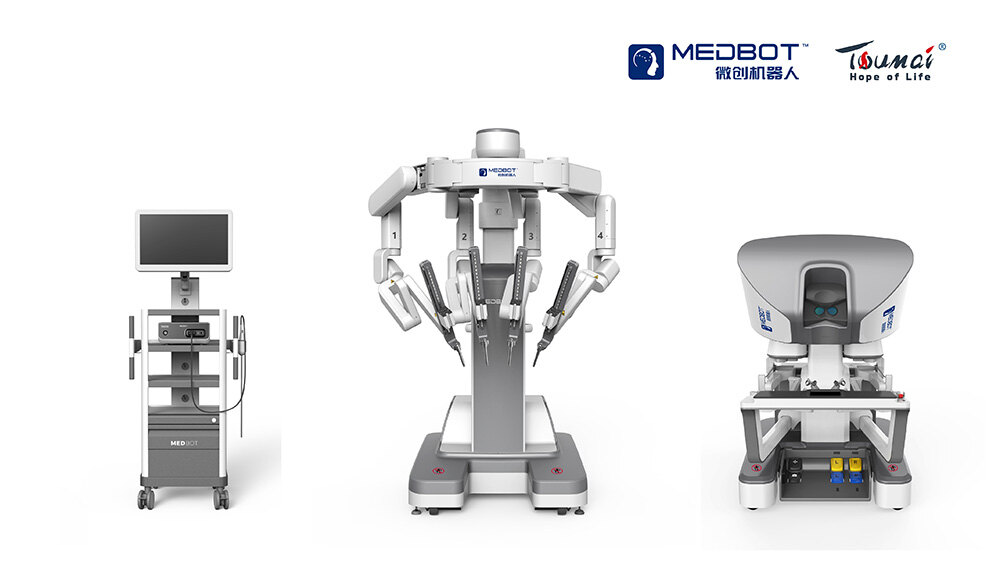
Pyeloplasty is a kidney-preserving reconstructive operation. The surgeon cuts out the narrowed segment and reconnects the renal pelvis to the ureter with a wide opening. If an extra blood vessel is pressing on the pelvis, the ureter is moved in front of it. While the stitches heal, a thin tube (stent) is left inside the ureter, and it is usually removed a few weeks later.
Why the robot helps
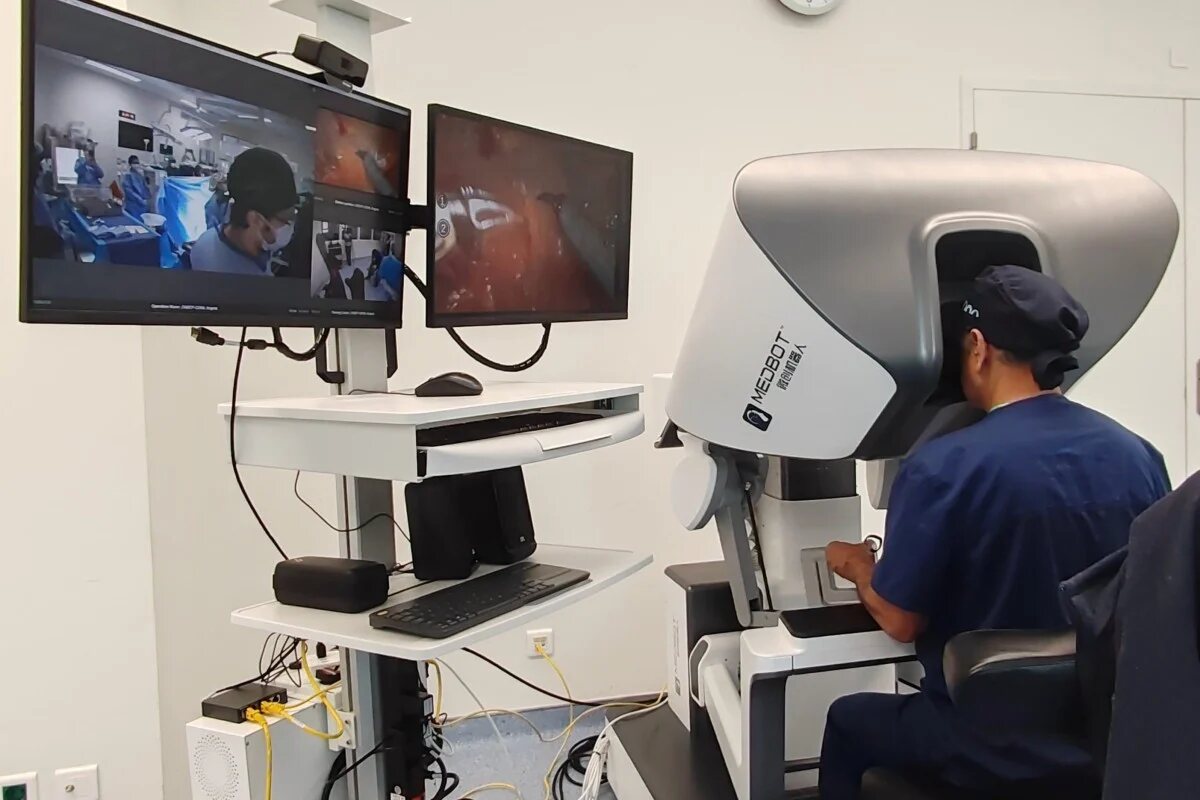
The success of this operation depends on very fine, watertight stitches. The ureter is narrow, so suturing must be precise. A robotic system gives a magnified three-dimensional view, wristed instruments and tremor filtering, which is why pyeloplasty is one of the most common reconstructive operations in robotic urology. For the patient this means small incisions, less pain and a quicker recovery.
After the operation
Patients usually start walking the next day, and the hospital stay lasts a few days. While the stent is in place, some discomfort on passing urine or a little blood in the urine is normal. The stent is removed at the planned time through the bladder, without any incision. Follow-up ultrasound and, if needed, renography then show how well kidney function has recovered. We have a separate article on kidney tumours, and preparation for surgery is covered here.
Frequently asked questions
Can hydronephrosis be treated with medication?
A narrowing cannot be widened with tablets. In mild cases monitoring may be enough, but if kidney function declines or pain and infections keep returning, surgery is recommended.
Is the stent painful?
Some patients feel discomfort or a frequent urge to pass urine. This is temporary and settles once the stent is removed.
How much does the operation cost?
The cost depends on the tests and the extent of surgery. You can find out the exact price after a consultation with a urologist by calling +998 71 210-30-30.
More about robotic surgery:
- Robotic Surgery in Tashkent — all directions
- Robotic Surgery in Tashkent: the MedBot Toumai System
- Is Robotic Surgery Safe? 10 Questions
- Robotic Surgery vs Laparoscopy: What Is the Difference
- Preparing for Robotic Surgery: Step by Step
- Recovery After Robotic Surgery
- Bladder Cancer: Robotic Cystectomy
- Hernia: Robotic Repair
- Gallbladder: Robotic Cholecystectomy
- Who Is Not Suitable for Robotic Surgery
- Uterine and Cervical Cancer: Robotic Surgery
- Large Prostate Adenoma: TURP or Robotic Surgery
- Varicocele Surgery: Marmar or Robotic
- Kidney Removal: Robotic Nephrectomy
- Ectopic Pregnancy: Tube-Sparing Robotic Surgery
- Female Urinary Incontinence: TVT or Robotic Surgery
- Uterus Removal: Robotic Hysterectomy
- Hiatal Hernia and Reflux: Robotic Fundoplication
- Liver Tumour: Robotic Liver Resection
- Pancreatic Tumour: Robotic Resection
- Obesity Surgery: Robotic Sleeve Gastrectomy
- Diastasis Recti: Robotic Repair
- Colon Cancer: Robotic Hemicolectomy
- Anaesthesia and Pain Control in Robotic Surgery
- Pregnancy After Robotic Myomectomy
- Robotic Prostatectomy
- Kidney Tumour: Robotic Partial Nephrectomy
- Colorectal Cancer: Robotic Surgery
- Uterine Fibroids: Robotic Surgery
- Endometriosis and Ovarian Cysts: Robotic Surgery
- What Is Telesurgery?
- Robotic Surgery in Older Adults
- Stomach Cancer: Robotic Gastrectomy
- Pelvic Organ Prolapse: Robotic Sacrocolpopexy
- Adrenal Tumour: Robotic Adrenalectomy
Doctors for consultation
The urologist decides whether surgery is needed based on ultrasound, CT and renography. Our doctors for consultation:

Is robotic surgery right for you?
Book an appointment with a surgeon and bring your test results: the doctor will compare the options and recommend the safest one for you.
Call now — +998 71 210-30-30Contacts
Address: 7A/3 Nurafshon street, Tashkent
Phone: +998 71 210-30-30 · WhatsApp: +998 95 662-30-30
Opening hours: Monday–Saturday, 09:00–18:00
E-mail: