


Useful articles

Robotic Prostatectomy: Who Needs It and What to Expect
Doctor's blog
sbdrmn
Direction: Robotic surgery · All services
Prostate cancer is one of the most common cancers in men, and when it is found early it can often be cured. One of the main treatments is radical prostatectomy, the complete removal of the prostate gland. Today this operation is increasingly performed with a surgical robot. Below we explain who robotic prostatectomy is for, how it is carried out and what to expect afterwards.
What robotic prostatectomy is
In a radical prostatectomy the prostate gland and the seminal vesicles are removed completely, and if necessary the nearby lymph nodes as well. The bladder is then reconnected to the urethra. It is a delicate operation performed deep in the narrow space of the pelvis, close to the nerves that control urinary continence and erections.
In the robotic approach the operation is performed through several small ports in the abdomen instead of a large incision. The surgeon sits at a console and controls the instruments held by the robot’s arms. The robot does nothing by itself; every movement is made by the surgeon.
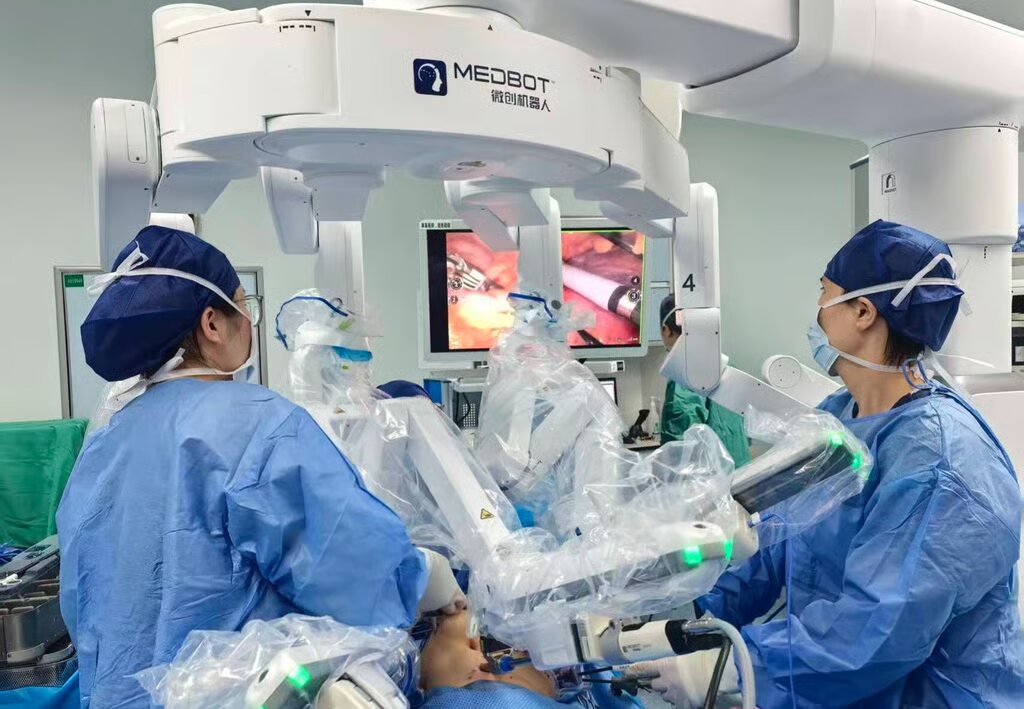
Why the robot matters so much in prostate surgery
Robotic surgery spread around the world largely because of prostatectomy. The reason is simple: the prostate lies deep in the pelvis and is surrounded by fine nerve bundles and blood vessels. In these conditions the robot’s advantages are felt most clearly:
- the operating field is seen in a magnified three-dimensional view;
- the instruments bend like a wrist, which makes suturing in a tight space easier;
- hand tremor is filtered out, allowing the fine movements needed to preserve nerves;
- the stitch joining the bladder to the urethra can be placed more precisely.
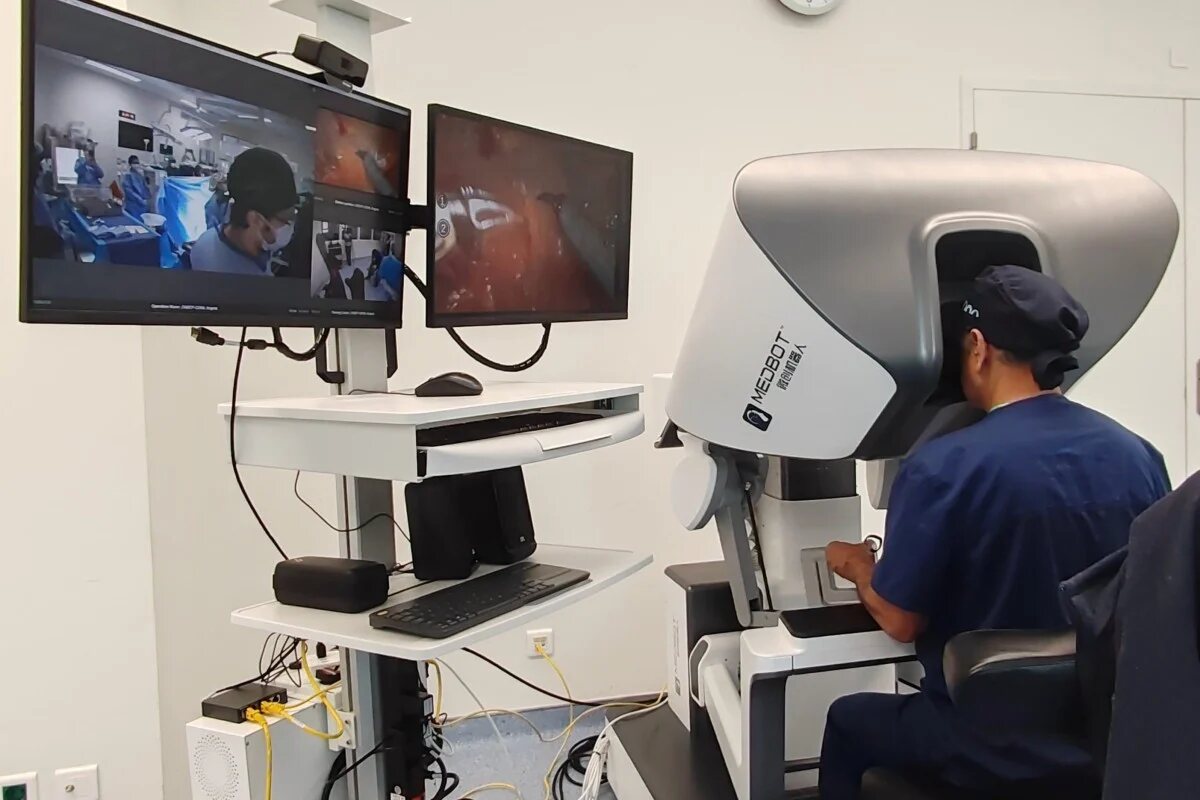
Who it is recommended for
Robotic prostatectomy is mainly recommended for localised prostate cancer that has not spread beyond the gland, when the patient is fit enough for surgery. The decision is based on the PSA level, the biopsy result (Gleason score), MRI and other tests. Some patients may be offered radiotherapy or active surveillance instead of surgery, so it is important to discuss all the options with your urologist.
Benign enlargement of the prostate (BPH) is a different condition. It is usually treated differently, with medication or with procedures performed through the urethra such as TURP or laser surgery. Robotic surgery is sometimes considered for a very large gland.
Preparing for the operation
- a consultation with a urologist and a surgical oncologist to review your results;
- blood tests, a coagulation profile, PSA and a urine test;
- pelvic MRI, CT or other imaging if needed;
- an ECG and assessment by an internist and an anaesthetist;
- learning pelvic floor exercises before surgery, which helps recovery afterwards.
If you take blood thinners, be sure to tell your doctor, and do not stop them on your own.
The operation and the hospital stay
The operation is performed under general anaesthesia and usually takes a few hours. Afterwards a urinary catheter is left in the bladder, usually for one to two weeks, to allow the join to heal. Most patients are walking the next day. The hospital stay is generally shorter than after open surgery and lasts a few days.
Urinary control and erections
These are the two questions men worry about most. After the catheter is removed, some leakage of urine in the first weeks is normal. In most patients urinary control returns gradually over several weeks to months. Regular pelvic floor (Kegel) exercises speed up this process.
Recovery of erectile function depends on age, function before surgery and whether the nerve bundles could be preserved, which in turn depends on how far the tumour has spread. Recovery can take from several months to a year. If needed, your urologist will prescribe additional treatment.
Follow-up after surgery
The removed tissue is sent for histological examination, and the result guides the next steps. After the operation the PSA level is checked regularly, usually every few months at first and less often later. A PSA level that stays low is a good sign. Your urologist will set the follow-up schedule.
Frequently asked questions
Will there be a lot of pain after the operation?
Because the incisions are small, pain is usually moderate and well controlled with standard painkillers.
When can I go back to work?
Most men return to light work after two to four weeks. Do not lift heavy objects until your urologist allows it.
How much does the operation cost?
The cost depends on the extent of the operation and the tests required. You can find out the exact price after a consultation with a urologist by calling +998 71 210-30-30.
More about robotic surgery:
- Robotic Surgery in Tashkent — all directions
- Robotic Surgery in Tashkent: the MedBot Toumai System
- Is Robotic Surgery Safe? 10 Questions
- Robotic Surgery vs Laparoscopy: What Is the Difference
- Preparing for Robotic Surgery: Step by Step
- Recovery After Robotic Surgery
- Bladder Cancer: Robotic Cystectomy
- Hernia: Robotic Repair
- Gallbladder: Robotic Cholecystectomy
- Who Is Not Suitable for Robotic Surgery
- Uterine and Cervical Cancer: Robotic Surgery
- Large Prostate Adenoma: TURP or Robotic Surgery
- Varicocele Surgery: Marmar or Robotic
- Kidney Removal: Robotic Nephrectomy
- Ectopic Pregnancy: Tube-Sparing Robotic Surgery
- Female Urinary Incontinence: TVT or Robotic Surgery
- Uterus Removal: Robotic Hysterectomy
- Hiatal Hernia and Reflux: Robotic Fundoplication
- Liver Tumour: Robotic Liver Resection
- Pancreatic Tumour: Robotic Resection
- Obesity Surgery: Robotic Sleeve Gastrectomy
- Diastasis Recti: Robotic Repair
- Colon Cancer: Robotic Hemicolectomy
- Anaesthesia and Pain Control in Robotic Surgery
- Pregnancy After Robotic Myomectomy
- Kidney Tumour: Robotic Partial Nephrectomy
- Colorectal Cancer: Robotic Surgery
- Uterine Fibroids: Robotic Surgery
- Endometriosis and Ovarian Cysts: Robotic Surgery
- What Is Telesurgery?
- Robotic Surgery in Older Adults
- Stomach Cancer: Robotic Gastrectomy
- Hydronephrosis: Robotic Pyeloplasty
- Pelvic Organ Prolapse: Robotic Sacrocolpopexy
- Adrenal Tumour: Robotic Adrenalectomy
Doctors for consultation
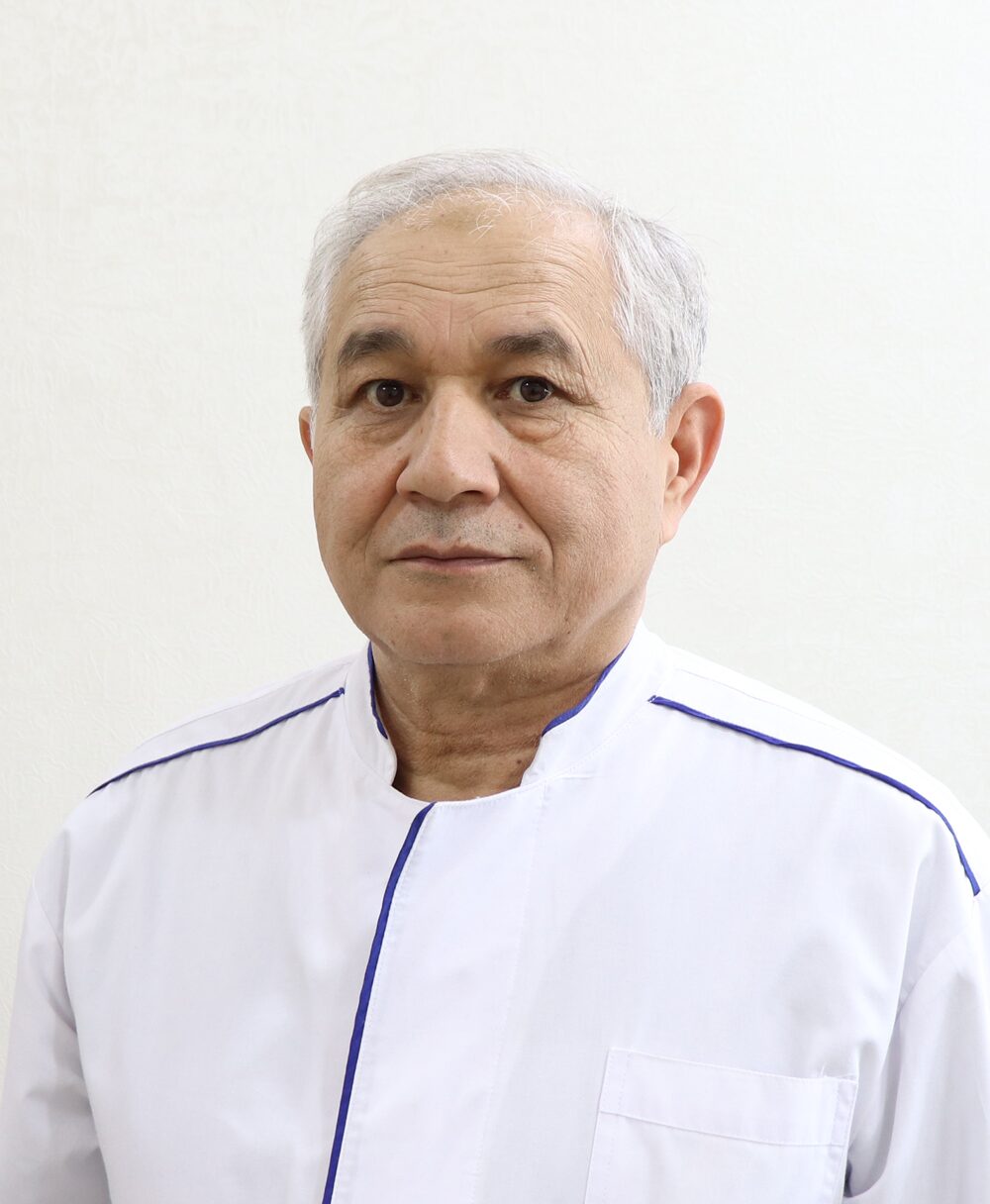
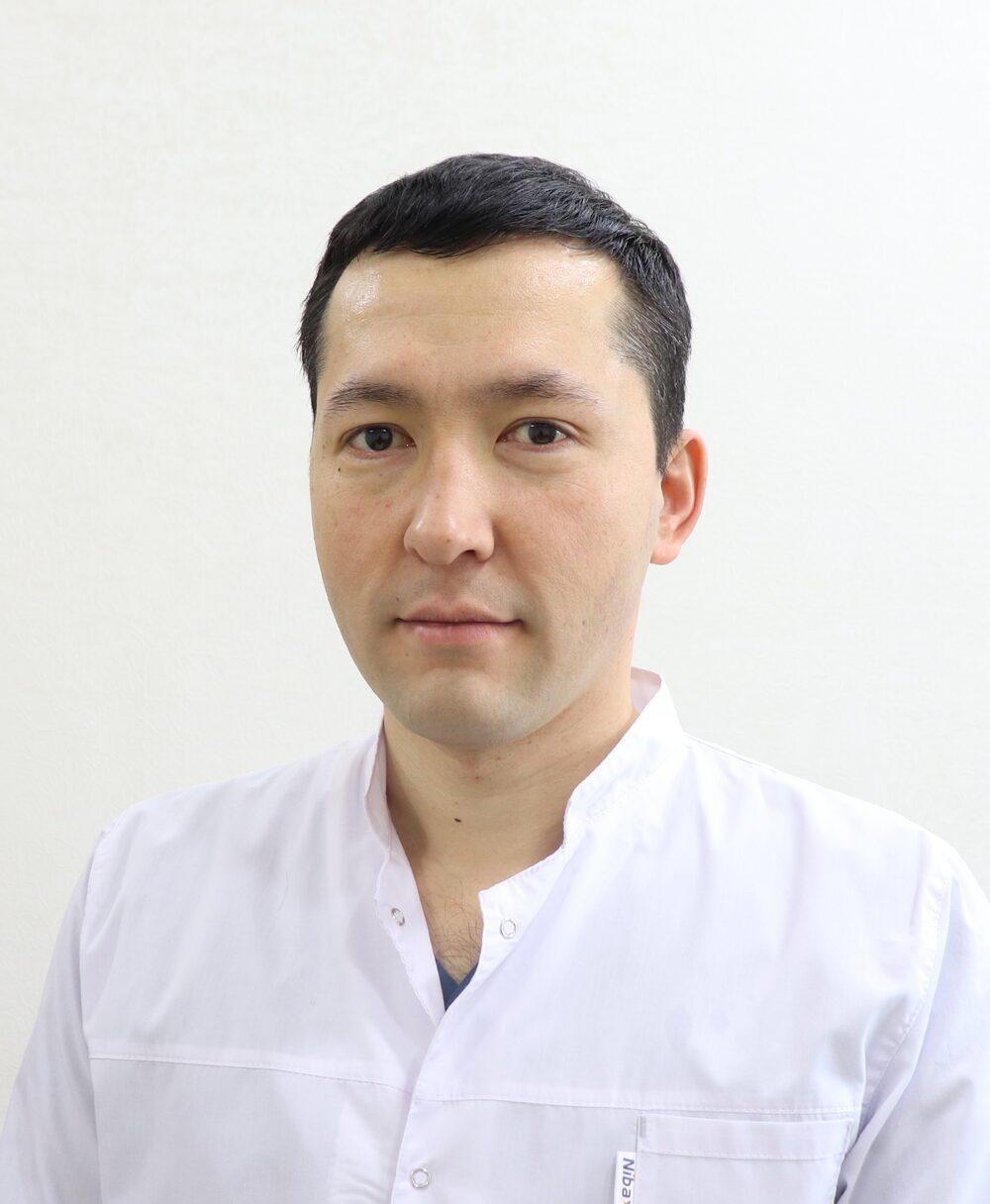
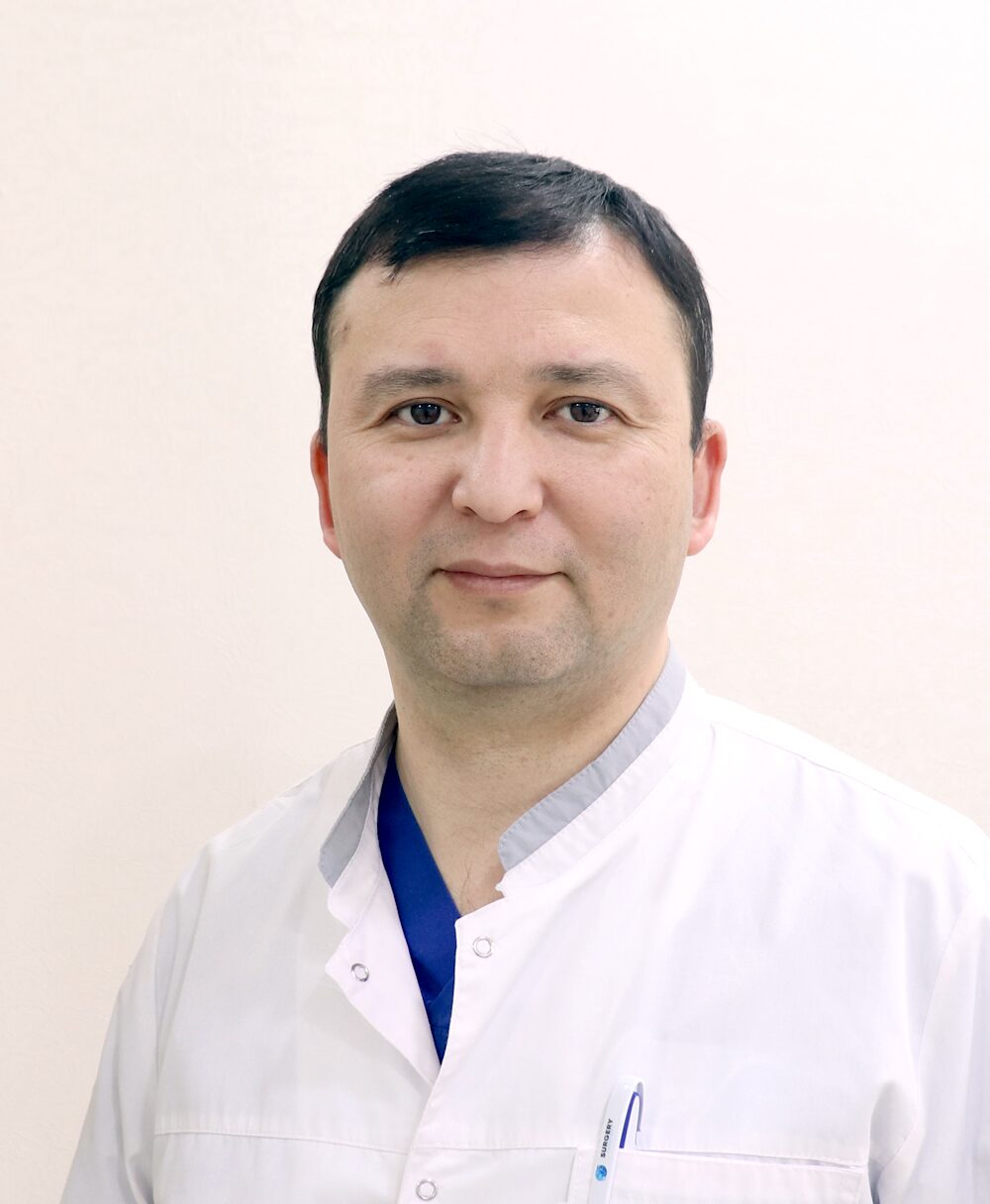
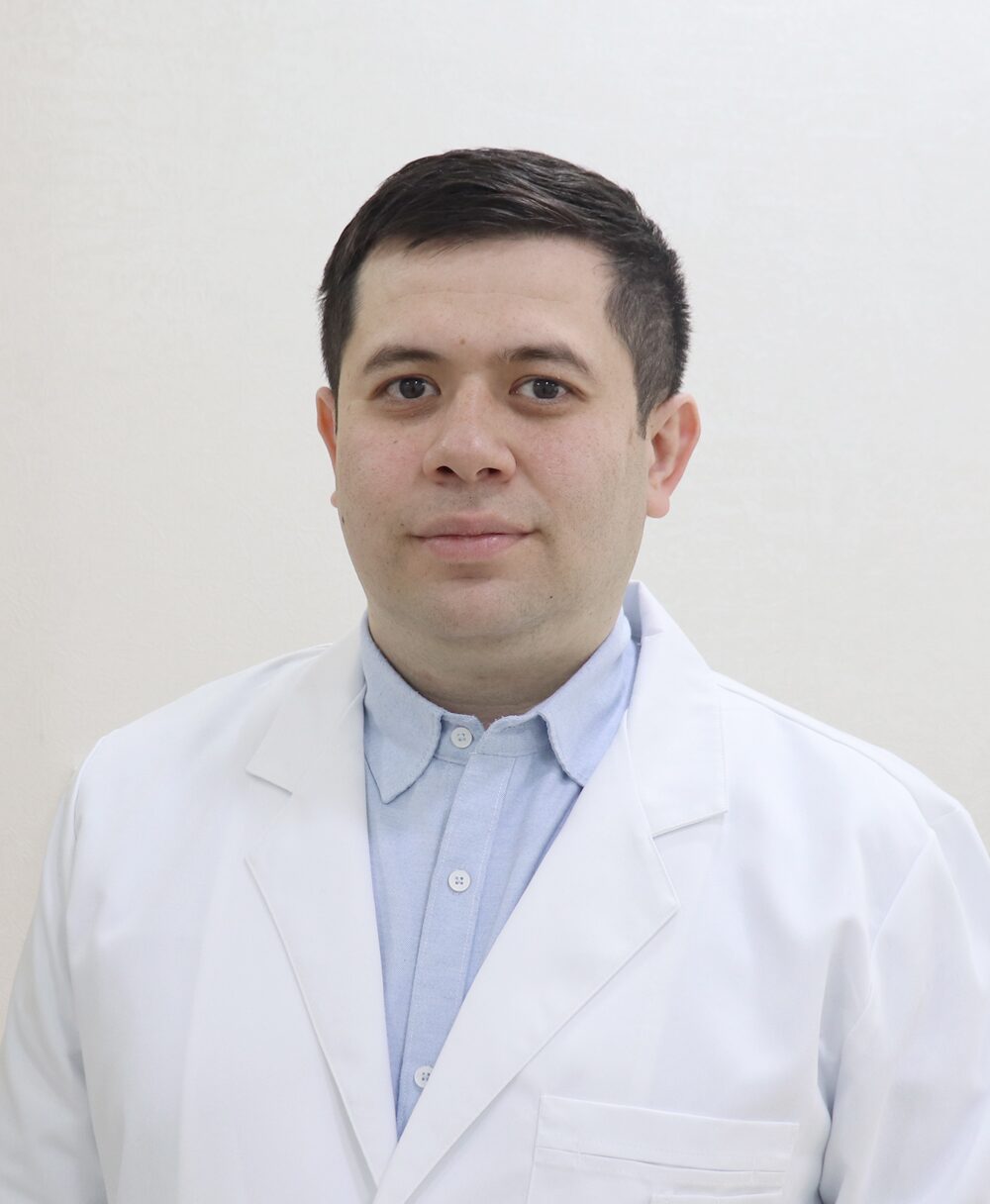
The urologist and surgical oncologist choose the approach based on your test results. Our doctors for consultation:
Is robotic surgery right for you?
Book an appointment with a surgeon and bring your test results: the doctor will compare the options and recommend the safest one for you.
Call now — +998 71 210-30-30Contacts
Address: 7A/3 Nurafshon street, Tashkent
Phone: +998 71 210-30-30 · WhatsApp: +998 95 662-30-30
Opening hours: Monday–Saturday, 09:00–18:00
E-mail: