


Useful articles

Is Robotic Surgery Safe? Answers to Patients’ 10 Most Common Questions
Doctor's blog
sbdrmn
Direction: Robotic surgery · All services
Since Saba Darmon clinic installed the MedBot Toumai surgical robot, patients ask us the same questions almost every day. Does the robot operate on its own? Is it safe? What complications can happen, and who is it not suitable for? In this article our surgeons answer the 10 most common questions in plain language.
In this article:
- Does the robot operate on its own?
- What happens if the robot fails or the power goes out?
- Is robotic surgery safer than open surgery?
- What complications are possible?
- Who should not have robotic surgery?
- What kind of anaesthesia is used?
- Will it hurt, and will there be scars?
- How long does the operation take, and how long is the hospital stay?
- Who performs the operation, and how much does the surgeon’s experience matter?
- How much does robotic surgery cost, and how do I book?
1. Does the robot operate on its own?
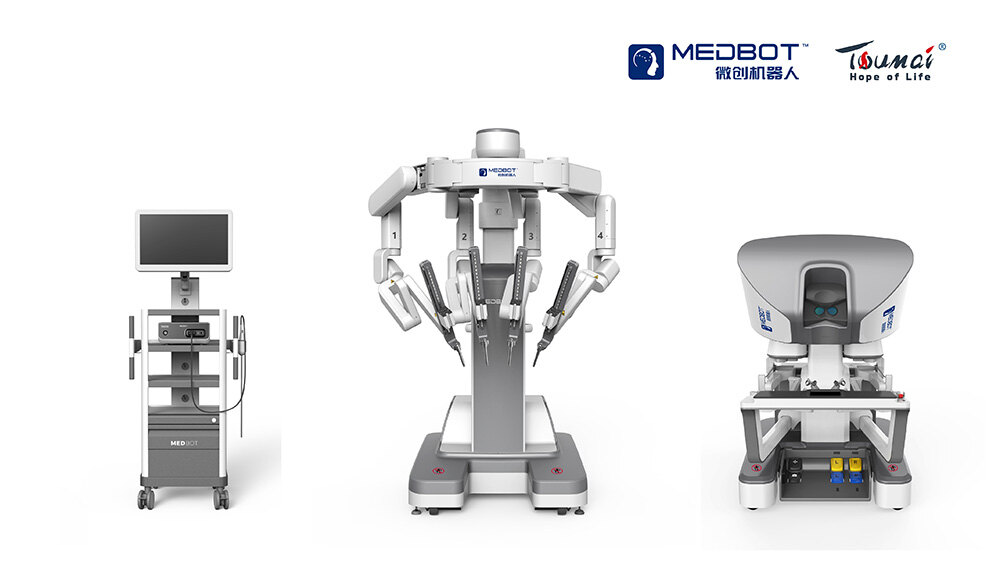
No, and this is the most common misconception. The robot never makes decisions and never moves on its own. The operation is performed by a surgeon who sits at a dedicated console, sees the operating field in a magnified three-dimensional image and controls the instruments with hand controllers. The robot simply transfers the surgeon’s hand movements precisely to slim instruments inside the patient’s body.
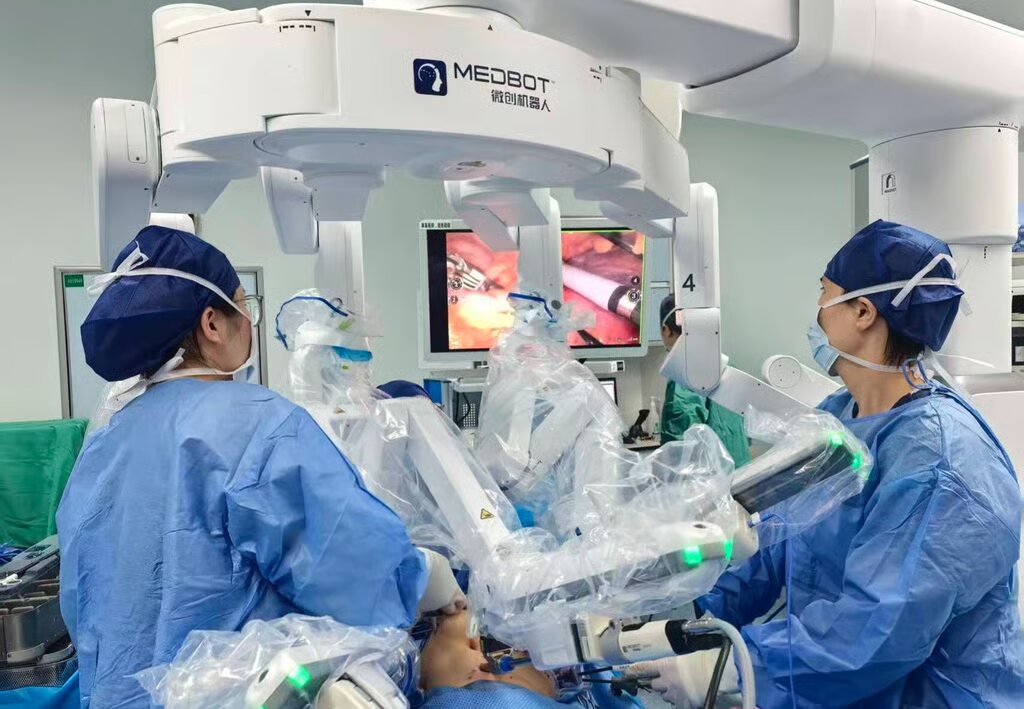
A full team is present in the operating theatre throughout. An assistant surgeon stands at the table, an anaesthetist monitors the patient continuously, and a scrub nurse changes the instruments. The robot does not replace the team; it extends what the surgeon can do.
2. What happens if the robot fails or the power goes out?
This scenario is planned for in advance. Surgical robots have built-in safety systems: for example, if the surgeon moves their head away from the console, the instruments stop immediately and stay locked in position. The system detects faults on its own and alerts the surgeon.
If the robot cannot be used further for technical reasons, the instruments are removed safely and the operation is completed with conventional laparoscopy or open surgery. The team is always prepared for this before a robotic procedure begins, and the necessary laparoscopic and open surgical sets are kept in the operating theatre.
3. Is robotic surgery safer than open surgery?
For many procedures, yes: patients usually find the robotic approach easier to recover from. Instead of one large incision the surgeon uses several small ports of 8–12 mm, so there is less tissue trauma. Studies generally show that robotic and laparoscopic operations, compared with open surgery, involve less blood loss, less pain, a shorter hospital stay and fewer wound infections.
However, “safer” does not mean “risk-free”. The outcome depends largely on the condition, the extent of the operation, the patient’s general health and the surgeon’s experience. That is why the surgeon chooses the approach individually for each patient.
4. What complications are possible?
A robotic operation is still surgery, so the risks common to any operation remain:
- bleeding;
- infection;
- injury to neighbouring organs;
- venous thrombosis;
- reactions to anaesthesia.
There are also effects typical of laparoscopy. Shoulder-tip pain caused by the gas used to inflate the abdomen usually settles within one or two days. In rare cases a hernia can develop at a port site.
To reduce these risks, patients are fully assessed before the operation. Afterwards, early mobilisation and thrombosis prevention are recommended. Contact your doctor straight away if you develop a fever, if pain gets worse, or if a wound becomes red.
5. Who should not have robotic surgery?
During a robotic operation carbon dioxide is introduced into the abdomen and the patient is often positioned with the head tilted down. For this reason the approach may not be suitable for people with severe heart or lung disease, serious bleeding disorders or extensive adhesions after multiple previous operations.
Some of these limitations are not absolute. Excess weight or a previous operation, for example, does not rule out robotic surgery, but it does require more careful planning by the surgeon. The final decision is made jointly by the surgeon and the anaesthetist on the basis of the test results.
6. What kind of anaesthesia is used?
Robotic operations are performed under general anaesthesia, so the patient is asleep and feels nothing. Before surgery the anaesthetist assesses the patient, asking about chronic conditions, allergies and current medication, and orders additional tests if needed.
You will usually be asked not to eat for 6–8 hours and not to drink for 2 hours before the operation; your doctor will confirm the exact times. Do not stop blood thinners on your own initiative: your doctor will tell you when and how to stop them.
7. Will it hurt, and will there be scars?
Because there is no large incision, pain after the operation is usually much milder than after open surgery and is well controlled with standard painkillers. Most patients are up and walking on the same day or the following day.
A few small scars of about 1 cm remain on the abdominal wall. Over time they fade and become barely noticeable. This is a real advantage for younger patients and whenever the cosmetic result matters.
8. How long does the operation take, and how long is the hospital stay?
The duration depends on the type of operation. Docking the robot adds some time, but the main part of the procedure usually takes about as long as laparoscopy. Complex cancer operations can last several hours.
The length of the hospital stay also depends on the procedure. As a rule, patients are discharged earlier than after open surgery and return to normal life, including light work, sooner. Your surgeon will advise you separately on when you can lift heavy objects and return to sport.
9. Who performs the operation, and how much does the surgeon’s experience matter?
The surgeon’s experience remains decisive in robotic surgery. The robot is a precise and comfortable tool, but operating it requires specific training. Saba Darmon’s agreement with Shanghai MicroPort MedBot covers technology transfer and the training of local specialists.
Surgeons, gynaecologists, urologists, anaesthetists and an intensive care unit work together in one building at the clinic. Before and after the operation, the patient therefore stays under the care of a single team. We describe how the robot works and how it came to the clinic in our article “Robotic Surgery in Tashkent: MedBot Toumai”.
10. How much does robotic surgery cost, and how do I book?
The cost depends on the type and complexity of the operation, the length of the hospital stay and the tests required. It would not be accurate to quote a price without seeing the diagnosis and test results. You can find out the exact cost after a consultation with a surgeon.
The first step is to book an appointment with a surgeon. Bring any test results, ultrasound or CT reports and previous medical opinions. The doctor will compare the robotic, laparoscopic and open options for you. Call +998 71 210-30-30 or choose a doctor below and book online.
More about robotic surgery:
- Robotic Surgery in Tashkent — all directions
- Robotic Surgery in Tashkent: the MedBot Toumai System
- Robotic Surgery vs Laparoscopy: What Is the Difference
- Preparing for Robotic Surgery: Step by Step
- Recovery After Robotic Surgery
- Bladder Cancer: Robotic Cystectomy
- Hernia: Robotic Repair
- Gallbladder: Robotic Cholecystectomy
- Who Is Not Suitable for Robotic Surgery
- Uterine and Cervical Cancer: Robotic Surgery
- Large Prostate Adenoma: TURP or Robotic Surgery
- Varicocele Surgery: Marmar or Robotic
- Kidney Removal: Robotic Nephrectomy
- Ectopic Pregnancy: Tube-Sparing Robotic Surgery
- Female Urinary Incontinence: TVT or Robotic Surgery
- Uterus Removal: Robotic Hysterectomy
- Hiatal Hernia and Reflux: Robotic Fundoplication
- Liver Tumour: Robotic Liver Resection
- Pancreatic Tumour: Robotic Resection
- Obesity Surgery: Robotic Sleeve Gastrectomy
- Diastasis Recti: Robotic Repair
- Colon Cancer: Robotic Hemicolectomy
- Anaesthesia and Pain Control in Robotic Surgery
- Pregnancy After Robotic Myomectomy
- Robotic Prostatectomy
- Kidney Tumour: Robotic Partial Nephrectomy
- Colorectal Cancer: Robotic Surgery
- Uterine Fibroids: Robotic Surgery
- Endometriosis and Ovarian Cysts: Robotic Surgery
- What Is Telesurgery?
- Robotic Surgery in Older Adults
- Stomach Cancer: Robotic Gastrectomy
- Hydronephrosis: Robotic Pyeloplasty
- Pelvic Organ Prolapse: Robotic Sacrocolpopexy
- Adrenal Tumour: Robotic Adrenalectomy
Doctors for consultation
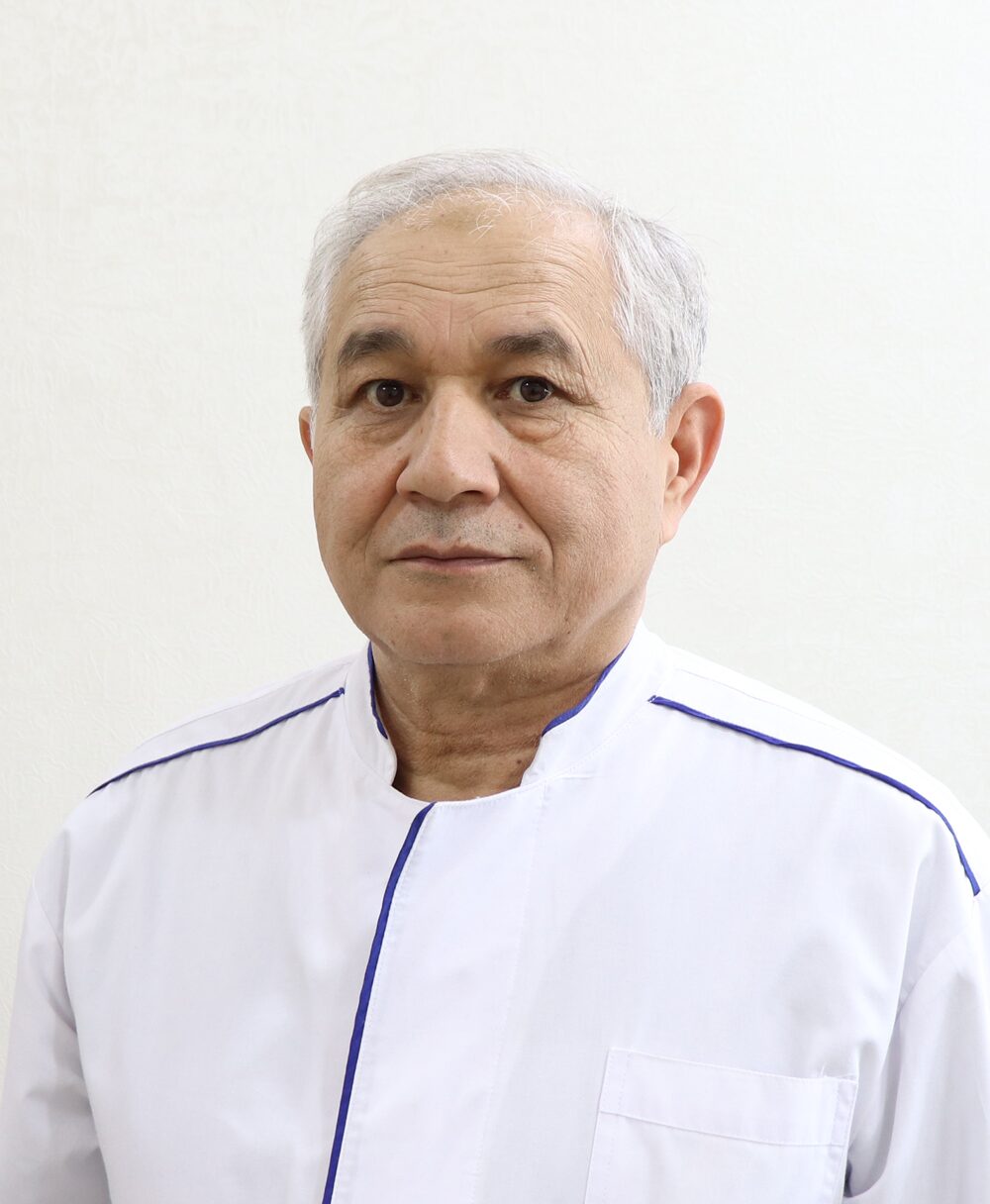
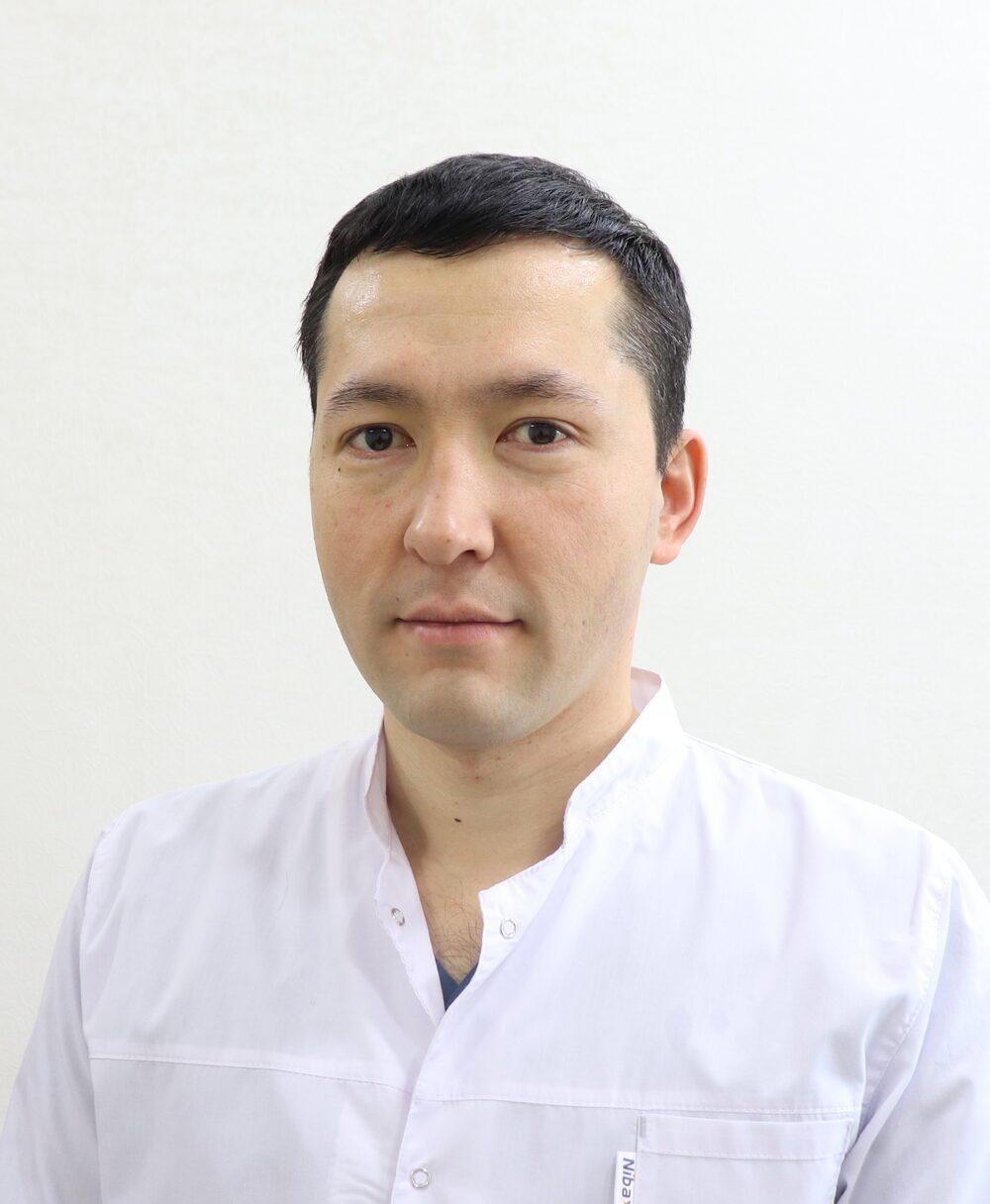
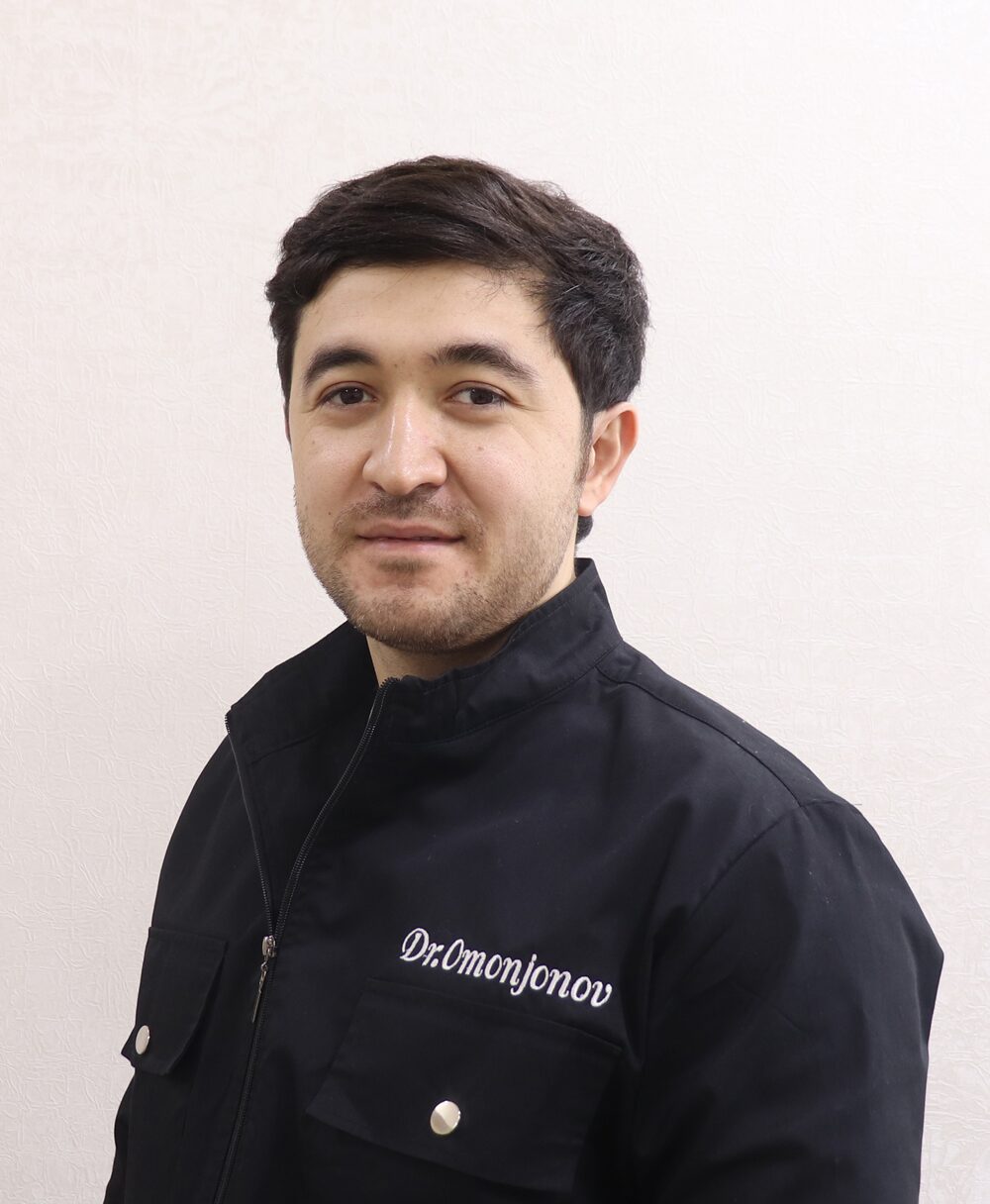
Robotic, laparoscopic or open — the surgeon chooses the approach after examination. Our surgeons, gynaecologists, urologists and ENT specialist:






Is robotic surgery right for you?
Book an appointment with a surgeon and bring your test results: the doctor will compare the options and recommend the safest one for you.
Call now — +998 71 210-30-30Contacts
Address: 7A/3 Nurafshon street, Tashkent
Phone: +998 71 210-30-30 · WhatsApp: +998 95 662-30-30
Opening hours: Monday–Saturday, 09:00–18:00
E-mail: