


Useful articles

Who Is Not Suitable for Robotic Surgery: Limits and Contraindications
Doctor's blog
sbdrmn
Direction: Robotic surgery · All services
Material about robotic surgery usually lists only the benefits. This article takes the other side: when the robotic approach is not the best choice, and why such a decision works in the patient's favour.
Contents
- Why this deserves a straight answer
- 1. Emergencies
- 2. The state of the heart and lungs
- 3. Blood clotting and current medication
- 4. Adhesions and previous operations
- 5. How far the tumour has spread
- 6. Pregnancy and other special situations
- Conversion is not a contraindication but a safety plan
- How the decision is made
- Frequently asked questions
Why this deserves a straight answer
Most material about robotic surgery lists only the advantages. Yet an equally important question for the patient is a different one: is this method right for me? If the answer is no, that needs to be known before the operation, not after.
To be clear from the outset: "not suitable" does not mean "we cannot help". It means another route is safer — laparoscopy, open surgery, or a non-surgical path altogether.
1. Emergencies
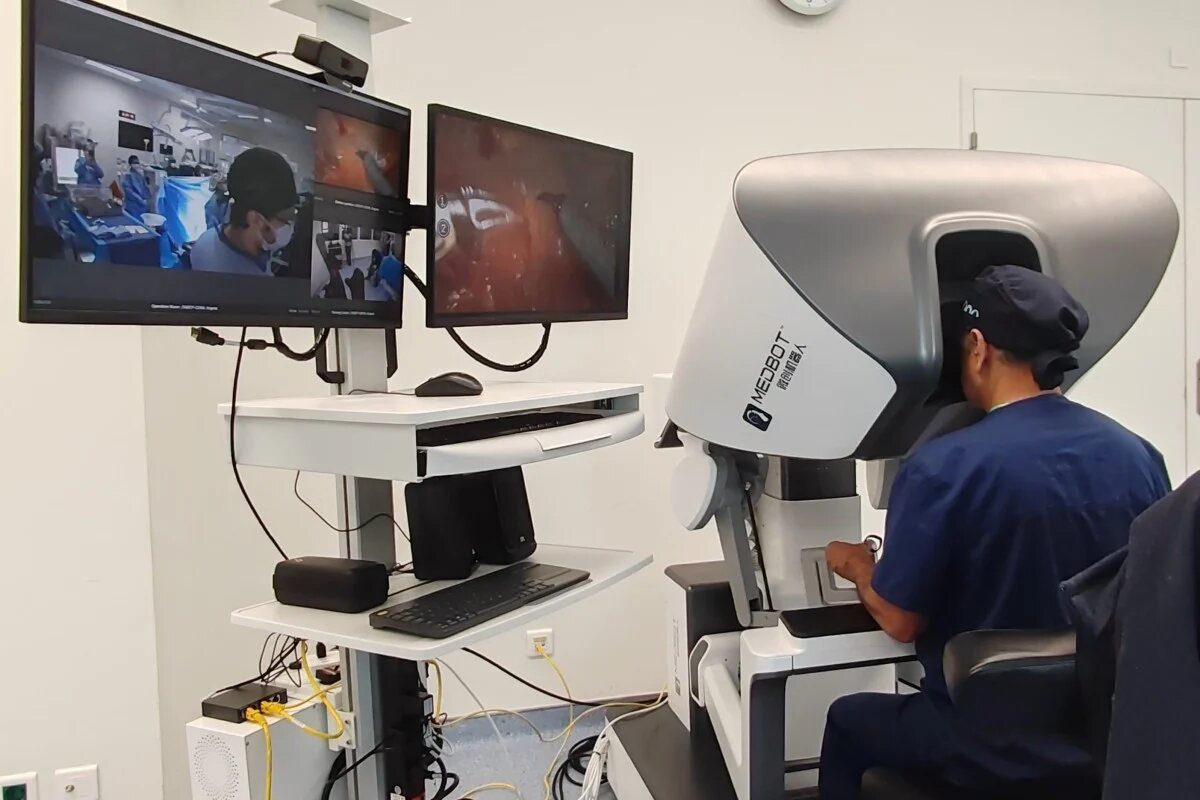
Setting up a robotic system takes time: positioning the equipment, docking the instruments, placing the patient. With life-threatening bleeding or a ruptured organ, minutes decide the outcome, so the fastest access is chosen.
2. The state of the heart and lungs
In any port-based operation the abdomen is inflated with gas and the patient is often tilted head-down. This presses on the diaphragm and alters the return of blood to the heart.
With severe heart failure, uncontrolled lung disease or marked obesity this load can be hard to tolerate. The decision is taken with the anaesthetist, not the surgeon alone — which is why the pre-operative anaesthetic review is not a formality.
This is precisely why an ECG, blood tests and, where needed, an echocardiogram are arranged beforehand. These are not box-ticking — they feed directly into the choice of method.
3. Blood clotting and current medication
Whether to stop, continue or temporarily switch blood-thinning medicines is always decided individually. Stopping them on your own is dangerous — the decision belongs jointly to the surgeon and the doctor who prescribed them.
4. Adhesions and previous operations
After repeated abdominal surgery, organs may be stuck to one another and to the abdominal wall. Sometimes they cannot be separated safely through ports — in which case open surgery is chosen, or converted to during the operation.
5. How far the tumour has spread
In cancer surgery the governing criterion is completeness of removal. If a tumour has grown into major vessels or neighbouring organs, open surgery offers fuller control. Here the result takes priority over convenience.
6. Pregnancy and other special situations
Any planned operation during pregnancy is discussed separately and deferred where possible. In emergencies the method is chosen with the stage of pregnancy and the size of the uterus in mind.
Conversion is not a contraindication but a safety plan
Sometimes the limitation becomes apparent during surgery: the anatomy turns out harder than expected. The surgeon then moves to laparoscopy or open surgery. Treating this as a complication or a failure is wrong — on the contrary, it is the safety plan working as intended.
If you are told the chance of conversion is "zero", treat that as a warning sign. Any honest surgeon will discuss the possibility.
How the decision is made
- the diagnosis and, for a tumour, how far it has spread;
- heart, lung and kidney function, and current medication;
- previous operations and the adhesions expected;
- build and weight;
- the team's experience in that specific type of procedure;
- the patient's circumstances and expectations during recovery.
That last point matters too: choosing a method is not purely a technical exercise. An open conversation with your doctor remains one of the best diagnostic tools available. The stages of preparation are set out in a separate article, and the difference between the robotic and laparoscopic approach here.
Frequently asked questions
I am elderly — does that rule out robotic surgery?
Age by itself is not a contraindication. What matters is heart, lung and kidney function and general condition. The anaesthetist makes that assessment.
Does excess weight get in the way?
With marked obesity, tolerating gas inflation and a tilted position is harder. The decision is individual and made together with the anaesthetist.
I take blood-thinning medication. What should I do?
Never stop it on your own. Whether to stop, continue or temporarily switch is decided jointly by the prescribing doctor and the surgeon.
I have had operations before. Will that interfere?
Adhesions are possible and they influence the choice of method. Sometimes open surgery is the safer option.
If conversion happened, did the operation fail?
No. It is a planned safety scenario and means the surgeon chose the safe route.
If the robot is not suitable, is there an alternative?
Yes — laparoscopy, open surgery or non-surgical treatment. The goal is the outcome, not the method.
More about robotic surgery:
- Robotic Surgery in Tashkent — all directions
- Robotic Surgery in Tashkent: the MedBot Toumai System
- Is Robotic Surgery Safe? 10 Questions
- Robotic Surgery vs Laparoscopy: What Is the Difference
- Preparing for Robotic Surgery: Step by Step
- Recovery After Robotic Surgery
- Bladder Cancer: Robotic Cystectomy
- Hernia: Robotic Repair
- Gallbladder: Robotic Cholecystectomy
- Uterine and Cervical Cancer: Robotic Surgery
- Large Prostate Adenoma: TURP or Robotic Surgery
- Varicocele Surgery: Marmar or Robotic
- Kidney Removal: Robotic Nephrectomy
- Ectopic Pregnancy: Tube-Sparing Robotic Surgery
- Female Urinary Incontinence: TVT or Robotic Surgery
- Uterus Removal: Robotic Hysterectomy
- Hiatal Hernia and Reflux: Robotic Fundoplication
- Liver Tumour: Robotic Liver Resection
- Pancreatic Tumour: Robotic Resection
- Obesity Surgery: Robotic Sleeve Gastrectomy
- Diastasis Recti: Robotic Repair
- Colon Cancer: Robotic Hemicolectomy
- Anaesthesia and Pain Control in Robotic Surgery
- Pregnancy After Robotic Myomectomy
- Robotic Prostatectomy
- Kidney Tumour: Robotic Partial Nephrectomy
- Colorectal Cancer: Robotic Surgery
- Uterine Fibroids: Robotic Surgery
- Endometriosis and Ovarian Cysts: Robotic Surgery
- What Is Telesurgery?
- Robotic Surgery in Older Adults
- Stomach Cancer: Robotic Gastrectomy
- Hydronephrosis: Robotic Pyeloplasty
- Pelvic Organ Prolapse: Robotic Sacrocolpopexy
- Adrenal Tumour: Robotic Adrenalectomy
Doctors for consultation
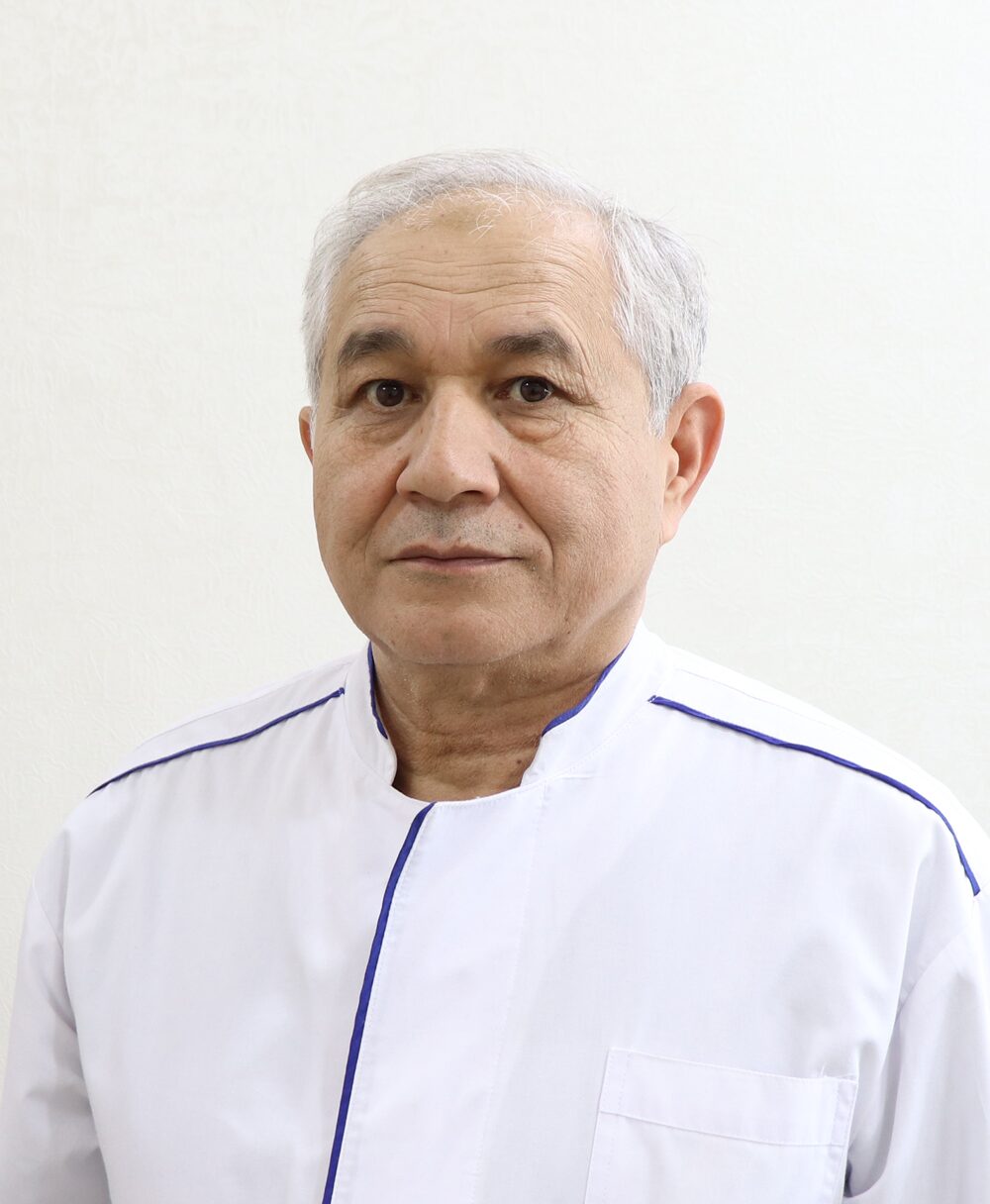
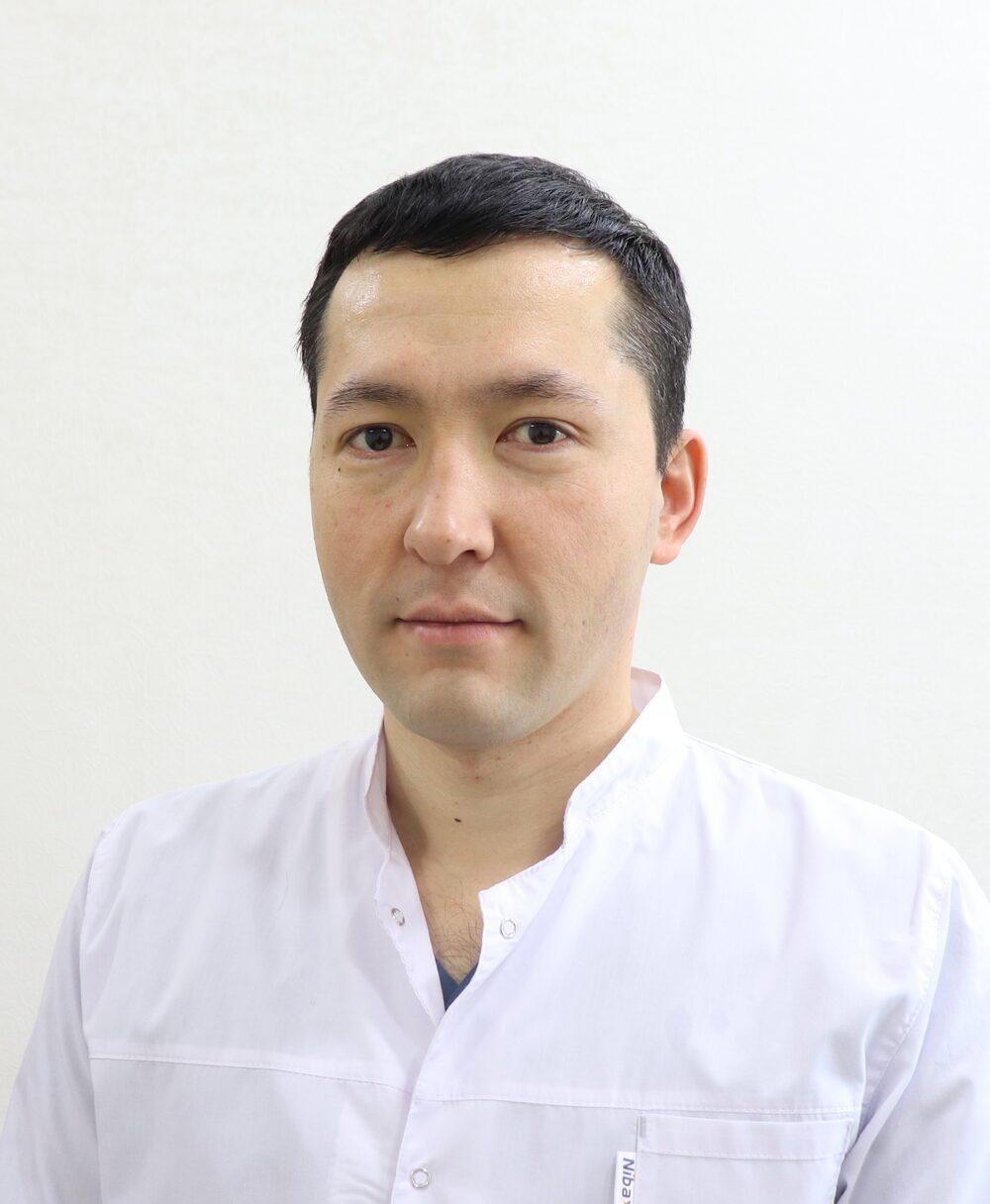
The choice of method is made by the operating doctor together with the anaesthetist. Our surgeons, gynaecologists and urologists:






Is robotic surgery right for you?
Book an appointment with a surgeon and bring your test results: the doctor will compare the options and recommend the safest one for you.
Call now — +998 71 210-30-30Contacts
Address: 7A/3 Nurafshon street, Tashkent
Phone: +998 71 210-30-30 · WhatsApp: +998 95 662-30-30
Opening hours: Monday–Saturday, 09:00–18:00
E-mail: