


Useful articles
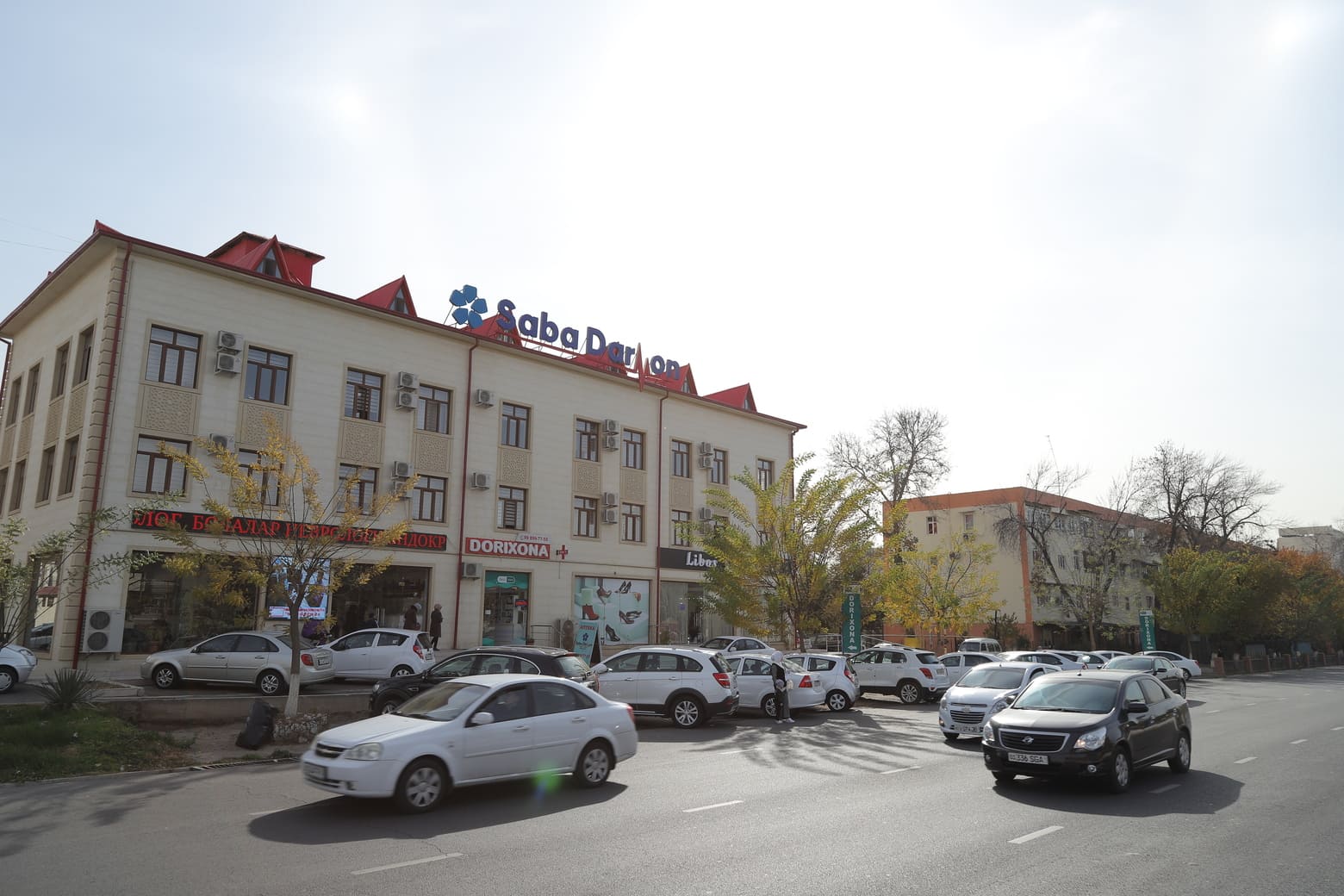
Pain After Surgery and Fast Recovery — Saba Darmon
Doctor's blog
sbdrmn
"Bear with it, pain after surgery is normal" is an attitude modern surgery has abandoned. The opposite is now known to be true: controlling pain is not a luxury but a condition of rapid recovery. A patient who is not in pain gets up sooner, breathes more deeply, eats better — and goes home earlier. Doctors at Saba Darmon Medical Center explain how this works.
Why pain must be controlled
Severe pain sets off a chain of consequences. The patient is afraid to move, so the risk of thrombosis rises. Breathing is guarded and coughing avoided, so chest complications become more likely. Sleep suffers, and healing slows. Appetite falls, and the body lacks the protein it needs to repair tissue.
This is precisely why pain relief is planned in advance rather than given in response to distress. The aim is not the absence of all sensation but pain low enough to allow movement, breathing and sleep.
Principles of modern pain relief
- Multimodal treatment. Several medicines acting on different targets in modest doses work better and more safely than one drug in a large dose.
- On a schedule, not on demand. Established pain is far harder to suppress.
- Regional techniques — nerve blocks and epidural anaesthesia — reduce the need for strong drugs.
- Scoring. The nurse asks you to rate pain from 0 to 10; answer honestly, because the regimen is adjusted on that number.
- Minimal opioids — used briefly and on indication, to avoid nausea, constipation and drowsiness.
Early mobilisation: why they hurry you
Being asked to stand up a few hours after surgery is surprising, but it is exactly what lowers the risks. Movement engages the calf muscle pump and prevents thrombosis, restores bowel function, improves lung ventilation and reduces weakness.
The usual sequence is: turn in bed, sit on the edge, stand with support, take a few steps. Breathing exercises begin even earlier — deep breaths and blowing into a balloon or spirometer every hour during the day.
Eating and drinking
The long-standing rule of nothing by mouth for a whole day has also been revised. After most procedures drinking is permitted within a few hours and light food on the first day; exact timing is set by the operating surgeon. Eating early speeds the return of bowel function. Protein in the diet is not a detail but the building material for wound healing.
What depends on the patient
- Report pain honestly and promptly rather than waiting for the evening round.
- Do the breathing exercises — the most underrated part of recovery.
- Move within the permitted range and get up with staff assistance.
- Wear compression stockings if prescribed.
- Do not smoke: smoking directly impairs wound healing.
- Drink enough fluid and do not skip meals.
- Before discharge, clarify when stitches come out, how to care for the wound, what must not be lifted and when to return.
Warning signs after discharge
- pain suddenly worsening instead of easing;
- fever above 38 °C;
- redness, swelling, discharge or odour from the wound;
- wound edges separating;
- swelling, pain and redness in one calf;
- breathlessness or chest pain — call an ambulance immediately;
- vomiting, abdominal distension, no stool or wind;
- no urination for more than eight hours.
Frequently asked questions
Can a few days of painkillers cause dependence? With a short prescribed course the risk is minimal. Untreated pain is considerably more dangerous.
Does moving less help the wound heal? No. Measured movement improves tissue blood supply and healing. Only heavy lifting is restricted.
When can I wash? A shower is usually allowed after a few days, baths and saunas much later. The surgeon gives the exact timing.
When can I return to work? After laparoscopic procedures often within one to two weeks, after open surgery later. It depends on the extent of surgery and the nature of the work.
How long will the weakness last? Usually two to four weeks. If it increases, a blood test is warranted — anaemia is a frequent cause.
At Saba Darmon Medical Center
In our centre anaesthesiologists and surgeons work together: the pain-relief plan is prepared before surgery and recovery follows the principles of early mobilisation. Do not endure pain — report it: it is part of the treatment, not a complaint.
Doctors in this field
Saba Darmon Medical Center — contacts
📍 7A/3 Nurafshon street, Tashkent
📞 +99871 210-30-30 · WhatsApp +998 95 662-30-30
✉️This email address is being protected from spambots. You need JavaScript enabled to view it.
🌐 Instagram · Telegram · Facebook · YouTube
📞 +99871 210-30-30 · WhatsApp +998 95 662-30-30
✉️
🌐 Instagram · Telegram · Facebook · YouTube