Useful articles
Blocked Nose: Septoplasty, Turbinoplasty or FESS — Which One Is Needed
Doctor's blog
sbdrmn
Direction: Robotic surgery · All services
A permanently blocked nose is more than a nuisance: it spoils sleep, leads to snoring, headaches and recurrent sinusitis. Drops help for a while and then become a problem of their own. Below: the three main causes of blockage and the three operations that correct them — septoplasty, turbinoplasty and FESS — and which is needed by whom.
Contents
Why the nose is blocked: three main causes
Behind the complaint "my nose is always blocked" there is usually more than one cause — and each has its own solution:
- A deviated septum — cartilage and bone are shifted off the midline and narrow the airway on one side. Blockage is often one-sided and drops do not help.
- Enlarged inferior turbinates — the lining is permanently swollen from allergy, chronic rhinitis or dependence on decongestant drops. Blockage is two-sided and worse at night.
- Chronic sinusitis and polyps — the sinuses are inflamed and their outlets blocked; smell is reduced, the face feels heavy, "colds" keep returning.
Decongestant drops used for more than 5–7 days become a cause of blockage in themselves (rhinitis medicamentosa). In that case a plan to come off the drops comes first.
Assessment: the decision follows from it
The ENT doctor examines the nose with an endoscope — the septum, turbinates, polyps and sinus openings are clearly seen. If sinusitis or polyps are suspected, a CT scan is done: it shows which sinuses are inflamed and the bony anatomy — for FESS this is the map. If allergy is suspected, tests are added.
Three operations — three tasks
| Operation | What it corrects | How it is done |
|---|---|---|
| Septoplasty | Straightens the deviated septum and opens the airway | From inside the nose, no external incision; the shape of the nose does not change |
| Turbinoplasty | Reduces enlarged turbinates while preserving the lining | From inside the nose, often together with septoplasty |
| FESS | Opens the natural sinus outlets and removes polyps | With an endoscope and micro-instruments through the nose, guided by the CT map |
Why the operations are often combined
With a deviated septum, the turbinate on the opposite side usually enlarges to fill the space. If only the septum is corrected, the turbinate goes on blocking the airway. That is why the ENT surgeon often plans septoplasty and turbinoplasty under one anaesthetic; with chronic sinusitis, FESS is added. The extent is set by endoscopy and CT.
The day of surgery and recovery
- general anaesthesia; the procedure is through the nose, with no incisions on the face;
- packing or silicone splints in the nose for a few days — breathing temporarily through the mouth;
- first week: swelling, blood-tinged discharge, a temporary drop in smell — expected;
- 2–3 weeks without exertion, hot baths or forceful nose-blowing;
- after FESS — saline rinses and follow-up endoscopies; these are an important part of the result.
The operation does not change the shape of the nose — this is not cosmetic rhinoplasty but restoring breathing. Allergic rhinitis still needs treatment afterwards: surgery opens the airway, it does not remove the allergy.
What to agree with your doctor
Which cause of blockage is the main one; which operations and why together; whether a CT scan is needed; how many days of packing; when you can return to work; how to control allergy afterwards. The pre-operative tests are in a separate article; the CT scan article is also worth reading.
Frequently asked questions
Can drops be enough?
Drops relieve the symptom temporarily, not the cause. A deviated septum or an enlarged turbinate is corrected only by surgery; prolonged drops make the problem worse.
Will the shape of my nose change after septoplasty?
No. The operation is inside the nose, on the septum; the outward appearance does not change. Changing the shape is a different operation (rhinoplasty).
Is it painful?
It is done under general anaesthesia. Afterwards the main discomfort is mouth-breathing while the packing is in; pain is usually mild.
How long does the packing stay?
Usually a few days; the surgeon sets the exact period. Modern silicone splints cause less discomfort.
Will sinusitis come back after FESS?
Most people see a clear improvement, but the result also depends on nasal rinses, allergy control and follow-up visits.
When can I go back to work?
Once the packing is out, desk work is usually possible within a week; physical work and sport after 2–3 weeks.
Doctors for consultation
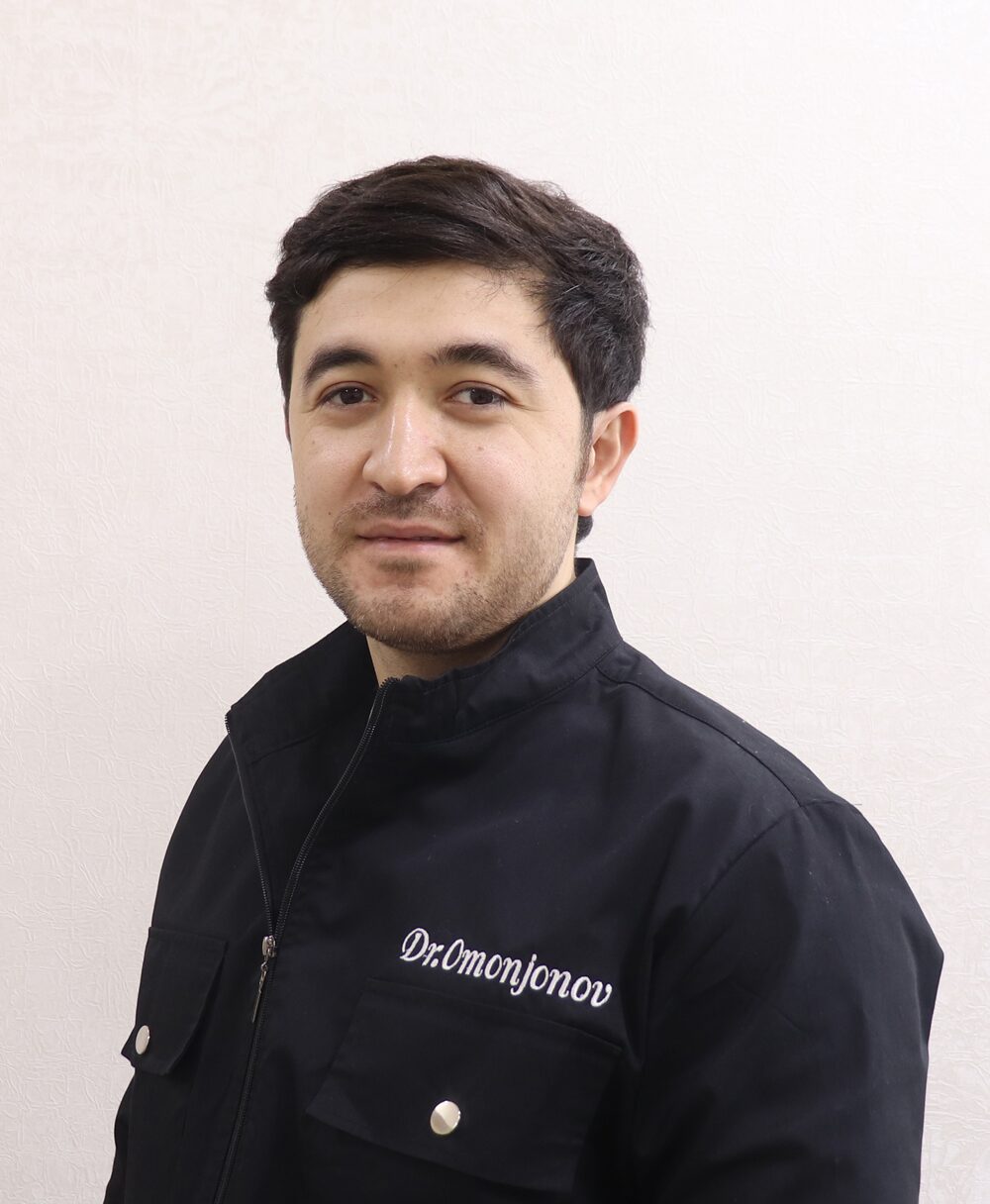
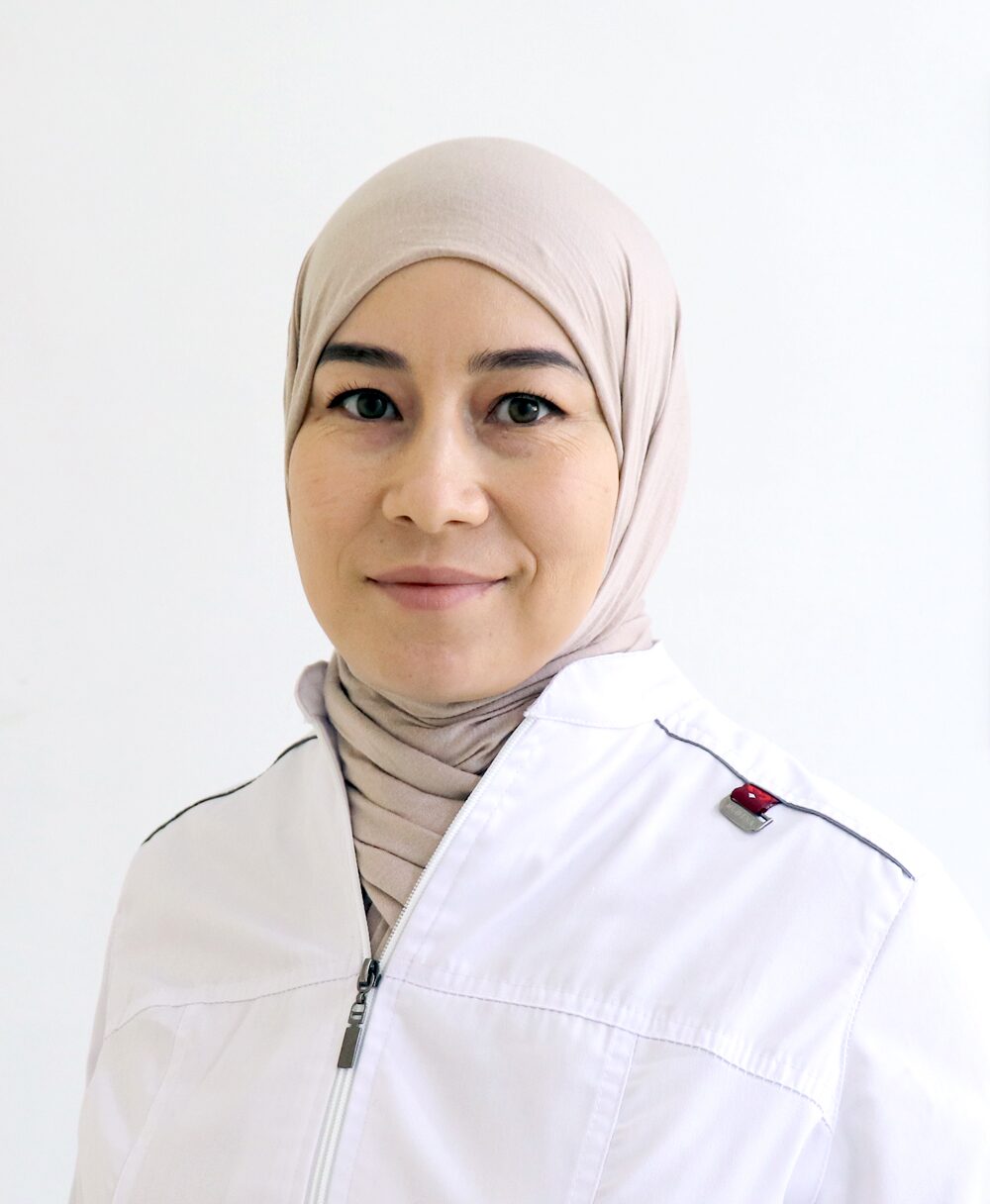
Operations on the septum, turbinates and sinuses are performed by our ENT doctors. Our doctors in this field:
Book an appointment with an ENT doctor
Cannot breathe without drops? An endoscopic examination shows the exact cause of the blockage in minutes.
Call now — +998 71 210-30-30Contacts
Address: 7A/3 Nurafshon street, Tashkent
Phone: +998 71 210-30-30 · WhatsApp: +998 95 662-30-30
Opening hours: Monday–Saturday, 09:00–18:00
E-mail: