


Useful articles
Conversion to Open Surgery During a Robotic Operation: Why It Happens and What It Means
Doctor's blog
sbdrmn
Direction: Robotic surgery · All services
Conversion to open surgery during a robotic operation often worries patients: “I was told it would be keyhole surgery, so why have I woken up with a large wound?” In fact, it is a situation that surgeons plan for and discuss with every patient beforehand. Below, in plain language: what conversion is, why it happens, what makes it more likely, how it changes the period after the operation and which questions to ask your surgeon.
Contents
- What is conversion to open surgery during a robotic operation?
- Why a robotic operation is converted to open surgery: the main reasons
- What makes conversion more likely?
- Is conversion a mistake or a complication?
- Planned robotic surgery versus surgery after conversion: what changes
- What recovery is like after conversion
- When to seek urgent help after the operation
- Questions to ask your surgeon before the operation
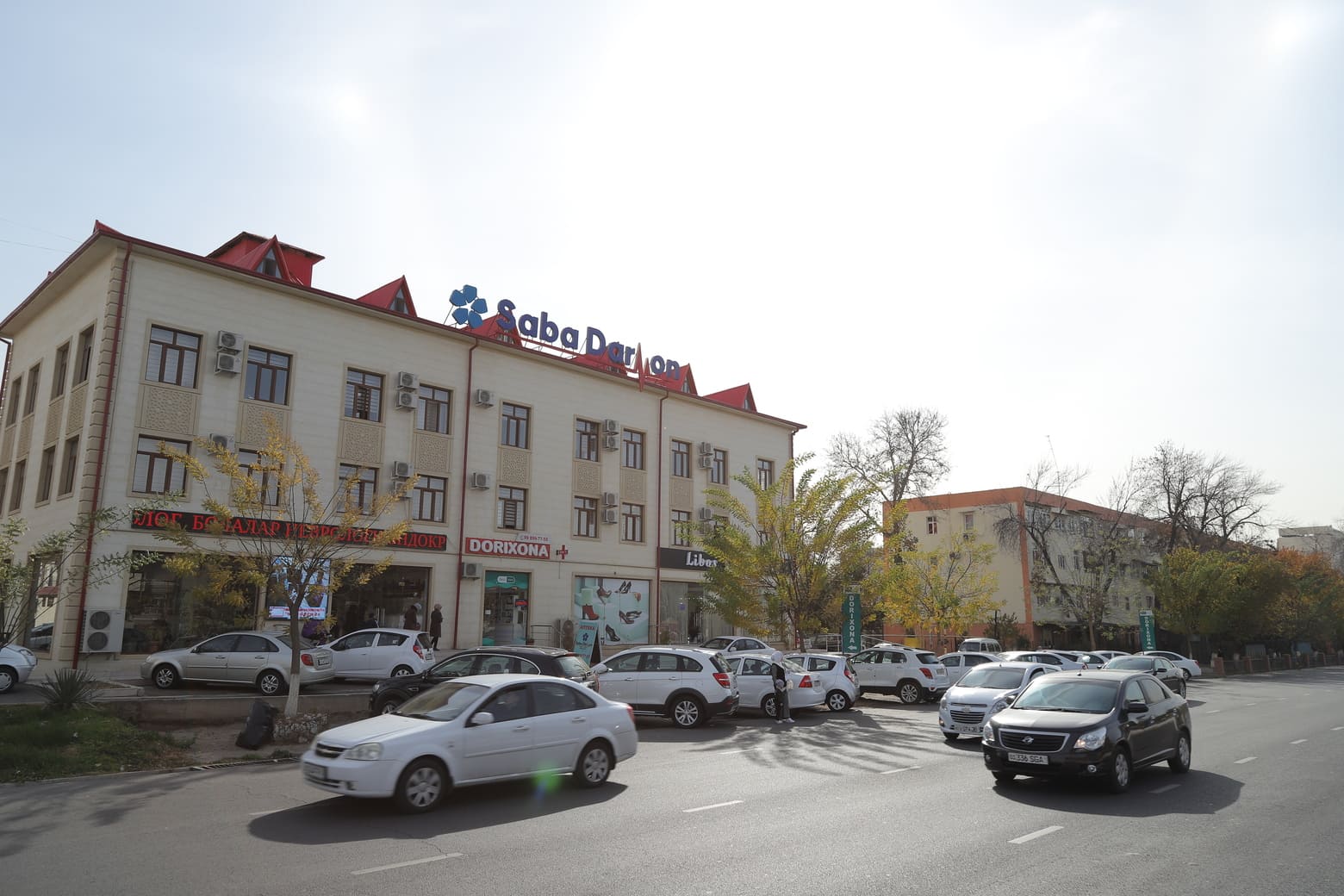
- A surgical consultation at Saba Darmon clinic
- Frequently asked questions
What is conversion to open surgery during a robotic operation?
Conversion means that, part-way through the procedure, the surgeon switches from a robotic or laparoscopic (keyhole) approach to open surgery through a larger incision. Sometimes the switch is from the robot to conventional laparoscopy instead: the cuts stay small, but the surgeon holds the instruments directly. Either way, the aim of the operation does not change — the same job is completed by a different route.
This possibility exists with every minimally invasive operation and is not peculiar to the robot. Most operations finish as planned. How likely conversion is depends on the type of operation, the state of the tissues and your individual circumstances, so it is a question best put to your own surgeon.
Why a robotic operation is converted to open surgery: the main reasons
Scans cannot show everything inside the abdomen. The true picture only becomes clear once the operation has begun, and occasionally it is more difficult than expected.
| Reason | What the surgeon finds | Why the approach is changed |
|---|---|---|
| Dense adhesions | Organs stuck to each other and to the abdominal wall, no room for instruments | Separating tissue by hand is safer for the bowel and blood vessels |
| Unclear anatomy | Inflammation or scarring hides the boundaries between structures | A wider view is needed to avoid injuring something important |
| Bleeding | Blood obscures the view | Bleeding can be controlled faster and more reliably through an open incision |
| Tumour larger than expected | It involves neighbouring organs or extends further than imaging suggested | Complete, safe removal requires a larger incision |
| Anaesthetic reasons | You are not tolerating the gas pressure or the tilted position | The gas is released and your position changed — the anaesthetist’s decision |
| Technical fault (rare) | An equipment problem | The operation continues laparoscopically or open |
Adhesions are among the most common reasons; they are described in detail in the article on abdominal adhesions. Technical causes are rare, but the team is prepared for them too: rapid undocking of the robot from the patient is rehearsed in advance.
What makes conversion more likely?
- Previous abdominal operations. Each one can leave adhesions behind.
- Obesity. A thick abdominal wall and internal fat narrow the view.
- Inflammation. Acutely or chronically inflamed tissue is swollen, fragile and bleeds easily.
- Large tumours. A bulky growth, or one lying against neighbouring organs, is hard to free safely through small ports.
Having these risk factors does not rule out keyhole surgery — in most cases it still goes to plan. Your surgeon takes them into account beforehand, however, and will sometimes recommend a different approach from the outset. The limits of the technique are set out in who is not suitable for robotic surgery.
Is conversion a mistake or a complication?
No. Conversion is a safety decision, not a failure and not a surgical error. The basic rule of surgery is simple: the patient’s safety matters more than the chosen approach. Converting in good time is far better than preserving small incisions at any cost, and an experienced surgeon knows when to stop and change course.
The possibility is discussed with you before the operation and is included in the consent form. Your surgeon is trained in the open technique as well, and the instruments for it are kept ready in theatre. Other common questions about the safety of robotic surgery are answered in this article.
Planned robotic surgery versus surgery after conversion: what changes
| Aspect | Completed robotically | After conversion |
|---|---|---|
| Incision | Several small port sites | The port sites plus one larger incision |
| Hospital stay | Usually shorter | Usually longer, as after open surgery |
| Pain | Generally less | Greater in the first days; pain relief is stepped up |
| Recovery | Quicker return to normal life | Slower; lifting restrictions last longer |
| Wound-related risks | Infection and hernia less likely | Similar to open surgery; wound care needs more attention |
The essential point stays the same: the operation is carried out to the planned extent. How the minimally invasive techniques differ is explained in robotic surgery or laparoscopy.
What recovery is like after conversion
Recovery after conversion resembles recovery from open surgery. Because the incision is larger, pain is more noticeable in the first days, and your pain relief is planned accordingly — see pain after surgery and fast recovery. Getting up and walking early, breathing exercises and a gradual return to normal eating matter just as much here. Holding a pillow against your abdomen when you cough or get out of bed eases the discomfort.
Restrictions on heavy lifting and strenuous activity last longer than after keyhole surgery; your surgeon will tell you exactly how long. General advice is collected on the page about recovery after robotic surgery. Many people feel upset on waking to find a larger wound. That is a natural reaction, but remember: a bigger incision does not mean the operation went badly.
When to seek urgent help after the operation
The signs below need attention after any abdominal operation, whichever way it was completed.
Sudden breathlessness, chest pain, fainting, heavy bleeding from the wound, or swelling and pain in one leg — call 103 immediately. If you develop a fever, worsening abdominal pain, bloating with repeated vomiting, cannot pass wind or stool, or the wound becomes red, discharges pus or starts to open, contact your surgeon the same day.
Questions to ask your surgeon before the operation
- How likely is conversion in my case, and what does it depend on?
- In what circumstances would you convert to open surgery?
- If it happens, where will the incision be and how long will I stay in hospital?
- How would my pain relief and recovery plan change?
- When could I return to work and my usual activities?
A surgical consultation at Saba Darmon clinic
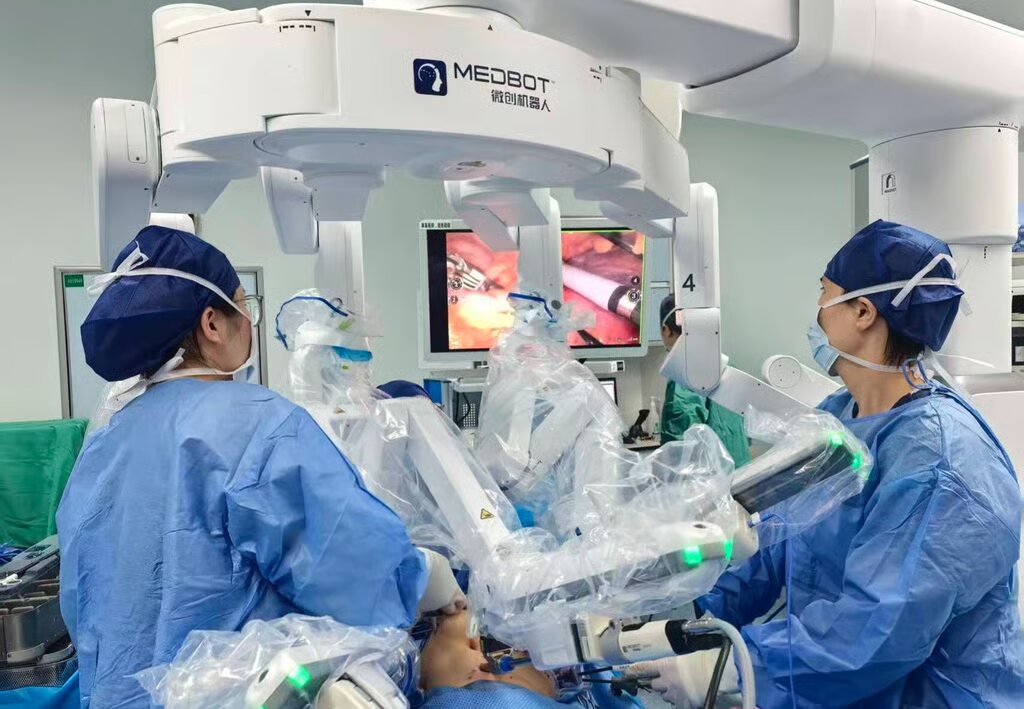
Saba Darmon clinic has specialist surgeons, with laboratory tests, ultrasound and CT (MSCT) available. The clinic also has the MedBot Toumai robotic system, and when appropriate an operation may be performed with robotic assistance. The robot is a tool in the surgeon’s hands; the outcome depends on the surgeon’s experience and on your condition. Bring discharge summaries from previous operations, your test results and a list of the medicines you take — this helps the surgeon judge your risk factors in advance. After examining you, the surgeon will explain which approach suits you, how likely conversion is and what the next steps are. More about the department is on the general surgery page, and all robotic operations are listed on the robotic surgery page.
Frequently asked questions
Does conversion mean the robotic operation has failed?
No. Conversion is a decision made for your safety: if the surgeon judges that carrying on through small ports is risky, they switch to a larger incision. The aim of the operation does not change, and it is completed to the planned extent. Changing approach at the right moment reflects experience and caution. The difference is that the incision is larger and recovery takes longer, so your care plan is adjusted to match.
Can anyone know in advance that conversion will happen?
It cannot be predicted with certainty, but the likelihood can be estimated. Previous abdominal operations, obesity, inflammation and large tumours all raise the risk. Your surgeon can give you an approximate idea based on your scans, the notes from earlier operations and an examination. Even so, the true picture inside the abdomen is only seen during surgery, which is why the possibility is discussed with every patient beforehand and included in the consent form.
How long does recovery take after conversion?
Recovery is similar to that after open surgery: the hospital stay is usually longer, pain is greater in the first days and restrictions on lifting last longer. Exact timings depend on the type of operation and your general health — your surgeon will advise. Walking early, breathing exercises and good wound care all speed things up. More detail is in the article on pain after surgery and fast recovery.
What happens if the robot stops working during the operation?
This is rare, but the team is prepared for it. Theatre staff rehearse in advance how to undock the robot from the patient quickly, and instruments for laparoscopic and open surgery are always to hand. The surgeon continues and completes the operation using another approach. Other questions about the safety of robotic surgery are covered in a separate article, which is worth reading before your consultation.
Is there anything I can do to make conversion less likely?
Not everything is in your hands, but some steps help. Show the surgeon all the paperwork from previous operations and give full details of long-term conditions and the medicines you take. Before planned surgery, if your surgeon advises it, losing a little weight and stopping smoking are worthwhile. If there is inflammation, the doctor may suggest treating it first. Completing the recommended tests helps the surgeon choose the right approach.
More about robotic surgery:
- Robotic Surgery in Tashkent — all directions
- Robotic Surgery in Tashkent: the MedBot Toumai System
- Is Robotic Surgery Safe? 10 Questions
- Robotic Surgery vs Laparoscopy: What Is the Difference
- Preparing for Robotic Surgery: Step by Step
- Recovery After Robotic Surgery
- Bladder Cancer: Robotic Cystectomy
- Hernia: Robotic Repair
- Gallbladder: Robotic Cholecystectomy
- Who Is Not Suitable for Robotic Surgery
- Uterine and Cervical Cancer: Robotic Surgery
- Large Prostate Adenoma: TURP or Robotic Surgery
- Varicocele Surgery: Marmar or Robotic
- Kidney Removal: Robotic Nephrectomy
- Ectopic Pregnancy: Tube-Sparing Robotic Surgery
- Female Urinary Incontinence: TVT or Robotic Surgery
- Uterus Removal: Robotic Hysterectomy
- Hiatal Hernia and Reflux: Robotic Fundoplication
- Liver Tumour: Robotic Liver Resection
- Pancreatic Tumour: Robotic Resection
- Obesity Surgery: Robotic Sleeve Gastrectomy
- Diastasis Recti: Robotic Repair
- Colon Cancer: Robotic Hemicolectomy
- Anaesthesia and Pain Control in Robotic Surgery
- Pregnancy After Robotic Myomectomy
- Abdominal Adhesions: Robotic Adhesiolysis
- Ovarian Cyst: Robotic Cystectomy
- Obesity: Robotic Gastric Bypass
- Robotic Surgery in Gynaecology
- Robotic Surgery in Patients with Obesity
- Robotic Surgery with Diabetes
- Blood Thinners and Robotic Surgery
- Robotic Prostatectomy
- Kidney Tumour: Robotic Partial Nephrectomy
- Colorectal Cancer: Robotic Surgery
- Uterine Fibroids: Robotic Surgery
- Endometriosis and Ovarian Cysts: Robotic Surgery
- What Is Telesurgery?
- Robotic Surgery in Older Adults
- Stomach Cancer: Robotic Gastrectomy
- Hydronephrosis: Robotic Pyeloplasty
- Pelvic Organ Prolapse: Robotic Sacrocolpopexy
- Adrenal Tumour: Robotic Adrenalectomy
Doctors for consultation
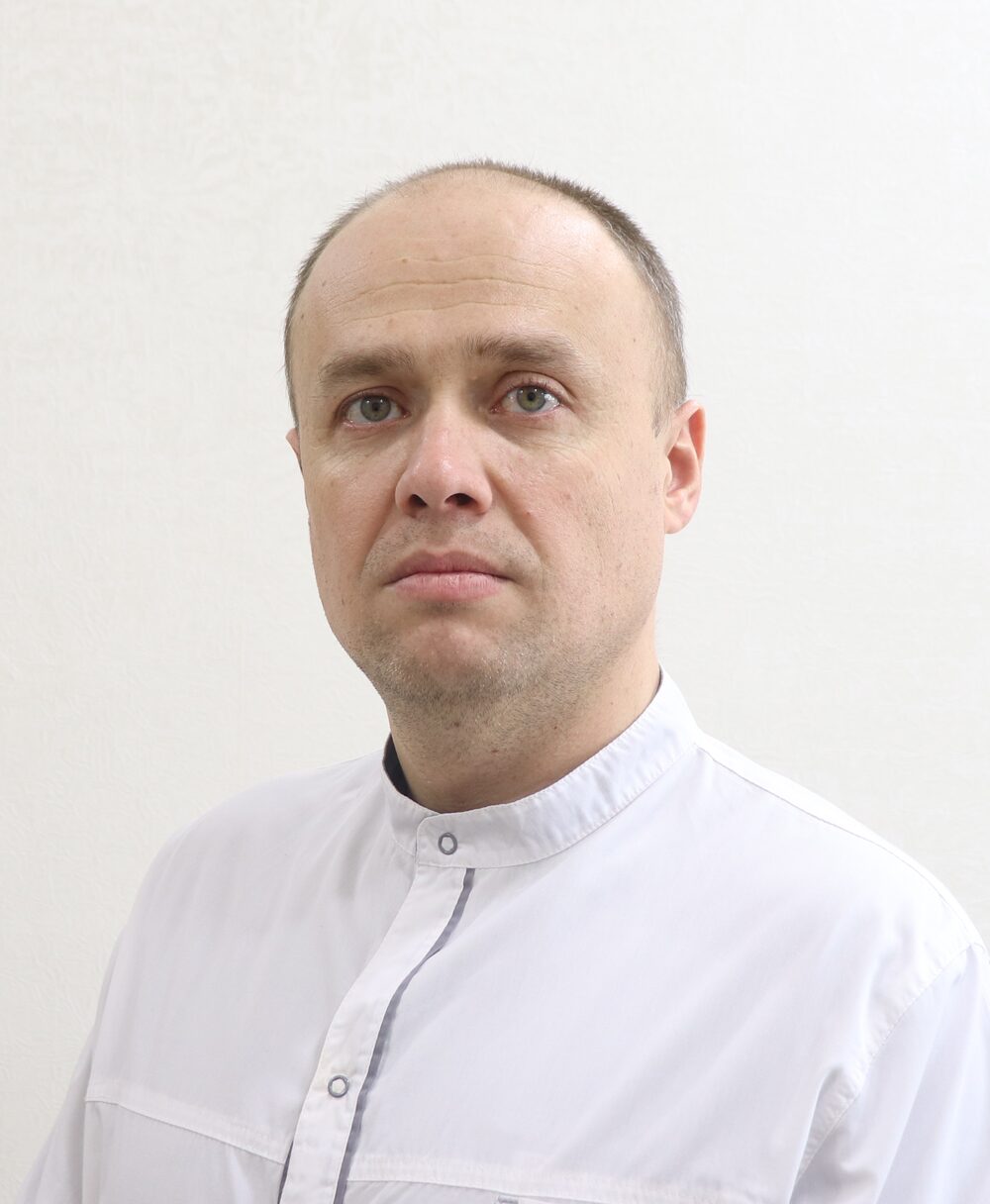
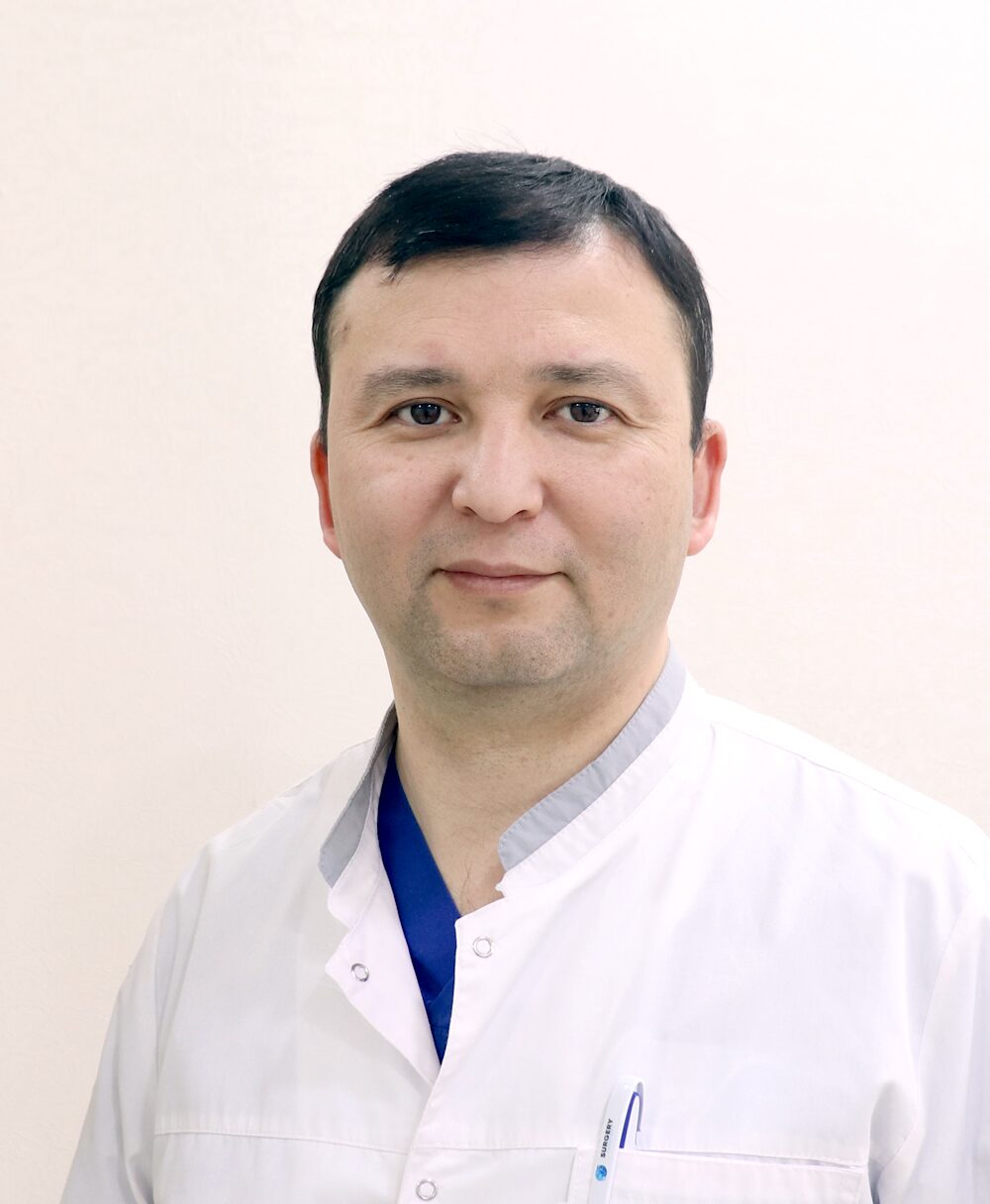
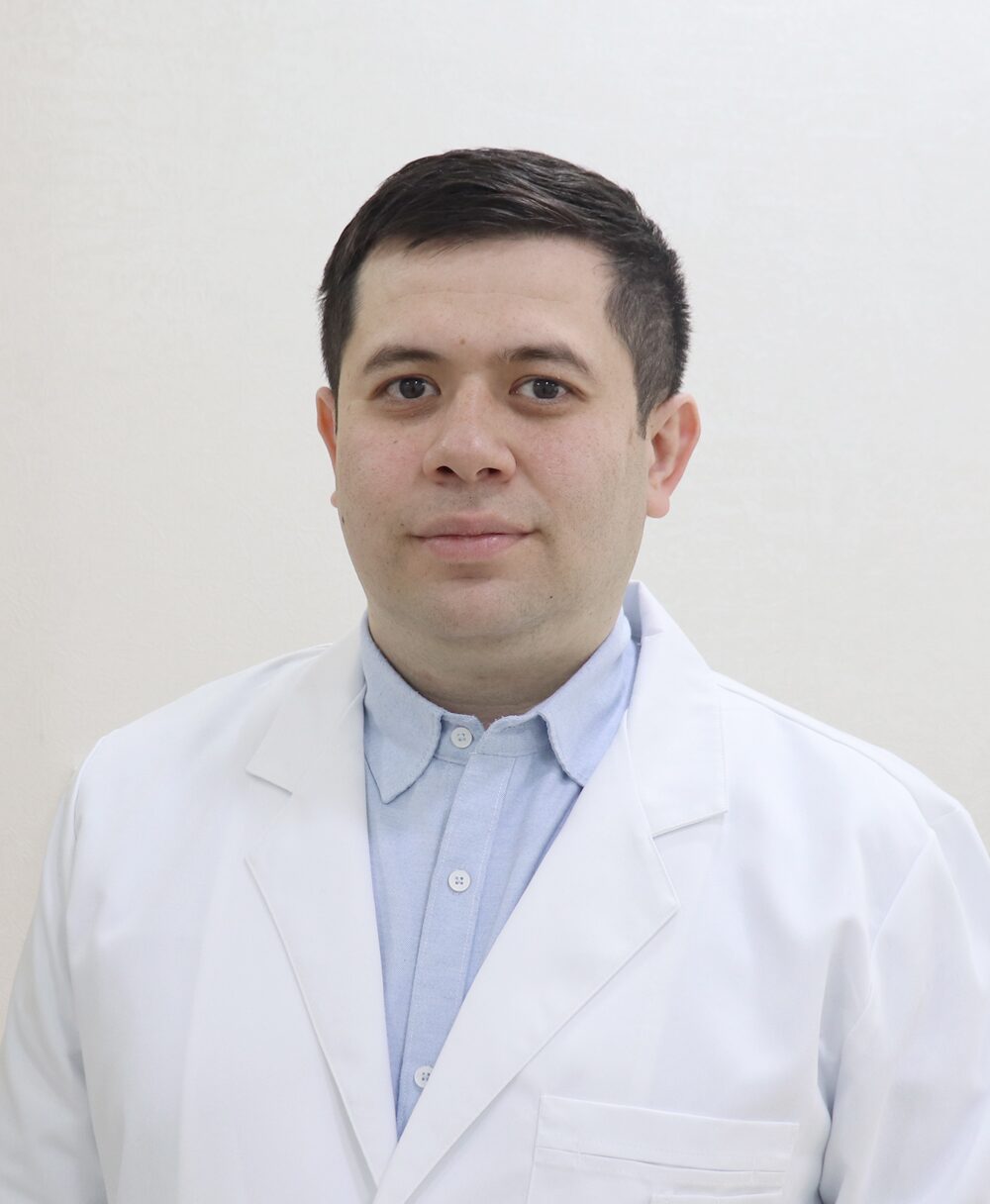
Our surgeons advise on the choice of surgical approach and on preparing for the operation. Our doctors in this field:

Book an appointment with a surgeon
Planning robotic surgery and still have questions? After examining you, the surgeon will explain the most suitable approach, the risks and your recovery plan.
Call now — +998 71 210-30-30Contacts
Address: 7A/3 Nurafshon street, Tashkent
Phone: +998 71 210-30-30 · WhatsApp: +998 95 662-30-30
Opening hours: Monday–Saturday, 09:00–18:00
E-mail: