


Useful articles

Blood Thinners and Robotic Surgery: What Happens Before and After the Operation
Doctor's blog
sbdrmn
Direction: Robotic surgery · All services
Blood thinners and robotic surgery are a common source of worry: carry on taking the medicine and you might bleed, stop it and the risk of a clot goes up. This is not a decision patients make alone — the surgeon, anaesthetist and cardiologist draw up a plan for each individual case. Below, in plain language: which medicines are involved, what usually happens before and after the operation, and which warning signs matter.
Contents
- What blood thinners are and why they are prescribed
- What happens to blood thinners before surgery
- How the decision is made: bleeding risk versus clot risk
- Why you must never stop a blood thinner on your own
- Which tests are needed before surgery
- Robotic surgery and the risk of bleeding
- After surgery: restarting your medicine and preventing clots
- Warning signs: bleeding or a clot
- What to bring and what to ask at your appointment
- Frequently asked questions
What blood thinners are and why they are prescribed
These medicines do not literally “thin” the blood — they slow clotting and stop clots from forming inside blood vessels. They are most often prescribed for atrial fibrillation (a type of heart arrhythmia), an artificial heart valve, a previous clot in the leg veins or lungs, after a coronary stent, and to prevent heart attack and stroke.
There are two main groups. Anticoagulants act on clotting factors: vitamin K antagonists, direct oral anticoagulants and heparins (injections). Antiplatelets stop platelets sticking together: low-dose aspirin and P2Y12 inhibitors. Some people take medicines from both groups.
What happens to blood thinners before surgery
There is no single rule. The table shows general principles only — the exact timing is set for each patient individually.
| Medicine group | Why it is taken | What usually happens before surgery |
|---|---|---|
| Vitamin K antagonists | Artificial valve, atrial fibrillation, thrombosis | Paused in advance, with clotting checked by INR; “bridging” may be used when clot risk is high |
| Direct oral anticoagulants | Atrial fibrillation, treating and preventing thrombosis | Paused briefly; timing depends on the medicine, kidney function and the size of the operation |
| Heparins (injections) | Treating and preventing thrombosis, bridging | The last injection is timed around the operation and the type of anaesthetic |
| Low-dose aspirin | After a heart attack or stroke, stent | Often continued; may be paused on medical advice for operations with a high bleeding risk |
| P2Y12 inhibitors | Stent, previous heart attack | Often paused — only with the cardiologist’s agreement |
“Bridging” means temporarily replacing tablets with a short-acting injectable anticoagulant while they are paused. It is needed only by people at very high risk of clots, for example with certain artificial valves.
How the decision is made: bleeding risk versus clot risk
Doctors weigh two risks. One is the bleeding risk of the operation itself, which depends on its size and the organ involved. The other is the risk of a clot once the medicine is paused — particularly high with an artificial valve, a recent clot or stroke, or a recently placed stent.
That is why the decision is made jointly by the surgeon, anaesthetist and cardiologist. After a recent coronary stent, planned surgery is often postponed until the cardiologist considers it safe. The anaesthetic matters too: if a spinal or epidural is planned, the last dose is timed especially carefully — see the page on anaesthesia and pain control.
Why you must never stop a blood thinner on your own
Deciding to “skip it just in case” is dangerous: stopping can lead to a stroke or a clot in a stent or valve. Quietly carrying on is risky too, because the surgeon may face unexpected bleeding. The only safe route is to list every medicine and get a written plan.
Mention over-the-counter products as well: anti-inflammatory painkillers, ginkgo, garlic supplements, high-dose fish oil and vitamin E can all increase bleeding. Stop them only as agreed with your doctor.
Which tests are needed before surgery
Among the usual preoperative tests, these matter most:
- a coagulation profile — for people on vitamin K antagonists, INR is rechecked just before surgery;
- a full blood count — haemoglobin and platelets;
- kidney function — many anticoagulants are cleared by the kidneys, which affects how long they are paused;
- blood group and rhesus factor.
Standard clotting tests do not always reflect the effect of newer anticoagulants, so knowing exactly when the last tablet was taken is important. Saba Darmon clinic offers laboratory tests, ECG, echocardiography and cardiology consultations.
Robotic surgery and the risk of bleeding
Robotic and laparoscopic operations are done through small incisions, and the magnified view helps the surgeon see and seal small vessels. In many operations blood loss is lower than with open surgery. But this does not replace the medicines plan: internal bleeding cannot be seen from outside, so preparation is just as careful whatever the approach.
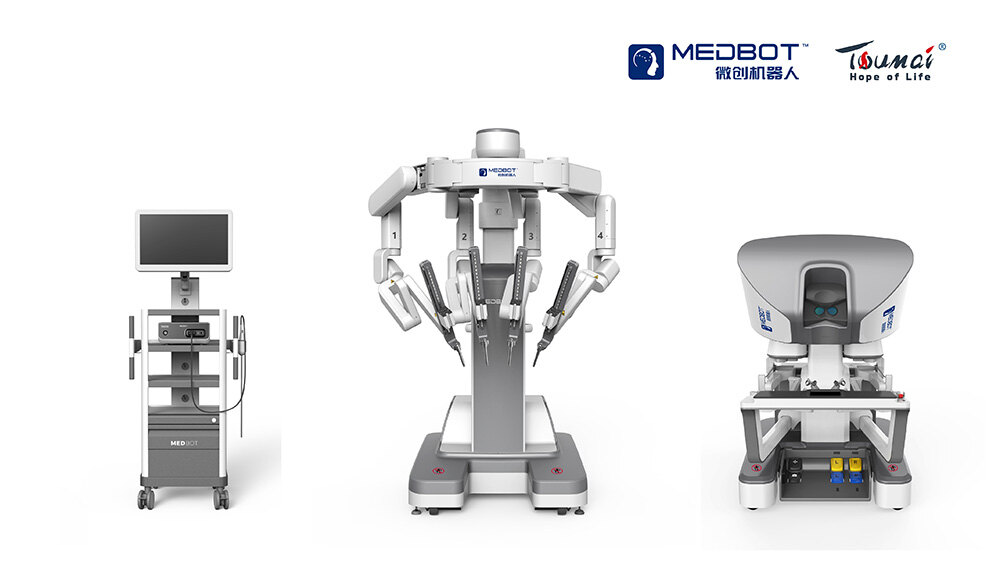
Saba Darmon clinic has the MedBot Toumai robotic system, and when appropriate an operation may be performed with robotic assistance. The robot is a tool in the surgeon’s hands: the outcome depends on the surgeon’s experience and your condition, and a robot is not always better than other approaches. The general steps of preparation are described in this article.
After surgery: restarting your medicine and preventing clots
The medicine is restarted once the bleeding risk has fallen — the surgeon will tell you when and how. Sometimes preventive injections come first, followed by your usual tablets. Never double up to make up for a missed dose.
Surgery itself raises the risk of clots because you move less. That is why early walking, compression stockings and, for some patients, preventive anticoagulant injections are recommended.
Warning signs: bleeding or a clot
| Possible bleeding | Possible clot |
|---|---|
| Dressing quickly soaked with blood, growing swelling or bruising around the wound | Swelling, pain, redness or warmth in one leg |
| Blood in urine or stool, black stools, a nosebleed or bleeding gums that will not stop | Sudden breathlessness, chest pain, coughing up blood |
| Increasing weakness, dizziness, pallor, a fast pulse | Drooping face, weakness in an arm or leg, slurred speech |
Sudden breathlessness, chest pain, a drooping face, limb weakness or slurred speech, heavy bleeding that will not stop, or fainting — call 103 immediately. Do not wait with the other signs either: contact your surgeon the same day and do not change your medicines yourself.
What to bring and what to ask at your appointment
Bring a list of all your medicines with names and timings, your cardiologist’s letter, any documents about a stent or valve and your latest test results. Ask: which medicine do I pause and which do I continue; when do I take it for the last time; do I need bridging; when do I restart after surgery; which signs mean I should seek help straight away. At Saba Darmon clinic the surgeon and anaesthetist, with a cardiologist where needed, draw up the plan and explain the treatment options and next steps. More about the department is on the general surgery page, and all areas of robotic surgery are listed on this page.
Frequently asked questions
How many days before surgery should I stop my blood thinner?
There is no single answer. It depends on the type of medicine, your kidney function, the bleeding risk of the operation and your own risk of clots — and some medicines are not stopped at all. So do not rely on timings found online or advice from friends. Your surgeon, anaesthetist and cardiologist will give you a written plan saying when to take the last dose and when to restart after surgery.
Do I need to stop aspirin before an operation?
Not always. For people taking low-dose aspirin because of heart disease, a previous heart attack, stroke or a stent, it is continued through many operations, because stopping may carry more risk than benefit. For certain procedures with a high bleeding risk, the doctor may advise pausing it for a short time. Do not decide for yourself — ask your surgeon and cardiologist.
What is bridging and who needs it?
Bridging means temporarily replacing an anticoagulant tablet with a short-acting injectable medicine while the tablet is paused. It is recommended for people at very high risk of clots, such as those with certain artificial heart valves. Most patients, including those on newer anticoagulants, do not usually need bridging, because it increases the risk of bleeding. The cardiologist and surgeon decide together whether it is necessary.
Can I have surgery if I have recently had a stent fitted?
In the early period after a stent, stopping antiplatelet medicines can cause a clot inside the stent and a heart attack. Planned surgery is therefore often postponed until the cardiologist considers it safe. If the operation cannot wait, doctors look for a way to keep the medicines going as far as possible. Be sure to bring your stent documents and the date it was placed.
When do I restart my medicine after the operation?
Once the bleeding risk has fallen — this depends on the size of the operation and how it went, and the surgeon will give you the exact timing. Sometimes preventive injections are given first, followed by your usual tablets. Get written instructions at discharge and never double up for a missed dose. Life at home is covered in the article on recovery after robotic surgery.
More about robotic surgery:
- Robotic Surgery in Tashkent — all directions
- Robotic Surgery in Tashkent: the MedBot Toumai System
- Is Robotic Surgery Safe? 10 Questions
- Robotic Surgery vs Laparoscopy: What Is the Difference
- Preparing for Robotic Surgery: Step by Step
- Recovery After Robotic Surgery
- Bladder Cancer: Robotic Cystectomy
- Hernia: Robotic Repair
- Gallbladder: Robotic Cholecystectomy
- Who Is Not Suitable for Robotic Surgery
- Uterine and Cervical Cancer: Robotic Surgery
- Large Prostate Adenoma: TURP or Robotic Surgery
- Varicocele Surgery: Marmar or Robotic
- Kidney Removal: Robotic Nephrectomy
- Ectopic Pregnancy: Tube-Sparing Robotic Surgery
- Female Urinary Incontinence: TVT or Robotic Surgery
- Uterus Removal: Robotic Hysterectomy
- Hiatal Hernia and Reflux: Robotic Fundoplication
- Liver Tumour: Robotic Liver Resection
- Pancreatic Tumour: Robotic Resection
- Obesity Surgery: Robotic Sleeve Gastrectomy
- Diastasis Recti: Robotic Repair
- Colon Cancer: Robotic Hemicolectomy
- Anaesthesia and Pain Control in Robotic Surgery
- Pregnancy After Robotic Myomectomy
- Abdominal Adhesions: Robotic Adhesiolysis
- Ovarian Cyst: Robotic Cystectomy
- Obesity: Robotic Gastric Bypass
- Robotic Surgery in Gynaecology
- Robotic Surgery in Patients with Obesity
- Conversion to Open Surgery
- Robotic Surgery with Diabetes
- Robotic Prostatectomy
- Kidney Tumour: Robotic Partial Nephrectomy
- Colorectal Cancer: Robotic Surgery
- Uterine Fibroids: Robotic Surgery
- Endometriosis and Ovarian Cysts: Robotic Surgery
- What Is Telesurgery?
- Robotic Surgery in Older Adults
- Stomach Cancer: Robotic Gastrectomy
- Hydronephrosis: Robotic Pyeloplasty
- Pelvic Organ Prolapse: Robotic Sacrocolpopexy
- Adrenal Tumour: Robotic Adrenalectomy
Doctors for consultation
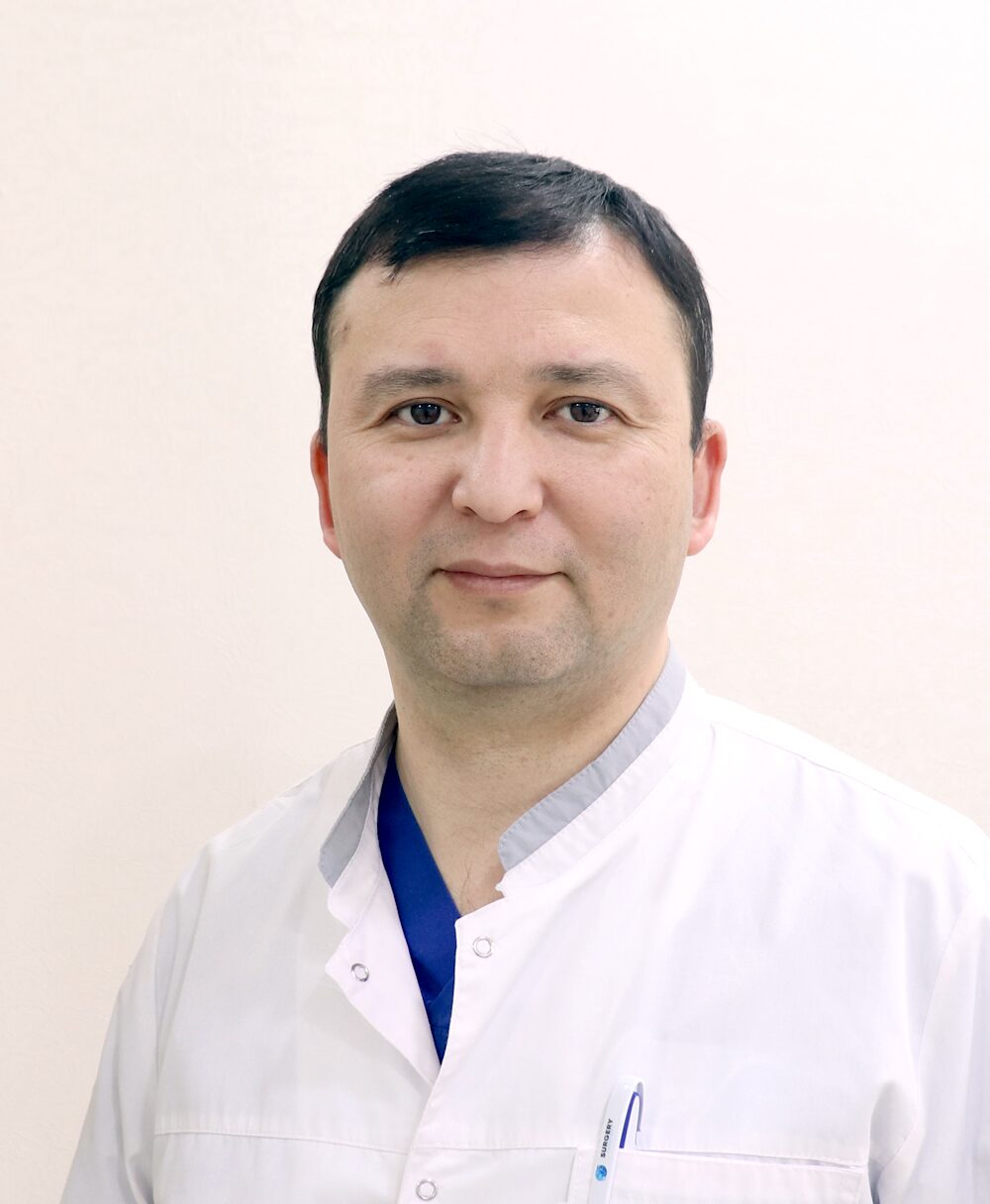
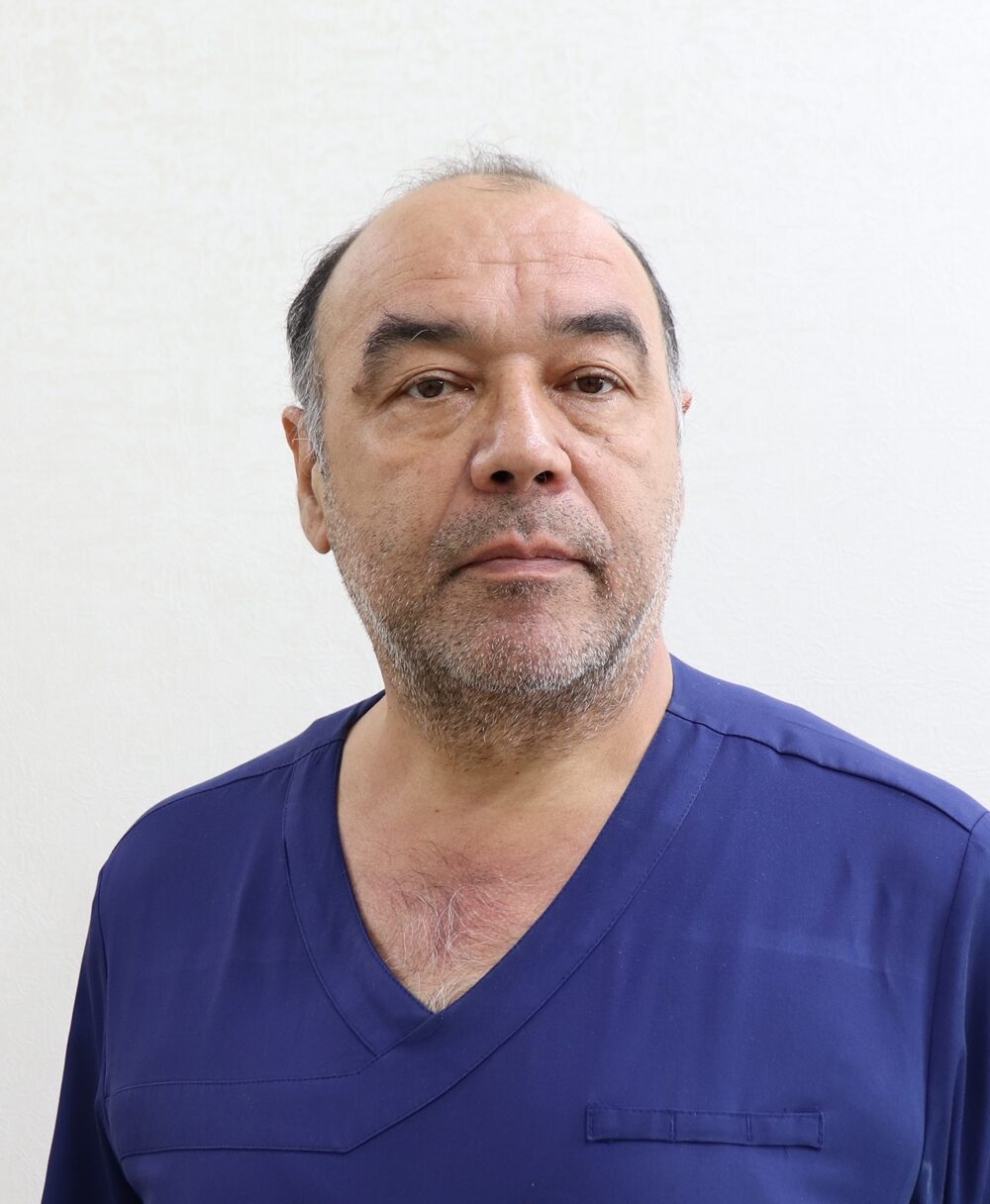
Our surgeons and anaesthetists work together to prepare patients who take blood thinners for surgery. Our doctors in this field:




Book an appointment with a surgeon
Taking a blood thinner and facing an operation? After assessment the doctors will explain the plan for your medicines and the treatment options.
Call now — +998 71 210-30-30Contacts
Address: 7A/3 Nurafshon street, Tashkent
Phone: +998 71 210-30-30 · WhatsApp: +998 95 662-30-30
Opening hours: Monday–Saturday, 09:00–18:00
E-mail: