


Useful articles
Urinary Incontinence in Men: After Prostate Surgery and Other Causes
Doctor's blog
sbdrmn
Direction: Robotic surgery · All services
Urinary incontinence in men — the unintended leaking of urine — most often appears after prostate surgery, with an enlarged prostate or when the bladder is not working as it should. It is common and in most cases treatable, yet men tend to mention it to a doctor late. Below: the types of incontinence, how long recovery takes after prostatectomy, tests, pelvic floor exercises, medicines and operations, and the signs that need urgent help.
Contents
- Urinary incontinence in men: what it is and why it is worth talking about
- Types of urinary incontinence: when does the leak happen?
- Leaking urine after prostate surgery
- Causes that have nothing to do with surgery
- When to seek urgent help
- Tests: what the urologist needs to find out
- Treatment: pelvic floor exercises and everyday habits
- Medicines and surgery: the male sling and artificial sphincter
- Living with it: pads, skin care and how you feel
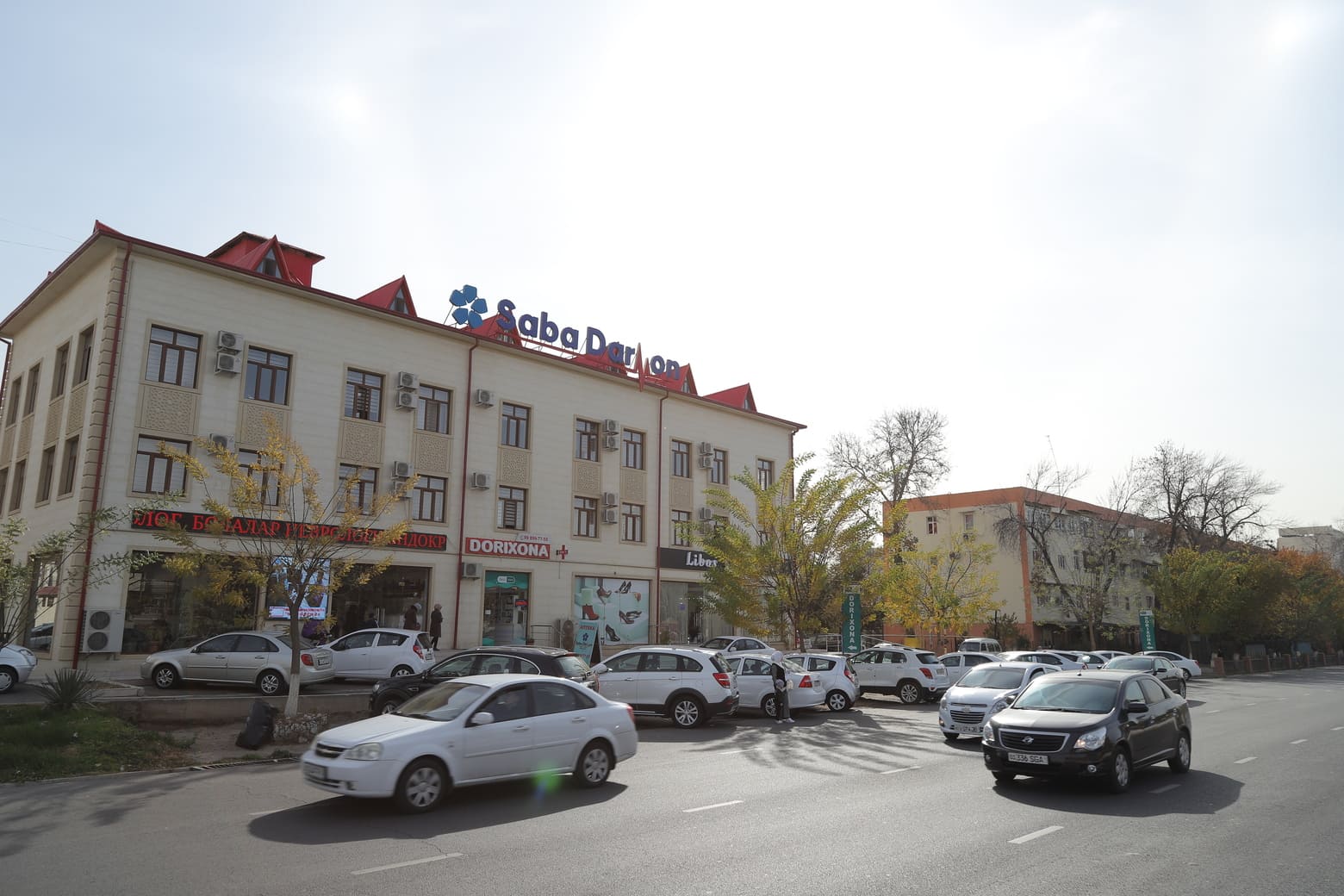
- Seeing a urologist at Saba Darmon clinic
- Frequently asked questions
Urinary incontinence in men: what it is and why it is worth talking about
Urinary incontinence means passing urine when you do not intend to and cannot hold it back. It is a symptom rather than a disease in its own right: behind it there is a change in the bladder, the prostate gland, the sphincter — the ring of muscle that keeps the urethra (the tube that carries urine out of the body) closed — or in the nerves that control them. Men are affected less often than women, but the problem becomes much more common with age and after operations on the prostate. Many men feel too embarrassed to mention it, rely on pads for years and put it down to getting older. In fact, most types of incontinence can be cured or greatly improved. The first step is to work out which type you have, because each one is treated differently.
Types of urinary incontinence: when does the leak happen?
Treatment depends on the situation in which urine escapes, so the first thing a urologist asks is “when does it happen, and how?”. The main types are set out in the table below. Sometimes two of them occur together, which is called mixed incontinence.
| Type | What you notice | Common cause |
|---|---|---|
| Stress incontinence | Drops or a small gush when you cough, sneeze, laugh, lift something heavy or stand up from a chair | A weak sphincter — most often after complete removal of the prostate, less often after TURP |
| Urge incontinence | A sudden, strong need to go and not reaching the toilet in time; passing urine often, day and night | Overactive bladder, an enlarged prostate, urinary infection, neurological conditions |
| Overflow incontinence | The bladder is always full and urine dribbles out a little at a time; weak stream, a feeling of not emptying | Chronic retention of urine: enlarged prostate, narrowing of the urethra, a weak bladder muscle |
| Post-micturition dribble | A few drops reach your underwear just after you have left the toilet | A little urine left behind in the curved part of the urethra |
| Functional incontinence | The bladder works normally, but you cannot get to the toilet in time | Limited mobility, memory problems, the effect of some medicines |
Leaking urine after prostate surgery
The most common cause of stress incontinence in men is radical prostatectomy — removal of the whole prostate gland for cancer. The prostate sits right next to the sphincter, so whichever approach is used — open, keyhole or robot-assisted — this muscle and its nerves can be weakened for a time. The operation itself is described in our article on robot-assisted prostate surgery. In the first weeks and months after the catheter comes out, a great many men leak urine; this is expected and is not a sign that something has gone wrong. It usually improves step by step: you become dry at night and when lying down first, then when walking, and last of all when coughing or exerting yourself. Most men see a clear improvement within 6 to 12 months. How quickly you recover depends on your age, your weight, how well your bladder worked before the operation and how regularly you do your exercises.
After transurethral resection of the prostate (TURP) for benign enlargement, lasting incontinence is uncommon. In the first weeks men are more likely to leak when the urge is strong, and this settles as the inside heals. You can read more in our article on recovery after TURP.
Causes that have nothing to do with surgery
In men who have not had an operation, the leading cause is benign prostatic hyperplasia. The enlarged gland squeezes the urethra, the bladder has to push against the blockage and becomes irritable: the urge arrives suddenly and is hard to hold. If the blockage goes on for a long time, the bladder stops emptying completely, stretches, and urine starts to overflow. This can happen without any pain and may slowly damage the kidneys, which is why it should not be missed. Other causes and risk factors include:
- diabetes, stroke, Parkinson’s disease, and injuries or diseases of the spine, all of which can affect the nerves that control the bladder;
- a urinary infection, bladder stones or a bladder tumour, which irritate the bladder wall;
- excess weight and a long-standing cough, including a smoker’s cough, which increase the pressure on the pelvic floor;
- chronic constipation — a full bowel presses on the bladder, and straining weakens the pelvic floor muscles;
- water tablets, sedatives and some other medicines — whether to change them is for your doctor to decide;
- caffeine, alcohol and drinking a lot in the evening.
When to seek urgent help
Incontinence on its own is rarely dangerous and can be dealt with at a routine appointment. Some signs, however, point to a cause that should not wait.
See a urologist or go to an emergency department the same day if you notice blood in your urine; if passing urine becomes very painful or you develop a fever or shivering; or if you cannot pass urine at all and your lower tummy feels full and painful — this may be acute urinary retention. If loss of bladder or bowel control comes on suddenly together with new back pain, weakness or numbness in the legs, or loss of feeling between the legs, the nerves of the spinal cord may be compressed: call 103 immediately.
Tests: what the urologist needs to find out
The appointment starts with a conversation: when you leak, how many pads you use in a day, what operations you have had and which medicines you take. You will often be asked to keep a bladder diary for three days, noting how much you drink and when, how often and how much urine you pass, and when leaks happen. This simple sheet of paper explains a great deal. It is followed by an examination, a urine test (to rule out infection, blood and sugar) and an ultrasound scan. The scan measures how much urine is left in the bladder after you have been to the toilet, which is the easiest way to tell overflow incontinence from the other types; the scan is described in our article on prostate and bladder ultrasound and residual urine. In some cases, particularly when surgery is being considered, urodynamic tests (measurements of how the bladder and sphincter work) or cystoscopy (a look inside the bladder with a thin camera) are needed; the urologist will refer you for these if necessary.
Treatment: pelvic floor exercises and everyday habits
Treatment almost always starts with simple, safe measures. They take patience, but for many men they are all that is needed.
- Pelvic floor muscle training. Tighten the muscles you would use to stop the flow of urine or to hold in wind, hold for a few seconds, then relax. Your tummy, buttocks and thighs should stay loose, and you should keep breathing normally. The exercises are done every day for several months. It is best to be shown the technique by a professional; if a prostatectomy is planned, men are advised to learn the exercises before the operation. Tightening the muscles just before you cough or lift something heavy also helps.
- Bladder training. For urge incontinence, the gaps between visits to the toilet are lengthened little by little; when the urge comes, you learn not to rush but to stop, squeeze the muscles and wait for the wave to pass.
- Fluids and drinks. Do not cut down sharply on water: concentrated urine irritates the bladder more. It helps to reduce caffeine, fizzy drinks and alcohol and to drink less in the evening.
- Weight, bowels and smoking. Losing excess weight, keeping your bowels regular and stopping smoking all take pressure off the pelvic floor.
- For dribbling after you have finished, a simple technique works well: once you have passed urine, press gently with your fingers behind the scrotum and stroke forwards to push out the urine left in the urethra.
Medicines and surgery: the male sling and artificial sphincter
For urge incontinence, if exercises are not enough, the urologist may prescribe medicines that calm the bladder muscle; if the prostate is enlarged, treatment for that is added. With overflow incontinence the aim is different — to relieve the blockage and empty the bladder. Medicines that relax the bladder can do harm here, so do not take tablets on a friend’s recommendation: any medicine should be used only as prescribed by your doctor.
If stress incontinence after prostatectomy is still troublesome despite 6 to 12 months of regular exercises, surgery is considered. For mild to moderate leakage this may be a male sling — a tape that lifts and supports the urethra; for more severe leakage, an artificial urinary sphincter — a device that keeps the urethra closed and is operated by the patient himself. These are specialised operations: the urologist will discuss whether they are suitable for you and, if so, refer you to an appropriate centre.
Living with it: pads, skin care and how you feel
Until treatment takes effect, pads and absorbent underwear designed for men can help you carry on with normal life; they differ from women’s products in shape and in where they absorb. Change a wet pad promptly, wash the skin with a mild cleanser and pat it dry rather than rubbing; if the skin becomes red, ask your doctor about a barrier cream. A pad is a temporary aid — it does not replace an assessment and treatment.
Incontinence affects mood too: men go out less, give up sport and avoid intimacy. That is understandable, but keeping it hidden only prolongs the problem. Talk openly with your partner and your doctor: for a urologist this is an ordinary question that comes up every day.
Seeing a urologist at Saba Darmon clinic
Urologists at Saba Darmon Medical Center look for the cause of urinary incontinence in men: the consultation, urine and blood tests, and ultrasound of the prostate and bladder with measurement of residual urine are all carried out at the clinic. After the assessment the doctor will explain the plan — exercises, everyday habits, medicines and the next steps — and, if a specialised test or an operation is needed, will discuss the options with you. Bring your operation reports, a list of the medicines you take and, if you can, a three-day bladder diary. Useful questions to ask: which type of incontinence do I have, am I doing the exercises correctly, and when should I expect to see a result? To arrange a visit, go to our urology department page.
Frequently asked questions
How long does incontinence last after prostate surgery?
After radical prostatectomy, leaking urine once the catheter is removed is very common and is expected. It usually improves gradually over weeks and months: first at night, then when walking, and last of all when coughing or straining. Most men notice a clear improvement within 6 to 12 months. Regular pelvic floor muscle exercises support recovery. If leakage is still a problem after that time, the urologist will discuss further tests and surgical options with you.
How do men do pelvic floor exercises?
Tighten the muscles you would use to stop the flow of urine or to hold in wind, hold for a few seconds, then relax completely. Keep your tummy, buttocks and thighs loose and do not hold your breath. Repeat the exercises every day lying down, sitting and standing; results usually appear after several weeks. Stopping your stream regularly while passing urine is not recommended as a way of training. It is best to learn the technique from a urologist or a specialist physiotherapist.
Should I drink less if I leak urine?
No. Cutting down sharply on fluids does not help. When you drink too little, urine becomes concentrated and irritates the bladder wall more, and constipation gets worse — both of which make leakage harder to control. Drink a normal amount spread evenly through the day and reduce it in the evening. Limiting caffeine, fizzy drinks and alcohol is useful. If your fluid intake has been set because of heart or kidney disease, follow your doctor’s advice.
Is it a problem if a few drops come out after I have finished?
Dribbling after passing urine is very common in men and is usually harmless: a little urine stays in the curved part of the urethra and escapes when you move. Pressing gently behind the scrotum and stroking forwards straight after you finish, together with pelvic floor exercises, usually helps. If you also have a weak stream, get up often at night or feel that your bladder does not empty, see a urologist to have your prostate and residual urine checked.
When is male incontinence treated with an operation?
Surgery is not usually the first step. For stress incontinence after prostatectomy, pelvic floor exercises and lifestyle measures are used for 6 to 12 months first, because leakage often improves by itself during that time. If it persists and affects quality of life, a male sling or an artificial urinary sphincter may be considered. The urologist will discuss which method is suitable after an assessment and, if needed, refer you to a specialised centre.
Related reading:
Doctors for consultation
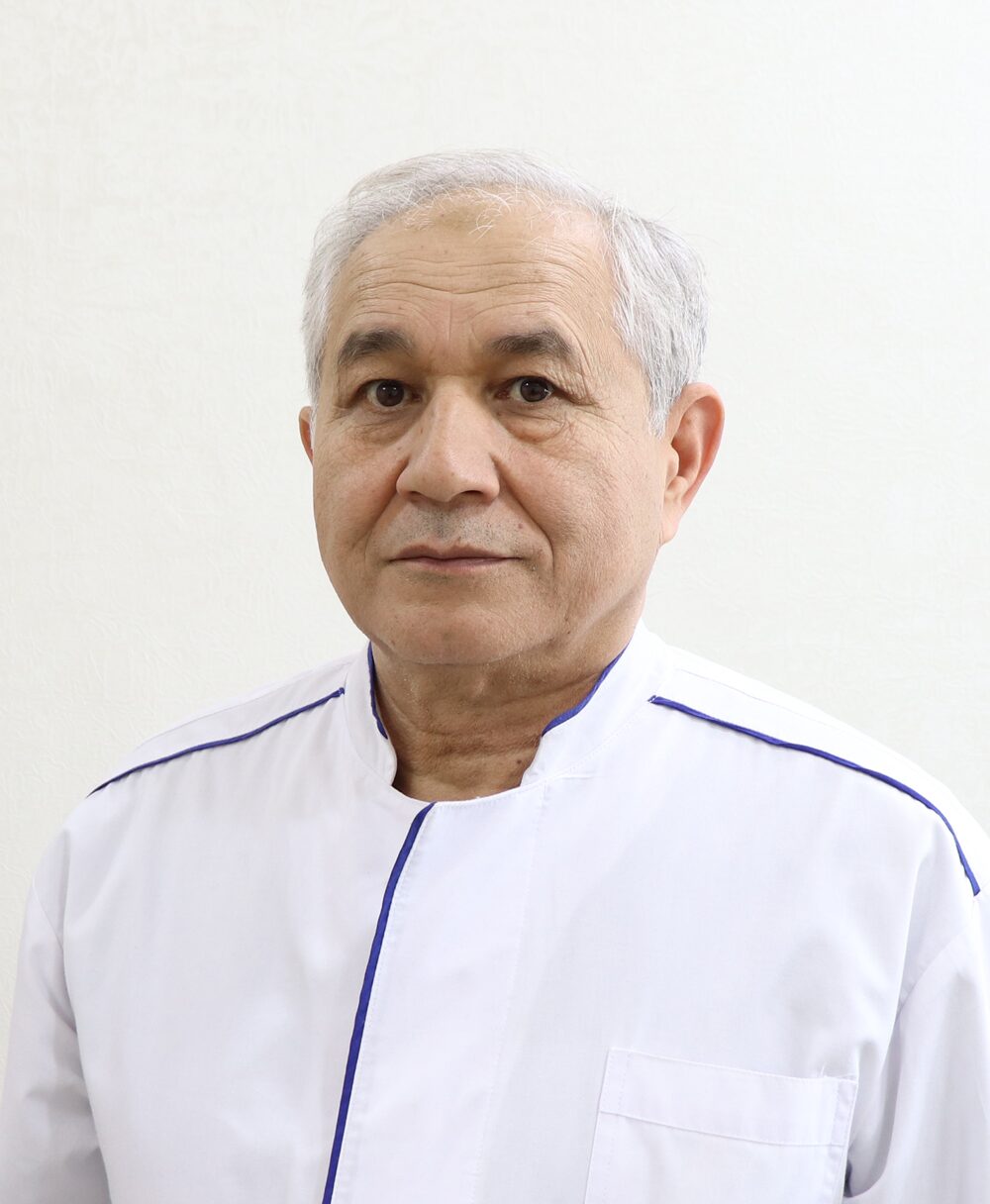
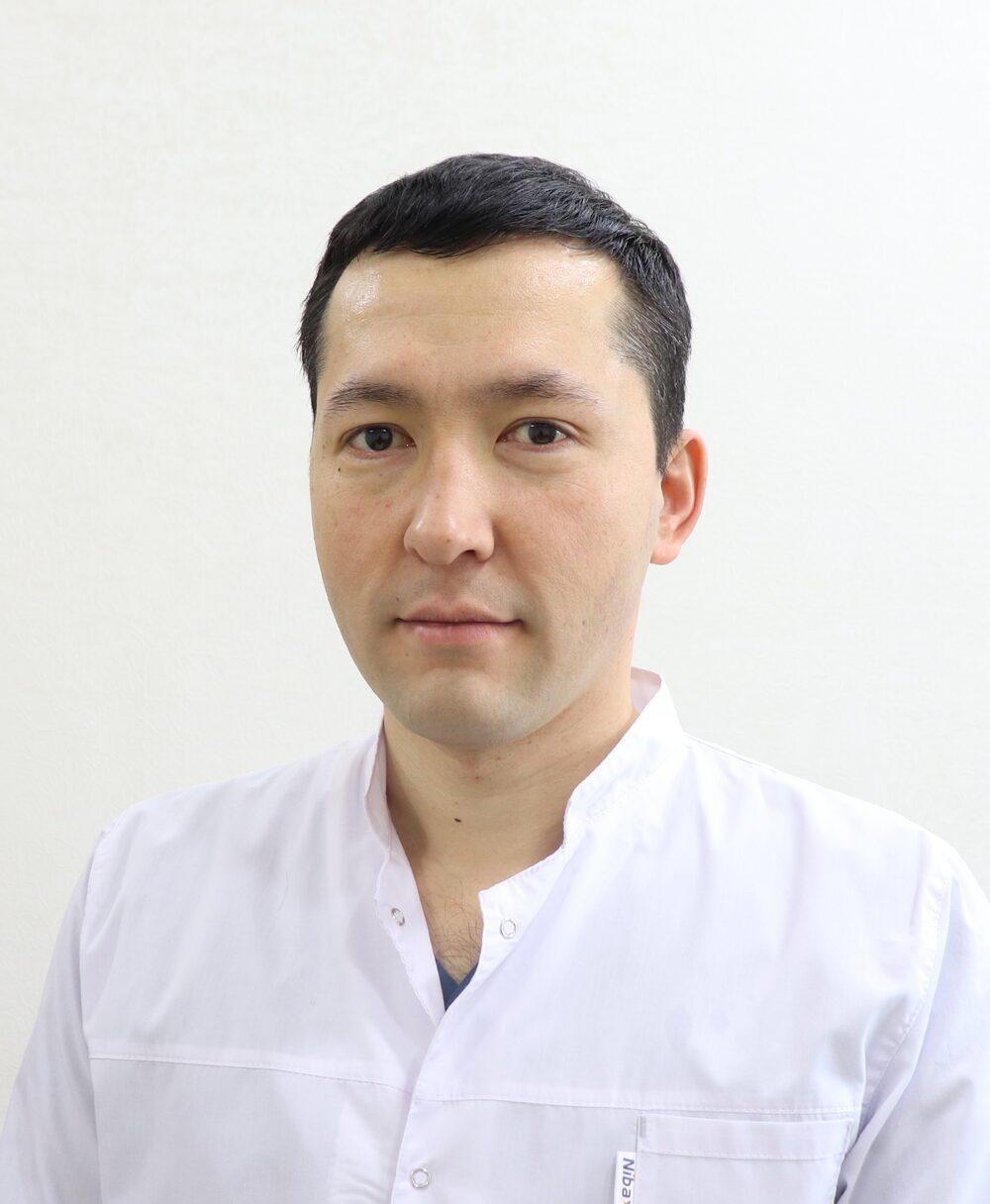
Assessment and treatment of urinary incontinence in men are provided by our urologists. Our doctors in this field:
Book an appointment with a urologist
Troubled by leaking urine? A urology consultation will help identify the type and cause of incontinence and choose a suitable treatment plan.
Call now — +998 71 210-30-30Contacts
Address: 7A/3 Nurafshon street, Tashkent
Phone: +998 71 210-30-30 · WhatsApp: +998 95 662-30-30
Opening hours: Monday–Saturday, 09:00–18:00
E-mail: