


Useful articles
Recovery After TURP: Catheter, Blood in Urine and Sex Life
Doctor's blog
sbdrmn
Direction: Robotic surgery · All services
Recovery after TURP covers the few weeks it takes for the inside of the prostate to heal after transurethral resection. During this time most men have a catheter for the first days, blood in the urine that comes and goes, frequent trips to the toilet and some burning — and all of this gradually settles. Below: the first days in hospital, how to look after yourself at home, changes to your sex life, histology and PSA follow-up, and which symptoms need urgent help.
Contents
- Recovery after TURP: what to expect
- In hospital: the catheter and bladder irrigation
- Passing urine after the catheter comes out
- Blood in the urine after TURP: when it is normal
- Recovering at home: fluids, bowels and physical activity
- When to seek urgent help
- Sex after TURP and retrograde ejaculation
- Leakage and pelvic floor exercises
- Histology results, PSA and long-term follow-up
- Questions to ask your doctor
- Frequently asked questions
Recovery after TURP: what to expect
Transurethral resection of the prostate (TURP) removes overgrown prostate tissue without any cut in the skin. A special instrument called a resectoscope is passed along the urethra — the tube that carries urine out of the body — and the tissue that is squeezing the urinary channel is trimmed away from the inside. The operation is usually offered when benign prostatic enlargement makes passing urine difficult, when medicines have not helped enough, or when urinary retention keeps coming back. You can read about the underlying condition in our article on benign prostatic hyperplasia. Although there is no external wound, a raw surface is left inside the prostate, and it takes several weeks to heal. That is why recovery happens in stages: the first few days in hospital, then several weeks at home with some sensible restrictions. Many men notice a stronger, freer flow soon after the operation, but the full benefit usually becomes clear only once the inside has healed, typically over a few months.
In hospital: the catheter and bladder irrigation
At the end of the operation a catheter is passed through the urethra into the bladder. It is often a three-way catheter: sterile fluid runs into the bladder through one channel and drains out with the urine through another. This continuous rinsing, called irrigation, stops blood clots from forming. In the first days the urine is pink or reddish, which is expected; the irrigation is gradually reduced and then stopped. The catheter usually stays in for one to three days, and the urologist decides exactly when to remove it based on how much bleeding there is and how you are feeling overall. While the catheter is in, you may have bladder spasms — sudden cramping pain low in the tummy with a strong urge to pass urine. Tell the nurse if this happens, as medicine can be given to ease it. Getting up and walking early helps your circulation and lowers the risk of blood clots in the leg veins.
Passing urine after the catheter comes out
Once the catheter is removed, the team checks that you can pass urine on your own and that your bladder empties well; sometimes the amount left behind is measured with an ultrasound scan (see our article on prostate and bladder ultrasound and residual urine). In the first weeks it is common to have:
- frequent, urgent trips to the toilet, including at night;
- burning or discomfort when passing urine;
- a variable stream, sometimes with small clots or fragments of tissue in the urine;
- a little leakage when the urge is strong.
These symptoms are part of the healing process. They usually ease over a few weeks, although it can take a few months for them to settle completely. Occasionally a man cannot pass urine straight after the catheter is removed. In that case a catheter is put back for a while and another trial is arranged later. This does not mean the operation has failed: a bladder muscle that has spent years pushing against a blockage sometimes needs time to recover its strength.
Blood in the urine after TURP: when it is normal
Blood in the urine that comes and goes is the most common — and most worrying — part of recovery after TURP. Your urine may be clear for several days and then turn pink again. This is especially likely around 10 to 14 days after the operation, when the scab on the healing surface inside the prostate comes away. Doctors call this secondary bleeding. In most cases it settles if you drink more and take things easy for a day or two. General information about this symptom is in our article on blood in the urine and what to do.
| Time after surgery | What is usually normal | What to do |
|---|---|---|
| Days 1–3 (in hospital) | Catheter, bladder irrigation, pink or reddish urine | Get up and walk early; tell staff about spasms or pain |
| Weeks 1–2 | Frequency, burning, blood in the urine on and off | Drink plenty, avoid constipation, no heavy lifting |
| Around days 10–14 | Urine turning red again, small clots | Drink more and rest; see a doctor if bleeding increases or flow becomes difficult |
| Weeks 4–6 | Symptoms ease noticeably; bleeding usually stops | Build up activity gradually, as agreed with your doctor |
| 2–3 months | Urination usually settles into a stable pattern | Follow-up visit; flow and residual urine checked if needed |
Recovering at home: fluids, bowels and physical activity
Once you are home, much of your recovery depends on everyday habits. The main recommendations are:
- Drink enough fluid. Aim to keep your urine pale yellow or almost clear. This keeps the bladder flushed and makes clots less likely. If you have been told to limit fluids because of heart or kidney disease, agree the amount with your doctor.
- Avoid constipation. Straining on the toilet can trigger bleeding from the operated area. Fibre-rich food, fruit and vegetables help, and your doctor may suggest a gentle laxative if needed.
- No heavy lifting or straining for about four to six weeks: heavy shopping bags, gardening that involves digging, and strenuous exercise can wait.
- Avoid cycling and horse riding during the same period, as they put pressure on the area between the legs.
- Walking is good for you from the first days; increase your daily walks little by little.
- Cut down on alcohol and caffeine, which can irritate the healing bladder.
- Blood-thinning medicines should be restarted only when your doctor says so — do not stop or start them on your own.
Most men go back to light desk work after one to two weeks; physical jobs need longer. You can drive again once you are free of pain and confident that you could make an emergency stop safely.
When to seek urgent help
Most men recover without problems, but it is important to know the warning signs in advance.
Contact a urologist or go to an emergency department straight away if you cannot pass urine, or clots are blocking the flow and your lower tummy feels full and painful; if your urine becomes dark red with many clots and does not clear even when you drink more; if you develop a fever or shivering, or your urine starts to smell unpleasant; or if one leg becomes swollen and painful. If heavy bleeding comes with dizziness or fainting, or you have chest pain or sudden breathlessness, call 103 immediately.
Sex after TURP and retrograde ejaculation
You can usually return to sex once you feel comfortable, often after two to four weeks; your urologist will advise you on timing. The most important change to understand is retrograde ejaculation. After TURP, most men find that at orgasm the semen no longer comes out but flows backwards into the bladder and is passed later with urine. This “dry orgasm” is harmless, and the sensation of orgasm is usually preserved. However, it greatly reduces the chance of fathering a child naturally, so men who are still planning a family should discuss this with their doctor before the operation. At the same time, retrograde ejaculation is not a reliable form of contraception.
Erections are usually unchanged after TURP. Some men do notice a difference, and age, diabetes, heart and circulation problems or anxiety often play a part. If this happens to you, do not feel embarrassed to raise it with your urologist: the cause can be looked into and help is available.
Leakage and pelvic floor exercises
In the first weeks after the operation, a little leakage when the urge is strong is common and usually temporary. Long-term incontinence is uncommon. Pelvic floor muscle exercises can support your recovery: tighten the muscles you would use to stop the flow of urine or hold in wind, hold for a few seconds, then relax, and repeat this several times throughout the day. A doctor or nurse can show you the correct technique. If leakage is still a problem after a few months, further tests are arranged and the next steps are discussed with you.
Histology results, PSA and long-term follow-up
The prostate tissue that was removed is sent to the laboratory for examination under the microscope. In most cases the report confirms benign enlargement; occasionally unexpected changes are found, and the urologist will then discuss whether further monitoring or tests are needed. Make sure you ask about this result at your follow-up visit. After the operation the PSA level usually falls, so your doctor will decide when to measure a new baseline value for future monitoring. Possible late problems include narrowing of the urethra or of the bladder neck: if your stream gradually becomes weak again, see a urologist (read more about urethral stricture). For a very large prostate, other surgical methods may also be considered — this is explained in our article on large prostate adenoma: TURP or robotic surgery.
Questions to ask your doctor
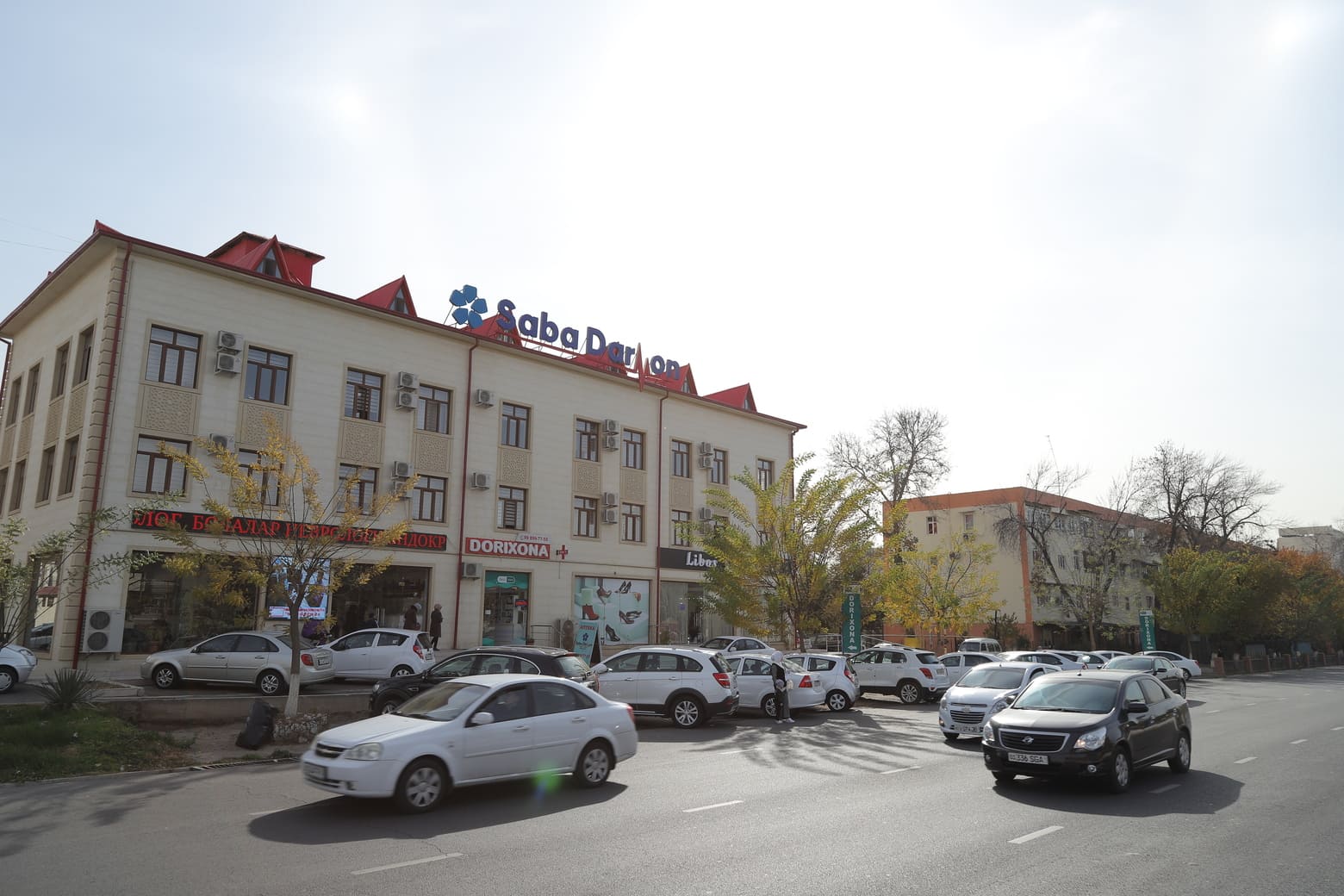
Before you go home, make sure you know when your follow-up appointment is, when you can restart any blood thinners, which symptoms mean you should get in touch urgently, when the histology result will be ready and when you can increase your physical activity. At Saba Darmon clinic, urologists diagnose and treat prostate conditions: ultrasound scans, measurement of residual urine and laboratory tests are available, and TURP is also performed at the clinic, with the method chosen by the urologist after examination. If you have any questions after surgery, you can contact the specialists of our urology department.
Frequently asked questions
How long does the catheter stay in after TURP?
The catheter usually stays in for one to three days. During this time the bladder is rinsed with sterile fluid so that blood clots do not form. Once the urine has cleared and you are recovering well, the urologist removes it. If you cannot pass urine straight afterwards, a catheter is put back for a short time and another trial is arranged later. This simply means the bladder muscle needs more time to recover, and it usually does.
How long does blood in the urine last after TURP?
Blood in the urine can come and go for several weeks, often up to about four to six weeks. It commonly returns around days 10 to 14, when the scab inside the prostate comes away. Drinking more, avoiding constipation and resting are usually enough. If the bleeding gets heavier, clots block the flow or you develop a fever, contact a urologist without delay, as these signs need prompt assessment.
When can I have sex again after TURP?
Most men return to sex once they feel comfortable, usually after two to four weeks; your urologist will confirm the timing. Erections are usually unchanged, but most men develop retrograde ejaculation, meaning semen goes back into the bladder instead of coming out. This is harmless but reduces the chance of fathering a child naturally. It should not be relied on as contraception, so discuss family plans before surgery.
Will leakage after TURP go away?
In most cases, yes. In the first weeks, a little leakage when the urge is strong is common and improves as the inside heals. Long-term incontinence is uncommon. Pelvic floor muscle exercises support recovery, and a doctor or nurse can show you how to do them correctly. If leakage continues after a few months, the urologist will arrange further tests and discuss treatment options with you.
When can I lift heavy things and exercise after TURP?
Heavy lifting, strenuous exercise, cycling and horse riding are usually best avoided for about four to six weeks, because straining can trigger bleeding from the operated area. Walking, on the other hand, is helpful from the first days. Most men return to light desk work after one to two weeks. Agree with your urologist at the follow-up visit when it is safe to increase your activity further.
Related reading:
Doctors for consultation
TURP and follow-up care after surgery are provided by our urologists. Our doctors in this field:
Book an appointment with a urologist
Have questions after TURP or symptoms that worry you? A urology consultation will help check that your recovery is on track.
Call now — +998 71 210-30-30Contacts
Address: 7A/3 Nurafshon street, Tashkent
Phone: +998 71 210-30-30 · WhatsApp: +998 95 662-30-30
Opening hours: Monday–Saturday, 09:00–18:00
E-mail: