


Useful articles

Chronic Constipation in Adults: Causes, Tests and Treatment — Saba Darmon
Doctor's blog
sbdrmn
One adult in ten lives with chronic constipation and calls it “just how my body works”. People take laxatives for years, raise the dose, and then discover the bowel no longer moves without a pill. Yet constipation is a symptom, and a symptom always has a cause — one that can usually be found and corrected. Doctors at Saba Darmon Medical Center explain where normal ends, where disease begins, and how to start the work-up.
When constipation is chronic
Normal bowel frequency in adults is wide — from three times a day to three times a week. Constipation is called chronic when, for three months or longer, at least two of the following are present: stools fewer than three times a week, hard or lumpy stools, heavy straining, a feeling of incomplete emptying or blockage, or the need for manual help. What matters is not the number of visits but the combination of symptoms and how long they last.
Main causes
- Lifestyle — too little fibre and water, a sedentary job, the habit of postponing the toilet, a sudden change in routine.
- Medications — iron supplements, aluminium-containing antacids, some painkillers, antidepressants, blood-pressure drugs.
- Bowel disease — irritable bowel syndrome, diverticula, polyps and tumours, narrowing after inflammation.
- Pelvic floor dysfunction — the bowel is full but the outlet does not “open”; a common and rarely recognised cause.
- General conditions — an underactive thyroid, diabetes, high calcium, neurological disease.
- Age and pregnancy — slower motility, pressure of the uterus on the bowel.
Red flags: see a doctor within days
Constipation itself is not dangerous, but some accompanying signs need prompt evaluation: blood in the stool or black stools, constipation appearing for the first time after 50, weight loss without dieting, anaemia on blood tests, abdominal pain that keeps getting worse, alternating constipation and diarrhoea, bowel cancer in close relatives. With such signs, laxatives alone are not enough — a gastroenterology consultation and, as a rule, a colonoscopy are required.
Which tests are needed
- Examination by a gastroenterologist and a proctologist — history, digital examination, assessment of pelvic floor tone.
- Blood tests — full blood count, thyroid hormones, glucose, calcium, potassium.
- Stool test for occult blood.
- Colonoscopy — with red flags, after 45–50, or when treatment fails.
- Abdominal ultrasound — liver and gallbladder assessment, exclusion of masses.
Treatment without dependence
Treatment is built in steps. First, routine: 25–30 grams of fibre a day (vegetables, whole grains, bran), one and a half to two litres of fluid, daily walking, and a toilet visit at the same time after breakfast. Next, osmotic agents based on macrogol or lactulose: they hold water in the bowel and do not cause dependence. Stimulant laxatives (senna, bisacodyl) are acceptable only in short courses. Pelvic floor dysfunction responds to biofeedback training, and when a disease is found, treatment targets its cause.
Frequently asked questions
Can laxatives be taken every day? Osmotic agents — yes, on medical advice and long-term. Stimulants — no, they exhaust bowel receptors.
Do enemas help? Once — yes, but as a regular method they make things worse and wash out the natural reflex.
Does everyone need a colonoscopy? No. It is mandatory with red flags, after 45–50, and when treatment gives no result.
Are constipation and haemorrhoids linked? Yes. Constant straining is the main cause of haemorrhoids and anal fissures, so both need treatment.
At Saba Darmon Medical Center
At the clinic, chronic constipation is managed jointly by a gastroenterologist and a proctologist: laboratory diagnostics, ultrasound and endoscopy are performed in one building, and the treatment plan is chosen according to the cause rather than the symptom alone. If constipation has troubled you for more than three months or red flags have appeared — book a consultation.
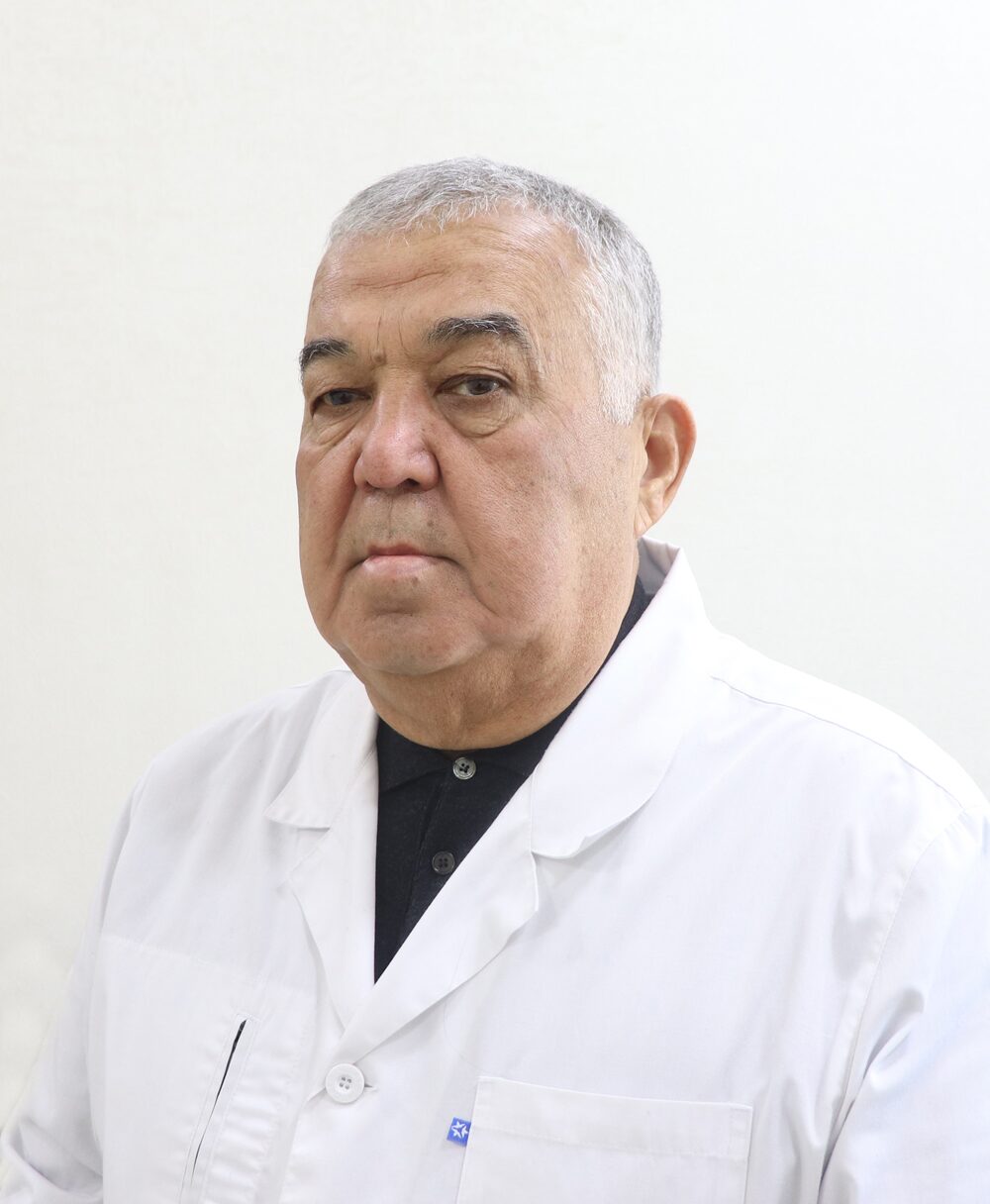
Doctors in this field

Saba Darmon Medical Center — contacts
📍 7A/3 Nurafshon street, Tashkent
📞 +99871 210-30-30 · WhatsApp +998 95 662-30-30
✉️This email address is being protected from spambots. You need JavaScript enabled to view it.
🌐 Instagram · Telegram · Facebook · YouTube
📞 +99871 210-30-30 · WhatsApp +998 95 662-30-30
✉️
🌐 Instagram · Telegram · Facebook · YouTube