


Useful articles
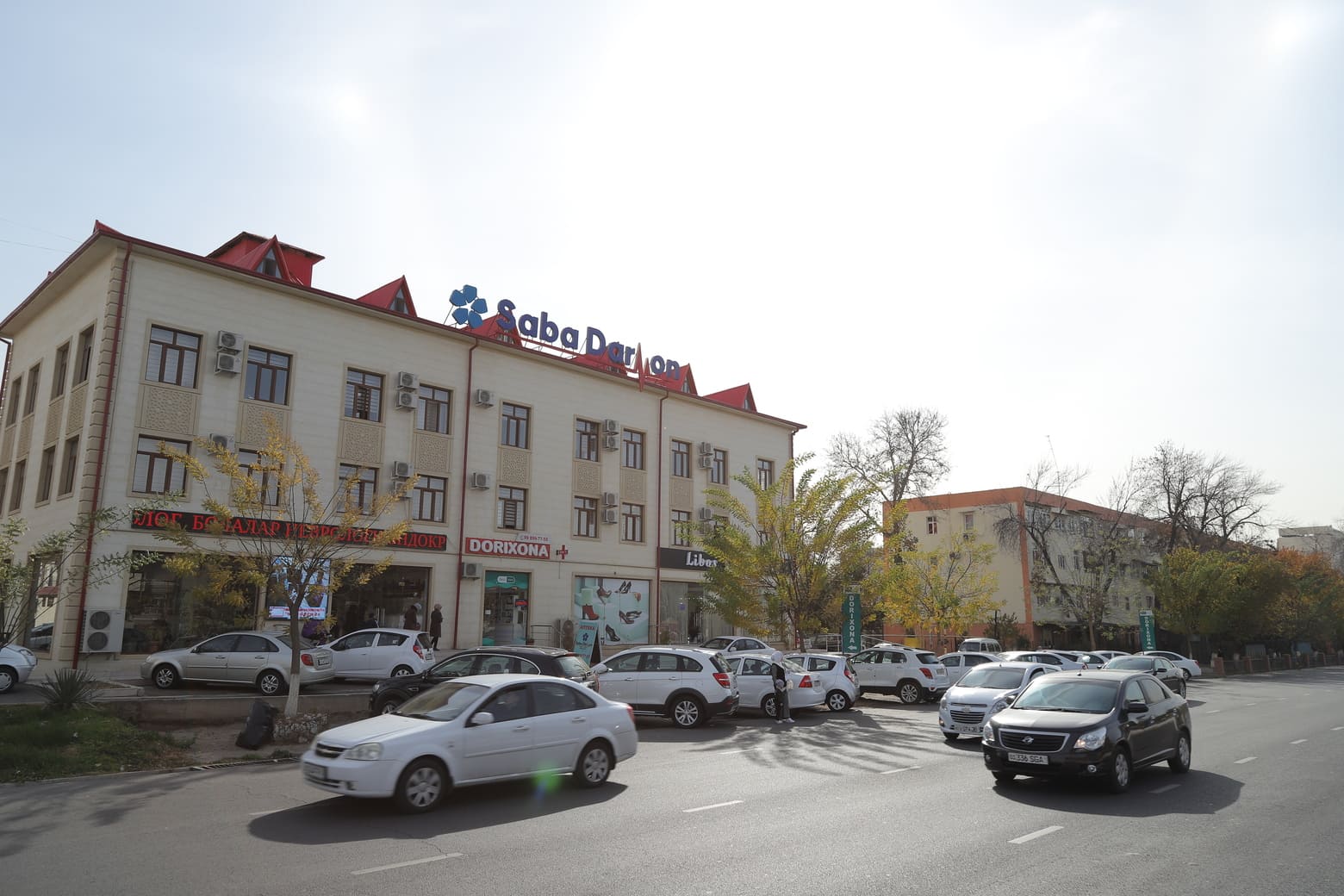
Irritable Bowel Syndrome (IBS): Symptoms, Diagnosis and Treatment — Saba Darmon Medical Center, Tashkent
Doctor's blog
sbdrmn
Irritable bowel syndrome (IBS) is one of the most common functional digestive disorders: abdominal pain, bloating and changes in bowel habit come and go for months, yet tests show neither a tumour nor an ulcer. That does not make the problem imaginary — the bowel genuinely works incorrectly. The gastroenterologist and endoscopy specialist of Saba Darmon Medical Center explain how to recognise the condition and bring it under control.
What IBS is and why it develops
In IBS it is not the structure of the bowel that is affected, but the way it works. The contractions of the bowel wall become either too fast or too sluggish, while sensitivity increases: ordinary digestion is perceived as pain. The communication between the brain and the gut is also disturbed, which is why stress, anxiety and poor sleep noticeably worsen the symptoms.
The most common triggers are:
- chronic stress, anxiety and a disrupted sleep routine;
- irregular meals, dry snacks on the run, too much fatty food;
- the period following an acute intestinal infection;
- changes in the balance of the gut microflora;
- individual intolerance of certain foods, such as milk sugar or some carbohydrates;
- a sedentary lifestyle and insufficient fluid intake.
IBS is not contagious and does not turn into cancer. However, its symptoms resemble those of more serious diseases, so the diagnosis must always be confirmed by a doctor.
Main symptoms
- recurring abdominal pain or discomfort, often relieved after a bowel movement;
- bloating, excessive gas, rumbling in the abdomen;
- diarrhoea or constipation, sometimes alternating;
- mucus in the stool;
- a feeling that the bowel has not emptied completely;
- symptoms that flare up after stress or after a particular meal.
A typical feature of IBS is its wave-like course: several calm weeks are followed by a flare-up. If the complaints keep returning for three months or longer, a medical assessment should not be postponed.
Warning signs that need urgent attention
The following are not typical of IBS and call for prompt examination:
- blood in the stool or black stools;
- weight loss without dieting;
- abdominal pain that wakes you at night;
- prolonged fever, marked weakness, anaemia;
- symptoms appearing for the first time after the age of 50;
- bowel cancer or inflammatory bowel disease in close relatives.
How the assessment is carried out
IBS is a diagnosis of exclusion: the doctor first makes sure that no other disease lies behind the complaints. The plan is individual and usually includes:
- a gastroenterologist consultation with a detailed history and abdominal examination;
- full blood count, biochemistry and inflammatory markers;
- stool tests, including a test for occult blood;
- ultrasound of the abdominal organs;
- when indicated, an endoscopic examination such as gastroscopy or colonoscopy;
- if necessary, thyroid function tests and screening for gluten intolerance.
Endoscopy is not prescribed to every patient — it is mainly needed when warning signs are present or when treatment brings no improvement.
Diet and lifestyle
In IBS the greatest benefit comes not from tablets but from everyday habits:
- four to five meals a day at regular times, eaten slowly and chewed well;
- a food diary, which helps to identify the products that do not suit you;
- limiting fizzy drinks, excess caffeine, spicy and fatty dishes;
- more fibre and enough water if constipation predominates;
- at least 150 minutes of moderate physical activity a week, such as walking or swimming;
- restoring a sleep routine and managing stress, with psychological support if needed.
Medication is chosen by a doctor alone, according to the predominant type of symptoms. Taking medicines on your own or following strict diets found online may make the condition worse.
At Saba Darmon Medical Center
Gastroenterology consultations, laboratory tests, ultrasound and endoscopic examinations are all available in one place, which considerably shortens the path to a diagnosis. If abdominal pain, bloating or changes in bowel habit have been troubling you for several weeks, do not diagnose yourself and do not delay treatment. You can book an appointment with a gastroenterologist by phone or through the online form on our website.
Doctors of this department

Saba Darmon Medical Center — contacts
📍 Tashkent, Nurafshon street, 7A/3
📞 +99871 210-30-30 · WhatsApp +998 95 662-30-30
✉️This email address is being protected from spambots. You need JavaScript enabled to view it.
🌐 Instagram · Telegram · Facebook · YouTube
📞 +99871 210-30-30 · WhatsApp +998 95 662-30-30
✉️
🌐 Instagram · Telegram · Facebook · YouTube