


Useful articles

Gut Dysbiosis and Probiotics: When Are They Really Needed — Saba Darmon, Tashkent
Doctor's blog
sbdrmn
The gut microbiota is trillions of beneficial bacteria that influence digestion, immunity and even mood. An imbalance of this community is called dysbiosis, while probiotics are often advertised as a «cure for any stomach problem». The gastroenterologist and endoscopist of Saba Darmon Medical Center explain when probiotics are truly useful.
Why gut microbiota matters
Hundreds of bacterial species live in a healthy gut. They break down food residues, synthesize vitamins (K, B group), prevent the growth of pathogenic microbes and «train» the immune system. When the balance is disturbed, beneficial bacteria decrease and opportunistic flora starts to dominate — this condition is commonly called dysbiosis.
Typical symptoms
- bloating, rumbling, gas accumulation;
- unstable stool — alternating diarrhea and constipation;
- heaviness and discomfort after meals;
- fatigue, skin rashes, increased allergic reactions;
- digestive upset after a course of antibiotics.
An important point: these symptoms are not unique to dysbiosis — they also occur with gastritis, bowel inflammation, enzyme deficiency, lactose intolerance and other diseases. That is why self-diagnosing «dysbiosis» is the wrong path.
Why the microbial balance gets disturbed
- antibiotics — especially with uncontrolled and frequent use;
- a monotonous diet poor in fiber, excess fast food and sugar;
- past intestinal infections and food poisoning;
- chronic stress and sleep disturbance;
- untreated diseases of the digestive tract.
When probiotics are really needed
Probiotics are products containing live beneficial bacteria. Situations with proven benefit:
- together with and after a course of antibiotics — prevention of antibiotic-associated diarrhea;
- restoring the flora after acute viral or bacterial diarrhea;
- certain functional bowel disorders — with a strain and dose selected by a doctor.
Keep in mind: a probiotic is not a universal remedy. If the strain, dose and duration are chosen incorrectly, there will be no result. And in some cases the underlying disease must be treated first — otherwise the probiotic only masks the symptoms.
How to support your microbiota without medication
- fiber in the daily diet: vegetables, fruits, legumes, whole grains;
- fermented foods: yogurt, kefir, ayran, pickled vegetables;
- limiting sugar and processed foods;
- taking antibiotics only as prescribed by a doctor;
- exercise, quality sleep and stress management.
When to get examined
If digestive upset lasts longer than 2–3 weeks, you are losing weight, blood or mucus appears in the stool, or pain bothers you at night — this may be a sign of something more serious than «simple dysbiosis». In this case, a gastroenterologist's examination and laboratory tests are performed, and if necessary — gastroscopy or colonoscopy carried out by an experienced endoscopist.
Restoring the gut after antibiotics: a practical plan
After a course of antibiotics, the microbiota usually recovers on its own within 2–6 weeks — proper nutrition speeds this up considerably. In the first weeks, add fermented foods to your daily diet, gradually increase fiber-rich meals, and limit sweets and fast food. If your doctor prescribed a probiotic, take it at least 2–3 hours apart from the antibiotic and complete the course. If symptoms persist for more than a month — come for a follow-up consultation: additional testing may be needed.
Dysbiosis in children: special points
A child's gut flora is still forming, so it is more sensitive to antibiotics and dietary mistakes than an adult's. If a child has prolonged diarrhea, abdominal pain, reduced appetite or skin rashes, giving «gut medicine» on your own is a mistake: first a pediatrician or gastroenterologist must establish the cause. In breastfed babies, adjusting the mother's diet alone often solves the problem.
Frequently asked questions
Should I take a «dysbiosis stool test»?
The classic «stool culture for dysbiosis» is not very informative: the flora in it does not fully reflect the state of the gut from inside. Doctors rely more on symptoms, a coprogram, inflammation markers and, if needed, endoscopy.
How long can probiotics be taken?
A course usually lasts 2–4 weeks. If longer use is needed, the doctor decides. Taking them constantly «for prevention» is unnecessary — a healthy gut flora sustains itself with proper nutrition.
Can kefir and yogurt replace probiotics?
Partially yes: fermented foods provide beneficial bacteria and a nutrient medium for them. But for a specific therapeutic task — such as preventing diarrhea after antibiotics — preparations with proven strains are more effective.
At Saba Darmon Medical Center, a gastroenterologist, an endoscopist and an in-house laboratory are in one place: we find the true cause of digestive problems and build a treatment plan without unnecessary medications. Book an appointment by phone or online.
Doctors of this department
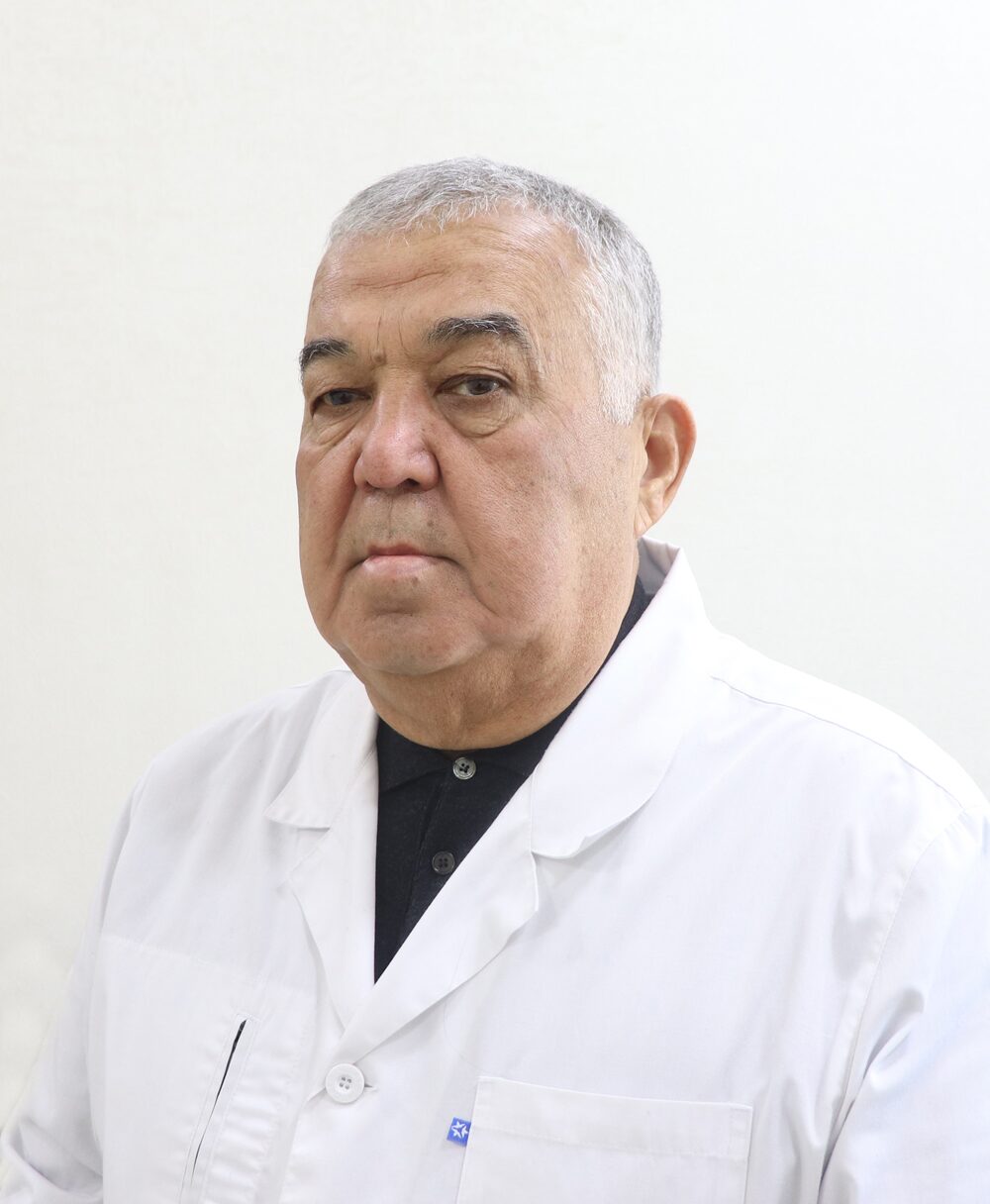
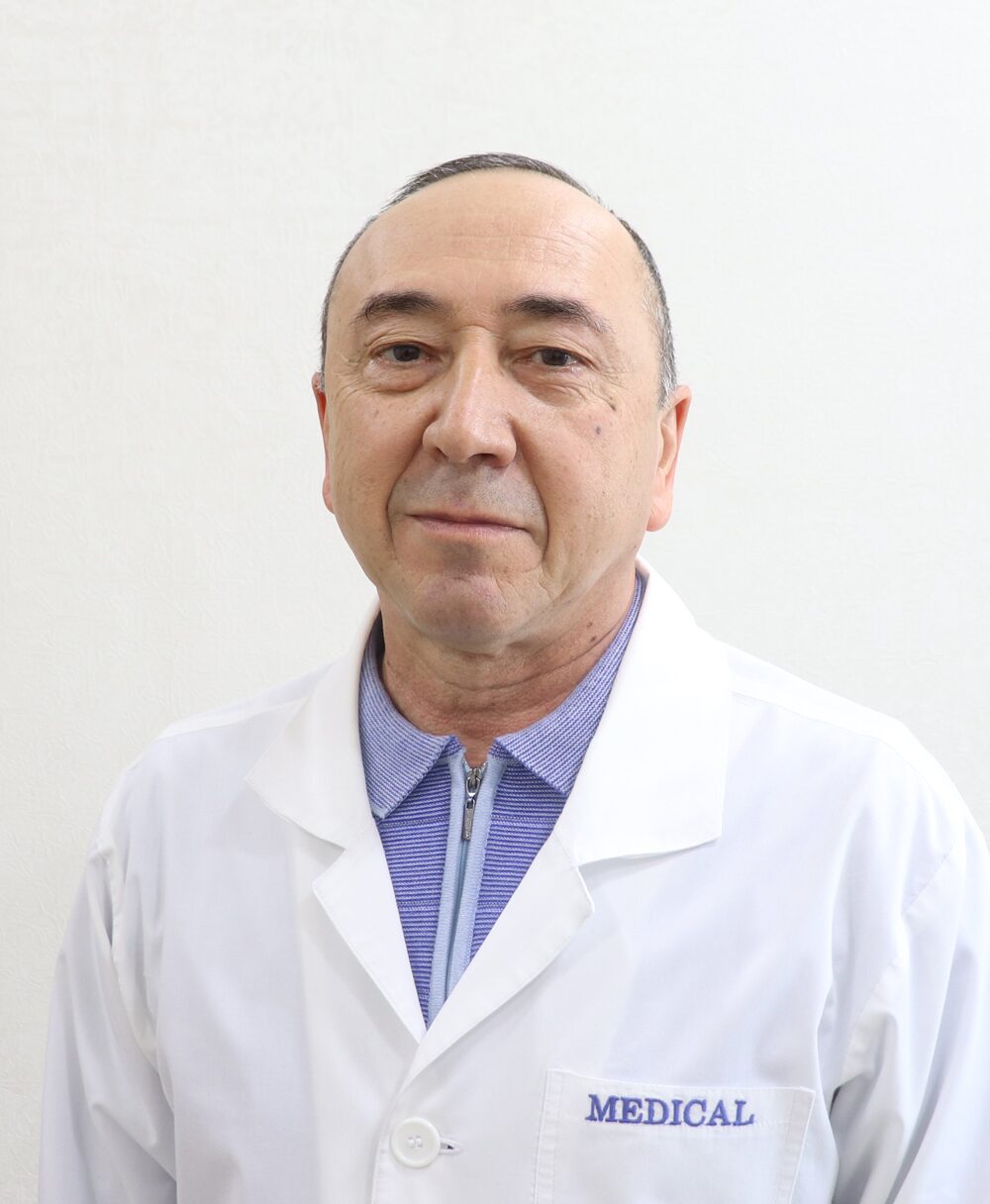
Saba Darmon Medical Center — contacts
📍 Tashkent, Nurafshon street, 7A/3
📞 +99871 210-30-30 · WhatsApp +998 95 662-30-30
✉️This email address is being protected from spambots. You need JavaScript enabled to view it.
🌐 Instagram · Telegram · Facebook · YouTube
📞 +99871 210-30-30 · WhatsApp +998 95 662-30-30
✉️
🌐 Instagram · Telegram · Facebook · YouTube