


Useful articles
Recovery After Gynaecological Laparoscopy: Pain, Periods, Sex and Pregnancy
Doctor's blog
sbdrmn
Direction: Robotic surgery · All services
Recovery after gynaecological laparoscopy is usually much quicker than after open surgery, but for a few days or weeks some typical sensations are normal: shoulder pain, bloating, discomfort around the small cuts and changes to your period. Below we explain what is normal, how to care for your wounds, when you can return to work and driving, sex, planning a pregnancy and which warning signs mean you need urgent help.
Contents
- Recovery after gynaecological laparoscopy: the first hours and days
- Shoulder pain after laparoscopy, bloating and wound pain
- Caring for your wounds and when you can shower or bathe
- How long recovery takes: it depends on the operation
- Everyday activity: walking, driving, lifting and exercise
- Periods and vaginal bleeding after laparoscopy
- Sex and planning a pregnancy after laparoscopy
- When to seek urgent help after laparoscopy
- The follow-up visit, histology results and questions to ask
- Frequently asked questions
Recovery after gynaecological laparoscopy: the first hours and days
Laparoscopy is keyhole surgery: the operation is carried out with a camera and fine instruments passed through several small cuts in the abdominal wall. In gynaecology it is used for ovarian cysts, fibroids, endometriosis, problems with the fallopian tubes, ectopic pregnancy and hysterectomy — you can read more on the page about laparoscopic gynaecological surgery. The operation is done under general anaesthetic, and the abdomen is gently filled with carbon dioxide gas so that the surgeon has a clear view of the organs.
For a few hours after you wake up you may feel drowsy, have a scratchy throat from the breathing tube and feel a little sick. Usually you can drink after a few hours, then eat something light and get up. After smaller procedures many women go home the same day or the next morning; after larger operations a stay of a day or two is common. Getting up and walking early is one of the most important parts of recovery: it helps the bowel start working again, helps the gas to be absorbed more quickly and lowers the risk of blood clots in the leg veins. You can read about the wider benefits of the keyhole approach in our article on laparoscopic surgery and recovery.
Shoulder pain after laparoscopy, bloating and wound pain
Many women are surprised to feel pain in the shoulder or neck after laparoscopy. It happens because gas left in the abdomen irritates the diaphragm, and the nerves “refer” the pain to the shoulder tip. It usually lasts one to three days and fades gradually. Walking about, changing position often and resting propped up on pillows can all help.
Bloating, a sluggish bowel and constipation are also common, because the anaesthetic, painkillers and reduced movement all slow the bowel down. Drinking enough, eating fibre and walking help, and if needed your doctor can recommend a mild laxative. Pain around the small cuts usually eases noticeably within a few days. Take your pain relief as your doctor has prescribed, rather than waiting for the pain to build up — when pain is under control it is much easier to walk and breathe deeply. There is more on this in the article on pain after surgery and fast recovery.
Caring for your wounds and when you can shower or bathe
The cuts are usually small — no more than one to two centimetres: one near the belly button and one to three more lower down on the abdomen. They are closed with dissolvable stitches, medical skin glue or adhesive strips.
- you can usually shower the next day; wash the wounds gently without rubbing and pat them dry with a soft towel;
- avoid baths, swimming pools and open water until the wounds have fully healed, usually around two weeks;
- change or remove dressings when your doctor advises; if non-dissolvable stitches were used, ask when they should come out;
- a little bruising and firmness around a wound is normal; if redness spreads, or you notice swelling, pus or a smelly discharge, tell your doctor.
Over time the small scars fade and usually become hard to see.
How long recovery takes: it depends on the operation
Laparoscopy describes the way into the abdomen; how quickly you recover depends on what was actually done inside. The timings below are approximate, and the surgeon who operated on you will give you specific advice.
| Operation | Time in hospital | Back to light (desk) work | Full recovery |
|---|---|---|---|
| Diagnostic laparoscopy | Same day or overnight | A few days to a week | About 1–2 weeks |
| Ovarian cyst removal, tubal surgery | Often one day | About 1–2 weeks | About 2–3 weeks |
| Laparoscopic myomectomy | One to two days | About 2–3 weeks | About 4–6 weeks |
| Laparoscopic hysterectomy | One to two days | About 2–4 weeks | About 6 weeks |
If your job is physically demanding, you will probably need longer before going back. Tiredness after an anaesthetic and surgery is normal and can last for several weeks. For the operation used to check the fallopian tubes, see the article on diagnostic laparoscopy.
Everyday activity: walking, driving, lifting and exercise
- Walking — start on the first day and build up the distance a little each day.
- Driving — only once you have stopped taking strong painkillers and can make an emergency stop and look over your shoulder without pain. After smaller procedures this is often within a few days; after larger operations it takes longer.
- Lifting — avoid heavy bags, lifting children and heavy housework for about one to two weeks after smaller procedures, and for several weeks after myomectomy or hysterectomy.
- Exercise — gentle activity can begin as soon as you feel well; running, abdominal exercises and swimming should wait until the wounds have healed and your doctor agrees.
- Long journeys — discuss them with your doctor first, as sitting still for a long time raises the risk of blood clots.
Listen to your body: it is normal to have good days and slower days, and increasing activity step by step works better than doing too much too soon.
Periods and vaginal bleeding after laparoscopy
For a few days after surgery you may have light bleeding or a brownish discharge, especially if an instrument was placed in the womb during the operation. Use pads rather than tampons during this time. Your first period may come earlier or later than expected and may be heavier or more painful than usual — stress, the anaesthetic and any surgery on the ovary can affect the cycle for a while. Periods usually settle within one or two cycles. After a hysterectomy you will no longer have periods, but light discharge is possible for several weeks while the stitches at the top of the vagina heal. Heavy bleeding that soaks a pad within an hour, or passing large clots, is a reason to seek help urgently.
Sex and planning a pregnancy after laparoscopy
After a diagnostic laparoscopy or a smaller procedure, most women can have sex again once any bleeding has stopped and they feel comfortable — often after about two weeks. After a myomectomy the wait may be longer, and after a hysterectomy the stitches at the top of the vagina need to heal first, which usually takes at least several weeks. Your doctor will tell you what is right in your case.
When it is reasonable to try for a baby depends on the operation:
- after a diagnostic laparoscopy or ovarian cyst removal — usually once you have recovered and had your next period, unless your doctor advises otherwise;
- after a myomectomy, waiting several months is recommended so that the repair in the wall of the womb can heal; how long depends on how deep the repair was — see the article on pregnancy after myomectomy;
- after surgery for an ectopic pregnancy, your doctor will explain how long to wait and why an early scan is needed in the next pregnancy — read more about ectopic pregnancy.
If you do not want to become pregnant yet, discuss contraception with your doctor in advance.
When to seek urgent help after laparoscopy
You should feel a little better each day. If things are going the other way, do not wait.
Contact the surgeon who operated on you or the clinic straight away if you have a fever above 38 °C or shivering; abdominal pain that is getting worse instead of better; repeated vomiting, a swollen tummy and no passing of wind; spreading redness, swelling or pus around a wound; heavy bleeding; or you cannot pass urine or passing urine is very painful. Swelling and pain in one calf, chest pain, sudden breathlessness or coughing up blood can be signs of a blood clot — in that case call 103 immediately.
The follow-up visit, histology results and questions to ask
A follow-up appointment is usually arranged within a few weeks of the operation. The doctor checks your wounds and explains what was found and what was done during surgery. Any tissue that was removed is sent for histology (examination under a microscope), and the result is discussed with you once it is ready. It helps to write your questions down beforehand: when can I go back to work, when can I drive and exercise, when can I plan a pregnancy, and could the condition come back? Laparoscopic gynaecological operations are performed at Saba Darmon clinic, and our gynaecologists follow patients up afterwards; ultrasound and laboratory tests are available on site. Find out more on the page of our gynaecology department.
Frequently asked questions
Why does my shoulder hurt after laparoscopy?
During the operation the abdomen is filled with carbon dioxide gas. Some of the gas stays inside for a while and irritates the diaphragm, and the nerves refer that pain to the shoulder. It is not dangerous and usually settles within one to three days. Walking, changing position often and resting propped up help. If the pain gets worse, or comes with chest pain or breathlessness, seek medical help straight away.
When can I go back to work after laparoscopy?
It depends on the operation and on the kind of work you do. After a diagnostic laparoscopy many women return to desk work within a few days to a week, and after ovarian cyst removal within about one to two weeks. After a myomectomy or hysterectomy several weeks are needed. If your job is physically demanding, expect to need longer. The surgeon who operated on you will suggest a date based on your recovery.
When will my first period come after laparoscopy?
Often the first period arrives roughly on time, but it is also normal for it to come a few days early or late, or to be heavier or more painful than usual. Stress, the anaesthetic and any surgery on the ovary can affect the cycle for a while. Things usually settle within one or two cycles. If your period is very late, the bleeding is very heavy or you could be pregnant, see your doctor.
How soon can I get pregnant after laparoscopy?
It depends on what was done. After a diagnostic laparoscopy or cyst removal, trying for a baby is usually fine once you have recovered and had your next period. After a myomectomy, waiting several months is recommended so that the repair in the wall of the womb can heal. After surgery for an ectopic pregnancy, your doctor will explain how long to wait and why an early scan is needed. In every case, decide together with the surgeon who operated on you.
Will laparoscopy leave scars?
Because the cuts are small, the scars are small too. At first they may look reddish and feel slightly firm, but over time they fade, soften and often become hard to see. Keeping the wounds clean and dry, not rubbing them and avoiding baths and swimming pools until they have healed all help good healing. If redness spreads or you notice pus, see your doctor promptly so that any infection can be treated early.
Related reading:
Doctors for consultation
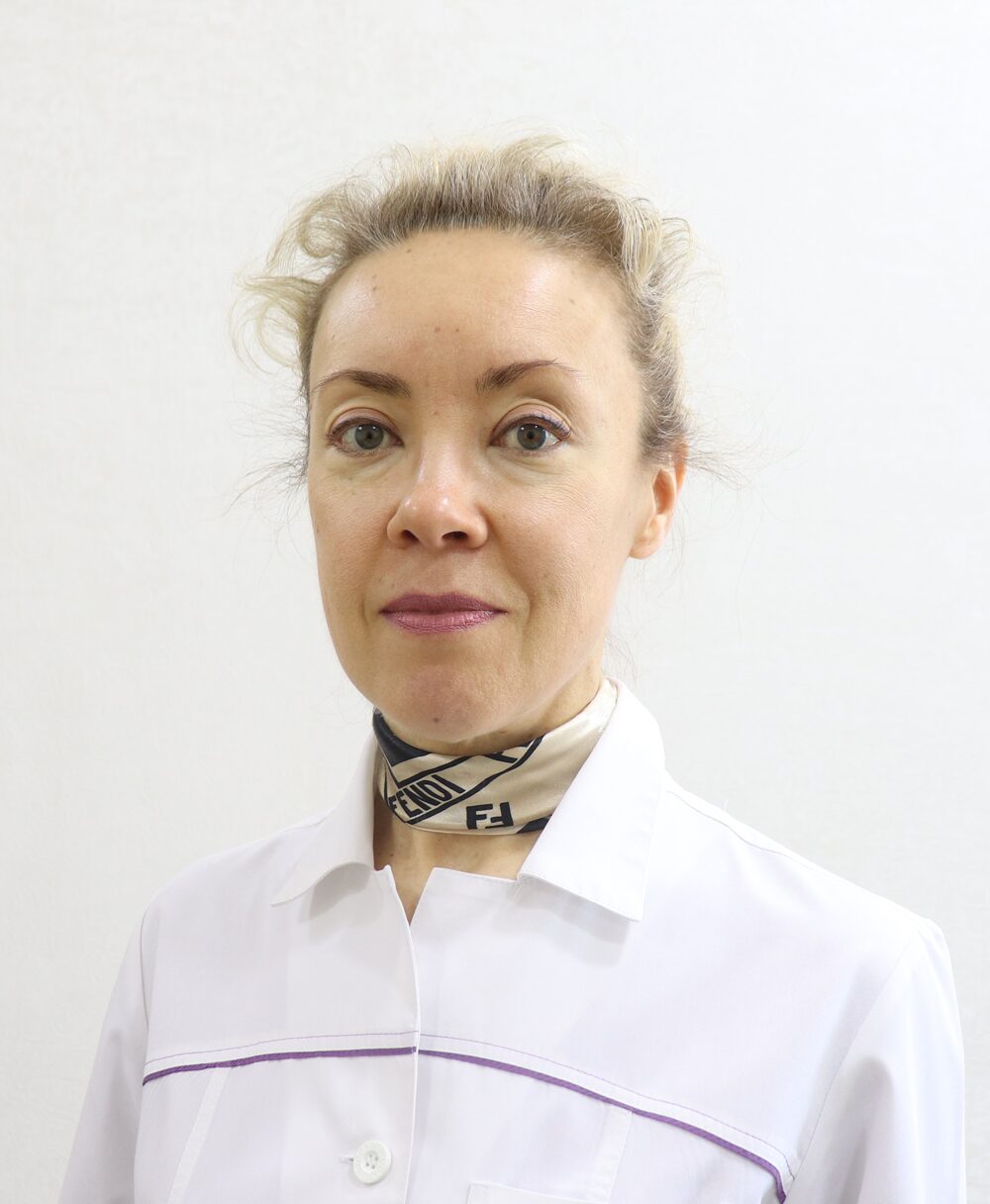
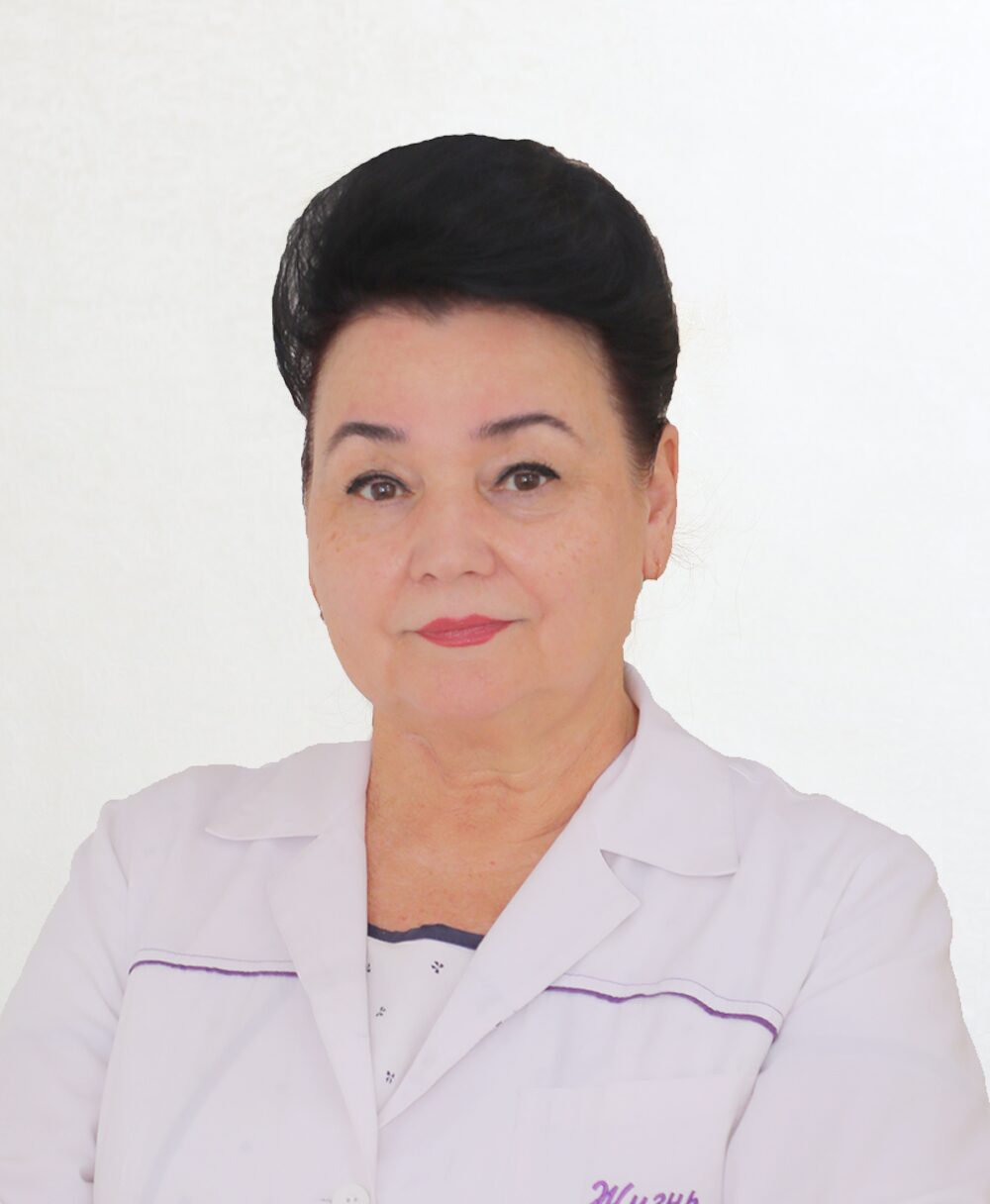
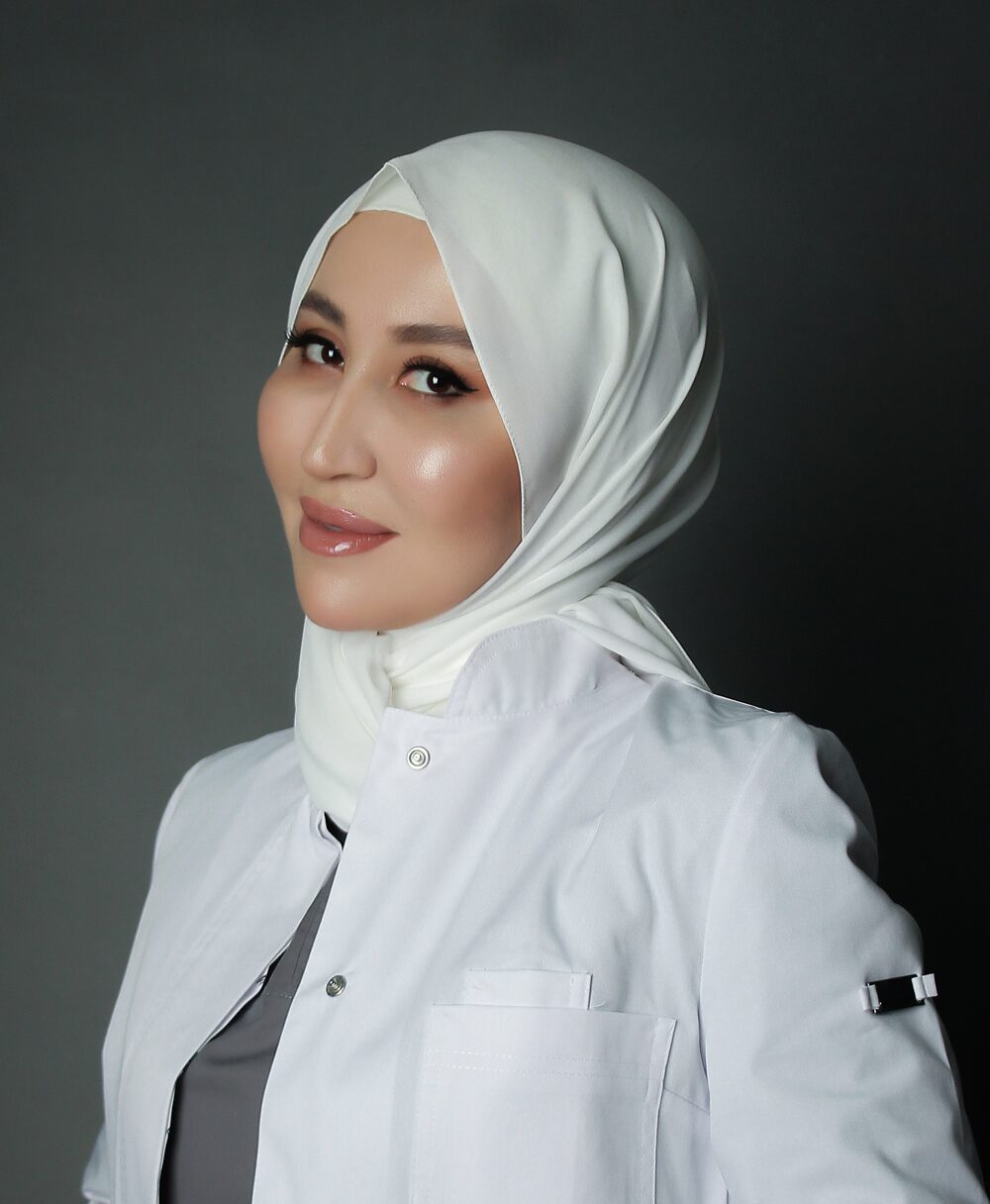
Our gynaecologists help with preparation for laparoscopic surgery and with recovery afterwards. Our doctors in this field:

Book an appointment with a gynaecologist
Preparing for a laparoscopy or have questions after your operation? A gynaecologist will explain your recovery plan and arrange a follow-up visit.
Call now — +998 71 210-30-30Contacts
Address: 7A/3 Nurafshon street, Tashkent
Phone: +998 71 210-30-30 · WhatsApp: +998 95 662-30-30
Opening hours: Monday–Saturday, 09:00–18:00
E-mail: