


Useful articles

Laparoscopic Surgery: Advantages and Recovery — Saba Darmon, Tashkent
Doctor's blog
sbdrmn
Laparoscopy has become the standard approach in abdominal surgery: instead of one long incision, the surgeon works through several 5–12 mm ports using a magnified video image and fine instruments. For the patient this usually means less pain, a quicker return to normal life and scars that are barely visible. Here is what the advantages really are, where the method has its limits, and how recovery unfolds.
How a Laparoscopic Operation Is Performed
The surgeon makes several small openings in the abdominal wall and passes a video camera, the laparoscope, and slim instruments through them. Carbon dioxide is introduced to create working space inside the abdomen. The image is displayed on a monitor at high magnification, so tissues, vessels and nerves are often seen more clearly than through an open incision. The procedure is carried out under general anaesthesia.
Key Advantages Over Open Surgery
- Less pain after the operation — the muscles and nerves of the abdominal wall are barely disturbed;
- Reduced blood loss — incisions are small and vessels are sealed under direct vision;
- Lower risk of wound infection — the wound surface is minimal;
- Fewer adhesions — the organs have far less contact with air and hands;
- A shorter hospital stay;
- Earlier mobilisation — many patients are up on the same or the following day, which lowers the risk of clots and chest complications;
- A better cosmetic result — small scars that fade over time;
- Faster return to work and everyday activity.
Which Operations Are Done Laparoscopically
- removal of the gallbladder (cholecystectomy);
- hernia repair — inguinal, umbilical and incisional;
- surgery for appendicitis;
- gynaecological procedures — ovarian cysts, fibroids, uterine and ovarian conditions;
- stomach and bowel surgery, including operations for obesity;
- fundoplication for reflux disease;
- procedures on the adrenal gland, spleen and kidney;
- division of adhesions (adhesiolysis).
Every case is individual: the surgeon chooses the approach on the basis of the investigations, the stage of the disease and the patient's general condition.
Is Laparoscopy Always Possible?
No. In some situations an open operation is the safer choice:
- extensive adhesions from previous surgery;
- major bleeding or an unstable patient;
- large or advanced tumours;
- severe heart or lung disease, where the gas pressure adds extra strain;
- anatomy that cannot be visualised clearly.
Occasionally the surgeon converts from a laparoscopic to an open approach during the operation. This is not a failure; it is a decision taken in favour of the patient's safety.
Common Misconceptions
- “Laparoscopy is not really an operation.” It is full surgery: general anaesthesia, postoperative monitoring and a proper recovery regime matter just as much.
- “A small incision means a limited procedure.” The opposite is true — magnification lets the surgeon see the anatomy more precisely.
- “You can do everything the next day.” Early mobilisation helps, but heavy lifting and intense sport are restricted for several weeks.
Preparing for Surgery
- consultation with the surgeon and the anaesthetist;
- blood and urine tests, clotting studies, an ECG and, where needed, ultrasound or CT;
- tell your doctor about every medication you take regularly, especially blood thinners — these may be stopped only on medical instruction;
- fasting from food and fluids for the period specified before the operation;
- stopping smoking as early as possible, which improves wound healing.
Recovery: What to Expect
Most patients are walking within the first day. For one or two days there may be discomfort in the shoulders or under the shoulder blades: residual gas irritates the diaphragm, and the sensation settles on its own. Diet is advanced step by step, from fluids to light meals.
- keep the wounds clean and dry, and agree the washing routine with your doctor;
- avoid heavy lifting, usually for two to four weeks depending on the operation;
- short walks several times a day speed up recovery;
- eat enough protein and drink enough fluid;
- attend the follow-up appointment as scheduled.
When to Contact Your Doctor After Discharge
- a temperature above 38 °C;
- abdominal pain that increases rather than eases;
- redness, swelling or discharge around a wound;
- persistent nausea and vomiting, or no bowel movement and no passing of wind;
- breathlessness, chest pain, or a swollen and painful calf.
Laparoscopy is minimally invasive, but it remains real surgery. The outcome depends on correct indications, thorough preparation and the surgeon's experience. If an operation has been recommended to you, or you would like a second opinion, speak to the surgeons at Saba Darmon Medical Center: after assessment they will explain whether a laparoscopic approach suits your case and set out a treatment plan.
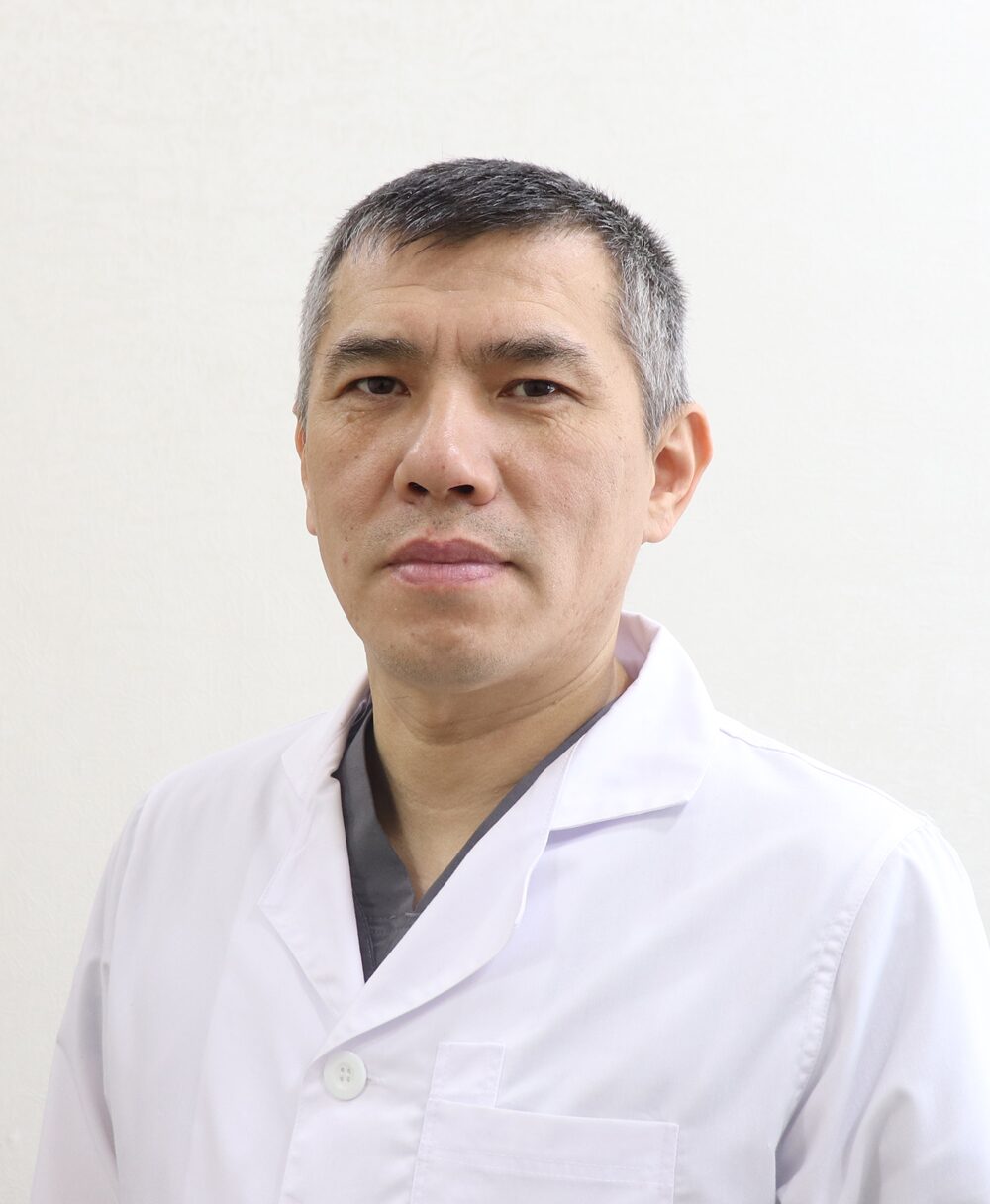
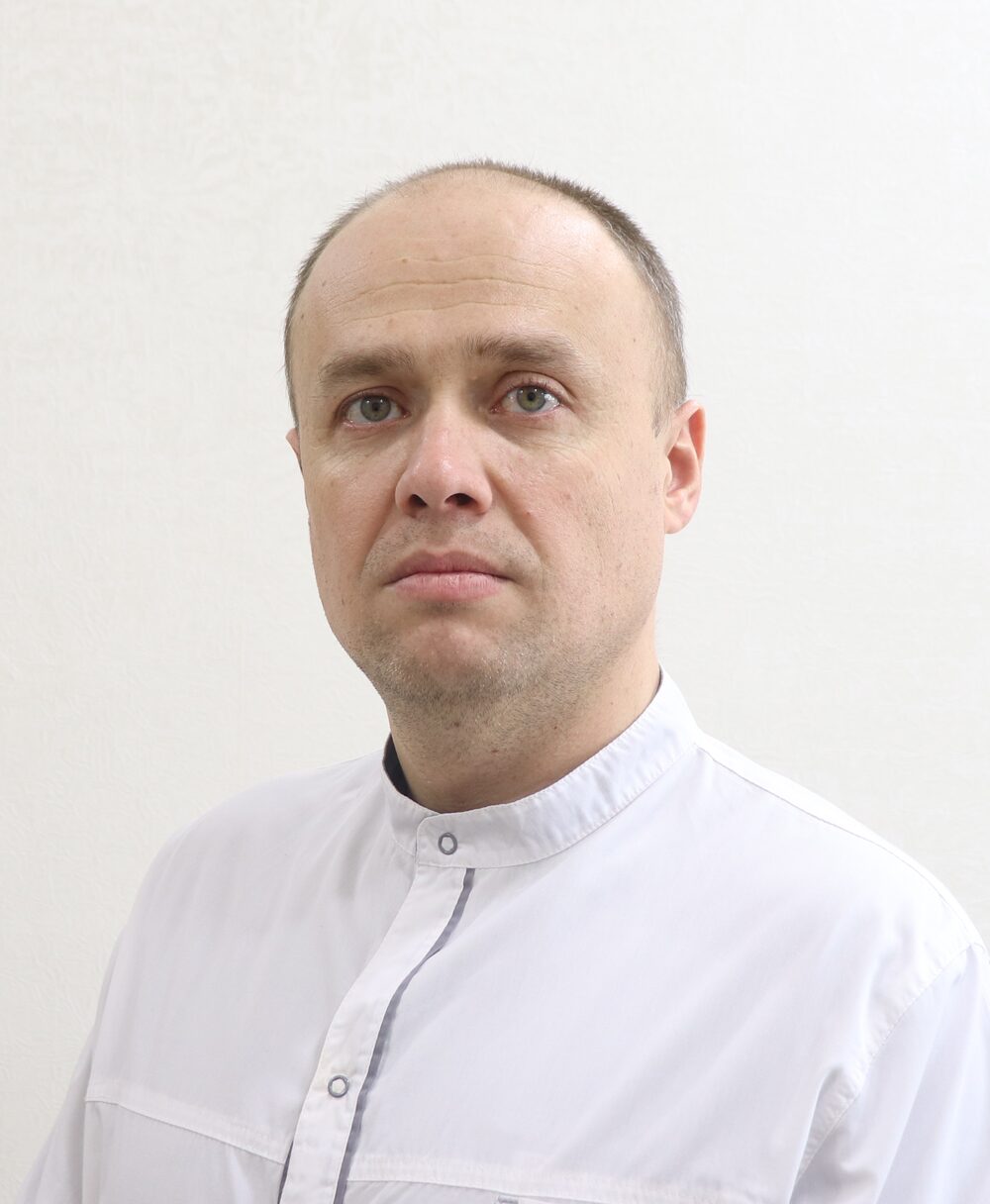
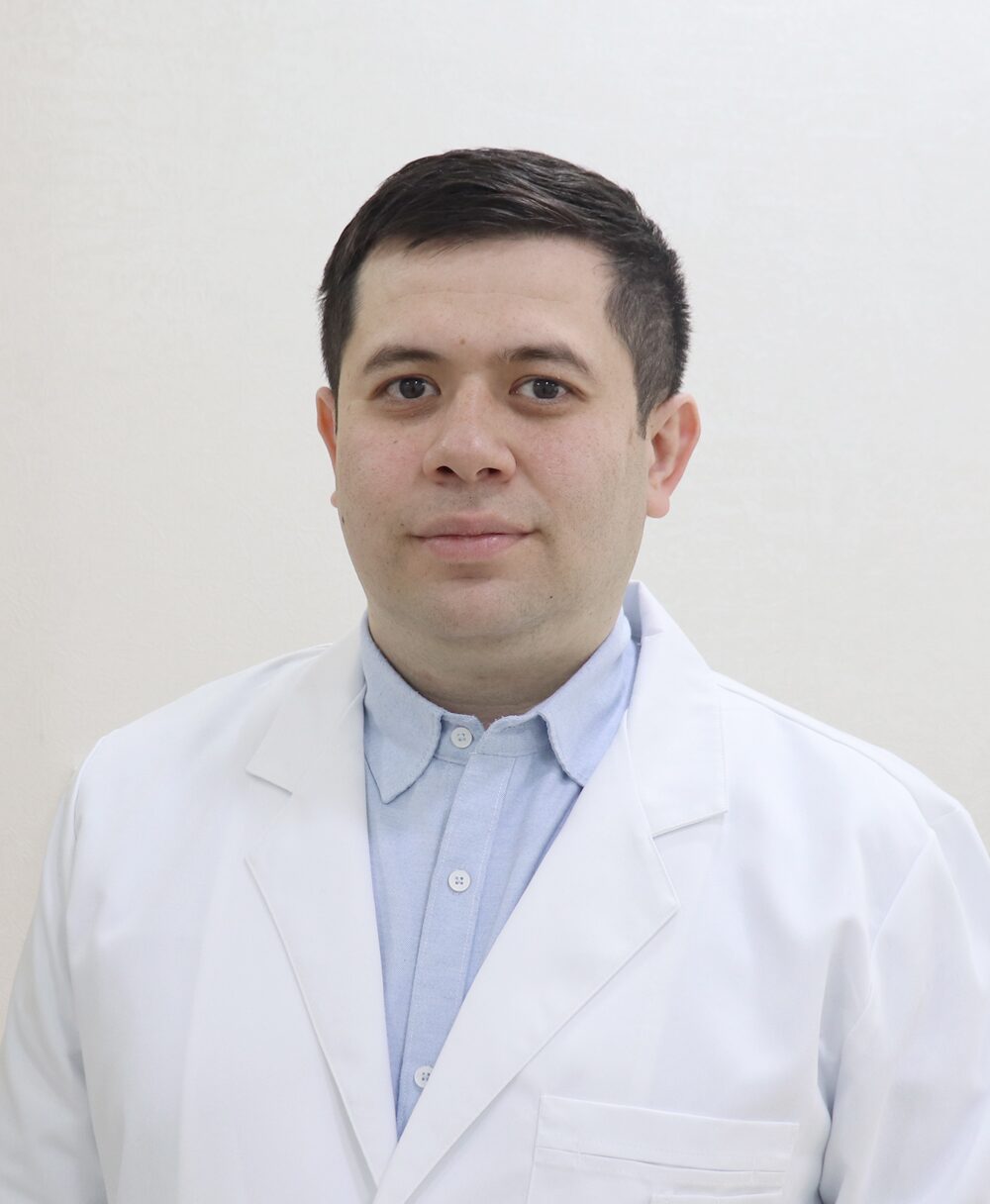
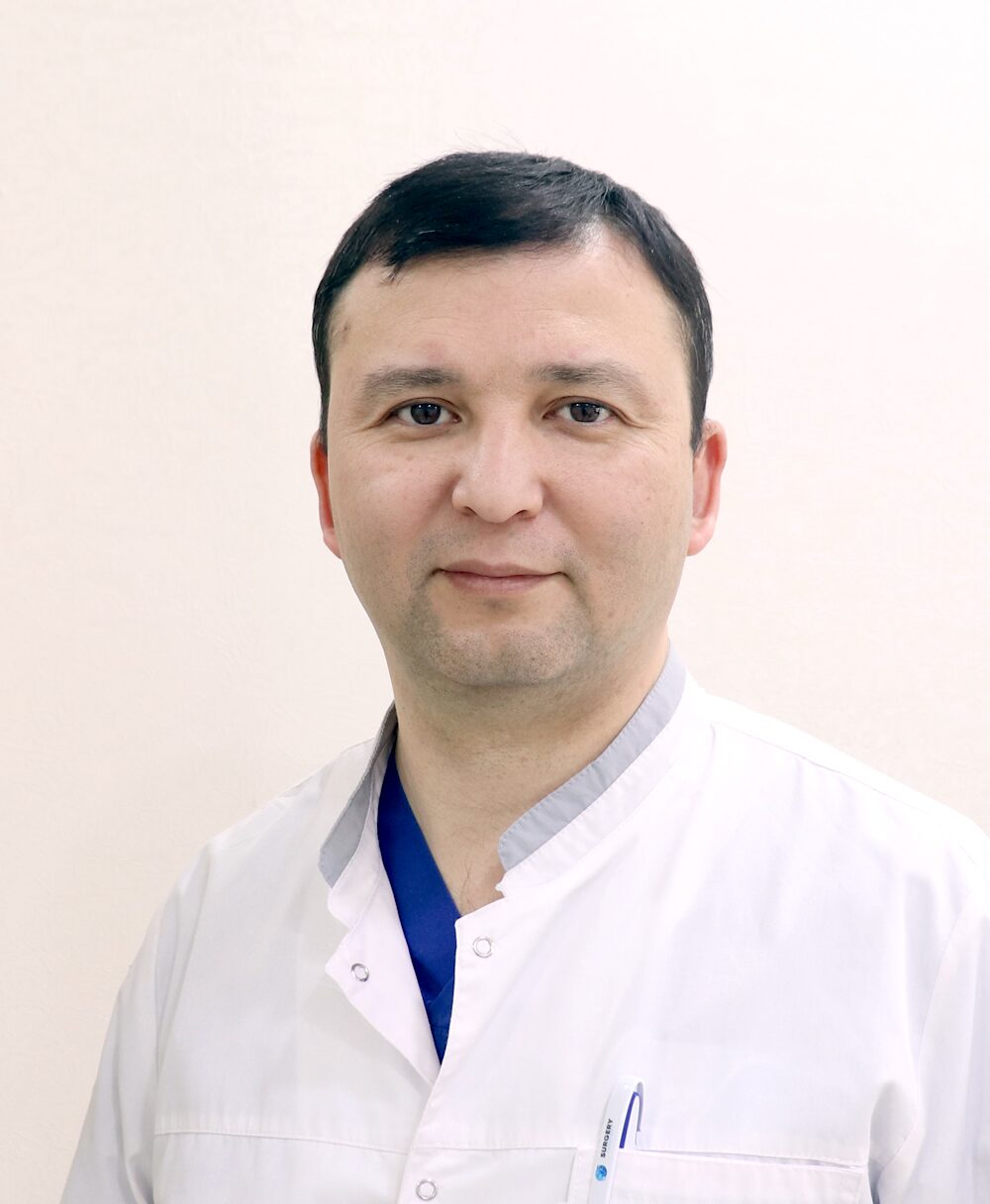
Doctors of this department
Saba Darmon Medical Center — contacts
📍 Tashkent, Nurafshon street, 7A/3
📞 +99871 210-30-30 · WhatsApp +998 95 662-30-30
✉️This email address is being protected from spambots. You need JavaScript enabled to view it.
🌐 Instagram · Telegram · Facebook · YouTube
📞 +99871 210-30-30 · WhatsApp +998 95 662-30-30
✉️
🌐 Instagram · Telegram · Facebook · YouTube