


Useful articles
Pelvic Congestion Syndrome: Pelvic Varicose Veins and Chronic Pelvic Pain
Doctor's blog
sbdrmn
Direction: Robotic surgery · All services
Pelvic congestion syndrome is one of the less talked-about causes of chronic pelvic pain in women: the veins around the ovaries and womb widen, blood pools in them, and a dull ache develops low in the abdomen that builds up towards the end of the day. Below we explain why it happens, which symptoms are typical, how it differs from endometriosis and adhesions, how the diagnosis is made and which treatments are available.
Contents
- What is pelvic congestion syndrome?
- Causes and who is most at risk
- Symptoms of pelvic varicose veins
- How it differs from endometriosis and adhesions
- When to seek urgent help
- Diagnosis: Doppler ultrasound and other tests
- Treatment for pelvic congestion syndrome
- What helps in everyday life
- Consultation and tests at Saba Darmon clinic
- Frequently asked questions
What is pelvic congestion syndrome?
Pelvic congestion syndrome means varicose veins inside the pelvis: the veins around the ovaries and womb widen and blood pools in them. In a healthy vein, valves let blood flow only towards the heart. When the valves do not close properly, blood runs backwards (this is called reflux) and the veins stretch and twist — much like varicose veins in the legs, only out of sight. The swollen veins press on nearby tissues and can cause chronic pelvic pain, meaning pain that has lasted more than six months.
One point matters a great deal: widened pelvic veins are seen on scans in many women, and most of them have no symptoms at all. So the word “varicose” in a scan report does not by itself mean disease. The diagnosis is made only when three things come together: typical symptoms, dilated veins confirmed on imaging, and other causes of pain ruled out.
Causes and who is most at risk
The condition mainly affects women of childbearing age who have had more than one pregnancy; symptoms usually settle after the menopause. Several factors play a part:
- Pregnancy. The amount of blood passing through the pelvic veins rises sharply and the veins widen; after each pregnancy they may not fully return to their previous size.
- Hormones. Oestrogen relaxes the vein wall, which is why the condition is typical before the menopause.
- Inherited weakness of the vein valves — varicose veins of the legs often run in the same family.
- Compression of a vein from outside — occasionally the left kidney vein or a vein in the pelvis is squeezed between neighbouring blood vessels, making it harder for blood to drain.
- Long hours standing or sitting and heavy lifting make symptoms worse.
Symptoms of pelvic varicose veins
The main symptom is a dull, dragging ache or a feeling of heaviness low in the abdomen. It is usually worse on one side, more often the left, and tends to build up:
- after standing or sitting for a long time, towards the end of the day;
- in the days before a period;
- during sex and especially afterwards, when the ache can last for hours;
- after lifting something heavy.
Lying down, particularly with the legs raised, eases the pain — a characteristic feature. Some women notice varicose veins on the vulva, buttocks or the upper inner thigh, and heavy legs. Needing to pass urine often, a dragging ache in the lower back and premenstrual discomfort can also occur. None of these symptoms is unique to this condition, which is why the diagnosis should not be rushed.
How it differs from endometriosis and adhesions
Chronic pelvic pain has many possible causes: endometriosis, adenomyosis, abdominal adhesions, bladder conditions and irritable bowel syndrome. It is common for two causes to exist side by side. The table below is a rough guide only and does not replace a medical assessment.
| Feature | Pelvic congestion | Endometriosis | Adhesions |
|---|---|---|---|
| Type of pain | Dull ache, heaviness | Severe, cramping or constant | Pulling, sharp with certain movements |
| When it is worse | Standing, evenings, before periods | During periods and just before them | Movement, bending, a full bowel |
| Lying down | Eases | Little change | Depends on position |
| Sex | Ache afterwards that lingers | Deep pain during sex | Sometimes deep pain |
| Background | Several pregnancies, leg or vulval varicose veins | Painful periods, difficulty conceiving | Previous surgery or pelvic infection |
| What confirms it | Doppler ultrasound, venography | Ultrasound, MRI, sometimes laparoscopy | Often visible only at laparoscopy |
When to seek urgent help
Pelvic congestion itself is not life-threatening, but pelvic pain is sometimes a sign of an emergency.
See a doctor without delay if the pain comes with a fever and unusual discharge; if your period is late or a pregnancy test is positive and you develop lower abdominal pain or bleeding; or if you have heavy bleeding outside your period. If the pain is sudden and severe, with weakness, dizziness or fainting, or if one leg becomes swollen and painful or you suddenly feel breathless with chest pain, call 103 immediately.
Diagnosis: Doppler ultrasound and other tests
Assessment starts with a conversation and an examination by a gynaecologist, who will ask when the pain is worse and about your pregnancies and any operations. The next steps are:
- Transvaginal ultrasound with Doppler — the first and most important test. The doctor measures the width of the veins and checks the direction of blood flow; the scan is sometimes done standing up or while you bear down (the Valsalva manoeuvre), because the veins empty when you lie flat. The same scan also shows cysts, fibroids and signs of adenomyosis.
- MR or CT venography — gives a fuller picture of the veins and of any point where they are compressed; a CT scan may also be used to rule out other abdominal conditions.
- Catheter venography — the most accurate test, in which contrast dye is injected directly into the vein. It is usually done only when treatment (embolisation) is planned, often during the same procedure.
- Laboratory tests — to rule out inflammation and urinary infection.
Treatment for pelvic congestion syndrome
Treatment is chosen step by step: simple measures may be enough for milder symptoms, and a procedure is discussed when pain is disrupting daily life.
| Option | What it involves | What to know |
|---|---|---|
| Pain relief | Short courses on days when the pain flares | Does not treat the cause; use as agreed with your doctor |
| Hormonal treatment | Temporarily quietens the ovaries so that the veins fill less | Prescribed by a doctor only; the benefit usually lasts while treatment continues |
| Venoactive medicines | Aim to improve the tone of the vein wall | Help some women; the evidence is limited |
| Compression shorts or tights | Support the veins from outside | Useful if you work standing; should be properly fitted |
| Ovarian vein embolisation | A fine catheter is passed through a blood vessel and the widened vein is sealed from the inside | The main minimally invasive option; carried out by an interventional radiologist |
| Surgery | Tying off the veins | Rarely, when other options are unsuitable |
Embolisation needs no cuts and is done under local anaesthetic. Most women report less pain afterwards, but results vary from person to person, and other causes of pain must be ruled out first. Your doctor will explain which option suits you once the test results are in.
What helps in everyday life
- avoid standing or sitting in one position for long — walk for a few minutes every hour;
- if you can, lie down with your legs raised for 10–15 minutes during the day;
- regular activity such as swimming, walking or cycling helps blood flow in the veins;
- avoid constipation, as straining raises the pressure in the pelvic veins;
- keep to a healthy weight and limit heavy lifting;
- keep a pain diary, noting the days of your cycle and the situations in which it is worse.
Consultation and tests at Saba Darmon clinic
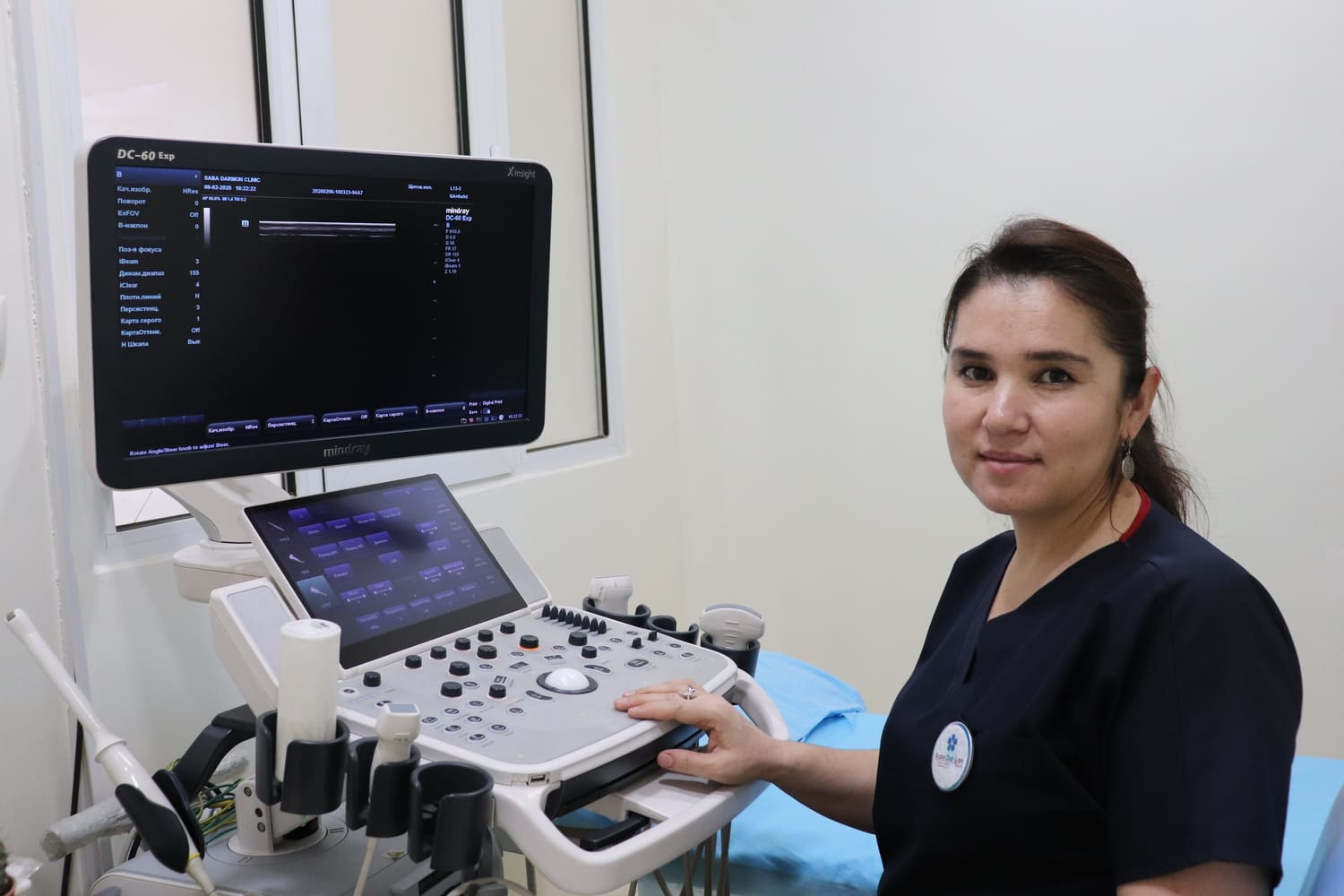
You do not have to live with chronic pelvic pain for years: in most cases a cause can be found. At Saba Darmon clinic you can see a gynaecologist and have a Doppler ultrasound scan, laboratory tests and, where needed, an MSCT scan. Based on the results, the doctor will explain the likely cause of your pain and discuss the treatment options; if embolisation is being considered, you will be referred to the appropriate specialist. Bring any previous scan reports, records of operations, a list of your medicines and your pain diary. Useful questions to ask: is my pain really coming from the veins, which other causes should be checked, which treatment suits me and what can I expect from it? You can book through our gynaecology department.
Frequently asked questions
My scan report says the pelvic veins are dilated — is that dangerous?
Usually not. Widened pelvic veins are found by chance in many women, especially after childbirth, and cause no symptoms at all. In that situation no treatment is needed. If you have had lower abdominal pain for more than six months, your doctor will first look for other causes and only then link the pain to the veins. Try not to diagnose yourself from a single phrase in a report.
Does pelvic congestion syndrome affect pregnancy?
Generally not: the condition itself does not reduce your ability to conceive. During pregnancy, however, the pelvic veins widen further, so symptoms may get worse and varicose veins may appear on the vulva. If you are planning a pregnancy, talk to your gynaecologist beforehand. The doctor will set out a follow-up plan, advise you on compression garments and lifestyle, and fit the timing of any treatment around your plans.
What is embolisation and what does it involve?
Embolisation is a minimally invasive procedure. An interventional radiologist passes a fine catheter through a blood vessel and, guided by X-ray imaging, seals the widened ovarian vein from the inside. Blood then drains through healthy veins instead. There are no cuts, local anaesthetic is enough, and women usually go home soon afterwards. Most notice less pain, although this cannot be guaranteed. If the procedure is needed, your doctor will refer you to the appropriate specialist.
Do venoactive medicines and compression shorts help?
They ease the heaviness and ache for some women, but the evidence is limited and the effect is usually modest. Compression shorts or tights are helpful if you work on your feet, and for varicose veins of the vulva and thighs. These measures do not get rid of the widened veins; they only relieve symptoms. Your doctor will choose the medicine and the type of garment, so do not take them long term on your own initiative.
Will the pain go away by itself after the menopause?
For many women, yes: after the menopause oestrogen levels fall, the veins fill less and symptoms gradually fade. But there is no need to wait for years and put up with pain, because there are ways to ease it. In addition, pelvic pain that starts or gets worse after the menopause may have nothing to do with the veins, so it always needs a gynaecological examination and an ultrasound scan.
Related reading:
Doctors for consultation
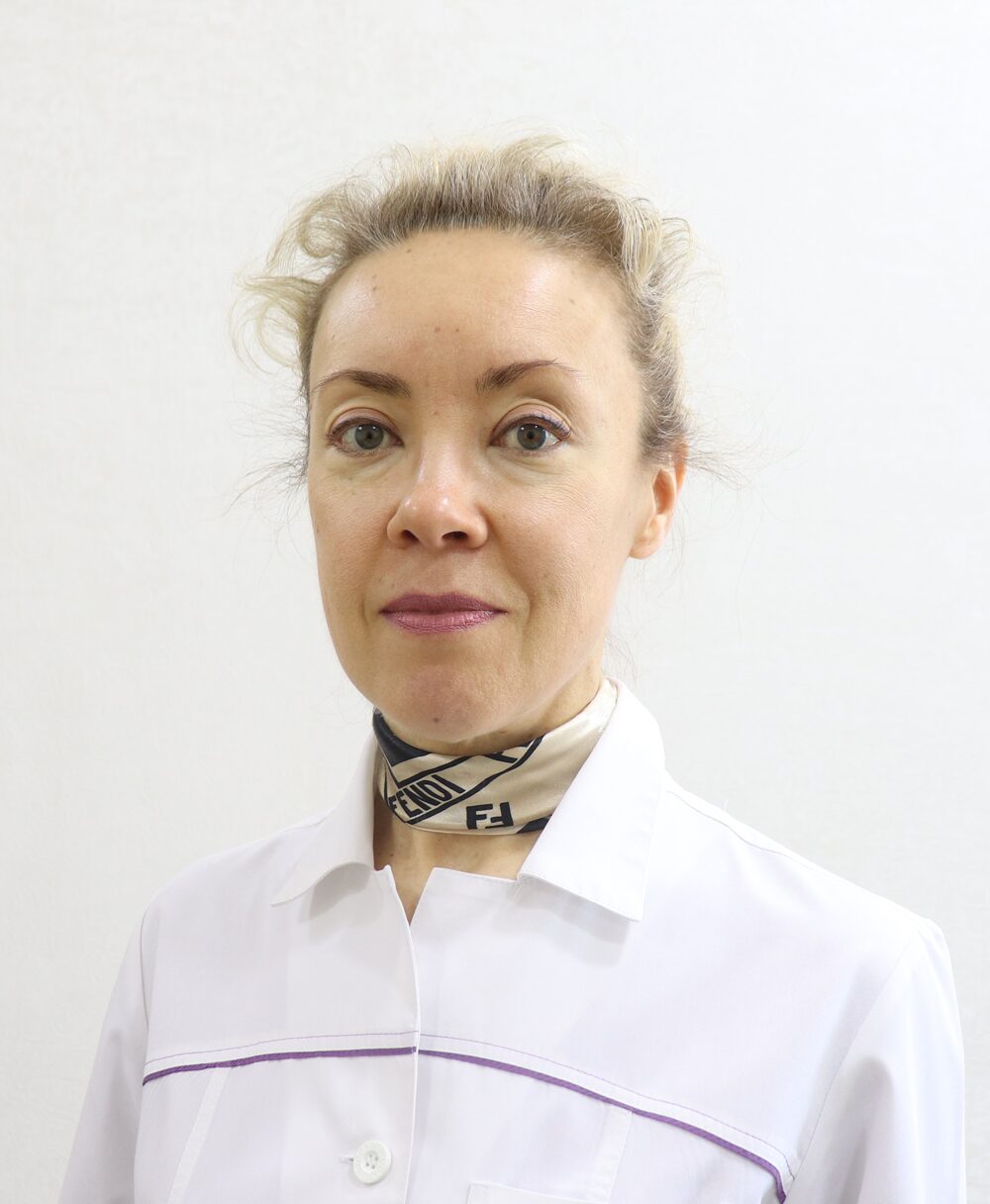
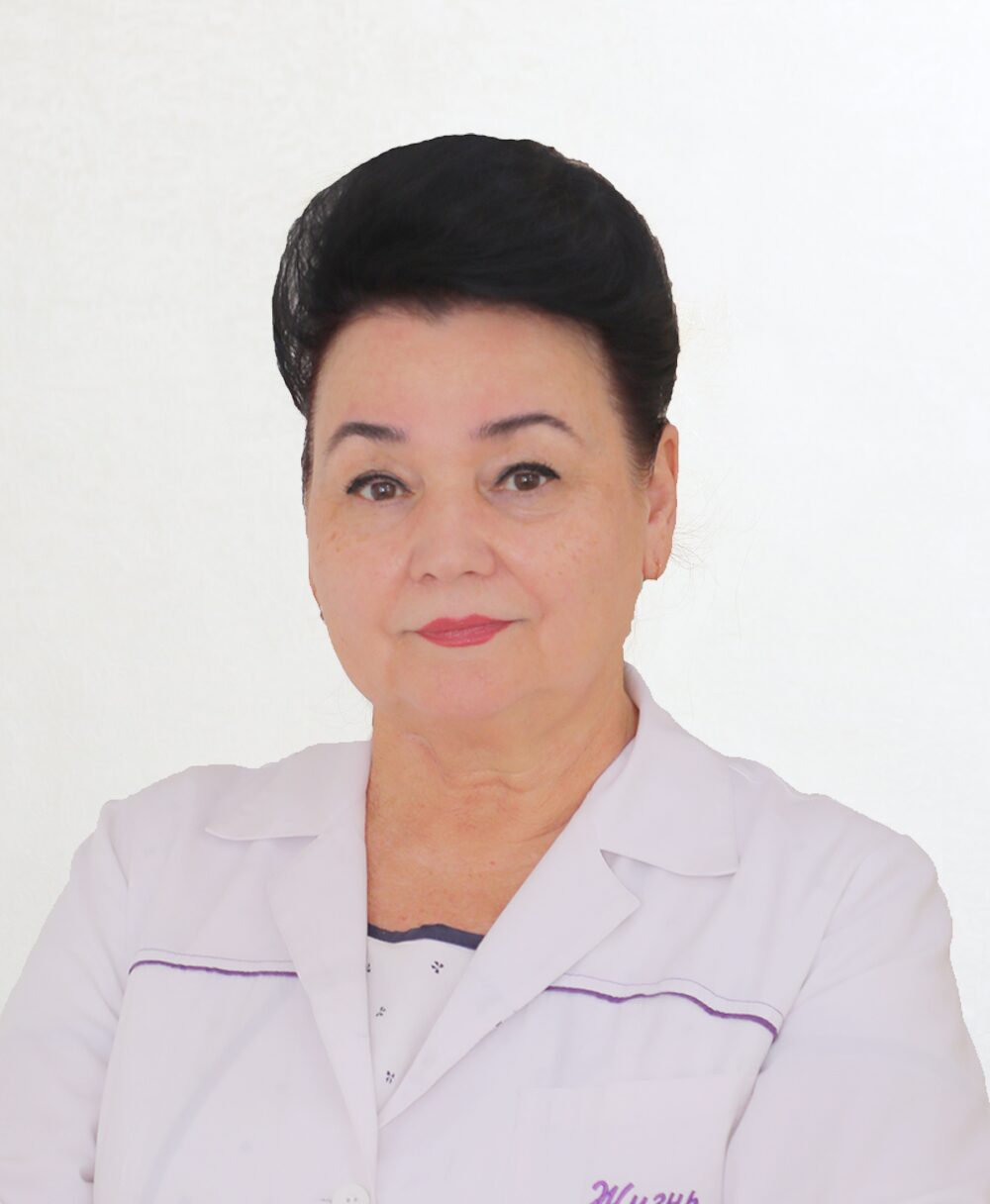
Our gynaecologists assess and treat the causes of chronic pelvic pain. Our doctors in this field:


Book an appointment with a gynaecologist
Has lower abdominal pain been going on for months? A gynaecology consultation and Doppler ultrasound will help find the cause.
Call now — +998 71 210-30-30Contacts
Address: 7A/3 Nurafshon street, Tashkent
Phone: +998 71 210-30-30 · WhatsApp: +998 95 662-30-30
Opening hours: Monday–Saturday, 09:00–18:00
E-mail: