


Useful articles
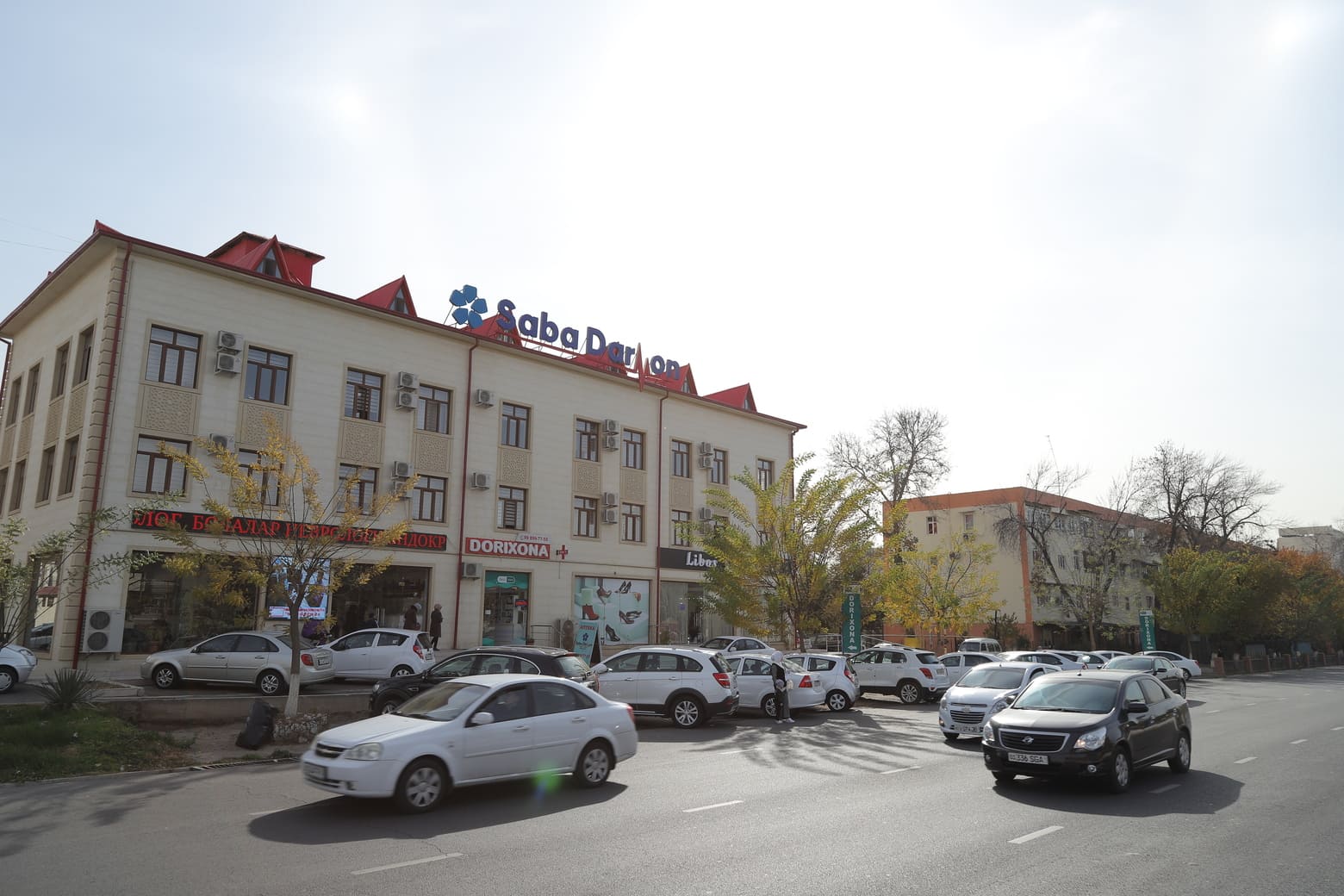
Varicose Veins: Signs and Treatment — Saba Darmon
Doctor's blog
sbdrmn
Heavy legs by evening, swelling around the ankles, night cramps — most people put this down to tiredness and standing work. Yet this is exactly how varicose disease begins, and at this stage it is easiest to treat. Visible twisted veins appear later, once the process has been running for years. Doctors at Saba Darmon Medical Center review the signs and current approaches.
Why veins dilate
Blood in the leg veins travels upward against gravity. Two mechanisms help it: the calf muscles, which act as a pump during walking, and the valves inside the veins that prevent backflow. When the valves stop closing, some blood falls back, pressure inside the vein rises, the wall stretches — and the process becomes self-sustaining.
Risk factors
- heredity — the main factor: if both parents have varicose veins, the risk is very high;
- work spent standing or sitting without movement;
- pregnancy and childbirth;
- excess weight;
- heavy lifting and straining, chronic constipation;
- hormonal medication;
- age and inactivity.
Early signs — before the veins show
- heaviness and fullness in the calves at the end of the day;
- swelling around the ankles and sock marks;
- night cramps in the calf muscles;
- burning and itching along the vein;
- spider veins and fine networks;
- relief after lying with the legs raised — a characteristic sign of a venous problem.
Stages and complications
The disease progresses gradually: from cosmetic spider veins to visible twisted veins, then to persistent swelling, darkening and thickening of the skin of the lower leg and, in advanced cases, to a venous ulcer. Thrombophlebitis stands apart — inflammation of a vein with clot formation: the vein becomes hard and painful, and the overlying skin is red and hot. This requires urgent medical attention.
Assessment
- Examination while standing — some changes are only visible under upright load.
- Duplex ultrasound of the leg veins — the core investigation. It shows which valves fail, whether there is reflux and whether clots are present. Treatment cannot be planned without it.
- Blood tests — full blood count and clotting profile, particularly before any procedure.
Modern treatment options
- Compression stockings — the basis of conservative treatment. The compression class is chosen by the doctor, and stockings are put on in the morning before getting up.
- Venotonic medication — reduces heaviness and swelling but does not remove the cause or the dilated vein.
- Sclerotherapy — injection of an agent that seals the vein; suitable for spider veins and small vessels.
- Thermal ablation (laser, radiofrequency) — the vein is closed from inside through a puncture, without large incisions; the patient goes home the same day.
- Classic surgery — for advanced change and large trunk veins.
The choice follows the duplex findings, not the marketing of a method. Techniques are often combined.
What you can do yourself
Walking and stairs engage the calf muscle pump. Swimming is the ideal form of exercise. It helps to rest with the feet raised for 15 minutes several times a day, drink enough water, keep weight in check and avoid long periods of immobility. On a long journey, move the feet and stand up every hour. Hot baths, saunas, long sun exposure and tight elastic bands around the calf all make things worse.
Frequently asked questions
Will varicose veins resolve on their own? No. A dilated vein does not regain its valves. Treatment either removes the affected segment or holds back progression.
Do creams help? They give temporary relief and do not address the cause. As a standalone treatment they are ineffective.
Can I exercise? You should. Only heavy barbell work, prolonged static lifting and high-impact jumping are limited at advanced stages.
Must compression be worn after a procedure? Yes, for the prescribed period — it directly affects the result and reduces the risk of complications.
Will varicose veins come back after treatment? A treated vein does not return, but the disease can appear in other veins. Follow-up and prevention therefore remain necessary.
At Saba Darmon Medical Center
Our centre provides surgical consultations, vascular ultrasound and laboratory testing in one place, with the plan based on duplex scan findings. Do not wait for an ulcer to form: the earlier treatment begins, the simpler and cheaper it is.
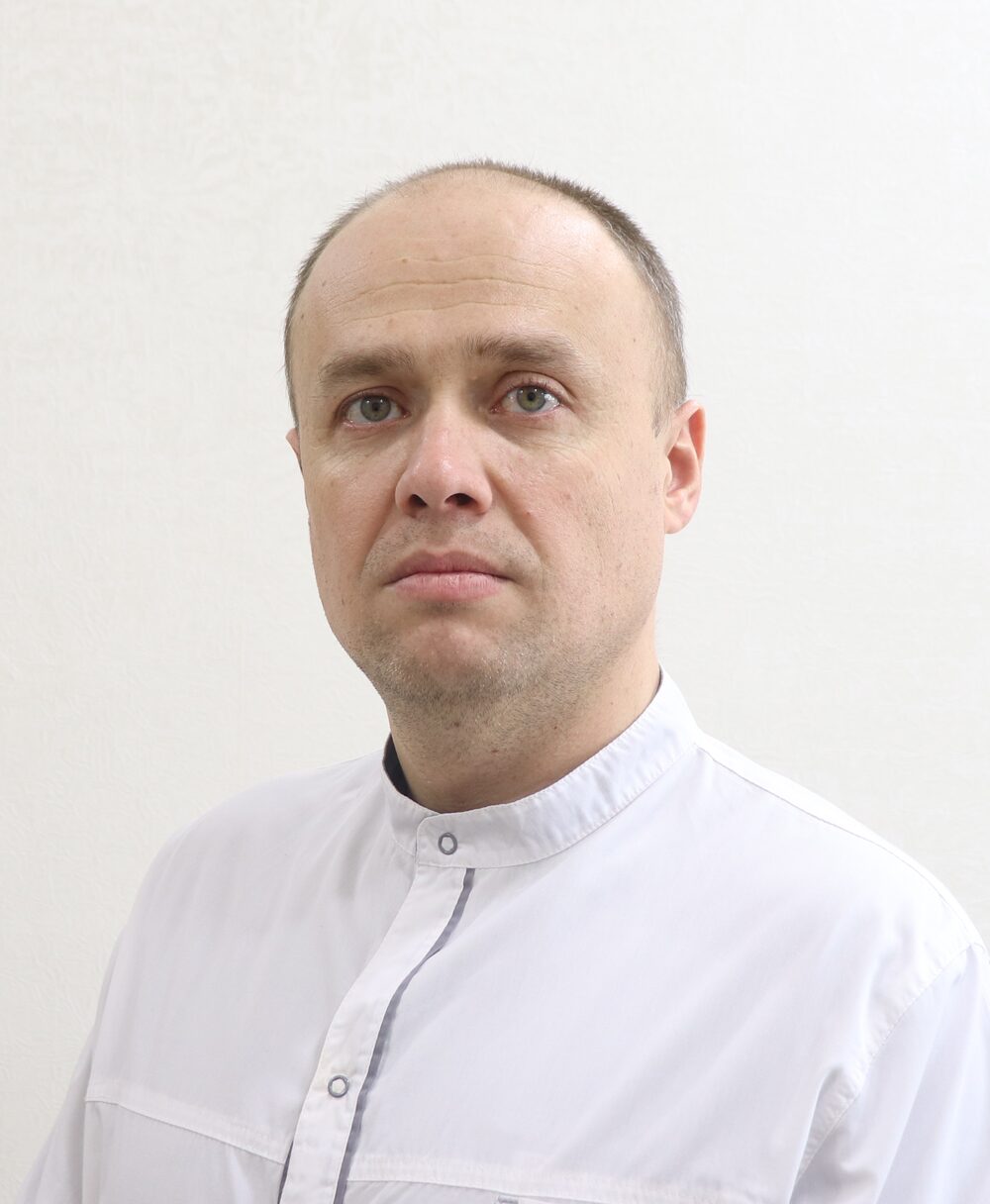
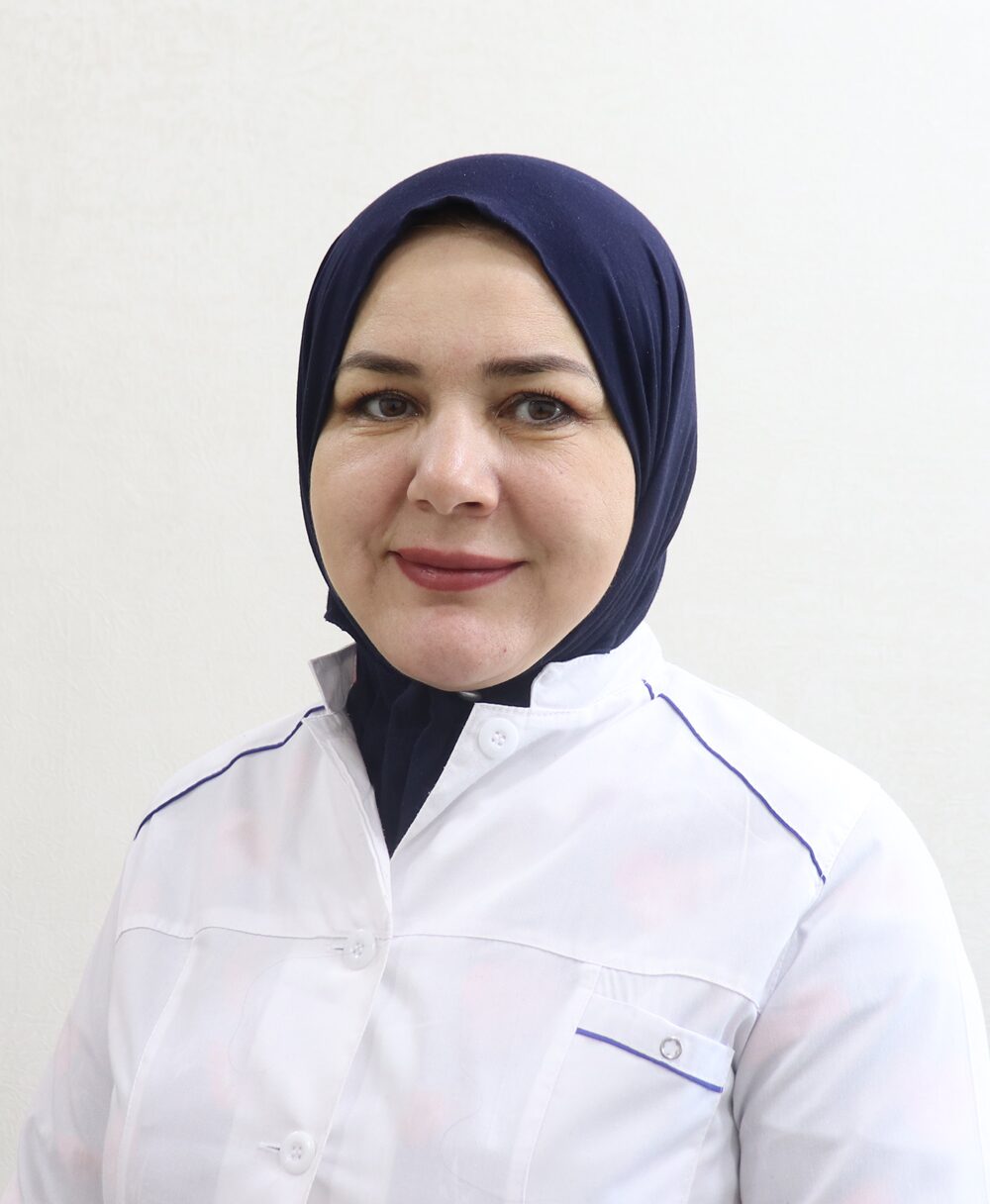
Doctors in this field
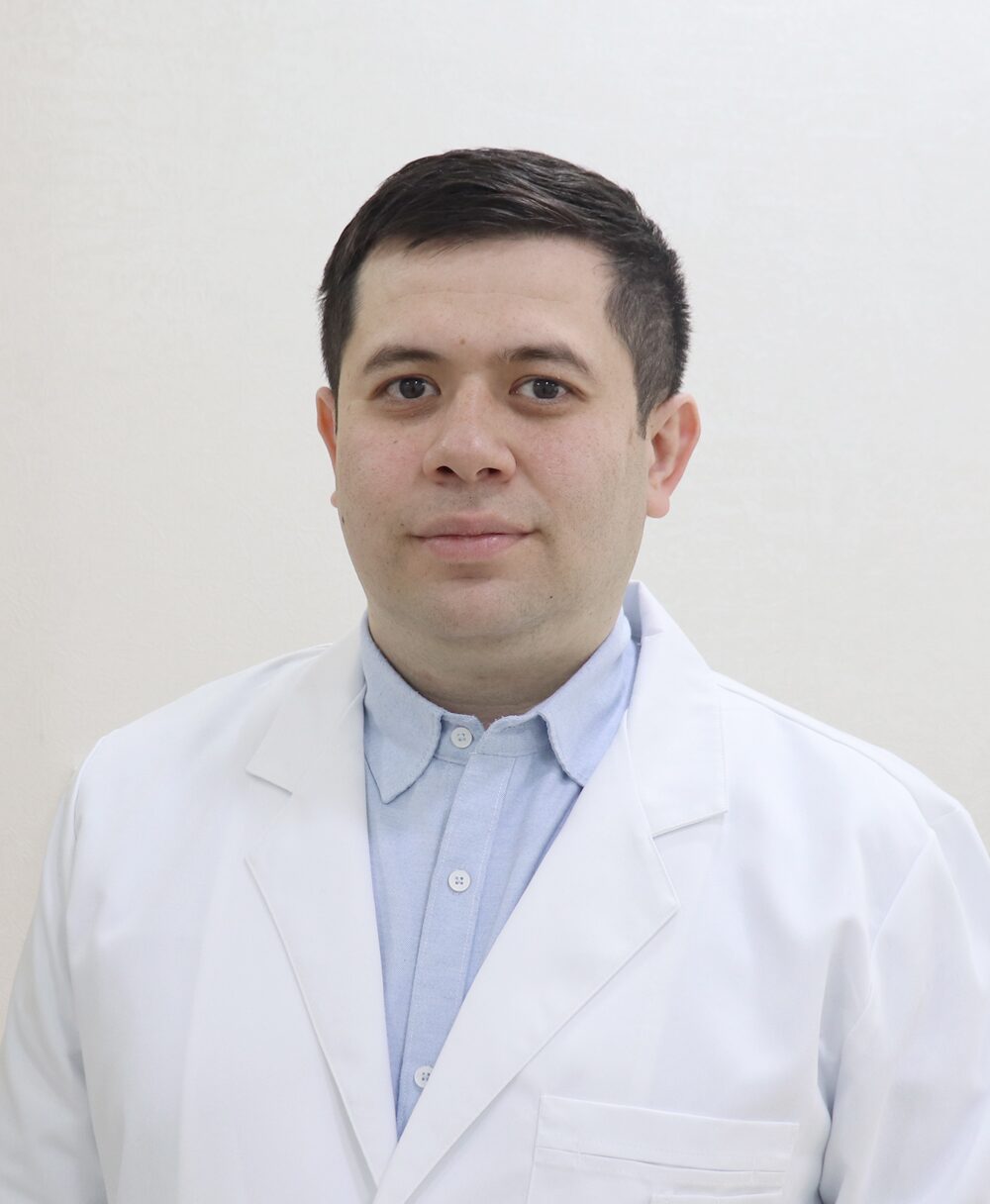
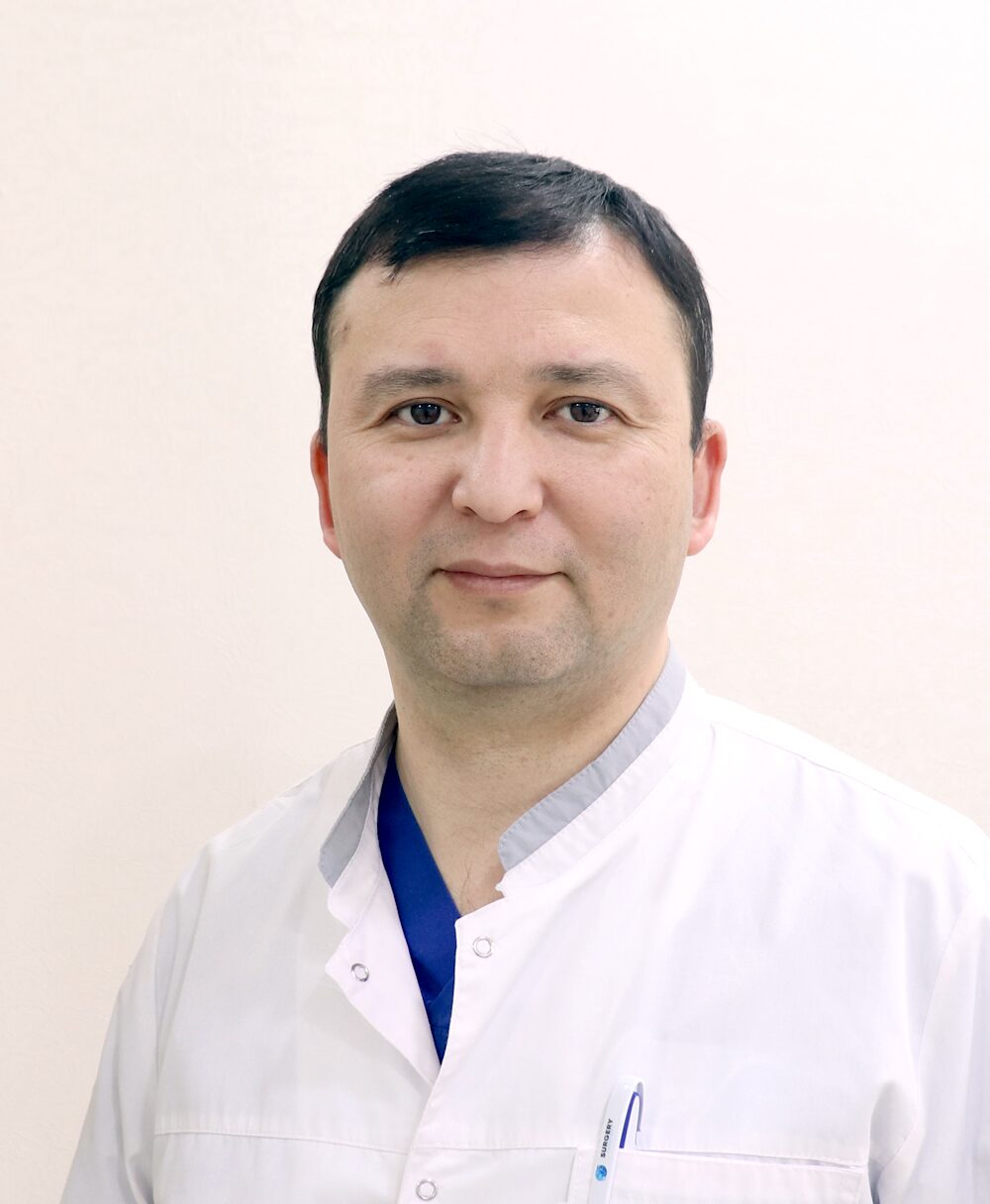
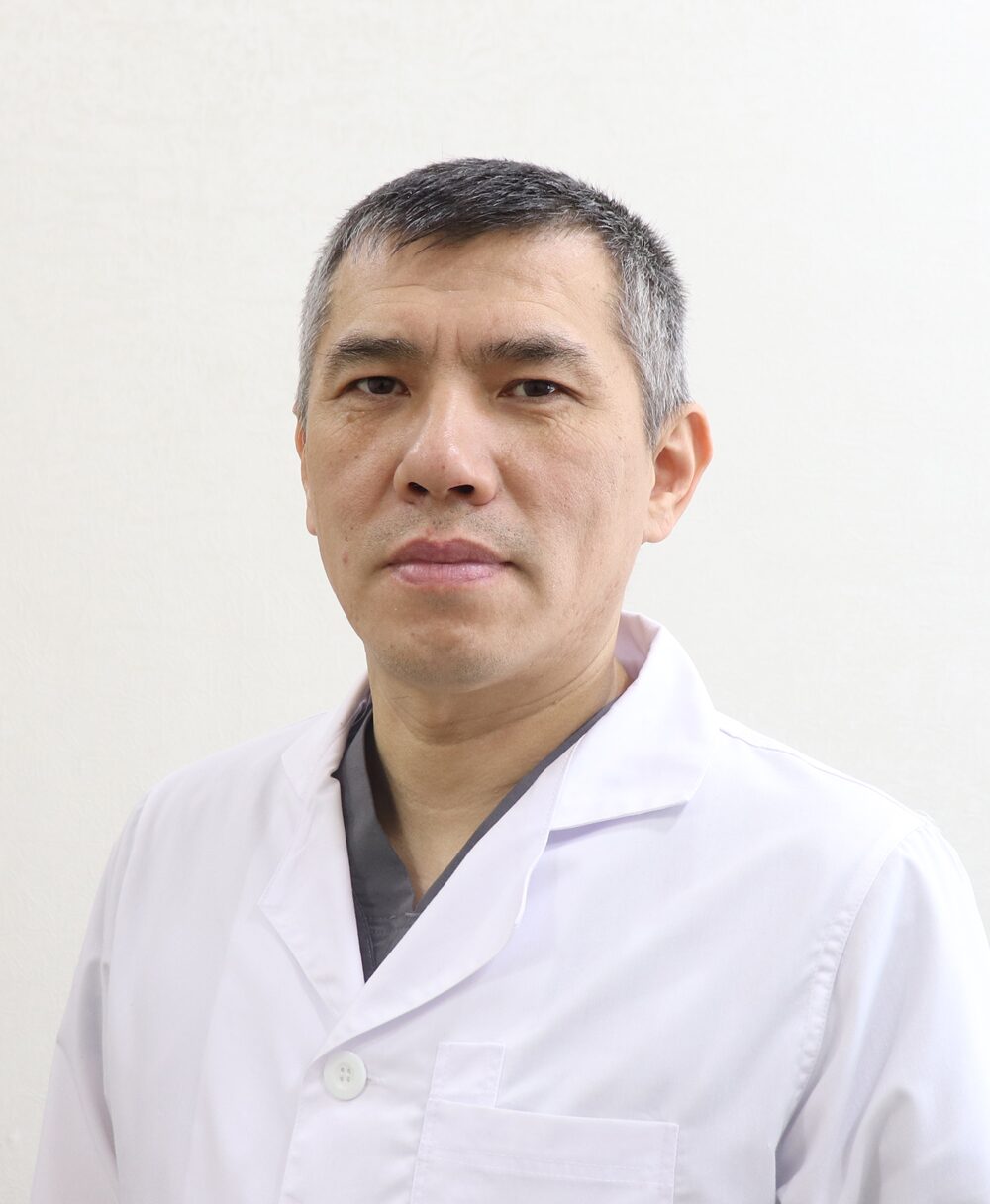
Saba Darmon Medical Center — contacts
📍 7A/3 Nurafshon street, Tashkent
📞 +99871 210-30-30 · WhatsApp +998 95 662-30-30
✉️This email address is being protected from spambots. You need JavaScript enabled to view it.
🌐 Instagram · Telegram · Facebook · YouTube
📞 +99871 210-30-30 · WhatsApp +998 95 662-30-30
✉️
🌐 Instagram · Telegram · Facebook · YouTube