


Useful articles

Hypertensive Crisis: First Aid for a Sudden Blood Pressure Spike and Warning Signs
Doctor's blog
sbdrmn
Direction: Robotic surgery · All services
A hypertensive crisis is a sudden rise in blood pressure, usually to 180/120 mmHg or higher. The key question at that moment is whether there are warning signs: if there are, an ambulance is needed at once; if not, the pressure should be brought down gradually, without haste. Below: how the two kinds of crisis differ, first aid at home, what not to do and how to prevent sudden blood pressure spikes.
Contents
- What is a hypertensive crisis and which readings are dangerous
- Why blood pressure spikes suddenly: causes
- Hypertensive emergency or urgency: the key difference
- Warning signs: when to call 103 straight away
- First aid for a blood pressure spike: what to do at home
- What not to do: why lowering pressure too fast is risky
- Tests after a crisis: what the doctor looks for
- How to prevent a hypertensive crisis
- Seeing a cardiologist at Saba Darmon clinic
- Frequently asked questions
What is a hypertensive crisis and which readings are dangerous
A hypertensive crisis is a sharp rise in blood pressure to very high levels — usually 180/120 mmHg or above. For a doctor, however, the number matters less than whether there are signs that the pressure is damaging organs: the brain, heart, kidneys or eyes. The same reading can be life-threatening in one person and, in another, a situation that needs to be taken seriously but not rushed. So when you see a high number on the monitor, the first thing to check is how you feel. A crisis usually happens in people already known to have high blood pressure, but sometimes it is the first sign of it.
Why blood pressure spikes suddenly: causes
- Missed or stopped medicines — the most common cause. Stopping some medicines abruptly can push the pressure higher than before.
- Too much salt and fluid: salty food, pickles, a festive meal.
- Medicines and products that raise blood pressure: non-steroidal anti-inflammatory painkillers, decongestants for a blocked nose, some hormonal preparations, energy drinks.
- Alcohol, lack of sleep, severe stress.
- Pain and anxiety: severe pain or a panic attack raises the pressure for a while — sometimes called a “pseudo-crisis”; it settles once the cause is dealt with.
- Other conditions: chronic kidney disease, narrowed kidney arteries, adrenal and thyroid disorders, sleep apnoea.
- Pregnancy — a rise in the second half needs particular attention.
Hypertensive emergency or urgency: the key difference
Sudden spikes fall into two groups, and what to do is completely different. In a hypertensive emergency, organs are being acutely damaged: stroke, heart attack, acute heart failure with fluid in the lungs, or a tear in the aorta. In hypertensive urgency — severe high blood pressure without symptoms — the numbers are high but none of these signs is present.
| Hypertensive emergency | Severe high blood pressure without organ damage | |
|---|---|---|
| Signs | Chest pain, breathlessness, severe headache with confusion or loss of vision, weakness in an arm or leg, speech problems, seizure | None or mild: a heavy head, flushed face, restlessness, slight dizziness |
| What to do | Call 103 immediately | Rest, re-measure, take your usual medicine |
| Where it is treated | In hospital, with continuous monitoring | At home; see a doctor within 1–2 days |
| How pressure is lowered | In a controlled, stepwise way with medicines given into a vein | Gradually, over hours and days, with tablets |
Warning signs: when to call 103 straight away
The symptoms below mean that high pressure has started to harm organs. Do not lose time trying to bring it down at home.
Call 103 immediately if high blood pressure comes with: squeezing or burning chest pain; breathlessness at rest or when lying flat; a very severe headache with confusion, drowsiness or vomiting; sudden loss or blurring of vision; drooping of the face, weakness in an arm or leg, or slurred speech; a seizure or loss of consciousness; or sudden tearing pain in the chest or between the shoulder blades. A pregnant woman also needs urgent help if high blood pressure comes with a headache, flashing lights or spots before the eyes, or pain in the upper tummy.
Stroke signs are described in our article on transient ischaemic attack (TIA). While waiting for the ambulance, sit the person upright with support, let in fresh air, have a list of their medicines ready and follow the dispatcher’s instructions.

First aid for a blood pressure spike: what to do at home
If none of the warning signs is present, do not rush — panic pushes the pressure up further.
- Sit down and calm yourself. Use a chair with a back, keep your legs uncrossed and breathe slowly. Put the phone away and turn the television off.
- Re-measure properly after 10–15 minutes. The cuff should fit your upper arm and sit at heart level; do not talk during the reading. The second result is often noticeably lower.
- Take your usual medicine if you missed it. If your doctor has prescribed a specific medicine for episodes like this, take it exactly as instructed.
- Deal with pain or anxiety if present — both keep the pressure up.
- Watch for an hour or two and write the readings down.
- See a doctor within 1–2 days, even if the pressure has come down: your treatment needs reviewing.
If the pressure does not fall or new symptoms appear, seek medical help without waiting.
What not to do: why lowering pressure too fast is risky
The body, and especially the blood vessels of the brain, adapts to high pressure. If it is brought down too quickly, the brain, heart and kidneys may not get enough blood, which can cause a stroke or strain the heart; signs of an excessive drop are described in our article on low blood pressure. When there are no symptoms, the aim is a smooth return towards your usual readings over hours and days.
| Avoid | Do instead |
|---|---|
| Taking extra doses of several medicines at once | Take only the medicine prescribed for you, as instructed |
| Using a neighbour’s or relative’s tablets | Contact your doctor if you have run out |
| Measuring every five minutes and panicking | Rest for 10–15 minutes, then re-measure |
| Alcohol or sedatives on your own initiative | Rest in a quiet, cool room |
| Skipping the doctor because the pressure came down | Have a check-up within 1–2 days |
Tests after a crisis: what the doctor looks for
At the appointment the doctor works out why the pressure rose, whether any organ has been affected and whether your treatment is adequate. This usually involves an ECG and blood and urine tests (kidney function, electrolytes, glucose), with an echocardiogram and kidney ultrasound if needed. If crises recur, or pressure stays high despite three or more medicines, the doctor looks for secondary causes: kidney disease, hormonal disorders, sleep apnoea. When home readings and clinic readings disagree, 24-hour blood pressure monitoring helps, as it also shows night-time and early-morning pressure.
How to prevent a hypertensive crisis
- Take your medicines every day, including when your readings are normal; only your doctor should change or stop them.
- Measure your blood pressure at home regularly, keep a diary and bring it to appointments.
- Cut down on salt: processed foods, sausages, pickles and salty snacks are the main sources.
- Tell the doctor or pharmacist about your blood pressure when choosing a painkiller or cold remedy.
- Keep to a healthy weight, be active every day, limit alcohol and do not smoke.
- If you snore and feel sleepy in the daytime, get checked for sleep apnoea.
- Keep an eye on other cardiovascular risk factors too — blood sugar and cholesterol.
Seeing a cardiologist at Saba Darmon clinic
At Saba Darmon Medical Center, cardiologists see patients with high blood pressure. ECG, echocardiography, laboratory tests, kidney ultrasound and 24-hour blood pressure monitoring are available on site, with inpatient observation when needed. Bring your blood pressure diary, a list of everything you take (including painkillers and supplements) and previous test results; if you can, bring your home monitor too, so the doctor can check that it reads accurately. Ask what your target blood pressure is, exactly what to do when it rises, and which symptoms mean you should call 103. Appointments are made through the cardiology department.
Frequently asked questions
My blood pressure is 180/120 — should I call an ambulance straight away?
It depends on your symptoms. If the high reading comes with chest pain, breathlessness, a severe headache with confusion, loss of vision, weakness in an arm or leg, or slurred speech, call 103 immediately. If none of these is present, sit quietly, re-measure after 10–15 minutes and take your usual medicine. If the pressure does not fall or you feel worse, seek medical help; in any case, see a doctor within one to two days.
How quickly should blood pressure be lowered in a hypertensive crisis?
When there are no symptoms, it should not be brought down quickly — doing so can be harmful, because a sudden drop may leave the brain and heart short of blood. The aim is a gradual return towards your usual level over hours and days. In a hypertensive emergency with signs of organ damage, pressure is lowered in hospital, step by step, with medicines given into a vein under continuous monitoring. This cannot be done safely at home.
Can I take an extra tablet during a spike?
Only a medicine your doctor has prescribed for exactly this situation, taken as instructed. It is fine to take your usual medicine if you missed it. Taking extra doses of several medicines at once, or using someone else’s tablets, is risky: your pressure may fall too far and side effects are possible. If you do not have a clear plan for such episodes, ask your cardiologist to write one with you at your next visit.
My blood pressure rose because of stress or panic — is that a crisis too?
Severe stress, pain or a panic attack can raise blood pressure considerably for a short time; this is sometimes called a pseudo-crisis. It usually settles on its own once the cause has been dealt with and you have calmed down, and no emergency medicine is needed. If such episodes keep happening, though, see a cardiologist, as you may have undiagnosed hypertension. A home blood pressure diary and 24-hour monitoring help to find out.
What tests are needed after a hypertensive crisis?
The doctor will usually arrange an ECG and blood and urine tests (kidney function, electrolytes, glucose), adding an echocardiogram and kidney ultrasound if needed. If crises recur, 24-hour blood pressure monitoring and a search for secondary causes of hypertension are recommended. Your treatment is reviewed at the appointment, and a personal action plan is agreed for any future spike. The exact set of tests is decided after the doctor has examined you.
Related reading:
Doctors for consultation
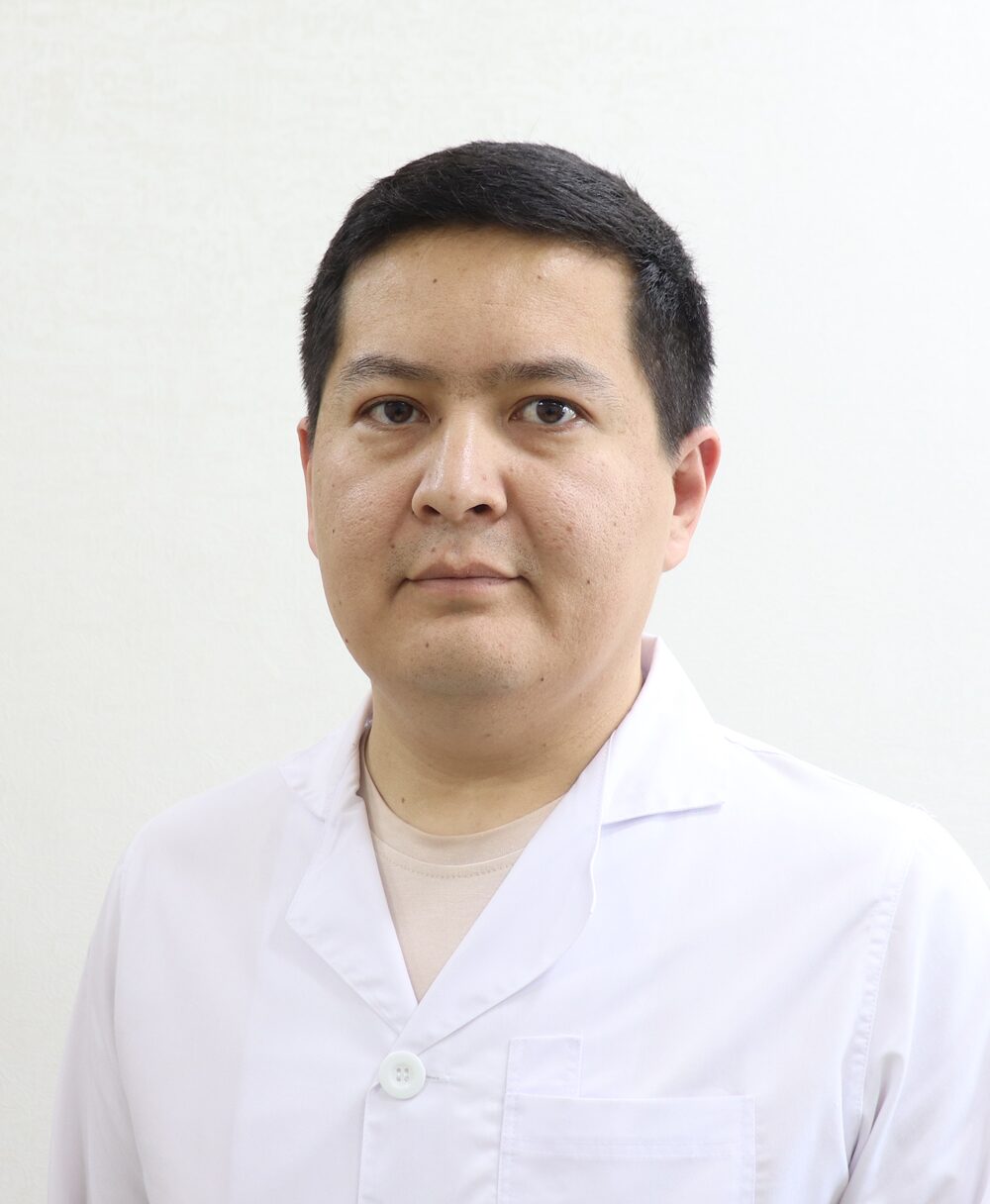
High blood pressure is assessed and treated by our cardiologists. Our doctors in this field:


Book an appointment with a cardiologist
Does your blood pressure often spike? A cardiology consultation will help find the cause, adjust your treatment and agree a personal action plan.
Call now — +998 71 210-30-30Contacts
Address: 7A/3 Nurafshon street, Tashkent
Phone: +998 71 210-30-30 · WhatsApp: +998 95 662-30-30
Opening hours: Monday–Saturday, 09:00–18:00
E-mail: