


Useful articles

Chronic Heart Failure: Symptoms, Diagnosis and Long-Term Control — Saba Darmon Medical Center, Tashkent
Doctor's blog
sbdrmn
Chronic heart failure is not a separate disease but a condition in which the heart can no longer supply the organs with enough blood. It usually develops gradually, over years, so the first signs are often blamed on tiredness or age. The cardiologists of Saba Darmon Medical Center explain what to look out for and how the condition can be kept under control.
What heart failure means
A healthy heart works like a pump, pushing blood out with sufficient force. When the heart muscle weakens, or when its walls become stiff and relax poorly, less blood reaches the organs while fluid builds up in the lungs and legs. This is what is called chronic heart failure.
It is important to understand that the diagnosis is not a sentence. With well-chosen treatment and regular follow-up, many patients stay active for years.
The main causes
- long-standing, poorly controlled high blood pressure;
- coronary heart disease and a previous heart attack;
- rhythm disorders, particularly atrial fibrillation;
- heart valve disease;
- diseases of the heart muscle (cardiomyopathies) and previous myocarditis;
- diabetes and thyroid disorders;
- obesity, smoking and alcohol misuse;
- chronic lung and kidney disease.
Symptoms to watch for
- breathlessness on exertion and, later, even at rest;
- shortness of breath when lying flat, so that you need to sleep on a high pillow;
- waking at night with a feeling of suffocation;
- swelling of the feet and ankles that gets worse towards the evening;
- rapid tiredness, weakness and reduced tolerance of everyday activity;
- gaining 2–3 kg within a few days, which signals fluid retention;
- a dry cough, especially at night;
- a fast or irregular heartbeat and dizziness.
All the symptoms rarely appear together. Still, breathlessness combined with swollen legs is a clear reason not to postpone a cardiology appointment.
How severity is assessed
Doctors describe severity in functional classes, based on how much activity a person can tolerate: from breathlessness only on significant exertion, through symptoms during ordinary activity such as climbing stairs, to discomfort that persists even at rest. This assessment guides the choice of treatment and shows whether it is working, so it is worth telling your cardiologist precisely how far you can walk before becoming breathless — that information matters as much as the test results. Keeping a short diary of weight, blood pressure and exercise tolerance makes changes easy to spot in time.
How the assessment is carried out
The diagnosis is never based on a single test: the cardiologist evaluates the structure of the heart, the way it works, and your general health.
- a cardiology consultation with examination and blood pressure measurement;
- an ECG to assess rhythm and conduction;
- echocardiography (heart ultrasound) — the key method for seeing the heart chambers, valves and pumping function;
- laboratory tests: full blood count, kidney function, electrolytes, glucose, cholesterol and thyroid hormones;
- when indicated, Holter monitoring, 24-hour blood pressure monitoring and a chest X-ray;
- if necessary, exercise testing and consultations with related specialists.
Daily control and lifestyle
In heart failure the patient is an active participant in treatment:
- weigh yourself every morning under the same conditions and write the result down;
- reduce table salt — the simplest way to lessen swelling;
- follow the fluid intake advised by your doctor;
- measure and record your blood pressure and pulse regularly;
- stop smoking completely and avoid alcohol;
- walk every day within the limits your doctor allows;
- reduce excess weight gradually;
- never stop your medication or change the dose on your own: feeling better is not a reason to end treatment.
If breathlessness suddenly worsens, your weight rises quickly over a few days, or chest pain appears, seek medical help immediately.
At Saba Darmon Medical Center
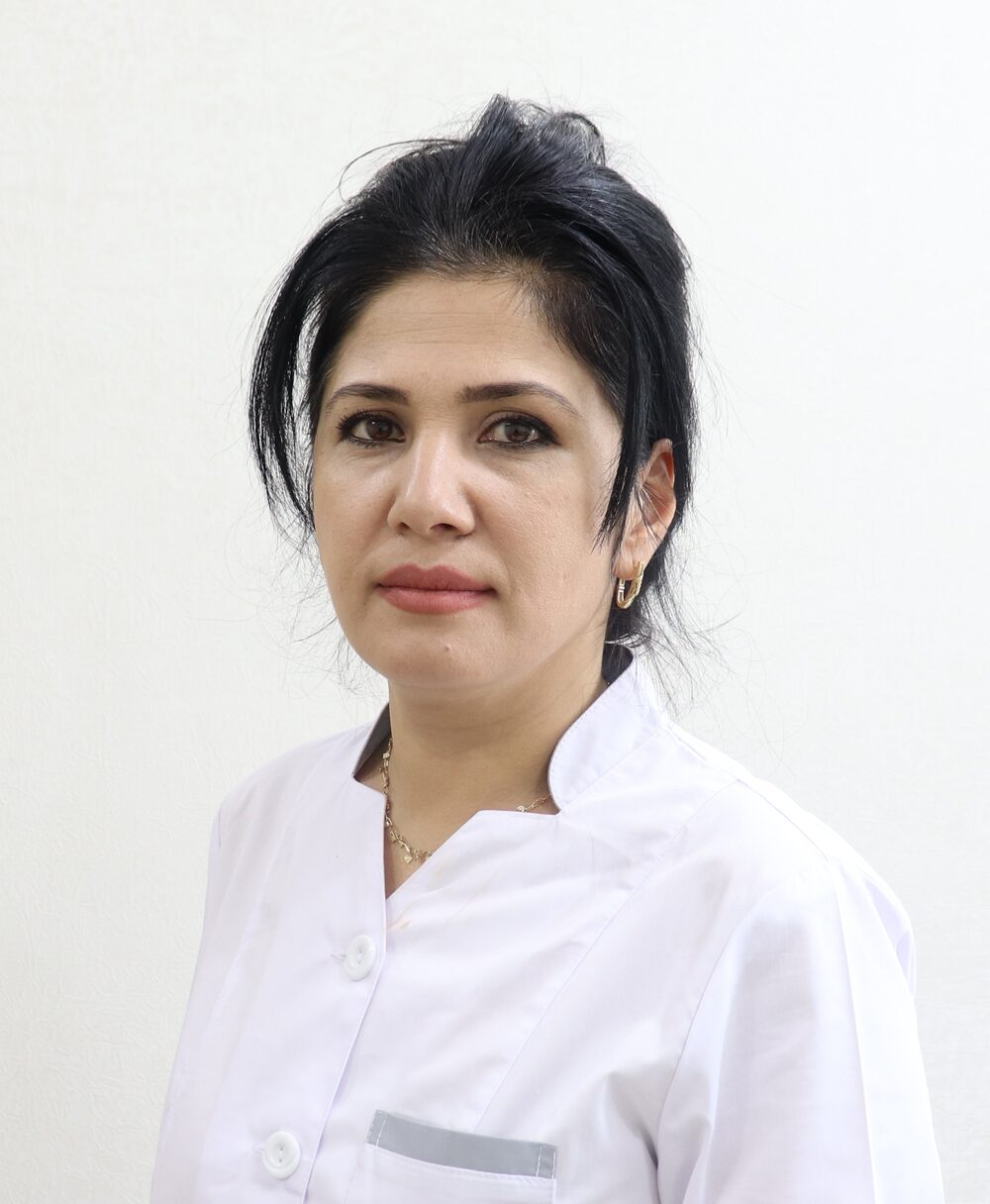
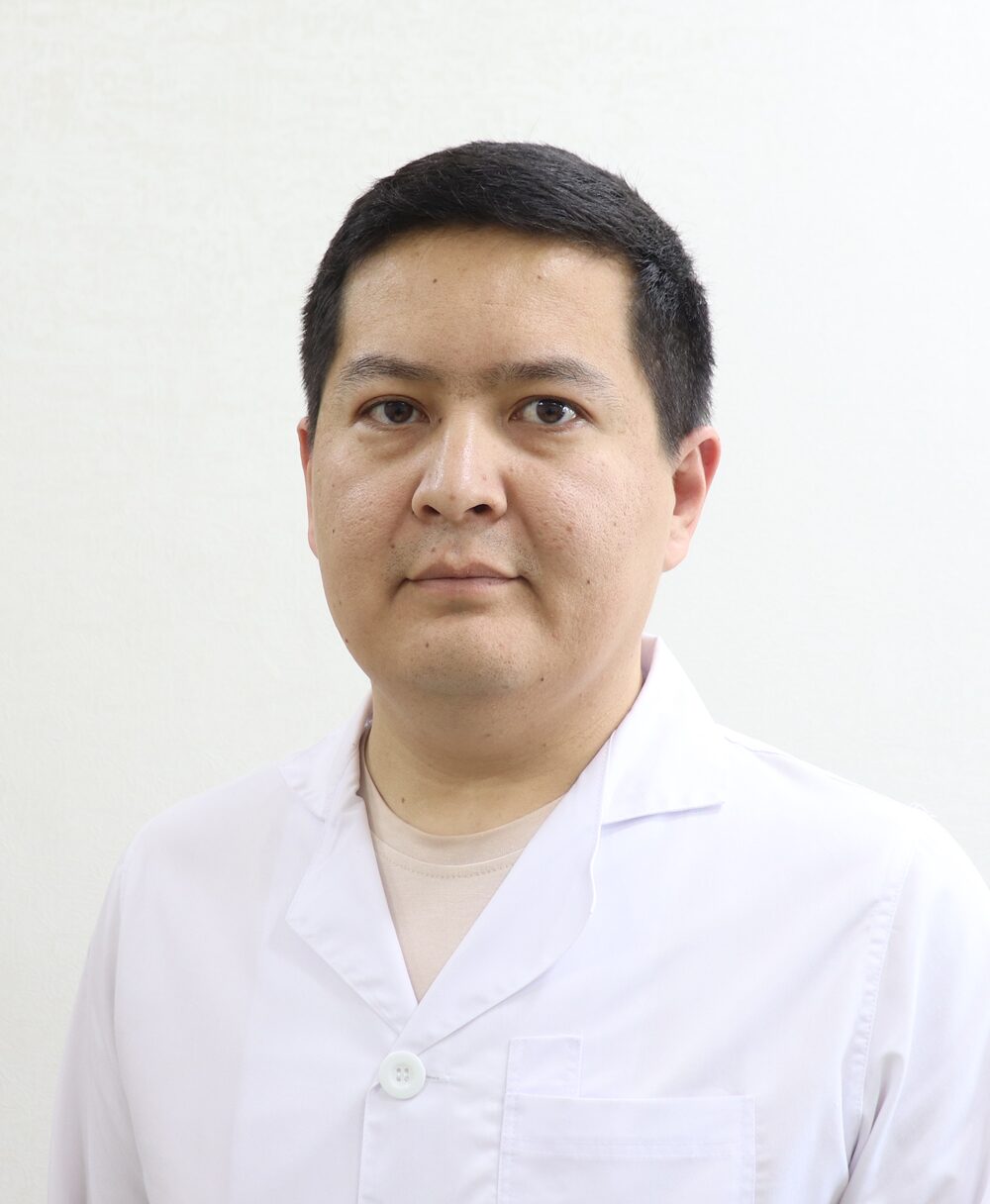
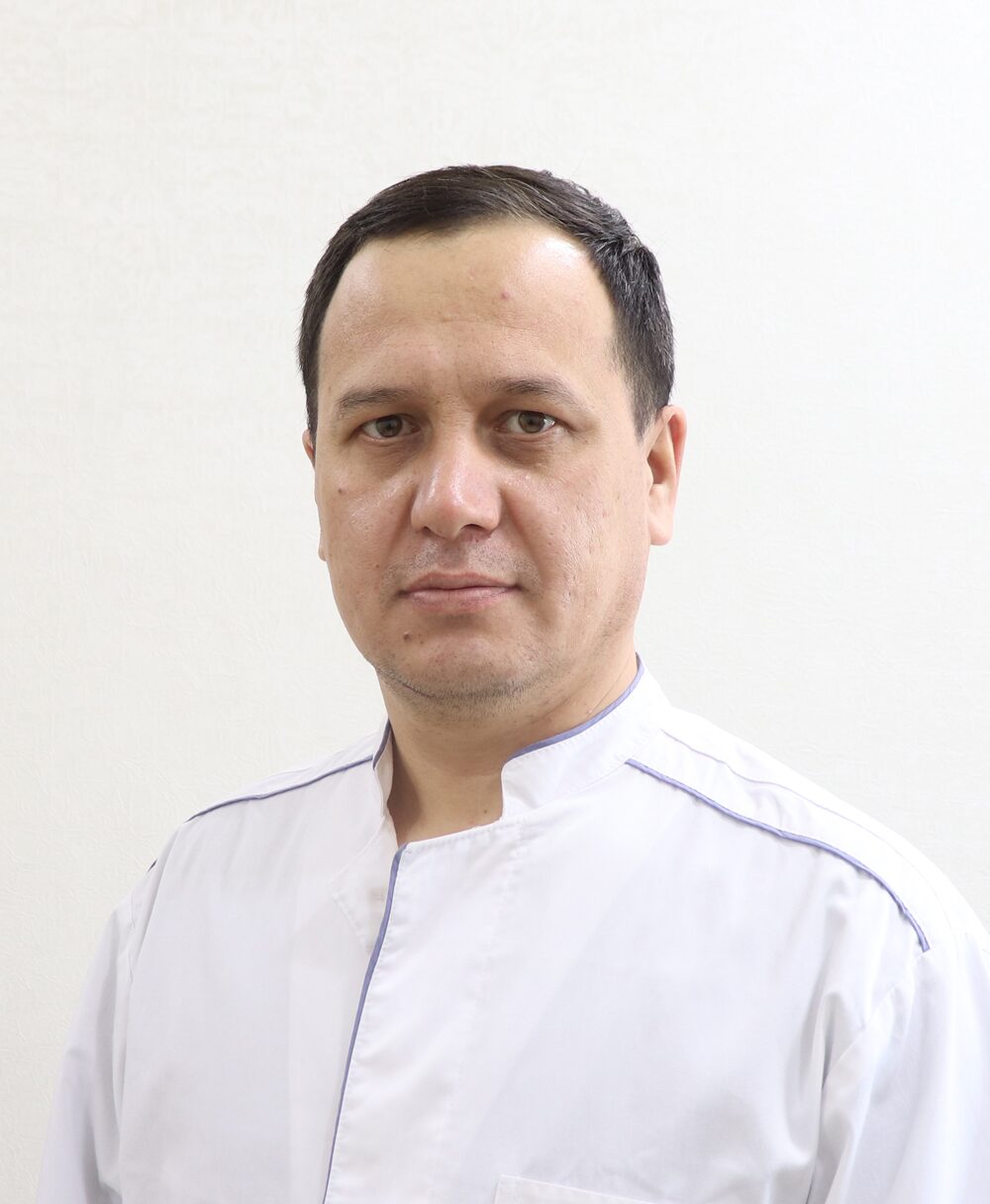
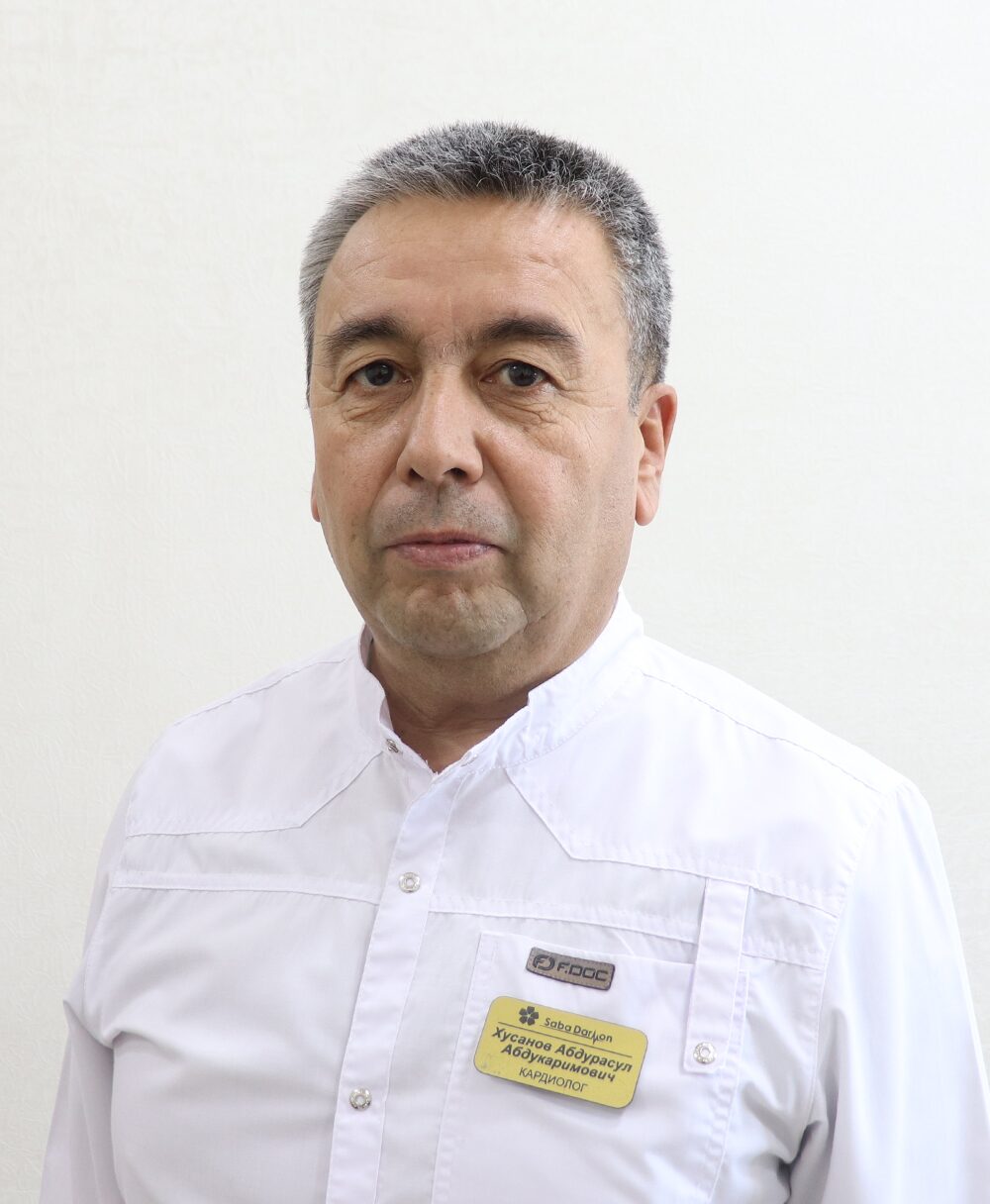
Our clinic has a team of cardiologists, and ECG, echocardiography and laboratory tests are performed in one place, which speeds up both diagnosis and the start of treatment. If breathlessness, swollen legs or unusual tiredness are troubling you, do not simply put them down to age. You can book an appointment with a cardiologist by phone or through the online form on our website.
Doctors of this department
Saba Darmon Medical Center — contacts
📍 Tashkent, Nurafshon street, 7A/3
📞 +99871 210-30-30 · WhatsApp +998 95 662-30-30
✉️This email address is being protected from spambots. You need JavaScript enabled to view it.
🌐 Instagram · Telegram · Facebook · YouTube
📞 +99871 210-30-30 · WhatsApp +998 95 662-30-30
✉️
🌐 Instagram · Telegram · Facebook · YouTube