


Useful articles

Hypotension — Low Blood Pressure: Causes and Helpful Tips — Saba Darmon, Tashkent
Doctor's blog
sbdrmn
High blood pressure gets much attention, but low blood pressure — hypotension — can also seriously reduce quality of life: constant weakness, dizziness and darkening vision are familiar to many. The cardiologists of Saba Darmon Medical Center explain when low blood pressure is normal and when it needs to be investigated.
What hypotension is
In adults, blood pressure below 90/60 mmHg is considered hypotension. What matters is not the number itself but the condition: some people, especially young women and athletes, feel excellent with low blood pressure. That is physiological hypotension and needs no treatment. But if low pressure comes with complaints, or previously normal pressure has started to drop, the cause should be found.
Typical symptoms
- weakness, rapid fatigue, drowsiness;
- dizziness and darkening vision when standing up quickly;
- headache, difficulty concentrating;
- palpitations, cold hands and feet;
- feeling worse in stuffy rooms, in transport, when hungry;
- in severe cases — fainting.
Main causes of low blood pressure
- orthostatic hypotension — a drop in pressure when standing up quickly from lying or sitting;
- anemia — low blood hemoglobin;
- fluid deficiency: not drinking enough, heat, diarrhea, vomiting;
- endocrine causes — reduced thyroid function, adrenal gland disorders;
- cardiac causes — arrhythmias, heart failure, valve defects;
- medication effects — an excessive dose of antihypertensive drugs, some sedatives;
- prolonged bed rest, underweight, disturbed sleep and eating patterns.
When hypotension is a warning sign
Do not postpone a cardiologist's examination if:
- fainting or near-fainting episodes recur;
- low pressure is combined with irregular heartbeat or chest pain;
- pressure that used to be normal or high has recently become low;
- symptoms interfere with daily activities, driving or studying.
How to help yourself: 8 practical tips
- drink 1.5–2 liters of water a day — fluid increases blood volume;
- do not stand up abruptly: sit first, then rise slowly;
- eat smaller portions more often and do not skip breakfast;
- use salt in moderation (with your doctor's approval) — a strict salt-free diet lowers pressure even further in hypotensive people;
- contrast showers and regular exercise train vascular tone;
- when standing for long, shift your weight from foot to foot; wear compression stockings if needed;
- caffeine — in the morning and in moderation: in the evening it disturbs sleep;
- keep a 7–8 hour sleep schedule.
What examinations are performed
At the appointment, the cardiologist measures pressure on both arms, reviews your history and may prescribe: ECG, echocardiography (heart ultrasound), 24-hour blood pressure monitoring, Holter ECG, blood tests — hemoglobin, thyroid hormones, electrolytes. The goal is to make sure that anemia, hormonal disorders or heart disease are not hiding behind the low pressure.
What to do when you feel faint
If your vision darkens, your ears ring and weakness suddenly grows — this is a pre-fainting state. Sit or lie down immediately and raise your legs above heart level: blood returns to the brain and loss of consciousness can be avoided. Loosen your collar and belt, ensure fresh air, sip water slowly. If the condition does not improve within 10–15 minutes, if you actually faint, or if it comes with chest pain or irregular heartbeat — see a doctor. Recurrent episodes require a planned cardiology examination.
Hypotension and lifestyle: sport, work, heat
Regular moderate exercise benefits people with low blood pressure: walking, swimming and cycling train vascular tone. Abrupt strain — heavy barbells, long hot baths, sauna — requires caution. During the workday, stand up and move every hour, avoid standing still for long, and drink more water and electrolytes on hot days. If pressure drops worsen during fasting or dieting, agree the regimen with your doctor.
Frequently asked questions
Does low blood pressure damage the heart?
Physiological hypotension usually does not harm the organs. But sharp and prolonged drops worsen blood supply to the brain and heart — recurring symptoms call for an examination.
Can I keep raising my pressure with coffee?
Caffeine helps for a short time, but it is not «treatment». Limit yourself to 1–2 cups a day; more disturbs sleep, increases fatigue and cancels the effect.
Does hypotension go away with age?
In most people, pressure naturally rises over the years and complaints decrease. But that is no reason to wait: if symptoms reduce your quality of life, it is worth finding the cause today.
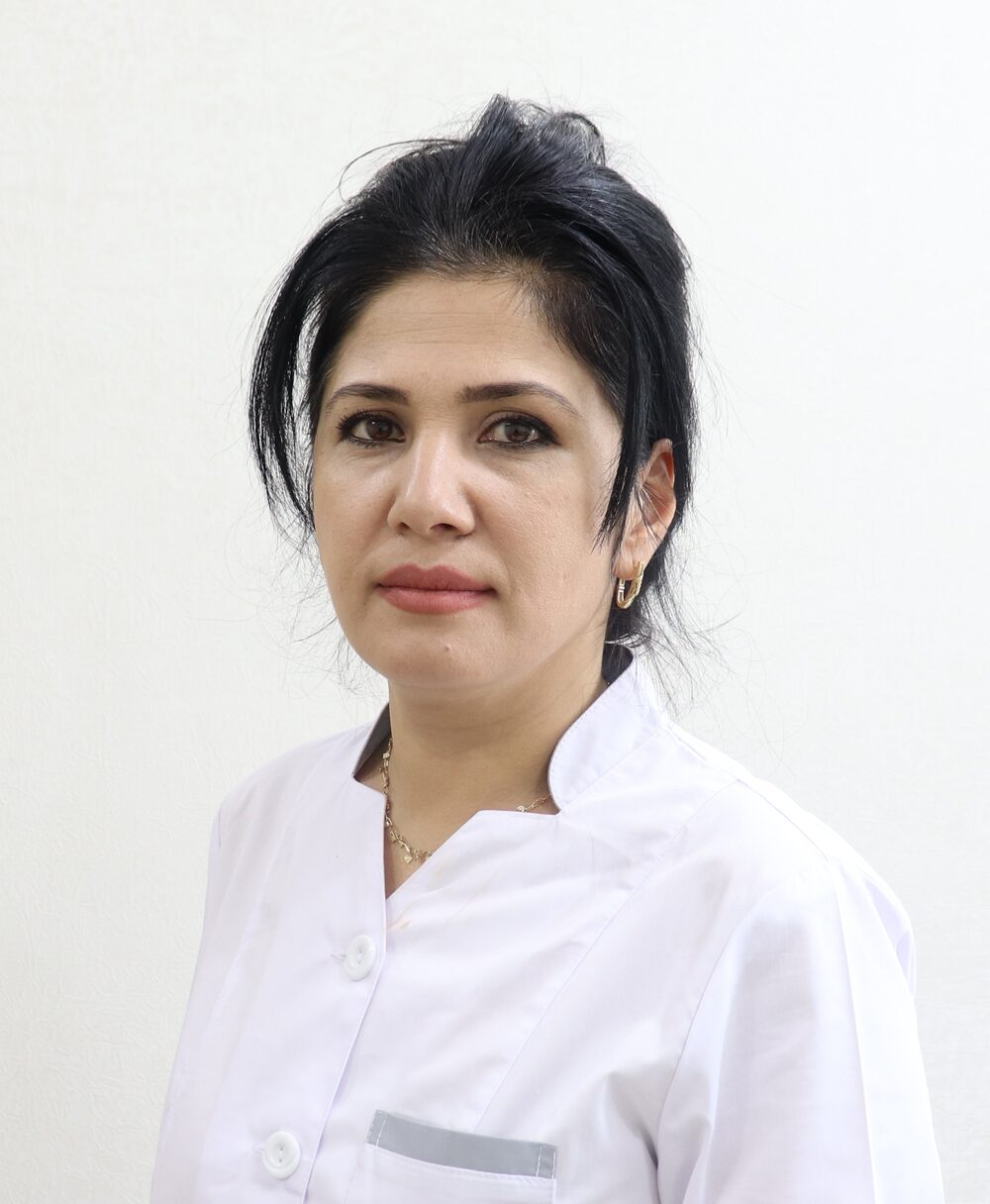
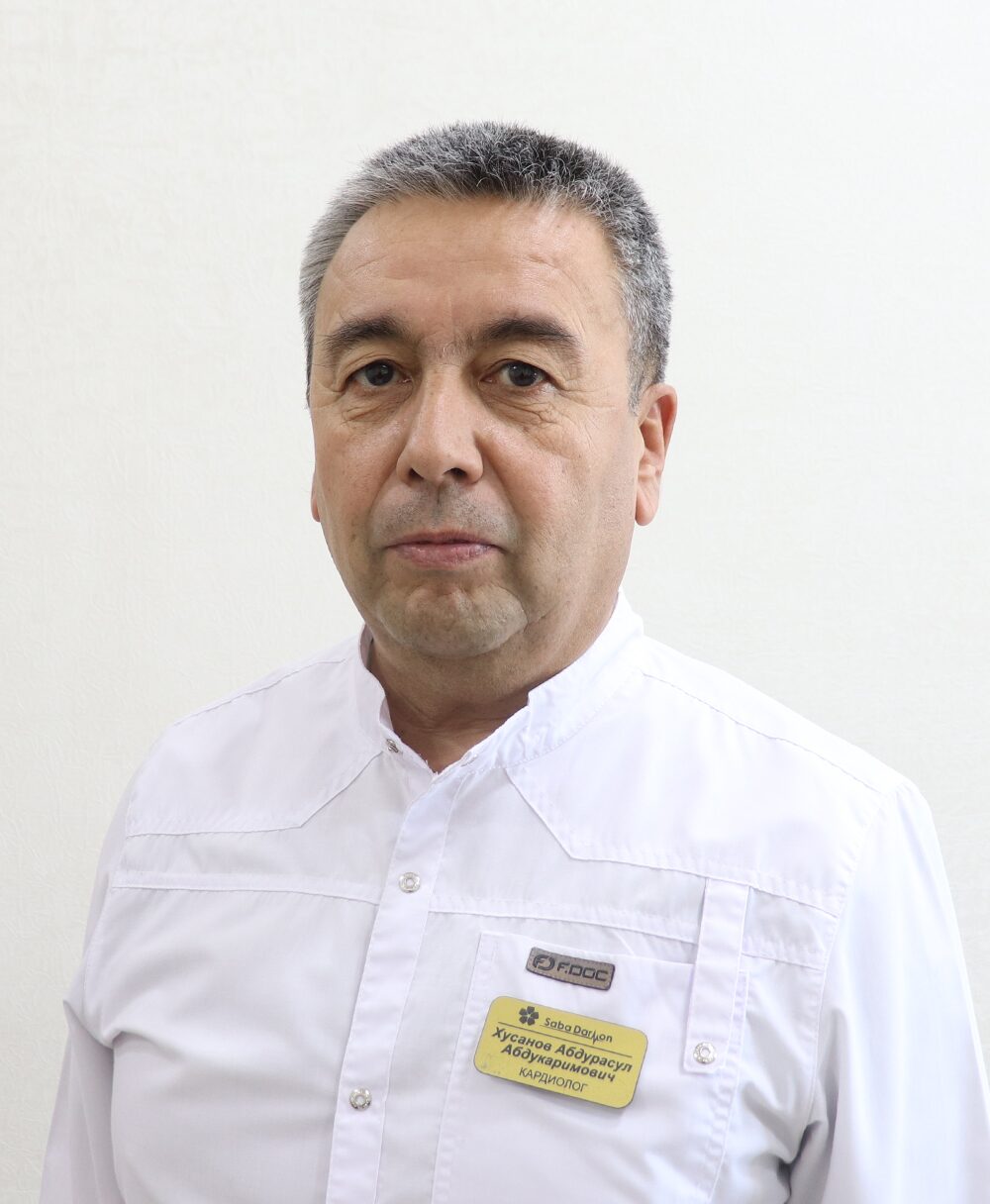
At Saba Darmon Medical Center, four experienced cardiologists, ECG, echocardiography and an in-house laboratory are in one place: we find the cause of low blood pressure at a single address. Book an appointment by phone or online.
Doctors of this department


Saba Darmon Medical Center — contacts
📍 Tashkent, Nurafshon street, 7A/3
📞 +99871 210-30-30 · WhatsApp +998 95 662-30-30
✉️This email address is being protected from spambots. You need JavaScript enabled to view it.
🌐 Instagram · Telegram · Facebook · YouTube
📞 +99871 210-30-30 · WhatsApp +998 95 662-30-30
✉️
🌐 Instagram · Telegram · Facebook · YouTube