


Useful articles

Transient Ischaemic Attack: A Warning Before Stroke — Saba Darmon
Doctor's blog
sbdrmn
An arm stopped obeying for a few minutes, speech became slurred, half of the visual field “dropped out” — and a quarter of an hour later everything was back to normal. Most people breathe out and forget about it. Yet this is exactly what a transient ischaemic attack looks like — a condition after which the risk of a real stroke in the following days rises many times over. Neurologists at Saba Darmon Medical Center explain why “it went away on its own” is a reason to act, not to relax.
What a TIA is
A transient ischaemic attack is a brief interruption of blood supply to part of the brain. A vessel is blocked by a clot or goes into spasm, a region of the brain stops working, but flow is restored before the cells die. That is why the symptoms disappear — usually within 5–30 minutes, always in less than a day. In everyday language it is called a “mini stroke”, but the term is misleading: the mechanism is the same as in a stroke, it is just that this time you were lucky.
How to recognise it
- sudden weakness or numbness of the face, arm or leg — usually on one side;
- a drooping face, inability to smile symmetrically;
- speech disturbance: slurred, “mush in the mouth”, difficulty finding words or understanding speech;
- loss of vision in one eye or loss of half the visual field;
- sudden severe dizziness with loss of balance, double vision;
- sudden disorientation, confusion.
The key word is sudden. Symptoms appear within seconds, not over hours.
Why you cannot wait
One patient in ten has a stroke within three months of a TIA, and half of those strokes happen in the first two days. Evaluation and treatment started within the first 24–48 hours cut this risk by roughly 80 percent. A TIA is therefore an emergency, even if the person feels perfectly well. The right response: do not wait to see “whether it happens again” — see a neurologist the same day; if symptoms are still present, call an ambulance.
Which tests are needed
- Neurological examination — assessment of the symptoms and calculation of the risk of recurrence.
- Duplex ultrasound of the neck vessels — search for atherosclerotic plaques and narrowing of the carotid arteries, the most common cause of TIA.
- ECG and echocardiography, Holter monitoring if needed — to rule out atrial fibrillation, in which clots form in the heart.
- CT or MRI of the brain — to rule out a small stroke that has already occurred or another cause.
- Blood tests — lipid profile, glucose, HbA1c, coagulation.
How to lower the risk of stroke
After a TIA, treatment is started immediately without waiting for all results: antiplatelet drugs, statins to stabilise plaques, blood-pressure control with a target below 140/90, correction of blood sugar. With significant carotid narrowing, surgery or stenting is considered. Stopping smoking, physical activity and limiting salt and alcohol matter just as much. Together these measures reduce the risk of stroke several-fold.
Frequently asked questions
The symptoms passed in 10 minutes — do I still need tests? Absolutely, and the sooner the better. The first days after a TIA are the most dangerous.
Can I take aspirin on my own? If the symptoms have already passed and there are no contraindications, one tablet before seeing the doctor is acceptable, but it does not replace evaluation.
Do TIAs happen in young people? Yes — with heart defects, clotting disorders, arterial dissection, hormonal medication and smoking.
At Saba Darmon Medical Center
A neurologist, a cardiologist, vascular ultrasound, echocardiography, CT and a laboratory all work in one building, so the work-up after a TIA is completed in a single day and preventive treatment starts at once. If you or someone close to you has had the symptoms described — even ones that passed — book a neurology consultation today.
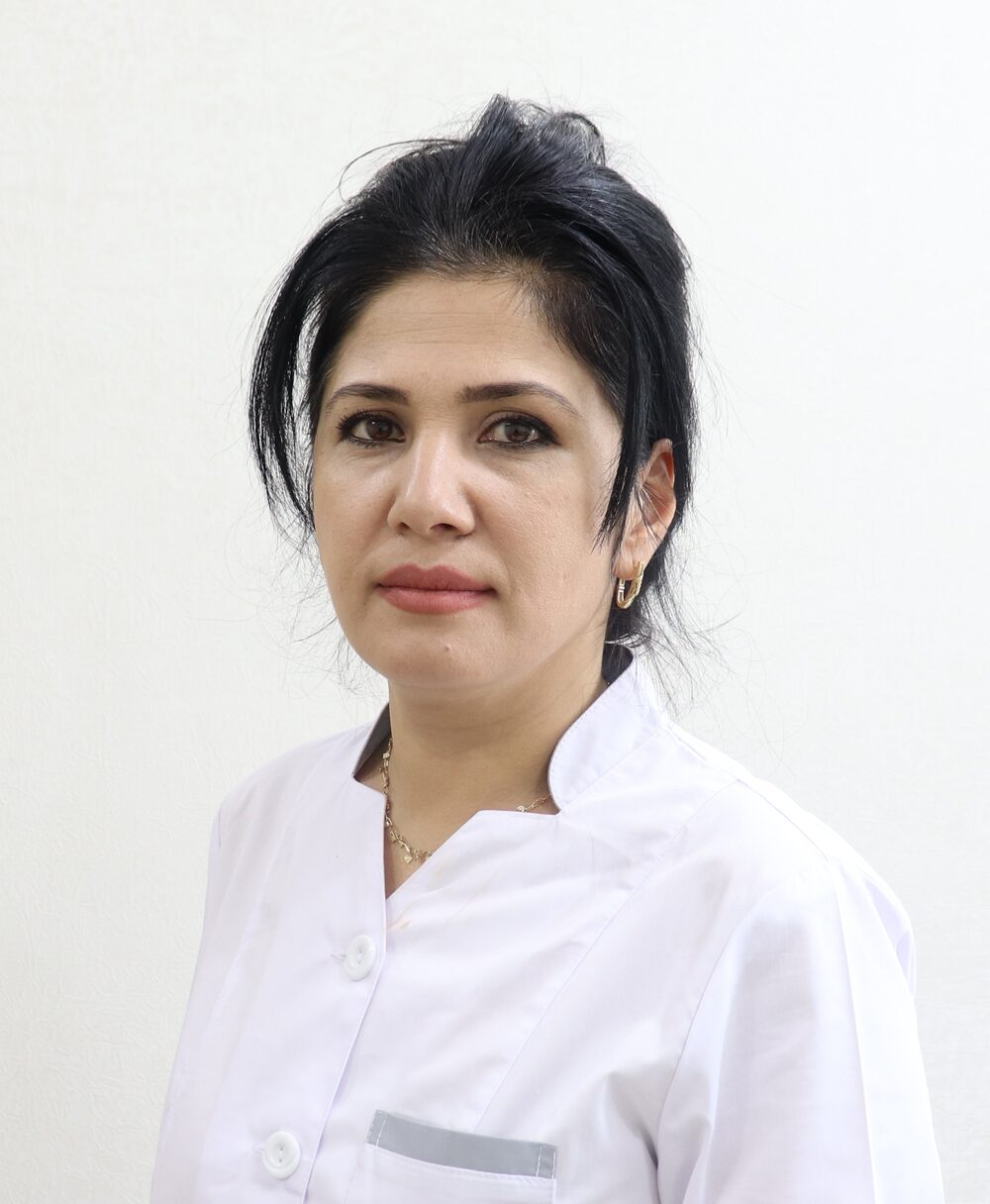
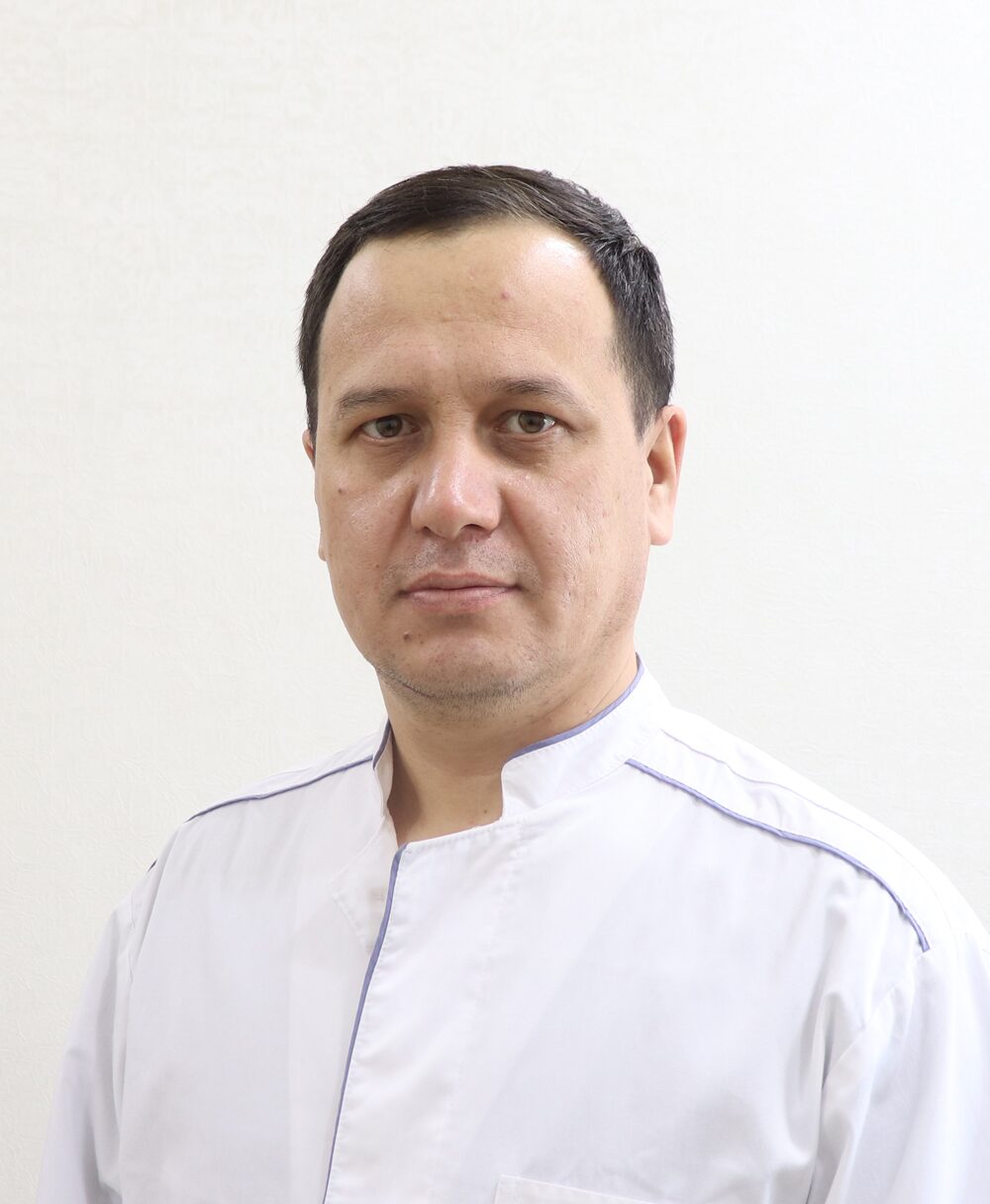
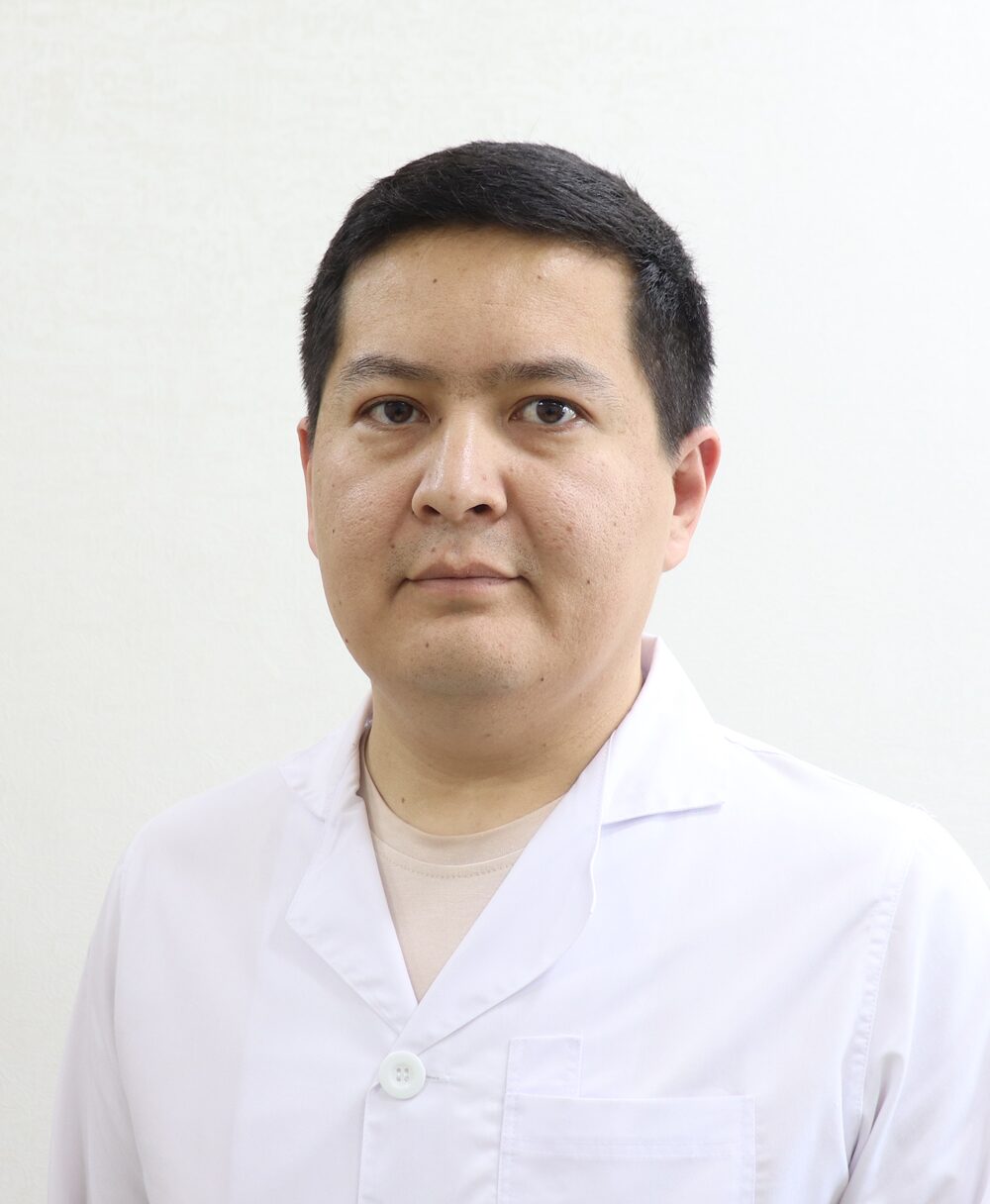
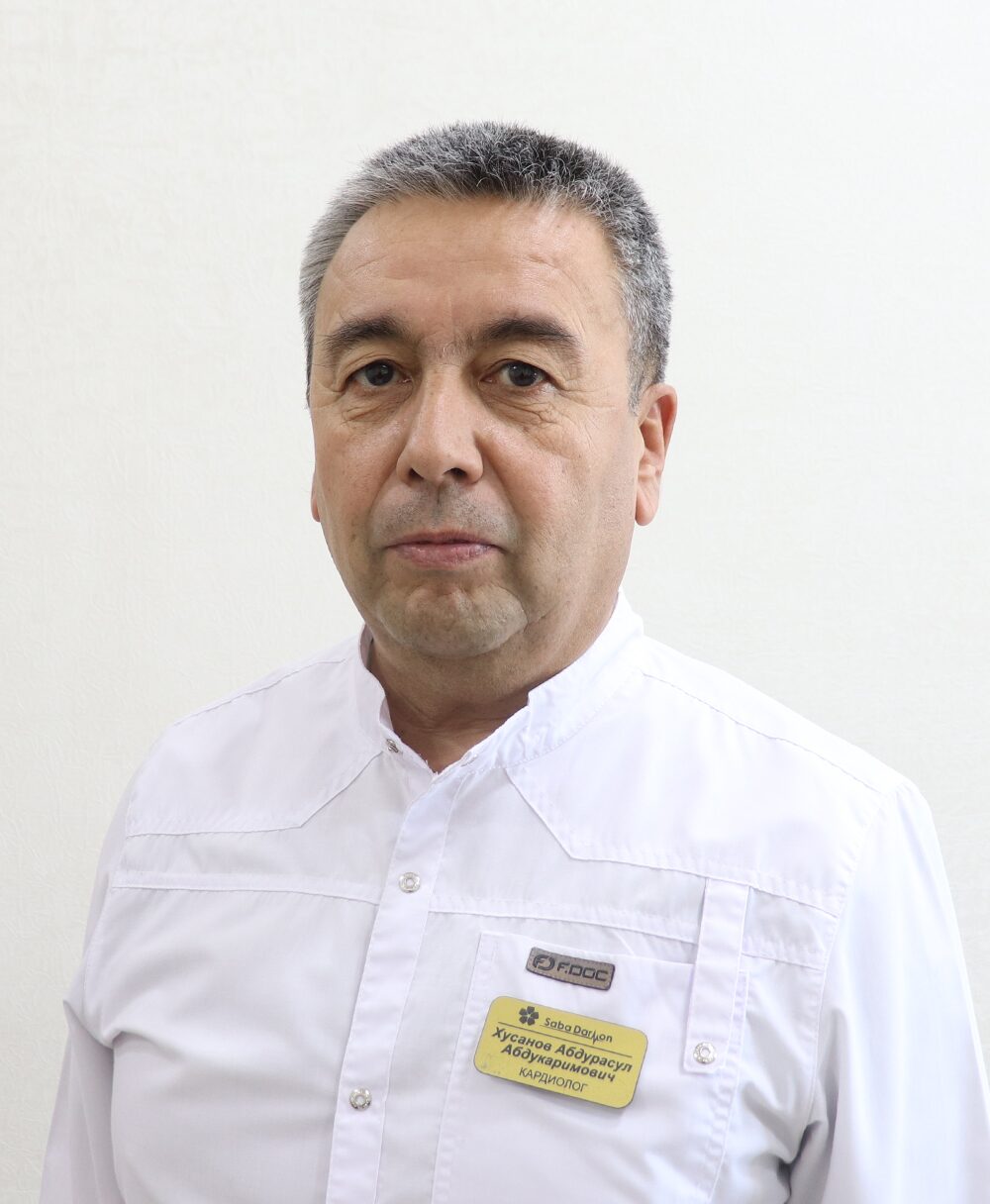
Doctors in this field


Saba Darmon Medical Center — contacts
📍 7A/3 Nurafshon street, Tashkent
📞 +99871 210-30-30 · WhatsApp +998 95 662-30-30
✉️This email address is being protected from spambots. You need JavaScript enabled to view it.
🌐 Instagram · Telegram · Facebook · YouTube
📞 +99871 210-30-30 · WhatsApp +998 95 662-30-30
✉️
🌐 Instagram · Telegram · Facebook · YouTube