


Useful articles
Laparoscopic Hernia Repair in Tashkent — Mesh Hernioplasty
Doctor's blog
sbdrmn
A hernia is the protrusion of internal organs through a weak point in the abdominal wall. It does not resolve on its own and cannot be cured with a support belt: over time the defect only widens and the risk of strangulation grows. Laparoscopic hernia repair closes the defect from the inside with a mesh implant through three small ports, so patients return to normal life far sooner than after open surgery. At Saba Darmon in Tashkent we operate on inguinal, femoral, umbilical and incisional hernias.
Which hernias are repaired laparoscopically
- inguinal — the most common, up to 75 % of all abdominal hernias;
- femoral — more frequent in women and with a high risk of strangulation;
- umbilical — often after pregnancy or with excess weight;
- epigastric (linea alba) hernias;
- incisional (ventral) hernias — at the site of an old scar;
- bilateral and recurrent hernias — where laparoscopy offers the greatest advantage.
When surgery is essential
Elective repair is indicated when the hernia is enlarging, causing pain or discomfort, or interfering with work and sport. Emergency surgery is required for strangulation: sudden severe pain, a hernia that no longer reduces, nausea, vomiting, abdominal distension and redness of the overlying skin. In that situation hours matter — go to hospital immediately.
Wearing a truss does not cure a hernia. It is only a temporary measure for patients in whom surgery is currently contraindicated.
TAPP and TEP techniques
Two main laparoscopic techniques are used for inguinal hernias.
TAPP (transabdominal preperitoneal repair) — the surgeon enters the abdominal cavity, lifts the peritoneum, places the mesh over the defect and covers it again with peritoneum. It gives excellent exposure and suits large and recurrent hernias.
TEP (totally extraperitoneal repair) — the work is done outside the abdominal cavity without opening it. The risk of organ injury and adhesions is minimal, although the technique is more demanding.
The surgeon chooses based on the size of the defect, previous operations and the patient's anatomy.
Why mesh is used
Simply stitching tissue edge to edge creates tension, and the hernia returns in 15–30 % of cases. A modern polypropylene or composite implant covers the defect with a generous margin and is gradually infiltrated by the body's own connective tissue, forming a durable scaffold. With a correctly performed mesh repair the recurrence rate falls to 1–3 %. The mesh is not felt by the patient and never needs removing.
Preparation
Before surgery you will have an ultrasound of the hernia, full blood count and biochemistry, coagulation profile, blood group, infection screening, an ECG and a physician review. Smokers are advised to stop at least two weeks beforehand, which reduces wound complications. Nothing to eat or drink for eight hours before the operation.
Recovery
Walking is allowed on the day of surgery. Hospital stay is usually one to two days. Discomfort around the ports lasts a few days and responds well to ordinary painkillers. Desk work can be resumed after 7–10 days, physical work and sport after four to six weeks.
During the first month avoid lifting more than 5 kg, keep bowels regular and treat any cough — every rise in intra-abdominal pressure loads the repair.
Advantages over open surgery
- three ports instead of an 8–12 cm incision;
- less intense and shorter-lasting pain;
- bilateral hernias repaired through the same ports;
- lower risk of chronic groin pain and numbness;
- earlier return to work;
- a better cosmetic outcome.
Hernia surgery in Tashkent
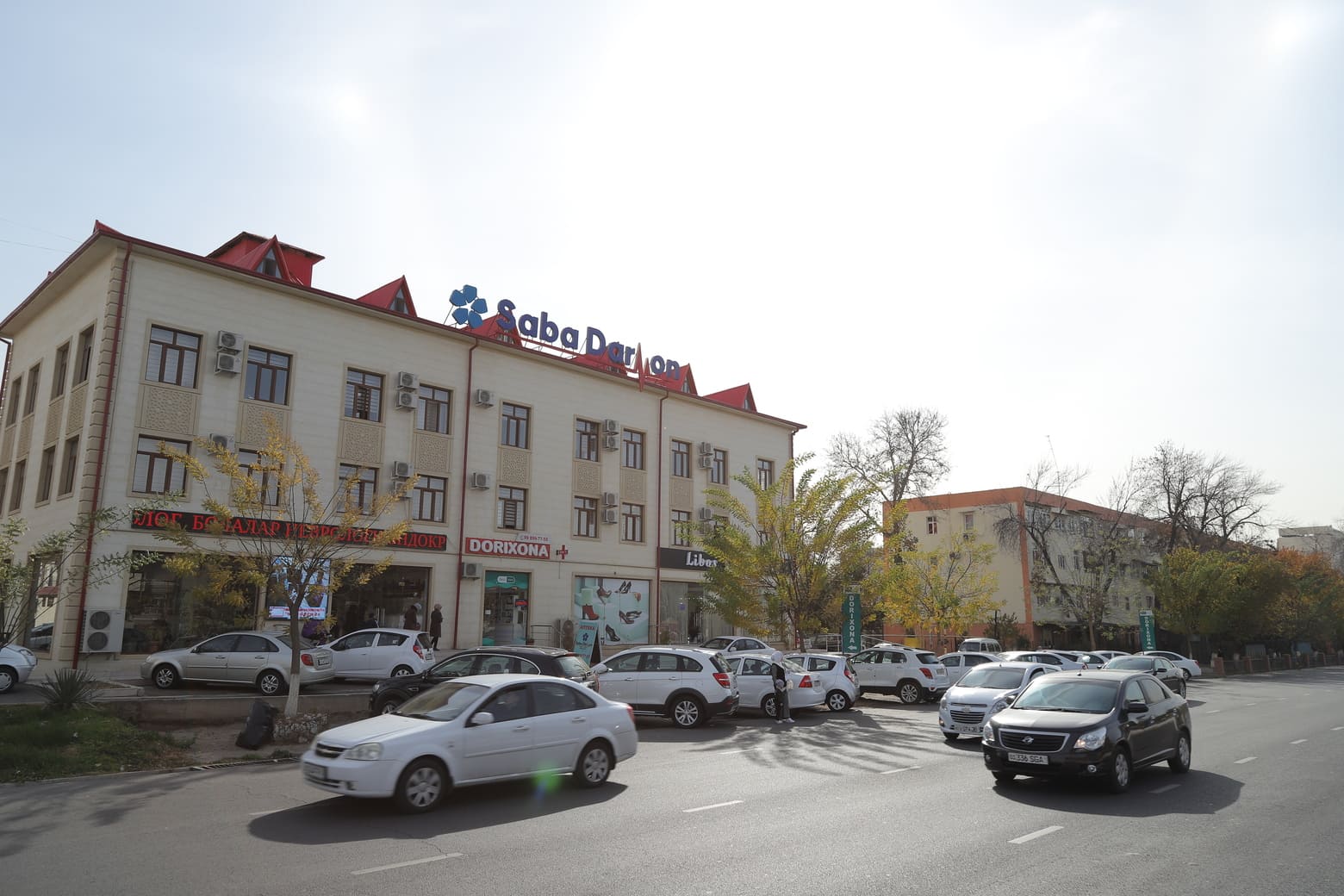
At Saba Darmon the clinic list is run by surgeons who perform hernia repairs regularly. At the consultation the surgeon will examine the hernia, establish its type and size and select the technique and implant. Cost depends on the hernia type, technique and mesh — call +998 71 210-30-30 for current prices.
Frequently asked questions
Can a hernia go away without surgery?
Not in adults. Only small umbilical hernias in children under three to five may close on their own.
Is mesh dangerous?
Modern implants are biocompatible and have been used for decades. Mesh-related complications are rare.
Can two hernias be repaired at once?
Yes — bilateral inguinal hernias are repaired in one operation through the same ports.
When can I lift a child or shopping bags?
Usually after four to six weeks, once your surgeon has reviewed you.
Can it come back?
With mesh repair, in 1–3 % of cases. Smoking, obesity, heavy manual work and chronic cough increase the risk.
🤖 New: robotic surgery. Saba Darmon clinic has installed the MedBot Toumai surgical robot. Read more: Robotic Surgery vs Laparoscopy: What Is the Difference
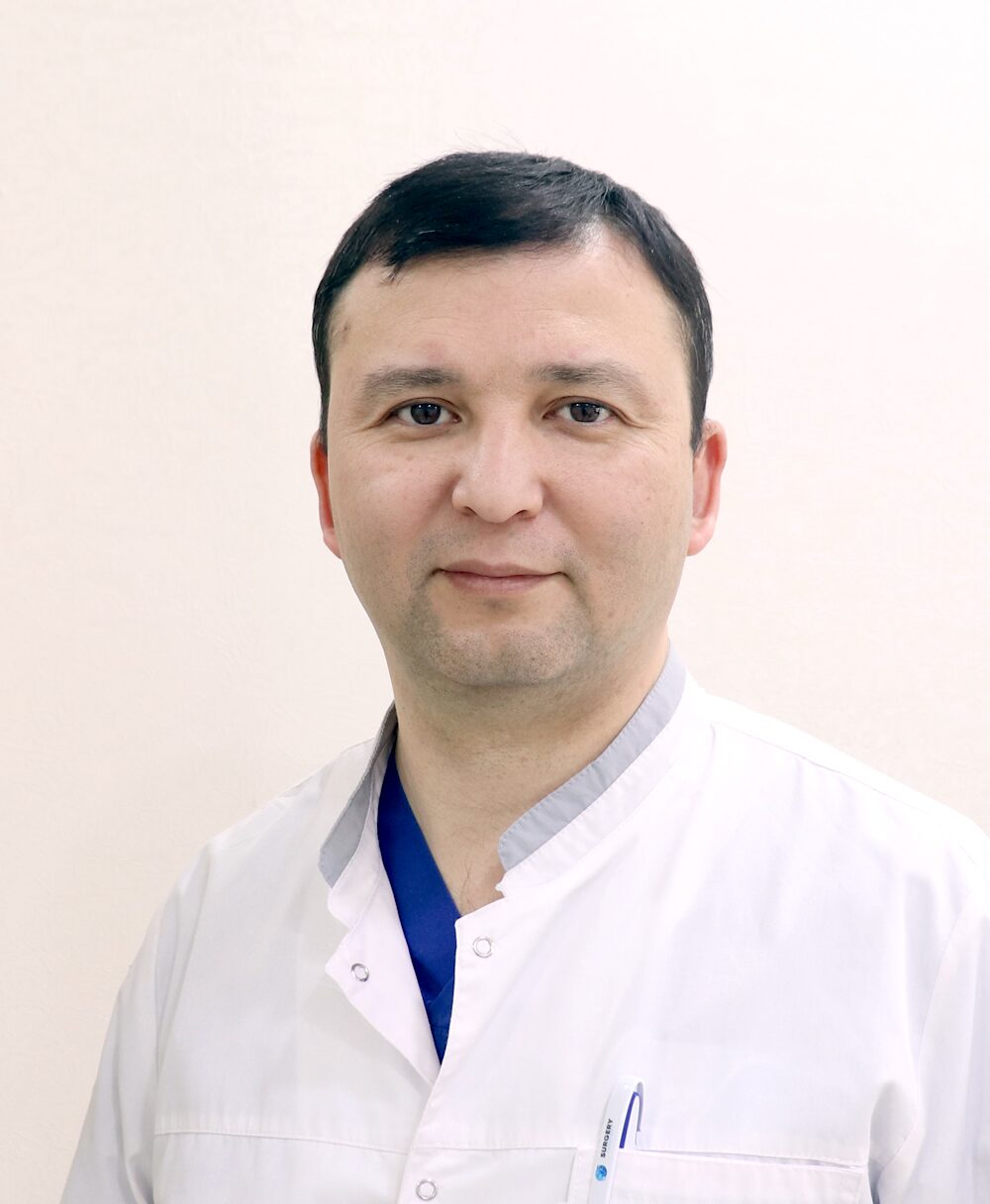
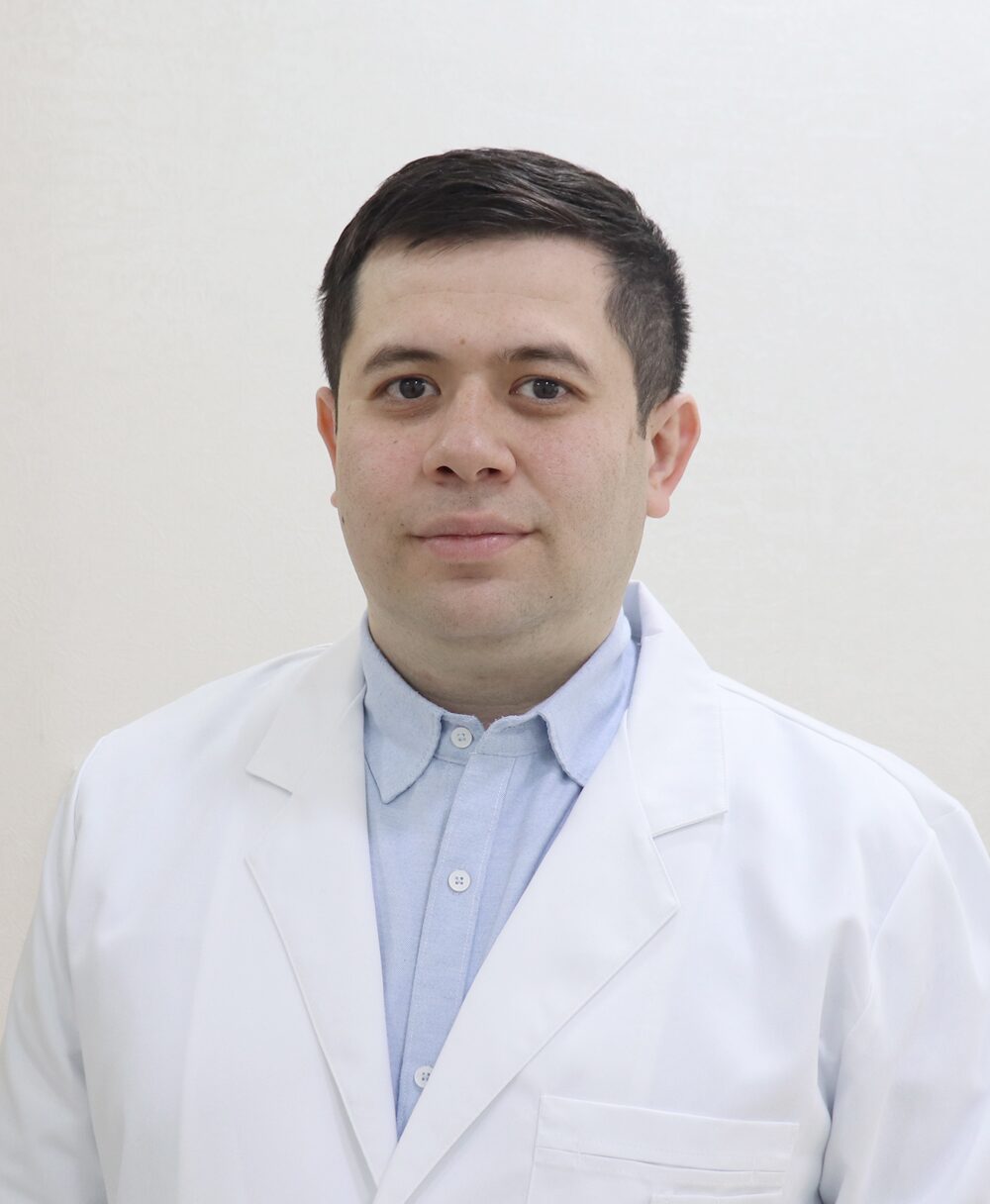
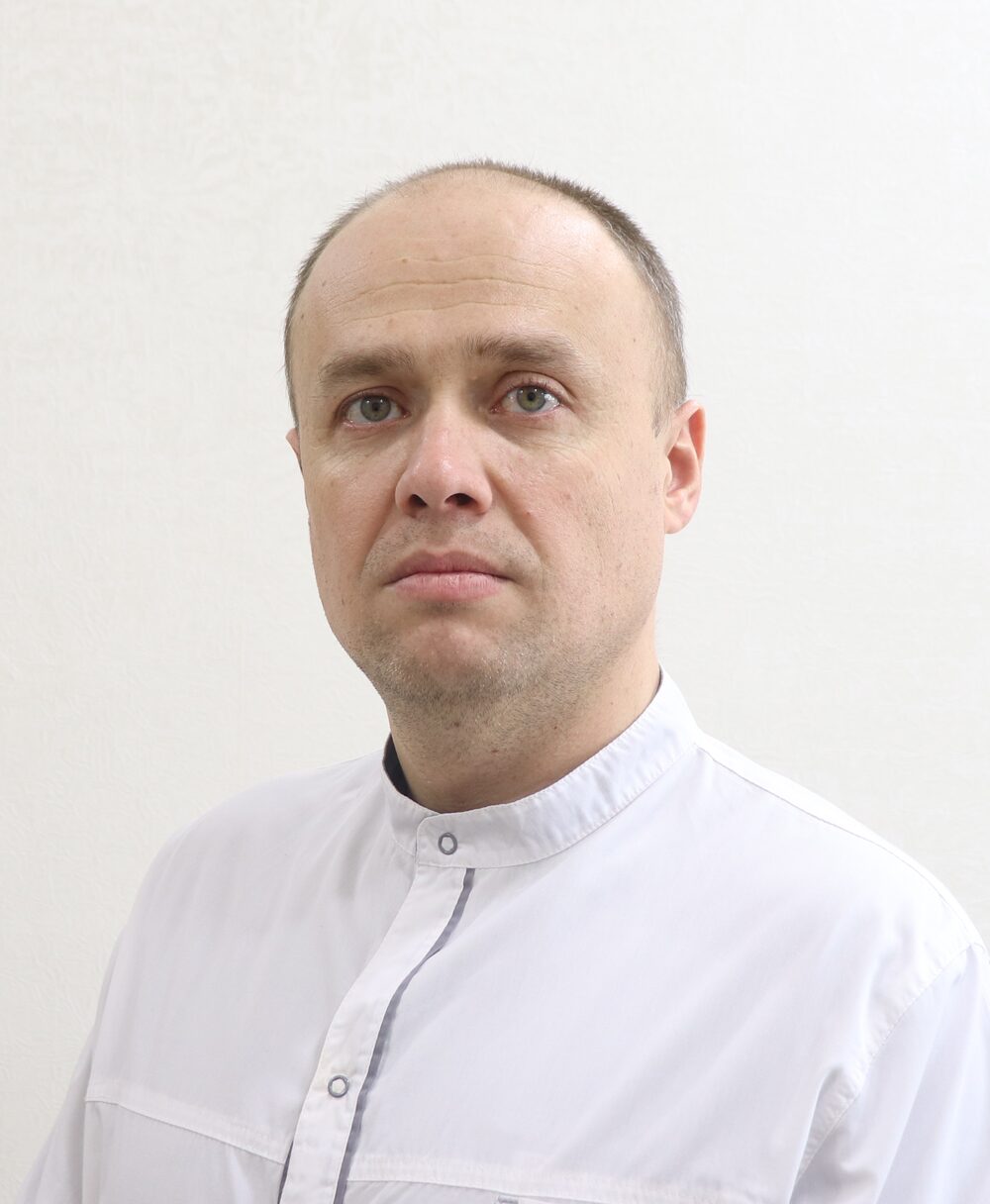
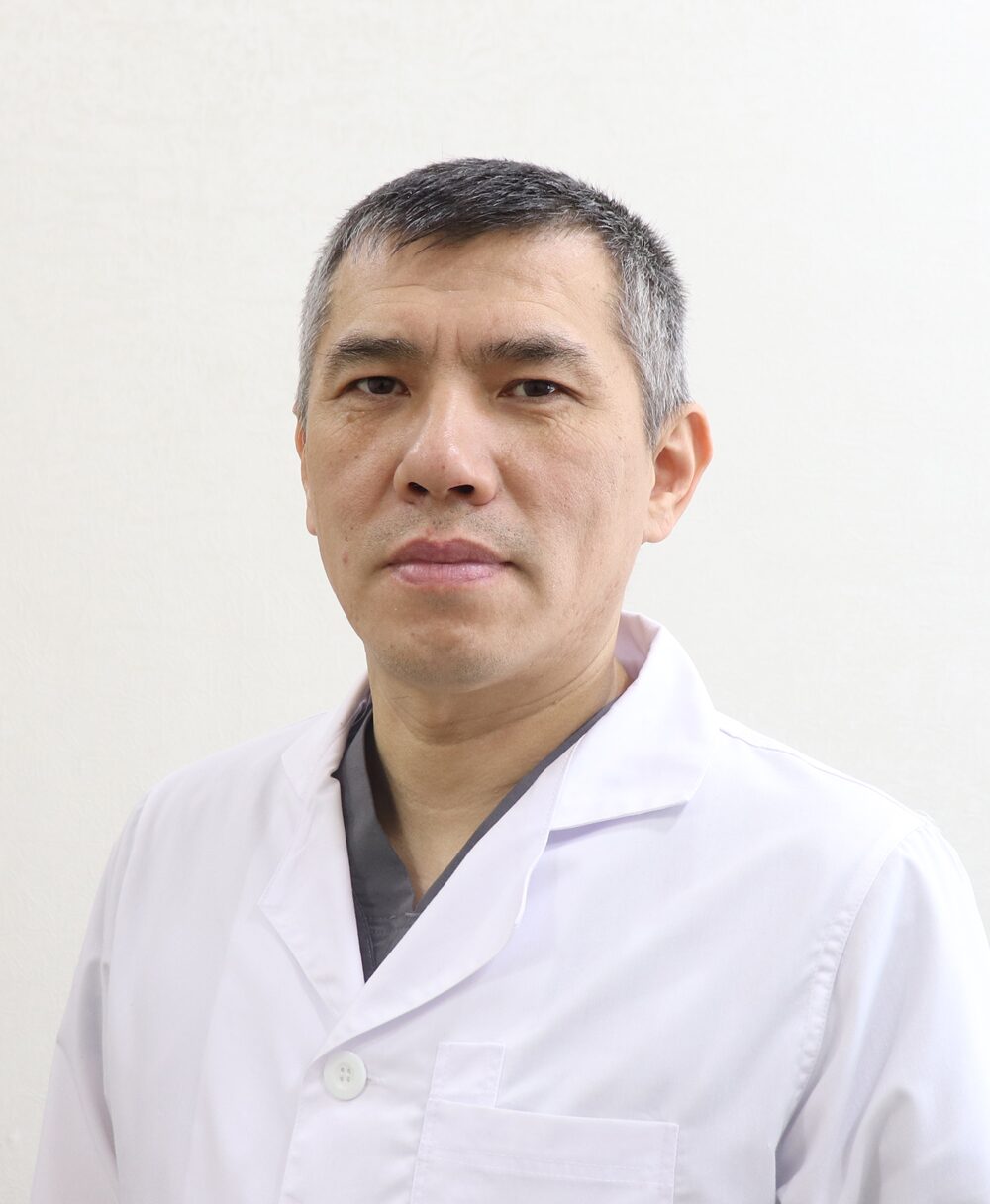
Who performs the surgery
Surgeons and surgical oncologists:
Do you really need surgery? Start with a consultation
Bring your test results to a surgeon: in many cases watchful waiting is enough. Call us to arrange a consultation and pre-operative work-up.
Call now — +998 71 210-30-30Contacts
Address: 7A/3 Nurafshon street, Tashkent
Phone: +998 71 210-30-30 · WhatsApp: +998 95 662-30-30
Opening hours: Monday–Saturday, 09:00–18:00
E-mail: