


Useful articles

Laparoscopic Repair of Rectus Diastasis in Tashkent
Doctor's blog
sbdrmn
After childbirth or significant weight gain many people notice that the abdomen stays rounded even at a normal weight, and a ridge appears along the midline when they tense. This is diastasis recti — separation of the abdominal muscles caused by stretching of the linea alba. Mild cases respond to exercise, but a wide separation can only be corrected surgically. At Saba Darmon in Tashkent the repair is performed laparoscopically, without a long incision.
What diastasis recti is and why it happens
The rectus abdominis muscles meet in the midline along a tendinous sheet called the linea alba. When intra-abdominal pressure stays high for a long time, this sheet stretches and the muscles drift apart. Causes include pregnancy (especially multiple or repeated), rapid weight gain, heavy manual work, chronic cough and poorly performed abdominal exercises.
It is worth understanding that the muscles themselves do not tear or disappear. It is the connective tissue between them that stretches, and it does not contract back on its own.
Degrees of separation
- Grade I — 2–5 cm. Exercise and load modification are often enough.
- Grade II — 5–7 cm. Exercise improves tone but the defect persists; surgery is often discussed.
- Grade III — over 7 cm. Conservative treatment is ineffective and surgical repair is indicated.
A gap of up to 2 cm is considered normal and needs no treatment.
How to tell whether you have it
A simple home test: lie on your back with knees bent, place your fingers on the midline just above the navel and lift your head and shoulders slightly. If your fingers sink into a gap wider than two fingerbreadths, see a surgeon. The exact width and the state of the linea alba are measured with an ultrasound of the abdominal wall.
Other signs: a bulging abdomen that persists despite weight loss; a ridge along the midline on straining; low back pain; a feeling of core weakness; sometimes constipation and discomfort after meals.
When surgery is needed
- separation greater than 5 cm, particularly if unchanged 12 months after delivery;
- an associated umbilical or epigastric hernia;
- back pain and postural problems from a weak core;
- a marked aesthetic concern affecting quality of life;
- failure of a properly designed exercise programme over 6–12 months.
Women planning another pregnancy are usually advised to postpone surgery, since a further pregnancy can undo the result.
How the laparoscopic repair is performed
Under general anaesthesia the surgeon reaches the linea alba from the inside through several ports, sutures the stretched tissue to bring the rectus muscles together, and reinforces the area with a mesh implant. Any umbilical hernia is closed during the same operation. The procedure takes 1.5–2.5 hours depending on the length of the defect.
With a very wide separation combined with excess skin and a fatty apron, an open abdominoplasty may be required. Your surgeon will discuss this in advance.
Recovery
Hospital stay is two to three days. A compression garment is worn for four to six weeks to reduce swelling and support the repair. Walking starts on day one; lifting more than 5 kg is avoided for six to eight weeks, and strength training or abdominal exercises for at least three months.
Supervised physiotherapy and rehabilitation speed the return of core tone.
What can be done without surgery
For grade I separation, and as preparation for surgery, the following help: breathing exercises with abdominal drawing-in, transverse abdominis work, correctly performed planks and weight control. Avoid classic crunches, straight-leg raises and any exercise that makes a ridge bulge along the midline — these worsen the separation.
Consultation in Tashkent
At Saba Darmon you can have an abdominal wall ultrasound and a surgical opinion in a single visit: whether surgery is needed or an exercise programme will do. To book, call +998 71 210-30-30.
Frequently asked questions
Can diastasis resolve on its own after childbirth?
The gap does narrow during the first 6–12 months. If nothing has changed after a year, spontaneous closure is unlikely.
Is it the same as a hernia?
No. In diastasis the linea alba is stretched but intact. A hernia is a true defect through which organs protrude — though diastasis often coexists with an umbilical hernia.
Will losing weight help?
The abdomen will look smaller, but the muscle separation remains.
Will there be a scar?
With laparoscopic repair, only small port marks.
Can I give birth after the operation?
Yes, but pregnancy can stretch the tissues again, so repair is usually planned once your family is complete.
Who performs the surgery
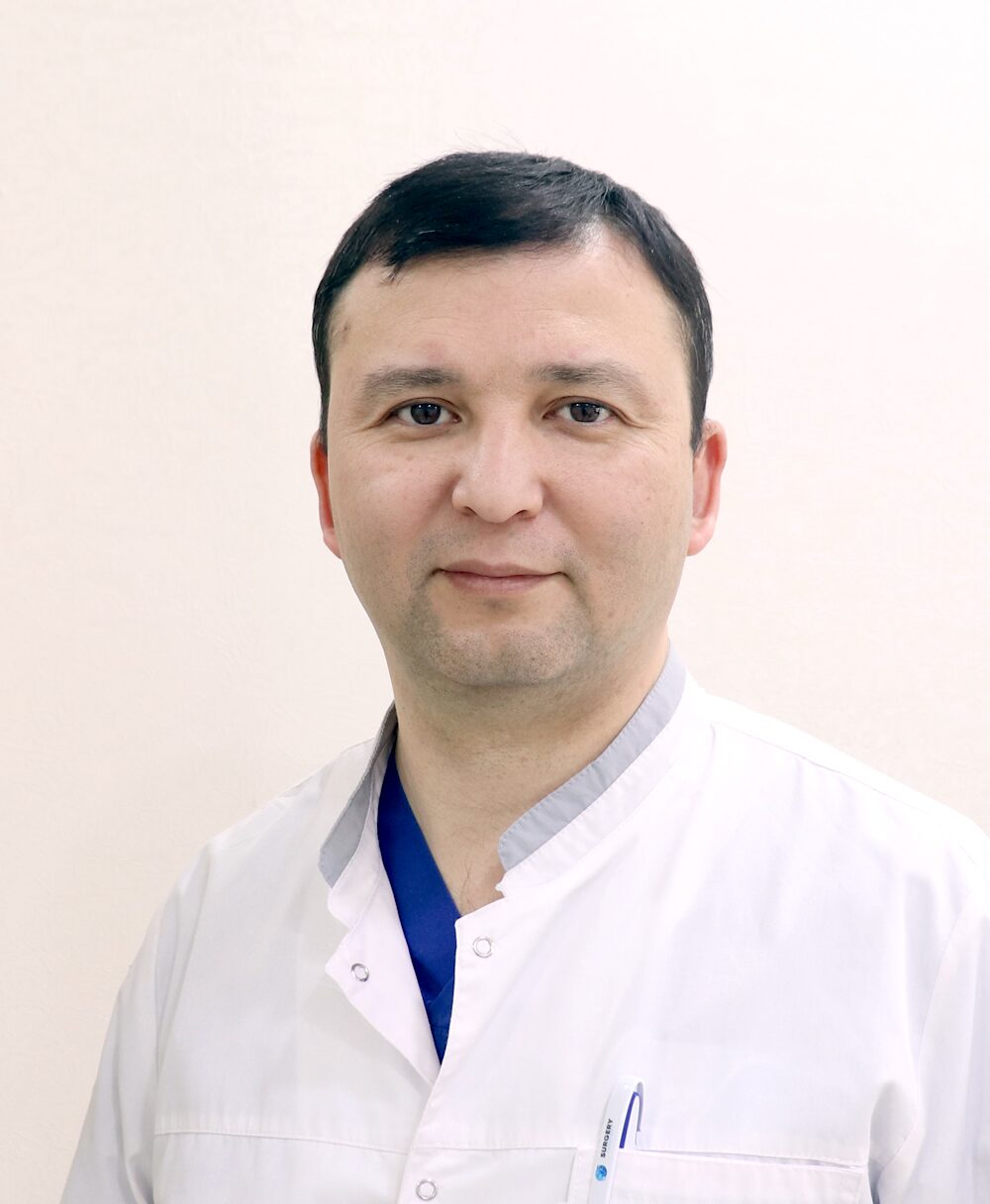
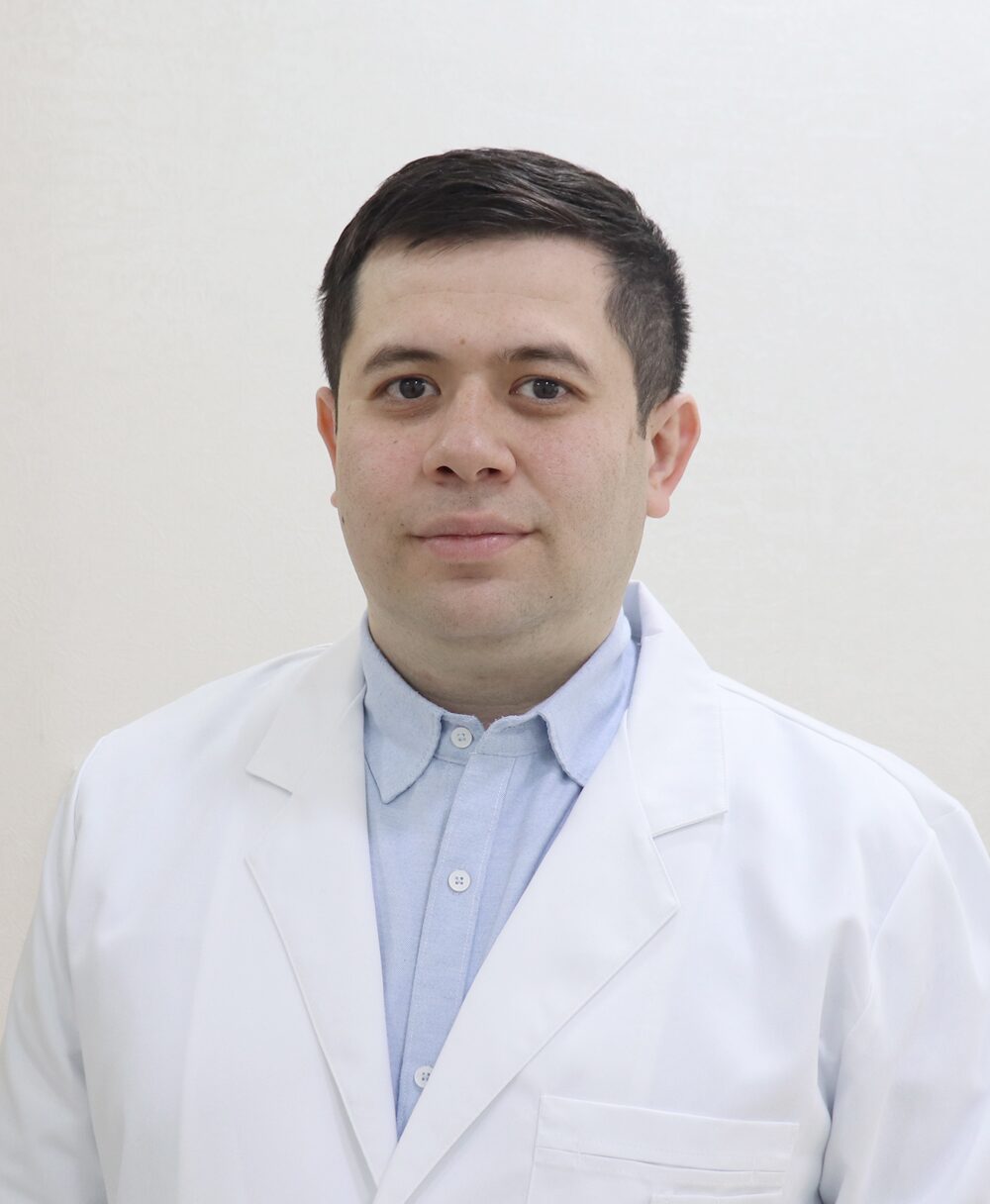
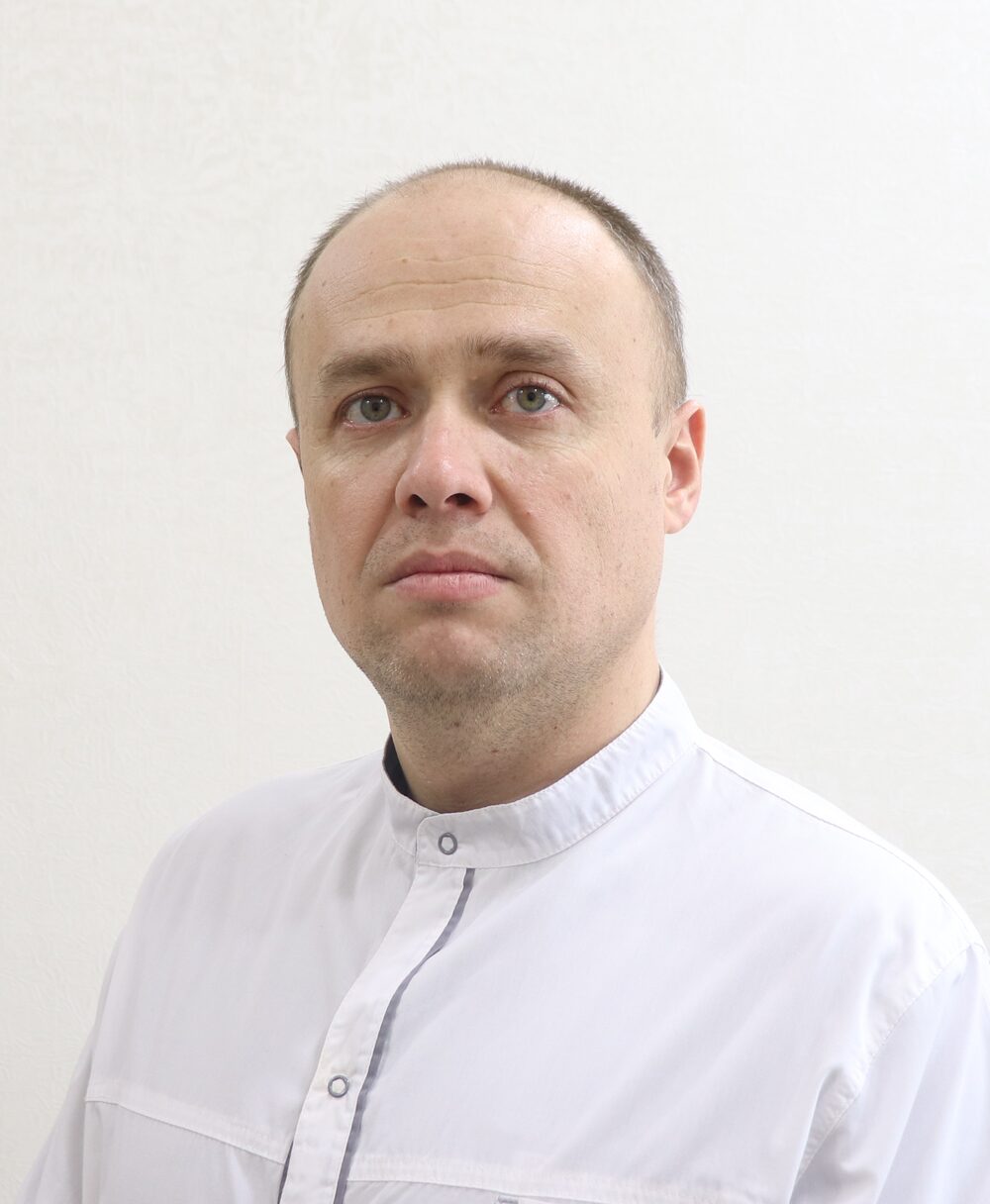
Surgeons and surgical oncologists:

Do you really need surgery? Start with a consultation
Bring your test results to a surgeon: in many cases watchful waiting is enough. Call us to arrange a consultation and pre-operative work-up.
Call now — +998 71 210-30-30Contacts
Address: 7A/3 Nurafshon street, Tashkent
Phone: +998 71 210-30-30 · WhatsApp: +998 95 662-30-30
Opening hours: Monday–Saturday, 09:00–18:00
E-mail: