


Useful articles

Recovery After Tonsillectomy and Adenoidectomy: A Guide for Parents
Doctor's blog
sbdrmn
Direction: Robotic surgery · All services
Recovery after tonsillectomy and adenoidectomy takes place mostly at home, with parents in charge. Knowing in advance when the pain tends to peak, what the white patches in the throat are, what to give to eat and drink, and which signs need urgent medical help makes recovery calmer and safer. Below is a practical guide for children and adults.
Contents
The first days after surgery: what to expect
Tonsillectomy (removal of the tonsils) or adenoidectomy (removal of the adenoids) is most often done because of recurrent sore throats, chronic tonsillitis, difficulty breathing through the nose, or snoring and sleep apnoea. The operation itself is short, but recovery happens at home under the eye of the parents. That is why it helps to know in advance what is normal and what should worry you.
Usually the patient is observed for a few hours after waking from the anaesthetic, and after the doctor’s check is either discharged home or kept overnight. On the first day the throat is sore, and there may be drowsiness and mild nausea.
Pain after tonsillectomy, day by day
- Days 1–2: moderate pain, controlled with painkillers.
- Days 3–7: in many people the pain gets worse — this is normal, as a coating forms over the healing area. The pain often spreads to the ear: this is not an ear problem but "referred" pain through nerves shared by the throat and the ear.
- Days 7–14: the pain gradually settles and eating becomes easier.
Where the tonsils were, you will see white or grey patches — this is not pus but the natural scab of a healing wound. It comes away by itself within 7–10 days. Bad breath during this period is also common.
Eating and drinking: fluids matter most
Because of the pain, children often refuse to drink — and this can lead to dehydration and a higher risk of bleeding. So fluids are the foundation of recovery: offer small amounts, but often.
- suitable: lukewarm or cool water, fruit compote, milky porridge, mashed potato, yoghurt or kefir, soft curd cheese, ice cream (a little), smooth soup;
- not suitable: hot, spicy or acidic food (citrus juices), hard or sharp-edged food — crisps, toast, biscuits, nuts;
- a soft diet is usually advised for 10–14 days.
Pain relief: only as the doctor prescribes
Give painkillers only at the dose and times the doctor has prescribed. Giving them regularly, before the pain builds up, makes eating easier. Do not give aspirin — it reduces blood clotting and raises the risk of bleeding; aspirin is not recommended for children at all. General advice on managing pain is in the article on pain after surgery.
Bleeding: the warning sign
Any fresh red blood from the mouth, blood-stained saliva or vomit, or a child who keeps swallowing (they may be swallowing blood) is an emergency. Do not wait: call 103 immediately or go to the nearest hospital. Bleeding most often happens in the first 24 hours or at around days 5–10, when the scabs come away.
Also contact a doctor if: the temperature is above 38.5°C and does not come down; the child is hardly drinking, passing little urine, has dry lips or is listless (signs of dehydration); the pain does not ease even with medication.
Recovery after adenoidectomy is usually faster
After the adenoids are removed, the throat is usually only mildly sore and settles within a few days. In the first days the voice may sound nasal, the nose may be a little blocked and there may be slight blood-tinged discharge — this is normal. Most children breathe better through the nose and snore less, but the full effect is seen after a few weeks, once the swelling of the lining has gone down.
| Criterion | Tonsillectomy | Adenoidectomy |
|---|---|---|
| Pain | Noticeable, often worse on days 3–7, spreads to the ear | Usually mild, a few days |
| Diet | Soft, cool food for 10–14 days | Soft food for a few days |
| Risk of bleeding | Especially the first 24 hours and days 5–10 | Lower, mainly the first 24 hours |
| Back to nursery / school | After roughly 10–14 days | After roughly one week |
| Activity limits | About 2 weeks without sport or exertion | A few days of rest |
Activity, nursery and school
- in the first days, quiet rest at home; walking is fine, running and jumping are not;
- after tonsillectomy, avoid sport, hot baths, saunas and long journeys for about 2 weeks;
- children usually return to nursery or school about 10–14 days after tonsillectomy and about a week after adenoidectomy — the doctor will confirm the exact timing at the follow-up visit;
- for adults the timings are roughly the same, although adults often have more pain than children.
Do not miss the follow-up appointment. If you have questions, contact the doctors of our ENT department — every recovery plan is tailored to the individual patient.
Frequently asked questions
How long does pain last after tonsillectomy?
Usually 10–14 days. In many people the pain gets worse on days 3–7 and spreads to the ear, then gradually settles.
Are white patches in the throat after tonsillectomy normal?
Yes, they are not pus but the natural scab of a healing wound. They usually come away by themselves within 7–10 days.
What can you eat after tonsillectomy?
Soft food that is cool or lukewarm: porridge, mashed potato, yoghurt, smooth soup. Hot, spicy, acidic and hard food should be avoided for about 10–14 days; above all, drink enough fluids.
What should I do if there is blood from the mouth after surgery?
Any fresh red blood is an emergency. Call 103 immediately or go to the nearest hospital.
When can my child go back to nursery or school?
About 10–14 days after tonsillectomy and about a week after adenoidectomy. The doctor will confirm the exact timing at the follow-up visit.
Does snoring stop straight after adenoidectomy?
Snoring usually decreases, but the full effect is seen after a few weeks, once the swelling of the lining has settled.
Can I give aspirin for the pain?
No. Aspirin increases the risk of bleeding. Give only the painkiller the doctor has prescribed.
Related reading:
Doctors for consultation
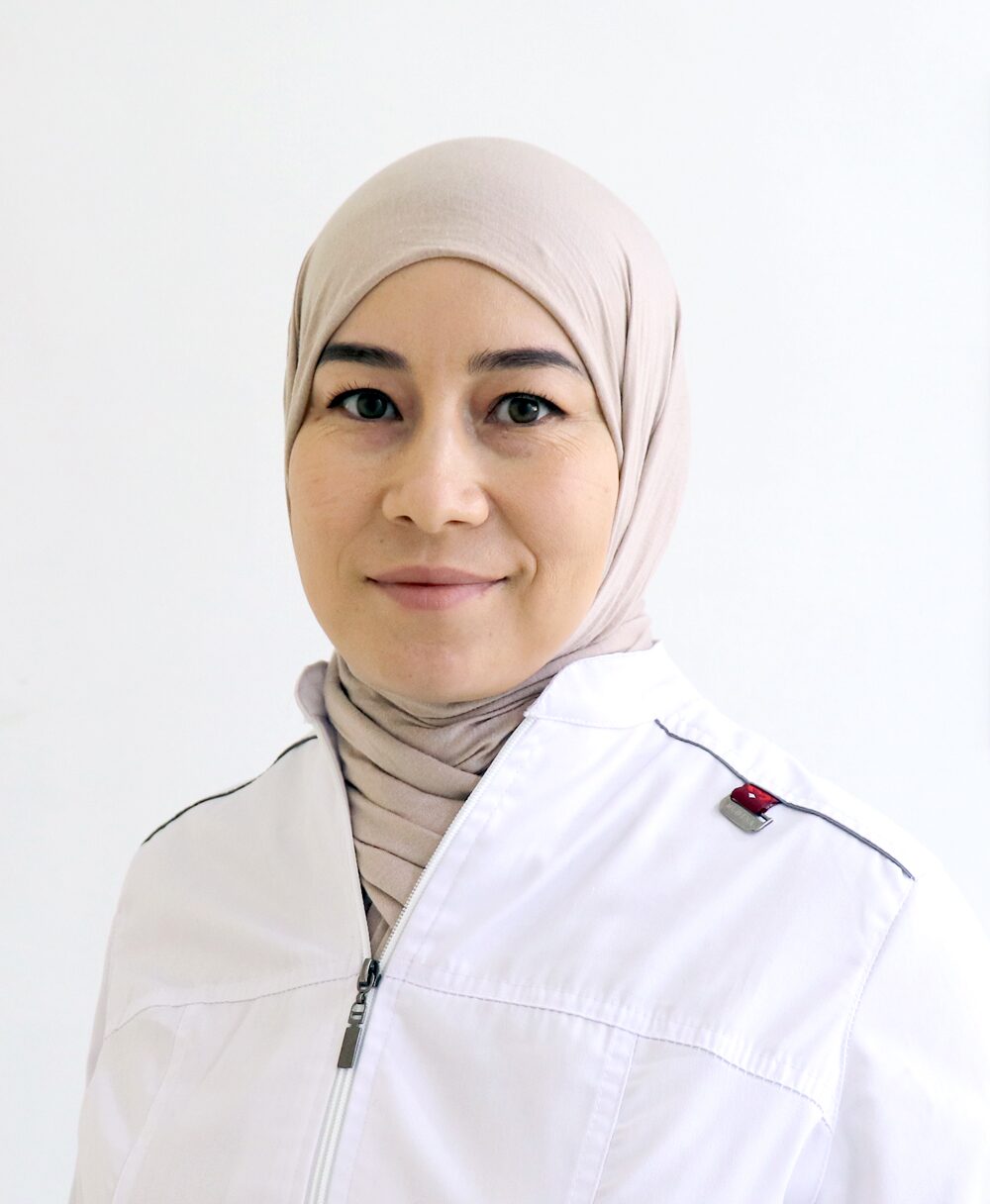
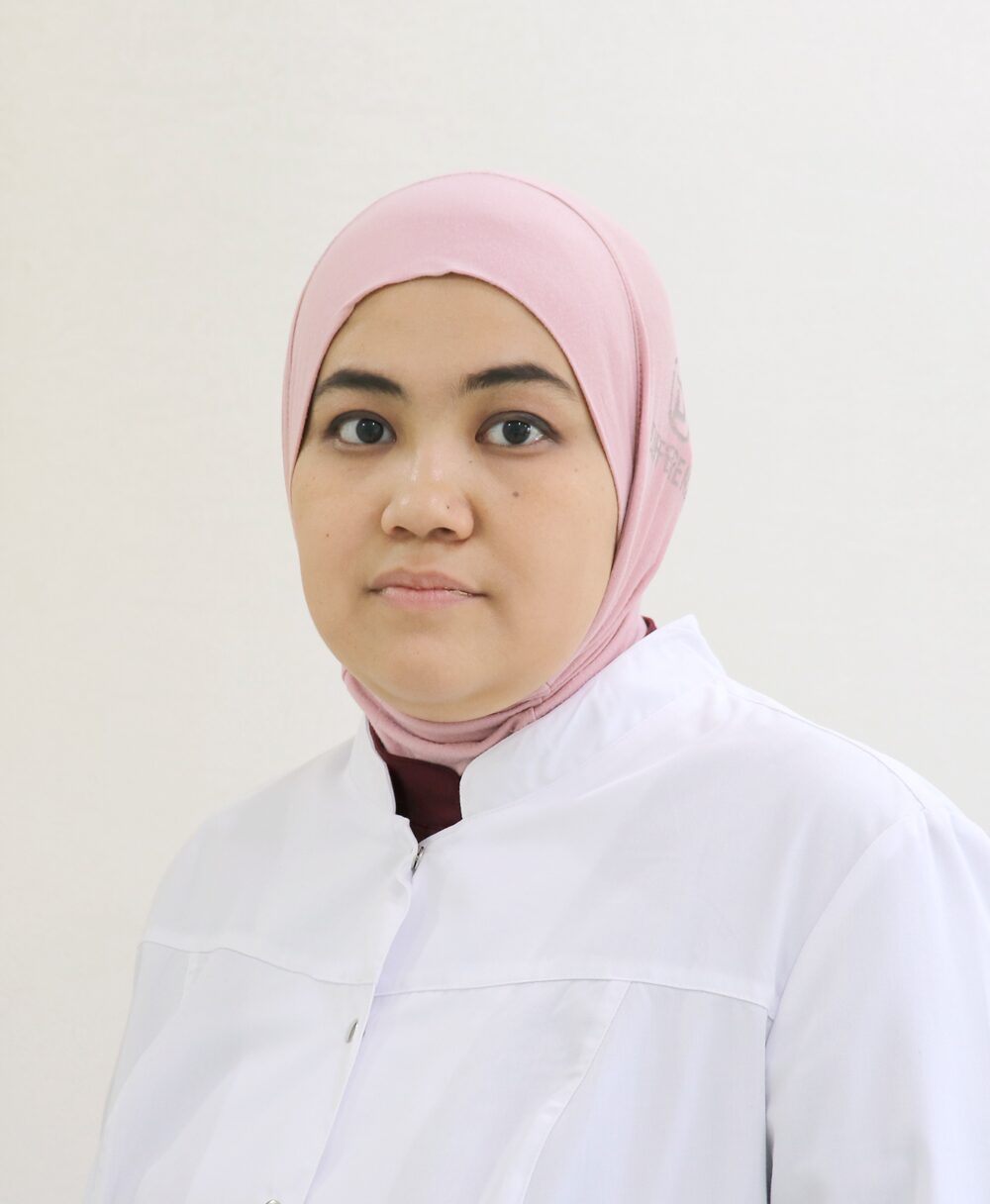
Tonsillectomy, adenoidectomy and aftercare are provided by our ENT doctors. Our doctors in this field:


Book an appointment with an ENT doctor
Planning surgery or have questions about recovery? Our ENT doctor will explain every stage.
Call now — +998 71 210-30-30Contacts
Address: 7A/3 Nurafshon street, Tashkent
Phone: +998 71 210-30-30 · WhatsApp: +998 95 662-30-30
Opening hours: Monday–Saturday, 09:00–18:00
E-mail: