


Useful articles

Life After Gallbladder Removal — Saba Darmon
Doctor's blog
sbdrmn
The operation is over and the stones no longer trouble you — yet a month later there is heaviness under the right ribs, bloating and loose stools after fatty food. The patient concludes the surgery did not help. In reality the way bile works in the body has changed, and in most cases this settles within a few weeks. Doctors at Saba Darmon Medical Center explain what happens and what to do.
What changes without a gallbladder
The gallbladder is not a bile factory but a reservoir. The liver produces bile continuously, while the gallbladder stores and concentrates it, releasing a portion in response to fatty food. Once it is removed, bile flows into the intestine constantly, in small amounts and less concentrated.
Hence two typical complaints: with a large fatty meal there is not enough bile, so heaviness appears; between meals bile trickles in unnecessarily and irritates the bowel, so stools loosen. Over time the ducts partly take on the reservoir role and symptoms ease.
Postcholecystectomy syndrome
This is the name for symptoms that persist or appear after surgery. It is important to understand that it is not an explanation but a reason to look for a cause, and causes vary:
- adaptive change — the commonest and most favourable version;
- a retained or newly formed stone in the bile duct;
- sphincter of Oddi dysfunction — a problem with the valve at the duct outlet;
- coexisting conditions that were present before surgery: gastritis, ulcer, reflux, irritable bowel syndrome, pancreatitis;
- small intestinal bacterial overgrowth;
- bile acid malabsorption with chronic diarrhoea.
That is why, when symptoms follow surgery, the whole digestive system is assessed rather than the site where the gallbladder used to be.
When to see a doctor
- pain under the right ribs is worsening or comes in attacks;
- yellowing of the skin or eyes, dark urine, pale stools;
- fever and chills;
- diarrhoea persisting longer than two or three weeks;
- weight loss without dieting;
- nausea and vomiting that do not settle;
- symptoms appearing months or years after the operation.
Pain, jaundice and fever together require attention the same day — this may be a stone in the duct.
What the assessment involves
- A gastroenterology consultation and detailed history: when it started and whether it relates to food.
- Blood tests — ALT, AST, bilirubin, GGT, alkaline phosphatase, amylase, full blood count.
- Abdominal ultrasound — the ducts, liver and pancreas.
- Gastroscopy if there is heartburn, upper abdominal pain or nausea.
- MR cholangiography where a duct stone is suspected.
- Tests for bacterial overgrowth and bowel assessment where indicated.
Eating: practical rules
- Frequency matters more than restriction. Four or five small meals a day work better than any prohibition, because bile is used evenly.
- Fats are not eliminated entirely but spread across the day. Cutting them out completely impairs absorption of vitamins A, D, E and K.
- For the first four to six weeks, limit fried, smoked and very fatty food and alcohol.
- Then widen the diet gradually, watching the response to particular foods.
- Enough water and fibre — they help both with diarrhoea and with a tendency to constipation.
- Do not lie down immediately after eating.
Most patients do not need a lifelong strict diet: after a few months the menu usually returns to normal.
What helps besides diet
On prescription, bile acid preparations, bile acid binders for diarrhoea, enzymes and antispasmodics may be used. The choice depends on the identified cause — there is no universal regimen, which is why self-treatment achieves little here. Moderate physical activity and a healthy weight noticeably improve wellbeing.
Frequently asked questions
Is it true that fatty food is off the menu for life? No. Restrictions apply in the first weeks, then the diet widens. Regular meals matter more than avoiding fat altogether.
Can stones form again? Not in the gallbladder itself, as it is gone. But stones can form in the bile ducts, so returning symptoms need assessment.
How long does diarrhoea last? Usually four to eight weeks as the body adapts. If it persists, effective treatments exist and the issue is resolved with a doctor.
Are enzymes needed for life? Usually not. They are prescribed as a course and on indication, not automatically for everyone after surgery.
Can I exercise? Yes, once the surgeon agrees. Light activity is usually possible after one to two weeks and full loads after four to six.
At Saba Darmon Medical Center
Our centre provides gastroenterology and hepatology consultations, endoscopy, ultrasound and laboratory testing in one place, with a surgical opinion where needed. If symptoms return after surgery, there is no need to endure them: the cause can almost always be identified and corrected.
🤖 New: robotic surgery. Saba Darmon clinic has installed the MedBot Toumai surgical robot. Read more: Robotic Surgery vs Laparoscopy: What Is the Difference
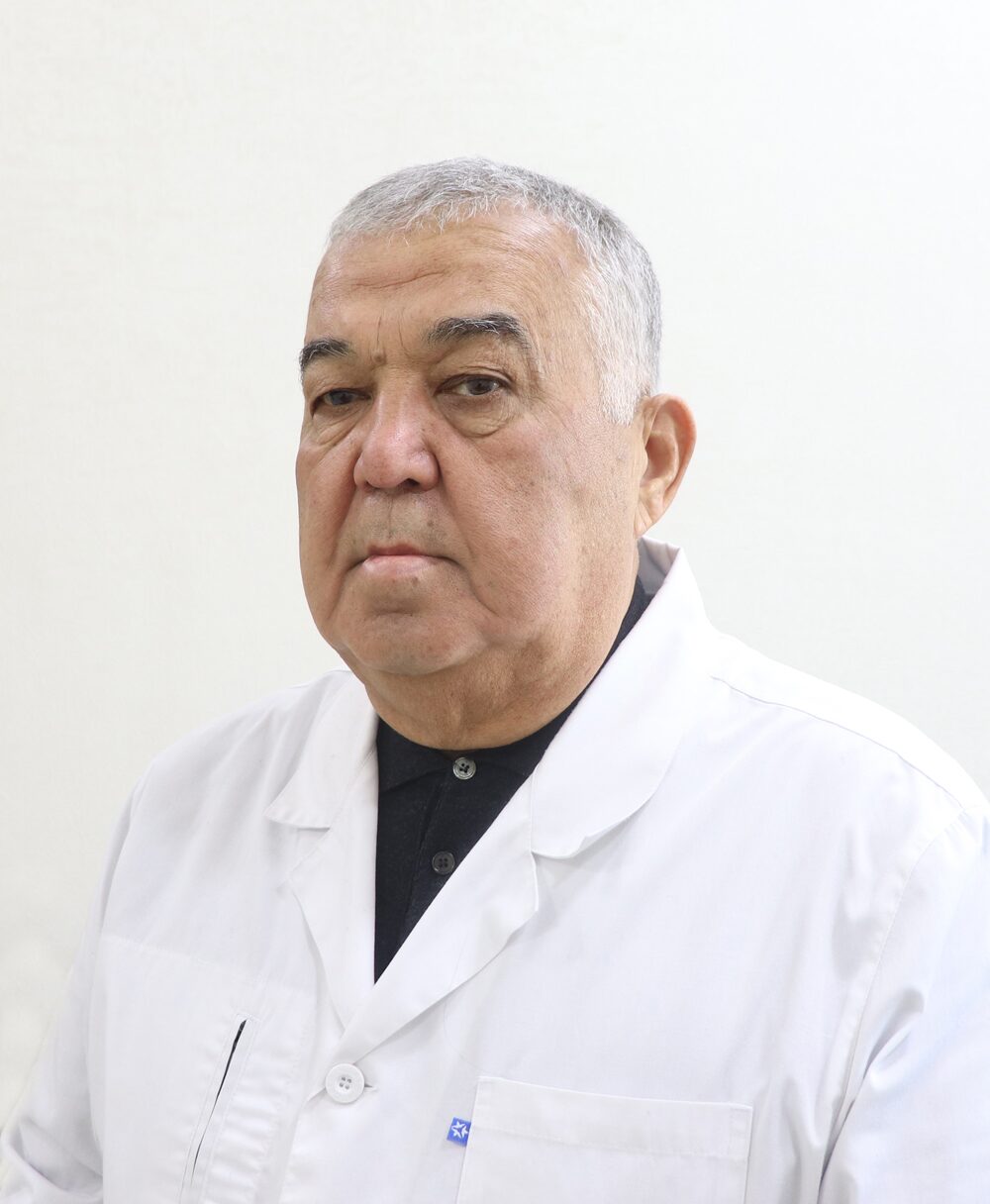
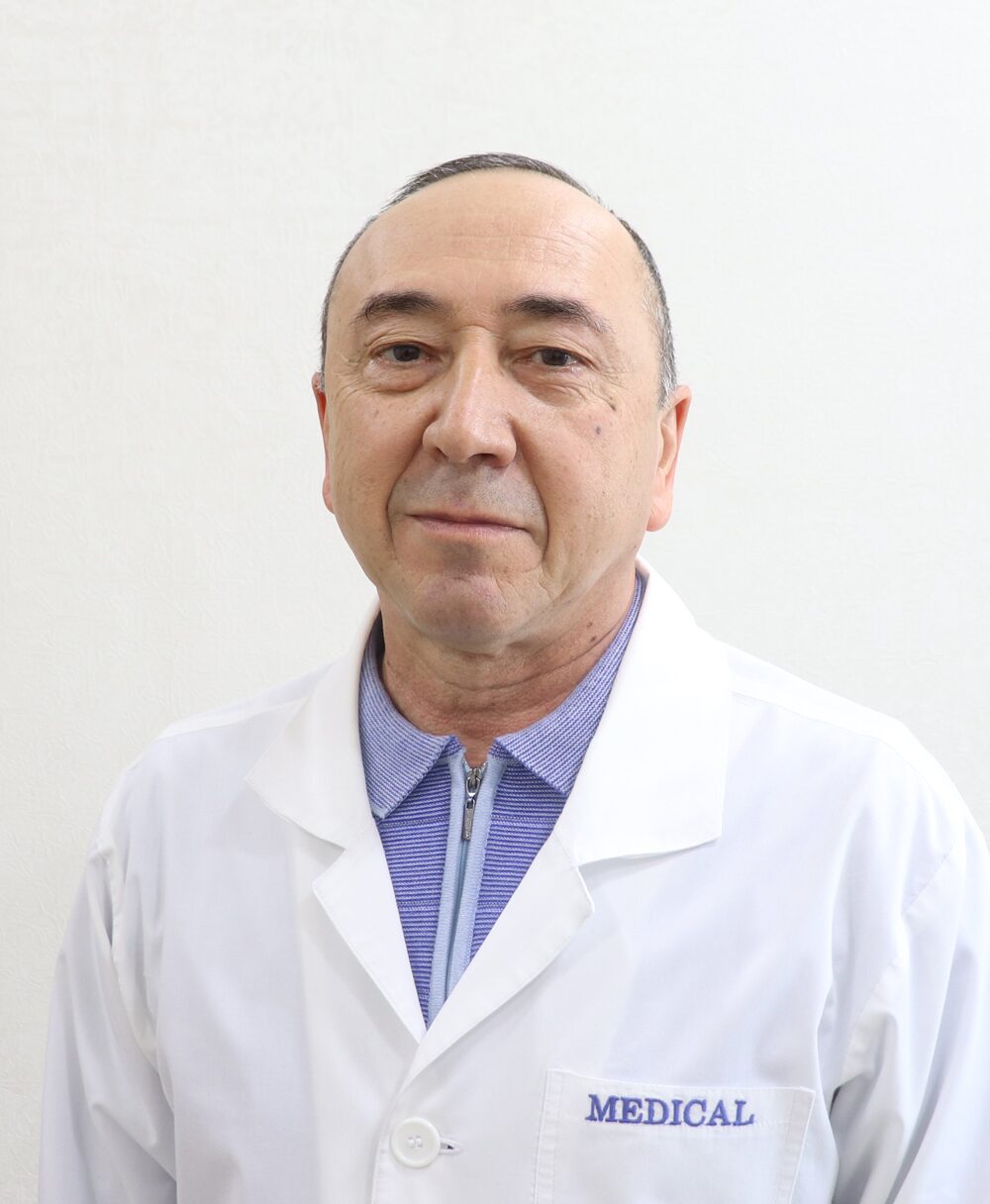
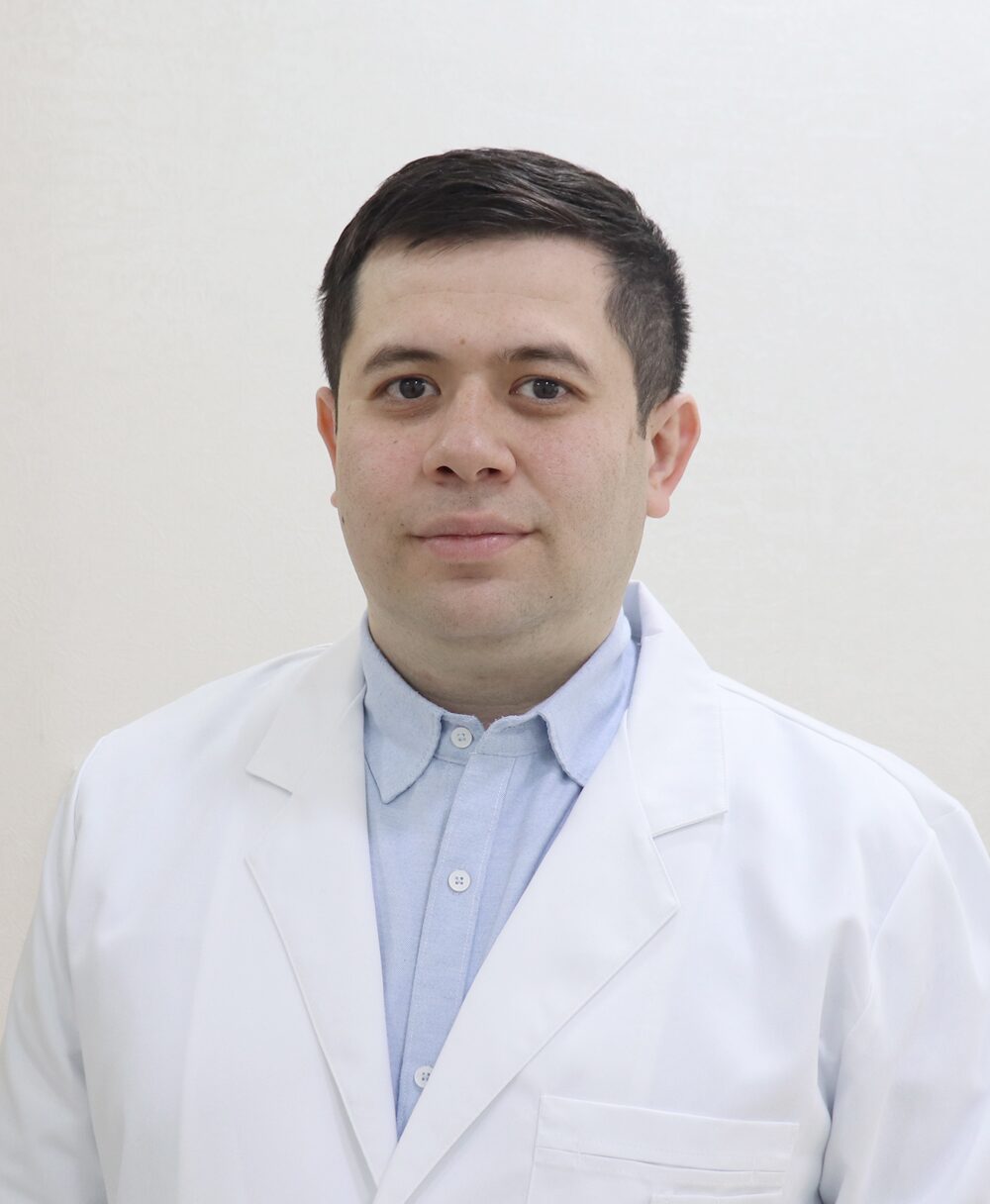
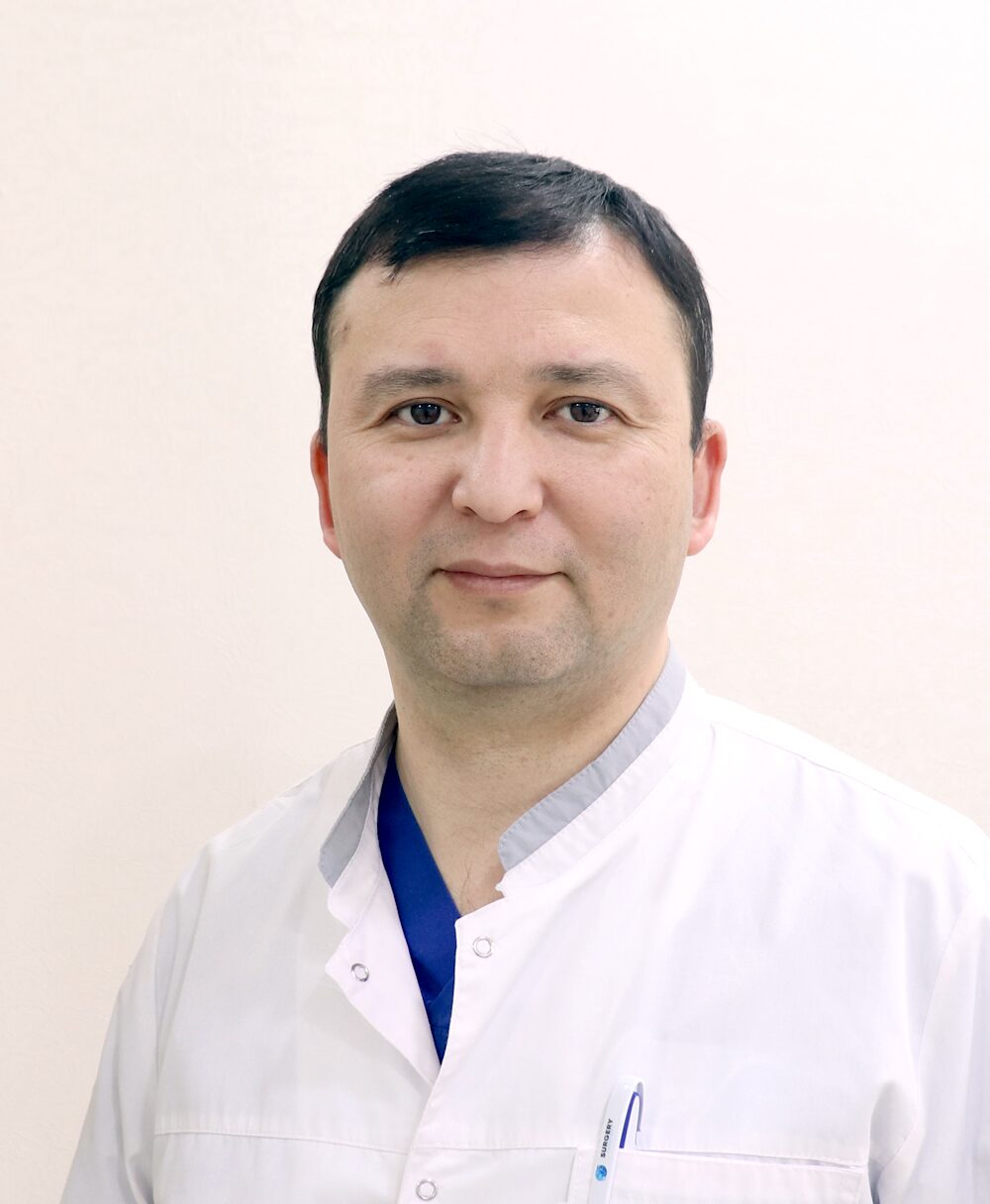
Doctors in this field
Saba Darmon Medical Center — contacts
📍 7A/3 Nurafshon street, Tashkent
📞 +99871 210-30-30 · WhatsApp +998 95 662-30-30
✉️This email address is being protected from spambots. You need JavaScript enabled to view it.
🌐 Instagram · Telegram · Facebook · YouTube
📞 +99871 210-30-30 · WhatsApp +998 95 662-30-30
✉️
🌐 Instagram · Telegram · Facebook · YouTube