


Useful articles
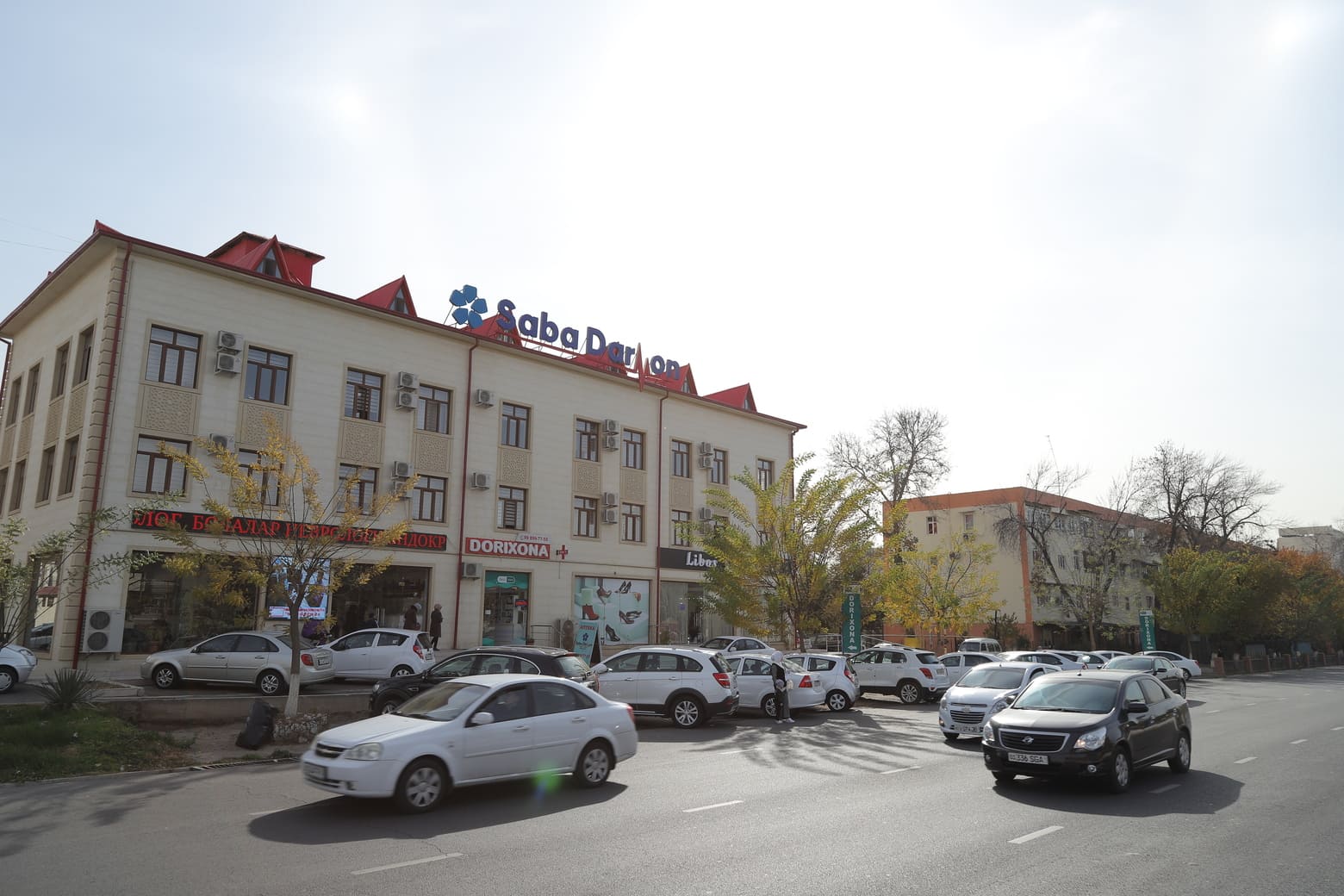
Breast Pain and Fibrocystic Change: Normal or Not — Saba Darmon
Doctor's blog
sbdrmn
The breasts become tender and swollen a week before a period, small “beads” can be felt under the fingers, and a woman postpones the appointment for months — sometimes out of fear, sometimes because “it all settles after the period”. In most cases this really is fibrocystic change, a benign condition. But judging for yourself that it “looks like the usual thing” is the main mistake: telling a harmless lump from one that needs attention is only possible on examination, and that takes half an hour.
What fibrocystic change is
Fibrocystic change, often called mastopathy, is a benign alteration of breast tissue in which connective tissue grows and small cysts form. The cause is hormonal fluctuation, chiefly the balance between oestrogen and progesterone. It is neither a tumour nor a pre-cancer: by itself it does not raise the risk of breast cancer. But it makes the breast “noisy” to the touch, and against that background a new lump is easy to miss.
Cyclical pain versus worrying pain
| Cyclical (usually benign) | Needs investigation |
|---|---|
| Both breasts, symmetrical | One breast, one spot |
| Worse before a period, settles afterwards | Unrelated to the cycle, constant |
| Felt as swelling, heaviness, fullness | Localised, increasing, wakes you at night |
| No discharge or skin change | With discharge, skin or nipple retraction |
When to see a doctor without delay
- a firm lump that does not shrink after a period;
- nipple discharge — especially bloody, clear, or from a single duct;
- retraction of the nipple or skin, an “orange peel” texture, a red patch;
- a change in the shape or size of one breast;
- enlarged lymph nodes in the armpit;
- pain in one spot lasting more than two cycles.
These signs do not mean cancer, but they call for an examination soon — not “after the holidays”.
Which test at which age
The method is chosen by age, because breast tissue density changes.
- Under 40 — breast ultrasound. The tissue is dense and ultrasound sees it better. Best timing: days 5–12 of the cycle.
- Over 40 — mammography every 1–2 years, supplemented by ultrasound if needed.
- With a family history of breast cancer — screening starts earlier, on a schedule set by the doctor.
- When a lesion is found — ultrasound-guided needle biopsy; the only way to get a definite answer.
Self-examination does not replace a medical visit, but it helps spot change: do it once a month, 5–7 days after a period starts.
How it is managed
If the work-up confirms uncomplicated fibrocystic change, management aims at relieving pain and monitoring. A properly fitted supportive bra, less coffee and salt, stopping smoking, and normalising weight and sleep all help. The doctor may prescribe topical preparations, progesterone-based treatment, or correct an underlying hormonal problem — for example thyroid disease or raised prolactin. Large cysts are aspirated; benign lumps are either observed or removed depending on size and biopsy result.
Frequently asked questions
Does fibrocystic change turn into cancer? Not in itself. But testing is needed to confirm that the lump really is fibrocystic change.
Can herbs and compresses treat it? Warming compresses on an undiagnosed lump are dangerous. Diagnosis first, treatment second.
Does it affect breastfeeding? No — breastfeeding is possible and advisable; lactation often improves the condition.
Is a yearly ultrasound really necessary? Yes, even without symptoms — it allows the picture to be compared over time.
At Saba Darmon Medical Center
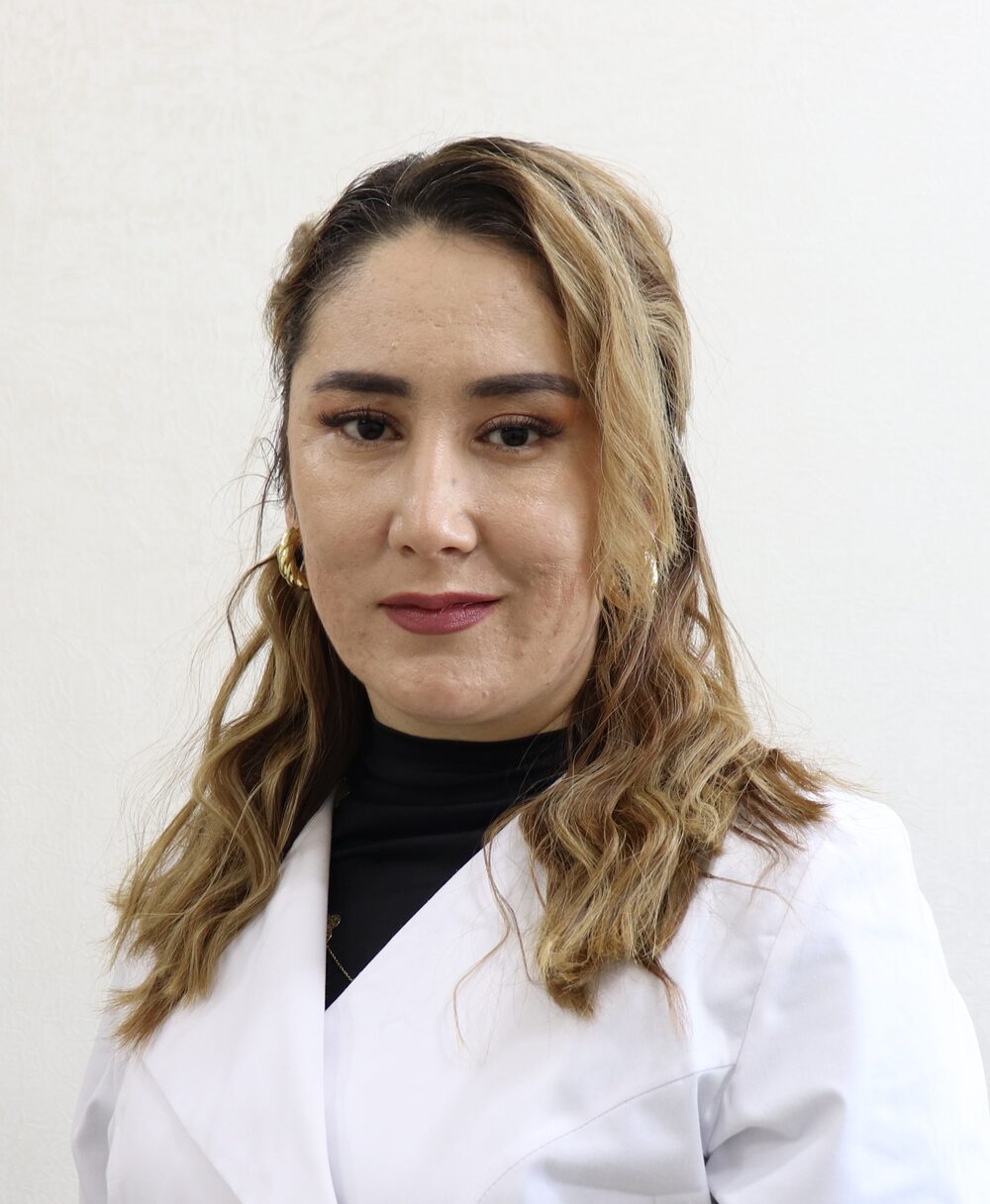
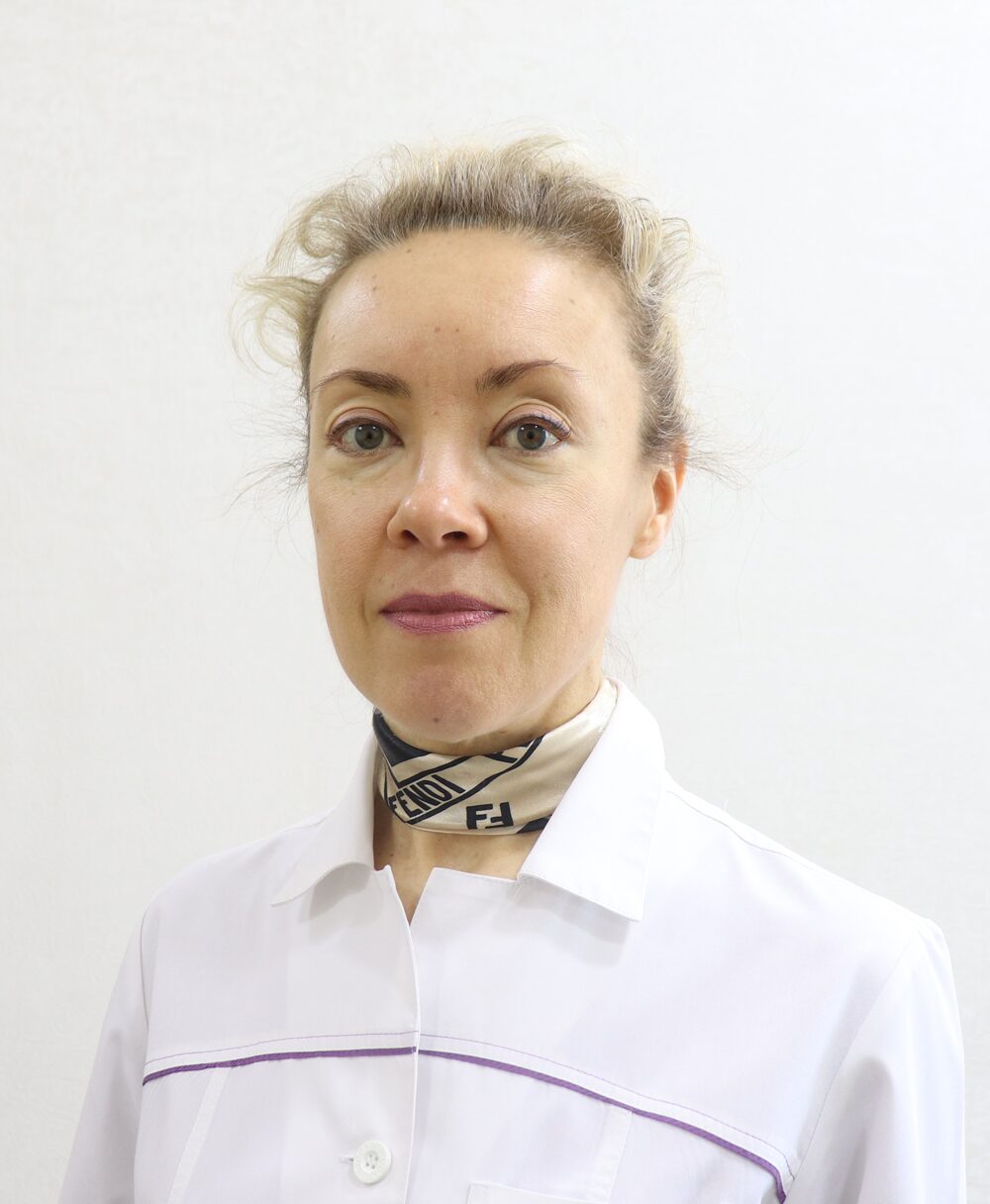
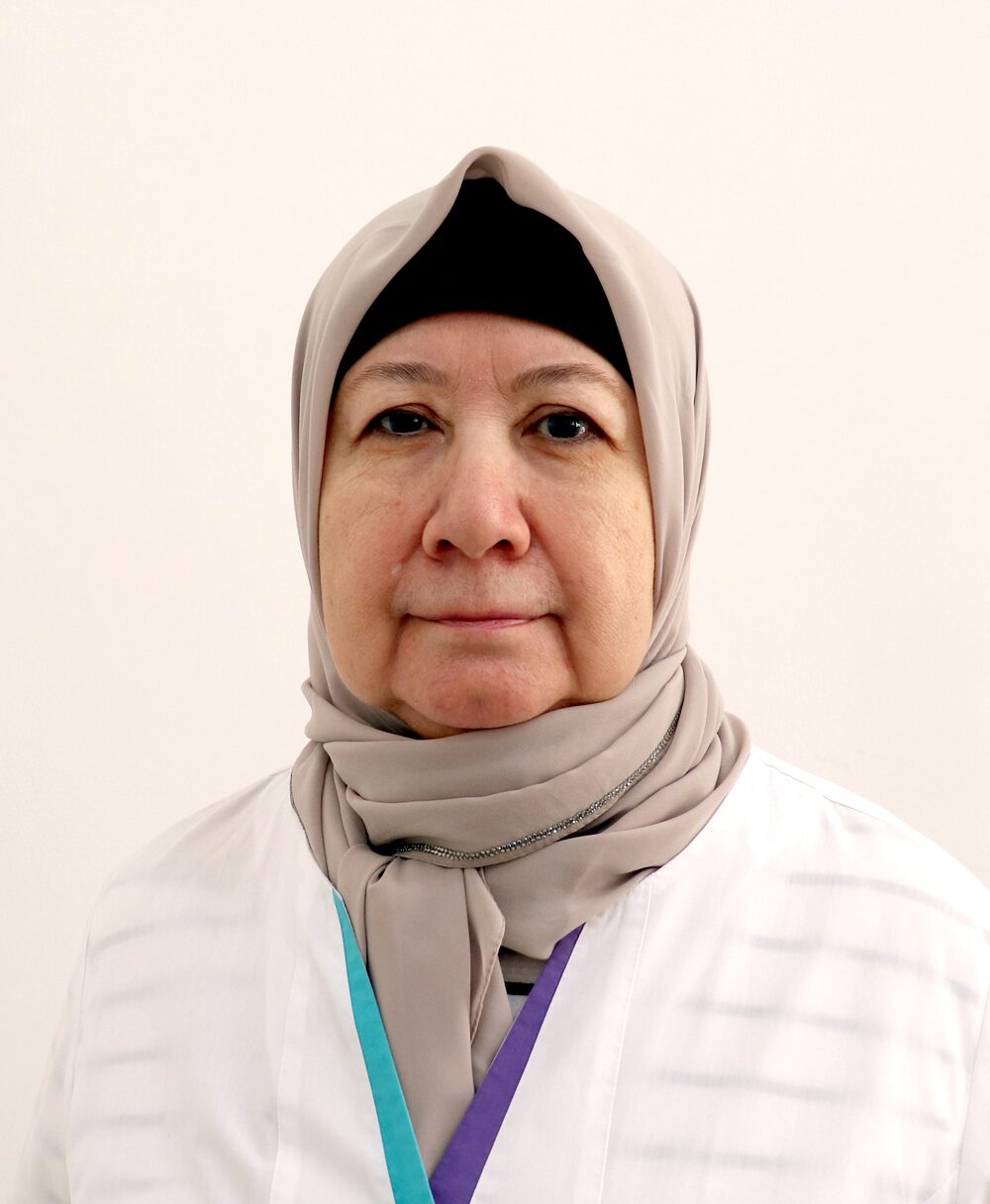
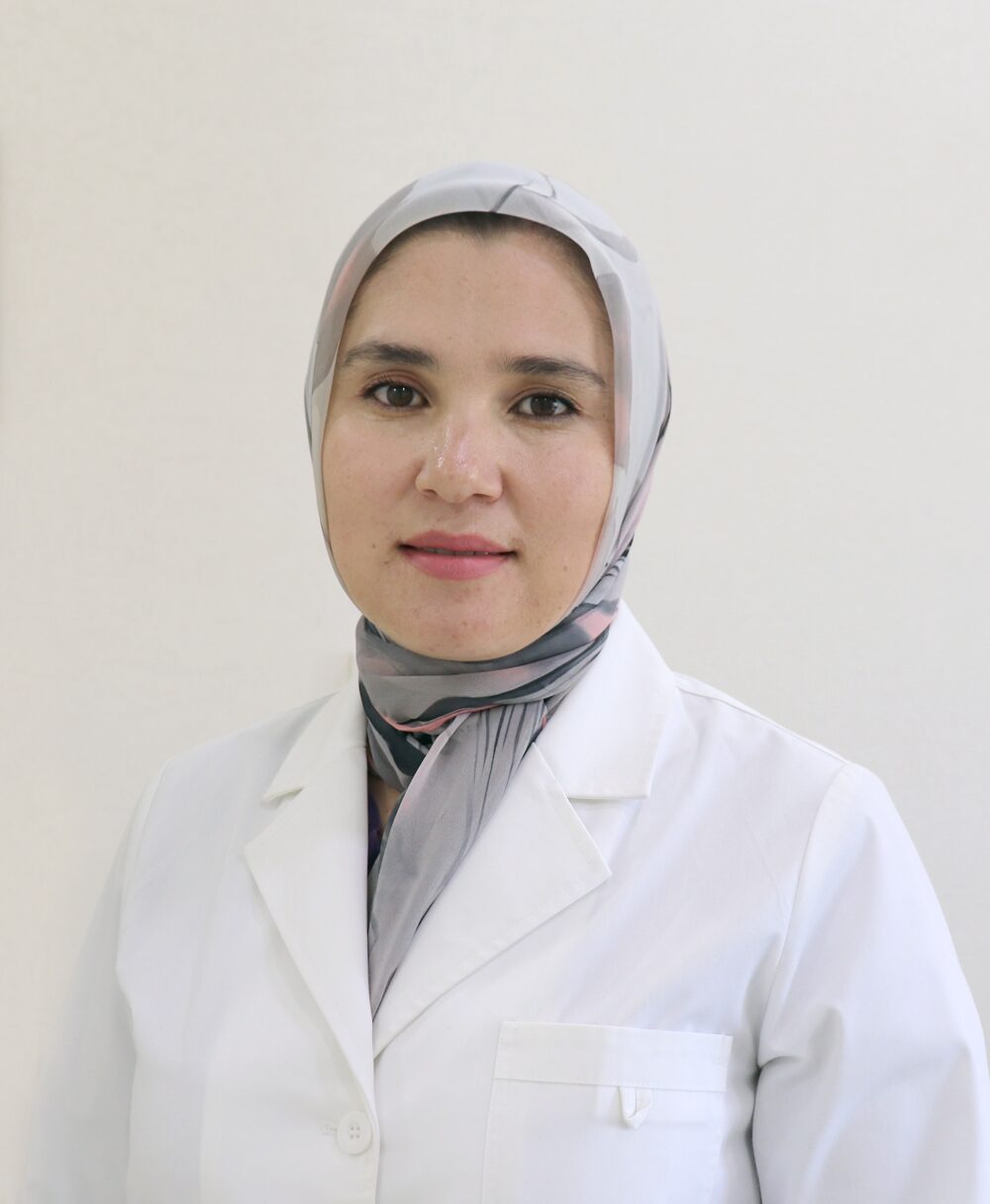
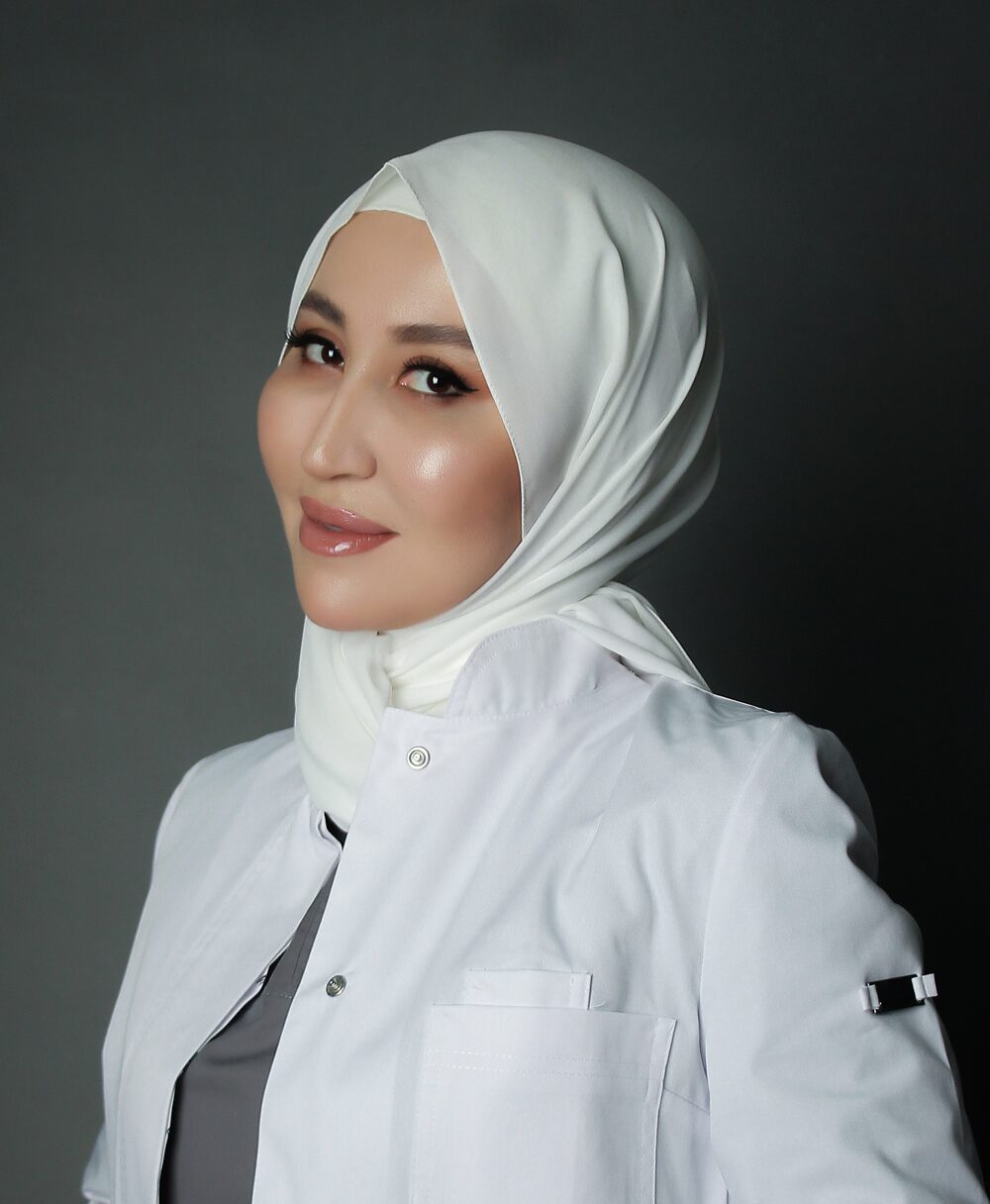
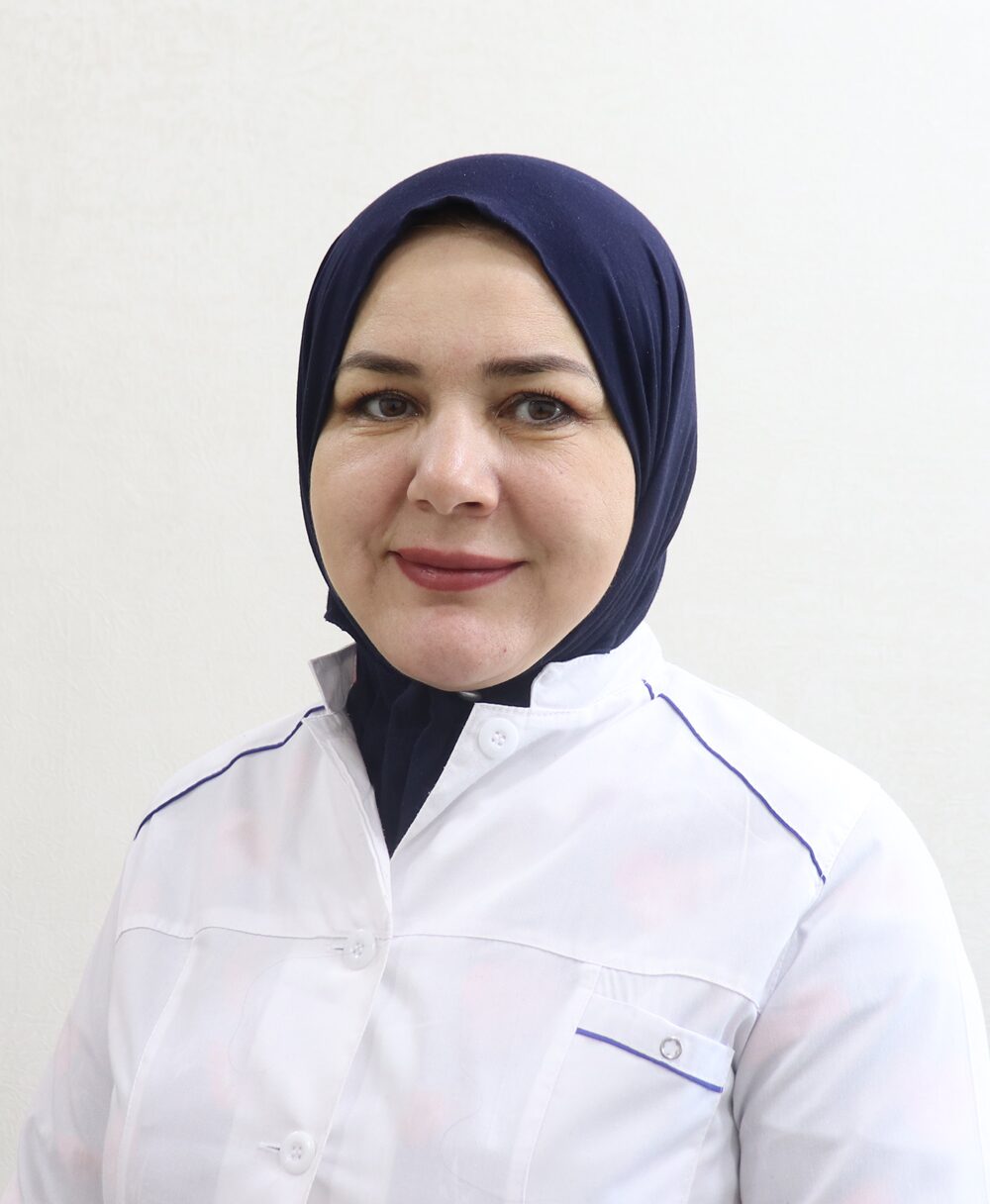
Six obstetrician-gynaecologists and ultrasound specialists see patients at the clinic: examination, breast ultrasound and, if needed, ultrasound-guided aspiration are done in a single visit, with results discussed the same day. If you have been putting off a check-up for more than a year, book an appointment.
Doctors in this field

Saba Darmon Medical Center — contacts
📍 7A/3 Nurafshon street, Tashkent
📞 +99871 210-30-30 · WhatsApp +998 95 662-30-30
✉️This email address is being protected from spambots. You need JavaScript enabled to view it.
🌐 Instagram · Telegram · Facebook · YouTube
📞 +99871 210-30-30 · WhatsApp +998 95 662-30-30
✉️
🌐 Instagram · Telegram · Facebook · YouTube