


Useful articles

Asherman Syndrome: Intrauterine Adhesions, Light Periods and Infertility
Doctor's blog
sbdrmn
Direction: Robotic surgery · All services
Asherman syndrome is the formation of scar tissue inside the womb, most often after a curettage or childbirth. It can cause periods to become much lighter or stop, cyclical pain, infertility and recurrent miscarriage. Below we explain why intrauterine adhesions develop, how to recognise them and tell them apart from other causes, how they are diagnosed and treated with hysteroscopy, what to know about pregnancy afterwards and how to lower the risk.
Contents
- What Asherman syndrome is
- Why intrauterine adhesions develop
- Symptoms of Asherman syndrome: light periods, pain and infertility
- Light or absent periods: telling Asherman syndrome apart from other causes
- When to seek urgent help
- Diagnosis: why hysteroscopy is the gold standard
- Treating Asherman syndrome: hysteroscopic adhesiolysis
- Pregnancy after Asherman syndrome
- Prevention: how to lower the risk of intrauterine adhesions
- Questions to ask your doctor
- Frequently asked questions
What Asherman syndrome is
Asherman syndrome is the formation of scar tissue inside the cavity of the womb — known as intrauterine adhesions or synechiae — which leads to problems with periods, getting pregnant or carrying a pregnancy. In a healthy uterus the front and back walls touch but do not stick together: every month the endometrium, the inner lining of the womb, builds up and is then shed as a period. If the deep, regenerating layer of the endometrium is damaged, bands of fibrous tissue can form between the walls. These may affect only a small area of the cavity or close it off almost completely.
When adhesions are present but cause no symptoms, doctors usually simply call them “intrauterine adhesions”; the term “syndrome” is used when they lead to light or absent periods, pain or infertility.
Why intrauterine adhesions develop
The main cause is mechanical injury to the endometrium, especially around the time of a pregnancy, when the wall of the uterus is at its most vulnerable. The risk is higher after:
- a surgical scrape of the womb (curettage, D&C) following a miscarriage or a missed miscarriage;
- curettage after childbirth for retained placental tissue or bleeding;
- repeated curettage — each procedure adds to the risk;
- operations that open the cavity of the uterus, such as removing deep fibroids or dividing a uterine septum, and sometimes a caesarean section;
- infection inside the womb (endometritis), including genital tuberculosis.
Adhesions do not form after every curettage, and most women recover without any problem. However, if your periods change noticeably after one of these procedures, this should not be ignored.
Symptoms of Asherman syndrome: light periods, pain and infertility
- periods that become much lighter or stop altogether — often after a curettage or a birth, while hormone levels remain normal;
- monthly cyclical pain without bleeding — this can mean that blood is collecting inside the uterus;
- difficulty getting pregnant — an embryo needs a healthy lining in order to implant;
- recurrent miscarriage, or problems with the placenta in later pregnancies.
In some women mild adhesions cause no symptoms at all and are found by chance during tests carried out for another reason.
Light or absent periods: telling Asherman syndrome apart from other causes
Light or missing periods have many possible causes, so the doctor first rules out other conditions:
| Condition | Typical features | Key tests |
|---|---|---|
| Pregnancy | A late period, nausea | Pregnancy test, ultrasound |
| Hormonal disorders (thyroid, prolactin, ovarian function) | Irregular cycles, weight change, other general symptoms | Hormone blood tests |
| Early decline in ovarian function | Hot flushes, periods becoming less frequent | Hormones, ovarian reserve |
| Asherman syndrome | Periods lighter since a curettage or birth, normal hormones | Ultrasound, hysteroscopy |
| Narrowing of the cervical canal | Painful, very scanty periods after a procedure | Examination, ultrasound, gentle probing of the canal |
Heavy, painful periods are not typical of Asherman syndrome — in that case other causes, such as adenomyosis, are looked for. You can read about the general causes of an irregular cycle in the article on menstrual cycle disorders.
When to seek urgent help
Asherman syndrome itself is not usually an emergency. However, in the first days after a curettage or hysteroscopy, and whenever you have severe cyclical pain, watch out for the following warning signs.
If after a procedure you develop a fever, foul-smelling discharge or increasing pain in the lower abdomen, or you have severe pain every month without a period, see a gynaecologist the same day. If you have heavy bleeding, faint, or develop sudden severe abdominal pain with a positive pregnancy test, call 103 immediately.
Diagnosis: why hysteroscopy is the gold standard
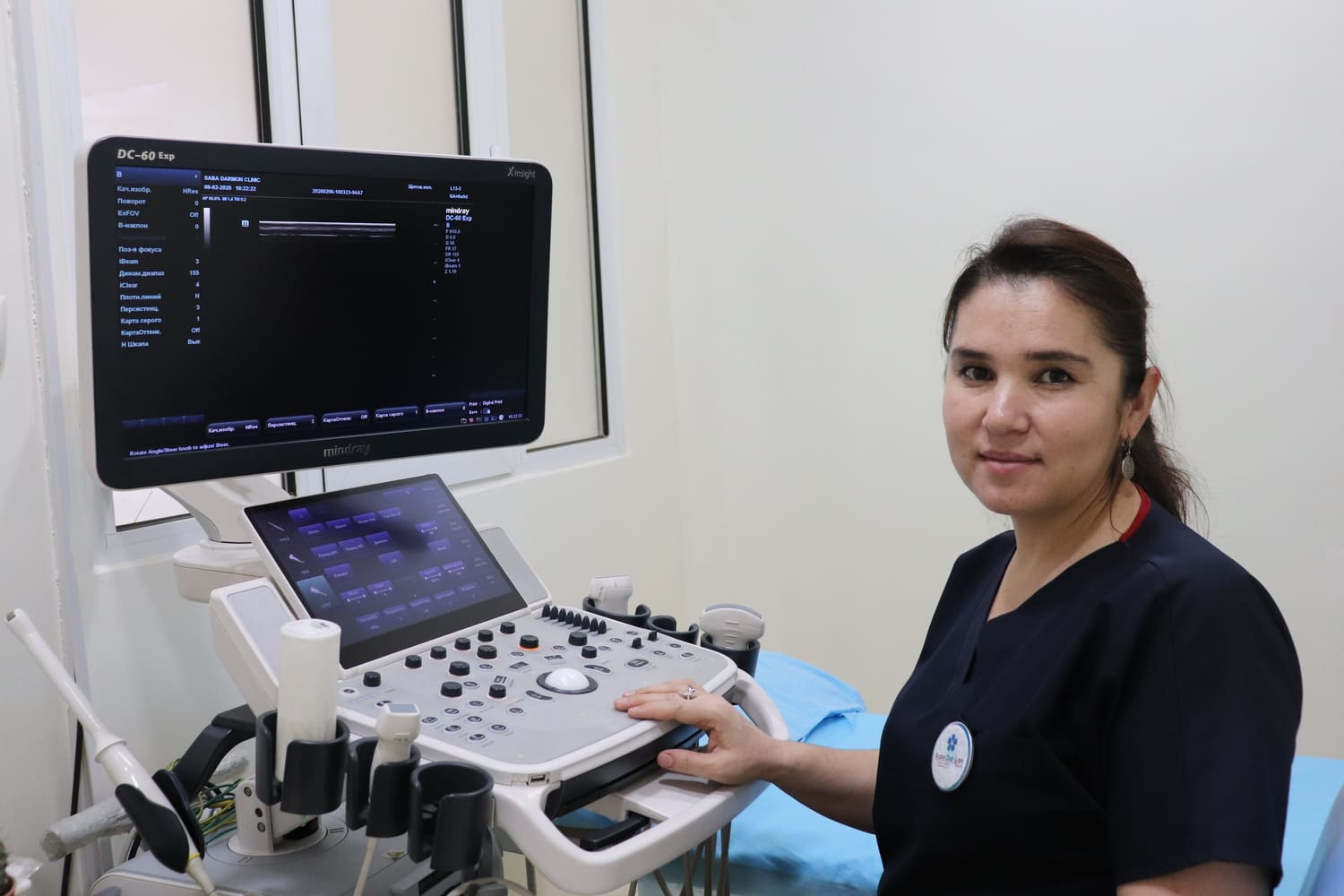
Assessment usually starts with a pregnancy test and hormone blood tests, to rule out other causes. A transvaginal ultrasound scan follows: a very thin or interrupted lining raises the suspicion of adhesions. A 3D ultrasound and saline sonohysterography — a scan performed while a small amount of sterile fluid is passed into the cavity — can add useful detail.
The definitive diagnosis, however, is made by hysteroscopy: a thin telescope is passed through the vagina and cervix so that the inside of the womb can be seen directly. The doctor assesses where the adhesions are, how dense they are and how much of the cavity is blocked, and the treatment plan and outlook depend on this. Hysteroscopy also reveals other changes, such as polyps or endometrial hyperplasia; you can read about these in the article on endometrial polyps and hyperplasia.
Treating Asherman syndrome: hysteroscopic adhesiolysis
If there are no symptoms and no plans for pregnancy, mild adhesions may not need treatment. When treatment is needed, the main method is hysteroscopic adhesiolysis: with no cuts on the abdomen, the adhesions are carefully divided with fine scissors or an electrosurgical instrument passed into the uterus, and the normal shape of the cavity is restored. The procedure is also known as hysteroresectoscopy; more details are in the article on hysteroscopy and hysteroresectoscopy.
- Preventing the adhesions from re-forming. Adhesions tend to come back. Depending on your situation, the doctor may therefore choose hormonal support, or the temporary placement of a balloon or an intrauterine device inside the cavity. Not everyone needs these measures, and the decision is made individually.
- Second-look hysteroscopy. The cavity is often checked again a few weeks later: any new adhesions are still soft at that stage and easy to separate.
- Repeat procedures. In severe cases several stages may be needed to restore the cavity fully.
The result of treatment depends mainly on how extensive the adhesions were and on the condition of the remaining lining. In mild and moderate cases periods often return, whereas in severe cases the outcome is harder to predict.
Pregnancy after Asherman syndrome
Many women become pregnant after treatment, especially when the adhesions were not very extensive. Your doctor will tell you when it is reasonable to start trying, based on the result of the second-look hysteroscopy. Sometimes assisted reproduction is needed — you can read more in the article on female infertility.
A pregnancy after treatment for Asherman syndrome is considered high-risk: there is a greater chance of miscarriage, premature birth, and of the placenta being low-lying or growing too deeply into the wall of the uterus. For this reason the pregnancy is looked after by an experienced obstetrician with regular scans, and the place of birth is planned in advance. The article on preparing for pregnancy may also be helpful.
Prevention: how to lower the risk of intrauterine adhesions
- avoid unnecessary and repeated curettage — every procedure should have a clear reason;
- after a miscarriage, discuss with your doctor whether waiting for nature to take its course, medical treatment or a gentler vacuum aspiration is appropriate in your situation;
- procedures should be carried out by an experienced specialist, with ultrasound or hysteroscopic guidance where needed;
- infections of the womb should be diagnosed and treated promptly;
- if your periods change sharply after a curettage or a birth, tell your gynaecologist rather than waiting.
Questions to ask your doctor
Bring any records of previous procedures to your appointment and ask: what is causing my light periods? Do I need a hysteroscopy? How extensive are the adhesions, and how many stages of treatment might be needed? What will be done to stop them coming back? When can I start trying for a baby?
Saba Darmon clinic has specialist gynaecologists, and ultrasound scans and laboratory tests are carried out on site. The clinic performs diagnostic hysteroscopy and hysteroresectoscopy, including the division of intrauterine adhesions. Your doctor draws up a treatment plan that takes into account your test results and your plans for pregnancy. You can find more information on the page of our gynaecology department.
Frequently asked questions
Can Asherman syndrome go away on its own?
Usually not. Intrauterine adhesions are made of scar tissue, so they do not dissolve by themselves. If there are no symptoms and no plans for pregnancy, mild adhesions can sometimes be left untreated. But if you have light periods, cyclical pain or infertility, hysteroscopic treatment can help restore the cavity of the womb. The decision is made after a gynaecological examination and tests.
If my periods are light after a curettage, does that mean I have Asherman syndrome?
Not necessarily. The first few cycles after a curettage can be irregular, and light periods can also be caused by hormonal problems, thyroid disorders or pregnancy. However, if your periods have become much lighter or stopped for several cycles, see a gynaecologist. The doctor will find the cause using hormone tests, an ultrasound scan and, where needed, a hysteroscopy.
Can I get pregnant with Asherman syndrome?
Yes, many women conceive after treatment, especially when the adhesions were not very extensive. Severe cases may need several procedures or assisted reproduction. A pregnancy after Asherman syndrome is considered high-risk, because problems with the placenta and premature birth are more likely, so it should be looked after by an experienced obstetrician with regular scans.
Is hysteroscopic adhesiolysis painful, and what happens?
The procedure is done through the vagina and cervix with no cuts on the abdomen, usually under a short general anaesthetic or other pain relief, so you should not feel pain during it. Afterwards you may have mild period-like cramps and a little bloodstained discharge for a few days. Most women get back to their normal routine quickly. Your doctor will tell you when to come back for a check-up.
Can Asherman syndrome be prevented?
The risk can be reduced considerably. The most important step is avoiding unnecessary and repeated curettage. After a miscarriage, discuss with your doctor whether waiting, medical treatment or a gentler vacuum aspiration suits your situation. Prompt treatment of infections inside the womb also matters. If your periods change sharply after a procedure, see a gynaecologist without delay.
Related reading:
Doctors for consultation
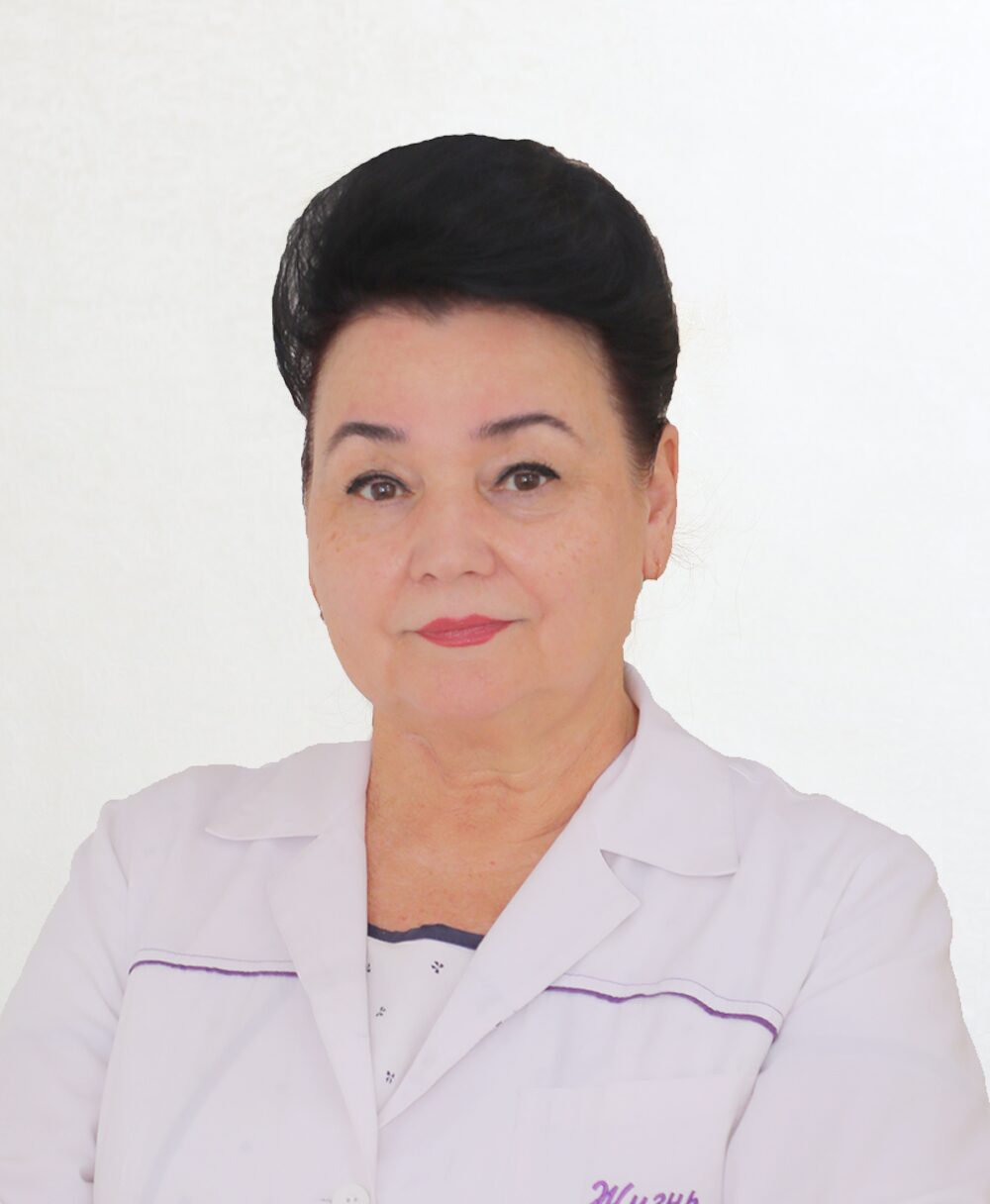
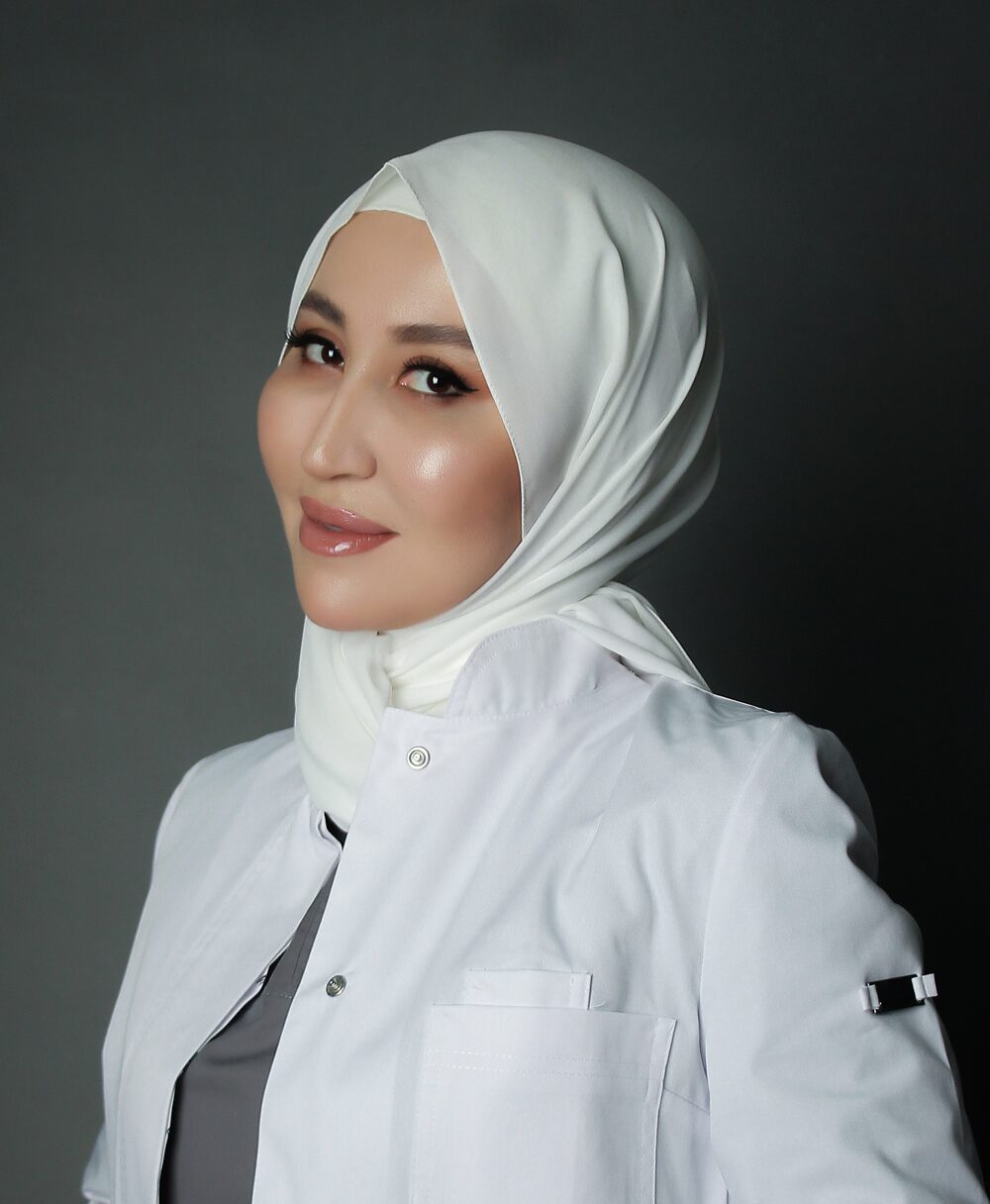
Asherman syndrome and intrauterine adhesions are assessed by our gynaecologists, who also plan the treatment. Our doctors in this field:

Book an appointment with a gynaecologist
Have your periods become lighter after a curettage or a birth, or are you struggling to conceive? An examination and tests will help find the cause.
Call now — +998 71 210-30-30Contacts
Address: 7A/3 Nurafshon street, Tashkent
Phone: +998 71 210-30-30 · WhatsApp: +998 95 662-30-30
Opening hours: Monday–Saturday, 09:00–18:00
E-mail: