


Useful articles

Hysteroscopy and Hysteroresectoscopy: Looking Inside the Uterus
Doctor's blog
sbdrmn
Direction: Robotic surgery · All services
Hysteroscopy is a way of looking inside the uterus with a thin optical instrument, and hysteroresectoscopy means removing a polyp, fibroid or adhesions found during the same procedure. Done without any abdominal incision, it gives clear answers in abnormal bleeding, infertility and doubtful ultrasound findings. Below we explain when it is needed, which days it is done, how it goes and what to watch for afterwards.
Contents
What hysteroscopy is and how it differs from ultrasound
In hysteroscopy a thin optical tube — the hysteroscope — is passed through the cervix. The uterine cavity is gently distended with saline, and the doctor sees the endometrium, the openings of the fallopian tubes, any polyps or fibroids directly on a screen. Ultrasound shows only a shadow and says "something is there"; hysteroscopy tells you exactly what it is, where it sits and how large it is. There are no cuts on the abdomen — everything is done through the natural route.
There are two kinds of hysteroscopy:
- Diagnostic hysteroscopy — looking at the cavity and, if needed, taking a sample of the endometrium (biopsy). Usually a short procedure.
- Operative hysteroscopy (hysteroresectoscopy) — removing what is found straight away with an instrument called a resectoscope: a polyp, a submucous fibroid, a septum or adhesions.
Often both are combined in one procedure: first the cavity is inspected, then what was seen is removed and sent to the laboratory for histology.
When hysteroscopy is needed: the main indications
| Situation | What is done at hysteroscopy |
|---|---|
| Bleeding between periods, very heavy periods, bleeding after the menopause | Find the cause, take an endometrial sample |
| Endometrial polyp | Remove the polyp with its base, histology |
| Submucous fibroid (a node bulging into the cavity) | Shave the fibroid away layer by layer with the resectoscope |
| Uterine septum | Divide the septum so the cavity becomes one |
| Intrauterine adhesions (Asherman syndrome) | Separate the adhesions and restore the shape of the cavity |
| Infertility, recurrent miscarriage | Assess the cavity and remove any obstacle found |
| Retained tissue after pregnancy or birth | Targeted removal of the remaining tissue |
For background on irregular bleeding, see the article on menstrual cycle disorders; for polyps, read about endometrial polyps and hyperplasia. Large fibroids inside the wall of the uterus or on its outer surface are not removed hysteroscopically but by myomectomy.
Which day of the cycle is best for hysteroscopy
A planned procedure is usually done after the period has finished, typically on days 5–10 of the cycle. At this time the endometrium is thin, the cavity is clearly visible and the chance of an unknown pregnancy is low. If bleeding is an emergency or the woman is past the menopause, timing does not matter. Before the procedure, blood tests, a vaginal swab and an ultrasound are usually done; a pregnancy test is always checked.

Anaesthesia and how the procedure goes
A short diagnostic hysteroscopy can sometimes be done with local anaesthetic, but in most cases — especially operative hysteroscopy — a brief intravenous anaesthetic is used: the woman is asleep and feels nothing. The anaesthetist chooses the type of anaesthesia after assessment.
- The cervix is gently dilated and the hysteroscope is inserted.
- The cavity is filled with fluid and inspected from every side.
- If needed, a polyp, fibroid, septum or adhesions are removed with the resectoscope.
- The removed tissue goes for histology — that is where the final diagnosis comes from.
The procedure most often takes 15–40 minutes; longer for a complex fibroid or extensive adhesions.
Recovery after hysteroscopy
- most women go home the same day or the next morning and are back to normal activities within 1–2 days;
- light spotting or bloody discharge for a few days and up to a week or two is normal;
- mild period-like cramping in the lower abdomen may occur;
- until the time your doctor advises, avoid intercourse, hot baths, swimming pools and tampons;
- a follow-up visit with the histology result is essential — further plans depend on it.
Fever, heavy or increasing bleeding, severe abdominal pain, foul-smelling discharge or dizziness — contact your doctor straight away; if you feel seriously unwell, call an ambulance (103).
Hysteroscopy and planning a pregnancy
In an infertility work-up, hysteroscopy finds obstacles in the cavity — a polyp, a septum, adhesions or a submucous fibroid — and allows them to be treated in the same procedure. This may improve the conditions for an embryo to implant, but the cause of infertility does not always lie in the uterine cavity. The overall plan of tests is described in the article on female infertility. When it is safe to try for a pregnancy is decided by the doctor, based on what was removed and on the histology result. All services in this area are listed on the gynaecology department page.
Hysteroscopy is a common, well-established procedure. The decision on whether it is needed, and whether it should be diagnostic or operative, is made by the gynaecologist after examination and ultrasound.
Frequently asked questions
Is hysteroscopy painful?
In most cases it is done under a brief intravenous anaesthetic, so the woman feels no pain. Afterwards there may be mild period-like cramping, which usually settles within a day or two.
What day of the cycle is hysteroscopy done?
A planned procedure is usually done after the period, on days 5–10 of the cycle. In an emergency bleed or after the menopause, timing does not matter.
What is the difference between hysteroscopy and hysteroresectoscopy?
Diagnostic hysteroscopy means looking at the cavity and taking a sample. Hysteroresectoscopy means removing a polyp, fibroid, septum or adhesions found during the same procedure.
How long does bleeding last after hysteroscopy?
Light bloody discharge for a few days and up to one or two weeks is normal. Heavy or increasing bleeding or a fever needs prompt contact with your doctor.
How soon can I get pregnant after hysteroscopy?
It depends on what was removed and on the histology result. Your doctor will advise at the follow-up visit; there is also a separate article on infertility.
Is hysteroscopy risky?
It is a common and well-studied procedure. Complications such as infection, bleeding or injury to the uterine wall are uncommon; the doctor explains them beforehand.
How long is the hospital stay?
Most women go home the same day or the next morning and return to normal life within 1–2 days.
Related reading:
Doctors for consultation
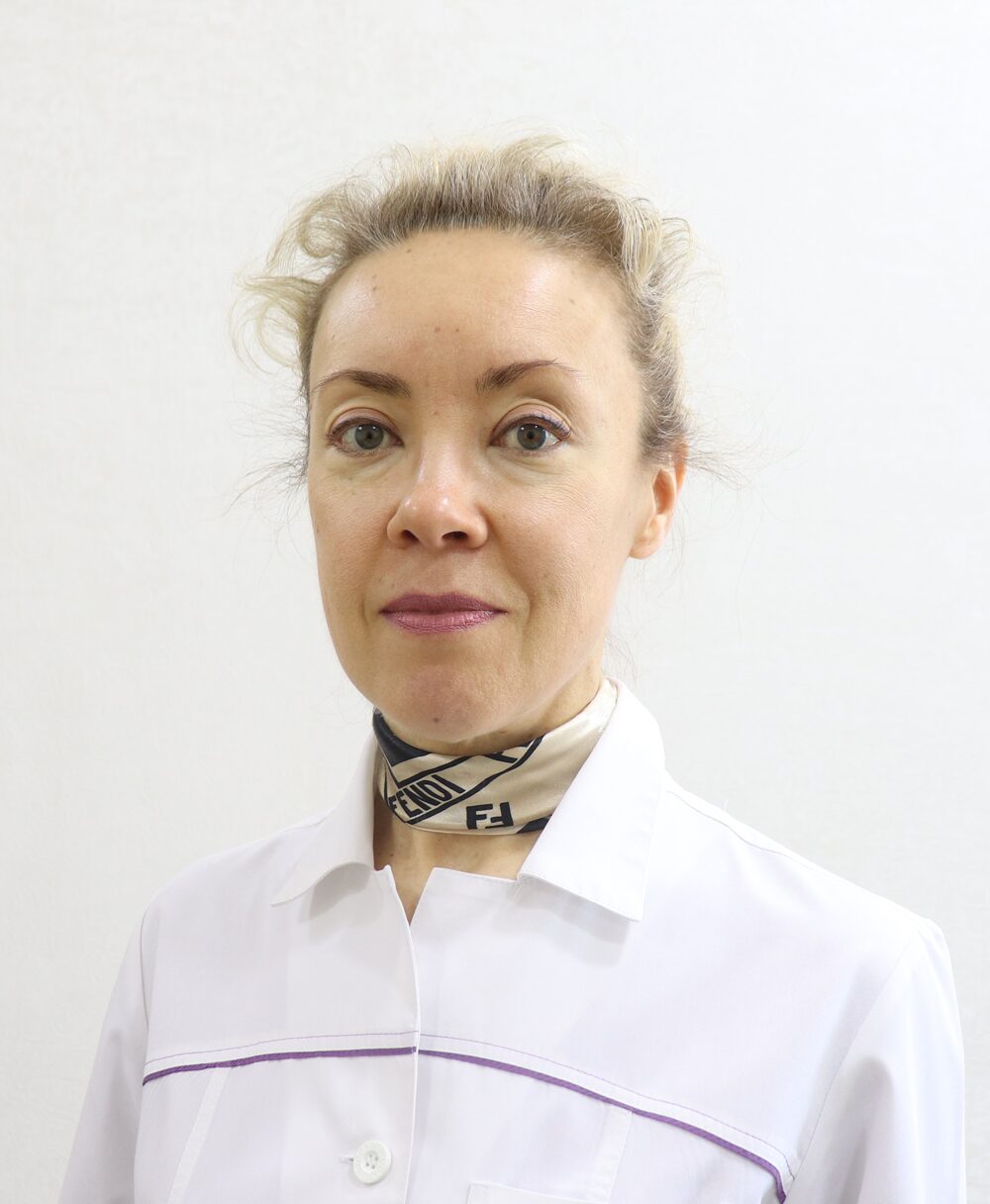
The need for hysteroscopy is assessed by our gynaecologists after examination. Our doctors in this field:





Book an appointment with a gynaecologist
Has an ultrasound shown a polyp or fibroid? After examination, the gynaecologist will tell you whether hysteroscopy is needed.
Call now — +998 71 210-30-30Contacts
Address: 7A/3 Nurafshon street, Tashkent
Phone: +998 71 210-30-30 · WhatsApp: +998 95 662-30-30
Opening hours: Monday–Saturday, 09:00–18:00
E-mail: